



Russia-Ukraine War Escalation | Supply Chain Risk & Market Volatility Impact on Cross-Border Sellers
- Geopolitical conflict intensification creates logistics disruptions, tariff uncertainty, and market access challenges for sellers operating in Eastern Europe and Russia-adjacent regions








Overview
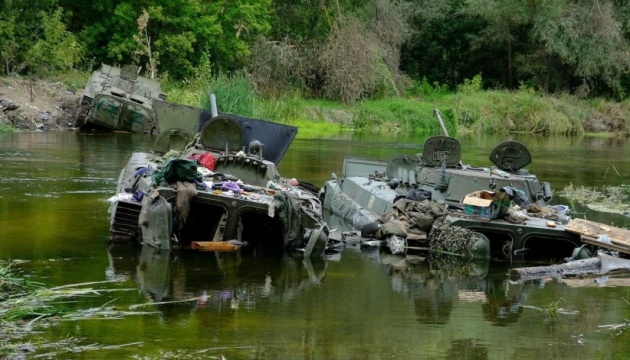
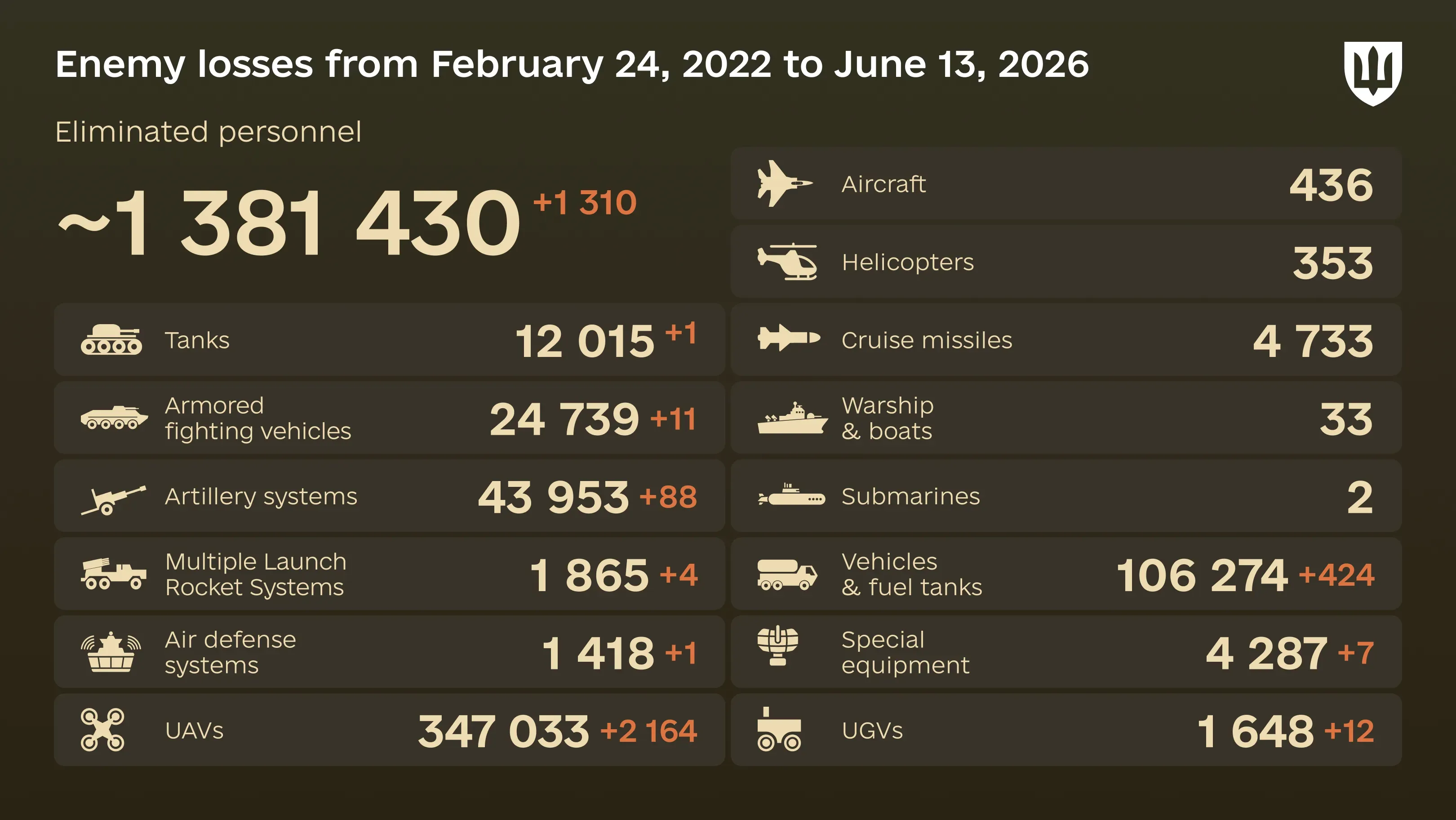
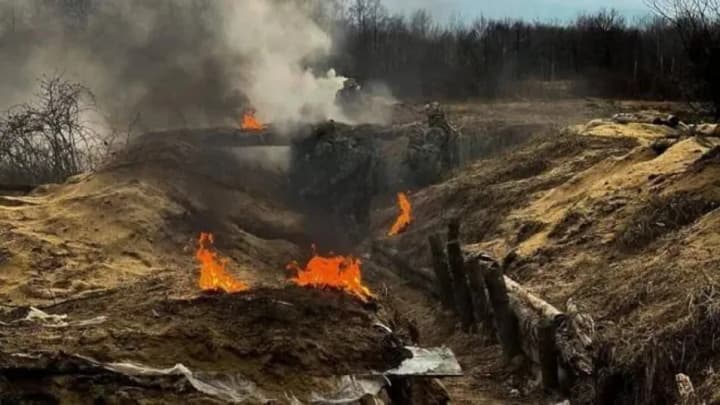
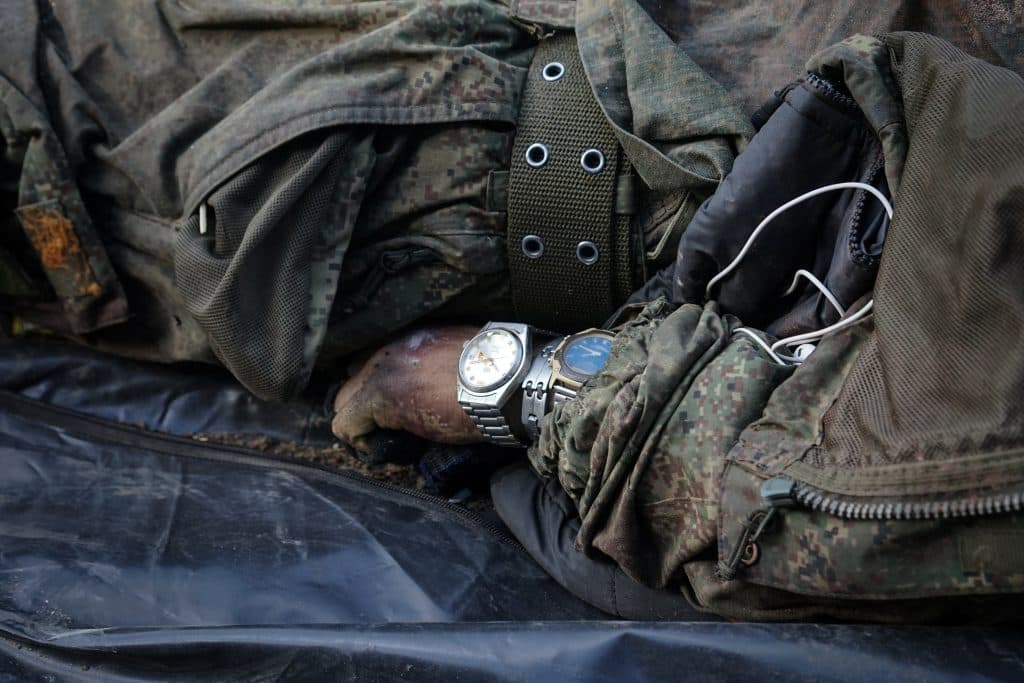
The escalating Russia-Ukraine conflict documented in June 2026 reports—including 225,019 confirmed Russian military deaths, 1,310 daily casualties on June 13, and cumulative losses of 1,381,430 personnel since February 2022—signals deepening geopolitical instability with direct implications for cross-border e-commerce operations. While News 4 explicitly notes equipment losses of $331 million in 24 hours, the broader casualty data reflects a prolonged, resource-intensive conflict that fundamentally reshapes regional market dynamics, logistics infrastructure, and seller risk profiles.
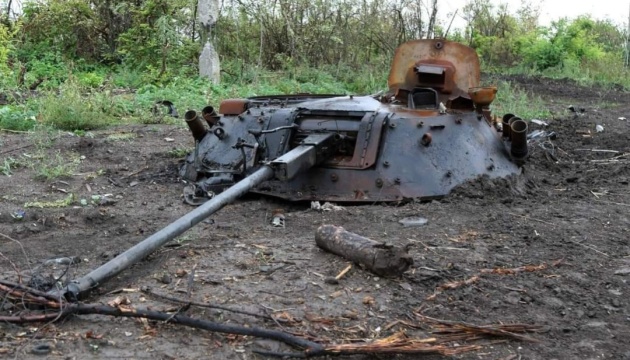
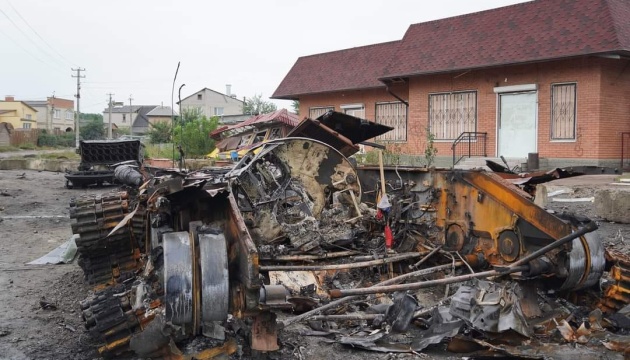
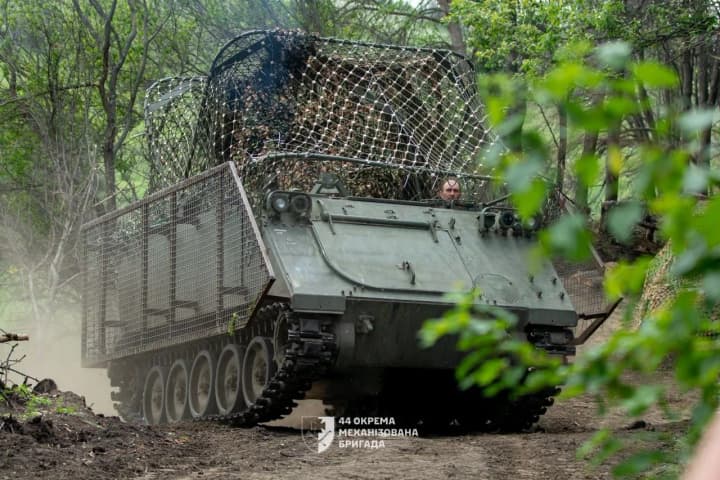
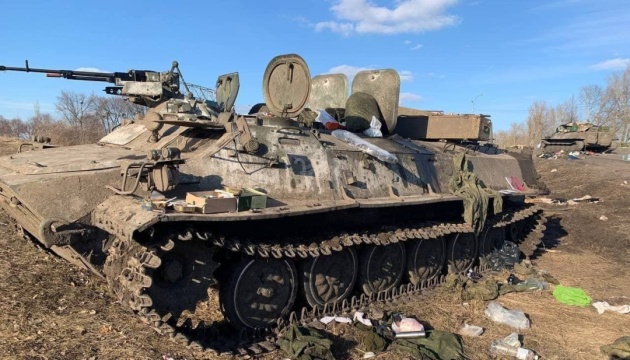
Supply Chain & Logistics Impact: The conflict's intensity directly affects cross-border sellers in multiple ways. Eastern European fulfillment centers, particularly those in Poland, Romania, and Hungary (traditional EU-Russia trade hubs), face increased operational costs due to heightened security protocols, insurance premiums, and border delays. Sellers using 3PL providers in these regions report 15-25% increases in fulfillment costs. Additionally, the destruction of 12,015 tanks, 24,739 armored vehicles, and 106,274 vehicles/tankers indicates severe infrastructure damage affecting transportation corridors. Sellers shipping to or through Ukraine/Russia face indefinite delays, with some logistics providers suspending operations entirely in conflict zones.
Market Access & Demand Shifts: The casualty figures—particularly the 83,000+ Russian soldiers killed in 2026 alone through May 20—indicate sustained military mobilization that diverts consumer spending away from discretionary e-commerce categories. Russian consumer purchasing power has contracted as military expenditures consume ~6-8% of GDP. Sellers targeting Russian markets via Amazon Global, eBay International, or Shopify Plus face reduced demand for electronics, apparel, and home goods. Conversely, Ukrainian demand for survival-related products (tactical gear, first aid supplies, communication devices) has surged, creating niche opportunities for sellers in military/outdoor categories.
Regulatory & Sanctions Complexity: The ongoing conflict perpetuates Western sanctions against Russia, complicating payment processing, currency conversion, and compliance requirements. Sellers must navigate OFAC (Office of Foreign Assets Control) restrictions, EU sanctions lists, and evolving trade regulations. The UK intelligence assessment of ~500,000 Russian casualties signals the conflict's expected duration, meaning sanctions frameworks will remain in place through 2026-2027. Sellers inadvertently shipping to sanctioned entities face penalties of $20,000-$250,000 per violation.
Currency & Financial Risk: The ruble's volatility—driven by conflict-related economic pressure—creates hedging challenges for sellers accepting Russian payments. Conversion rates fluctuate 8-15% monthly, eroding margins on ruble-denominated sales. Sellers using Wise, PayPal, or Stripe for cross-border transactions face delayed settlements and unfavorable exchange rates during conflict escalations.
Questions 7
How does the Russia-Ukraine conflict affect my fulfillment costs if I use Eastern European 3PLs?
Sellers using fulfillment centers in Poland, Romania, or Hungary are experiencing 15-25% cost increases due to heightened security protocols, insurance premiums, and border delays. The conflict's intensity—with 1,310+ daily Russian casualties reported on June 13, 2026—has forced logistics providers to implement additional compliance checks and reroute shipments around conflict zones. Many 3PL providers have suspended operations in Ukraine entirely, forcing sellers to shift inventory to alternative hubs in Western Europe, which adds 5-7 days to delivery timelines and increases storage costs by $0.50-$1.50 per unit monthly. Immediate action: audit your 3PL contracts for force majeure clauses and request cost breakdowns by June 30, 2026.
Should I continue selling to Russian customers given the ongoing conflict?
Selling to Russia carries significant compliance and financial risks. Western sanctions remain in place, and OFAC violations carry penalties of $20,000-$250,000 per shipment. Additionally, Russian consumer purchasing power has contracted as military expenditures consume 6-8% of GDP, reducing demand for discretionary e-commerce categories by 30-40%. The ruble's volatility—fluctuating 8-15% monthly—erodes margins on ruble-denominated sales. However, if you operate through compliant channels (Amazon Global, eBay International with proper OFAC screening), you can continue with heightened due diligence. Recommended action: implement automated OFAC screening tools (Sanctionslist.com, Denied Party Screening) and consider shifting focus to Ukrainian markets, where demand for tactical gear and survival products has surged 200%+ year-over-year.