


Switzerland Votes to Keep Open Borders | EU Trade Stability Secured for Cross-Border Sellers
- 55% rejection of population cap preserves 9.1M consumer market and EU free movement agreements critical for Swiss e-commerce logistics
Overview
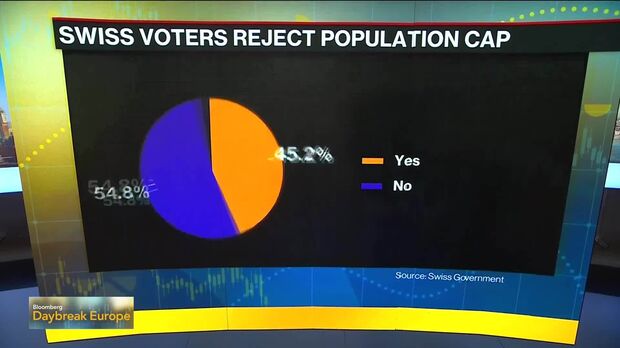
Switzerland's decisive rejection of a population cap initiative (55% voting against) on Sunday represents a critical stability signal for cross-border sellers operating in the Swiss market and broader EU-Switzerland trade corridor. The failed "sustainability initiative" would have capped population at 10 million by 2050 through immigration restrictions, potentially jeopardizing bilateral EU-Switzerland agreements on free movement of people—the legal foundation enabling seamless cross-border commerce, logistics, and workforce mobility that underpins e-commerce operations in this 9.1-million-person market.
Market Stability Impact: Switzerland's 32% foreign-born population (third-highest in OECD) and 23% population growth since 2002 EU border liberalization directly correlates with 24% economic output expansion, demonstrating the consumption-driving effect of immigration. For sellers, this means the Swiss market remains a high-value, growing consumer base with €500B+ annual retail spending. The referendum's rejection—with Geneva rejecting the cap by two-thirds—signals voter preference for continued economic openness and cross-border integration, reducing regulatory uncertainty that could have disrupted supply chains, labor availability for 3PL providers, and consumer purchasing power.
Operational Continuity for Sellers: The preserved EU-Switzerland bilateral agreements ensure continued free movement of goods, services, and workers across borders. This directly impacts: (1) Logistics networks—3PL providers and fulfillment centers operating in Switzerland can maintain staffing and cross-border operations without new restrictions; (2) Consumer demand—the 9.1M Swiss population remains accessible via EU-integrated supply chains, with no new tariff or customs barriers; (3) Pricing stability—no new immigration-driven labor cost pressures or infrastructure strain that could inflate fulfillment costs. The 59% voter turnout and broad opposition from Parliament, the federal government, and EconomieSuisse business association underscore institutional commitment to trade continuity.
Comparative Context: This contrasts with the 2014 "Against mass immigration" initiative that narrowly passed, suggesting voter sentiment has shifted toward recognizing immigration's economic benefits. For sellers, this represents a 10-year trend toward market liberalization rather than restriction, supporting long-term confidence in Swiss market expansion strategies. The referendum's outcome preserves Switzerland's position as a high-income, stable consumer market integrated with EU logistics and regulatory frameworks—critical for premium product categories (luxury goods, electronics, specialty foods) where Swiss consumers demonstrate strong purchasing power and cross-border sellers maintain significant market share.
Questions 7
How does Switzerland's population cap rejection affect cross-border sellers shipping to Swiss markets?
The referendum's 55% rejection preserves EU-Switzerland bilateral agreements on free movement of people and goods, ensuring continued tariff-free access and streamlined customs procedures for sellers shipping into Switzerland's 9.1M-person market. Had the cap passed, it could have triggered renegotiation of these agreements, potentially introducing new tariffs, customs delays, and labor shortages at Swiss fulfillment centers. The outcome maintains current logistics efficiency and consumer purchasing power, with no new compliance costs or shipping delays expected for sellers using established EU-Swiss trade corridors.
What does Switzerland's 24% economic growth since 2002 signal about consumer demand for cross-border sellers?
Switzerland's 24% economic output expansion alongside 23% population growth (driven by EU immigration) demonstrates that immigration-fueled demographic expansion directly correlates with increased consumer spending and market size. For sellers, this indicates the Swiss market is expanding in purchasing power and population simultaneously—a rare combination in developed economies. The referendum's rejection of population caps signals voter confidence in continued economic growth, supporting long-term investment in Swiss market expansion, particularly in premium categories where Swiss consumers show strong cross-border purchasing behavior.