



Ukraine Conflict Escalation Disrupts 140K+ Households | Supply Chain & Demand Shift Alert for Sellers
- Major infrastructure damage in Kyiv/Kharkiv creates emergency product demand surge; electricity outages affect 140,000 residents; cultural heritage destruction signals long-term reconstruction market opportunity













Overview
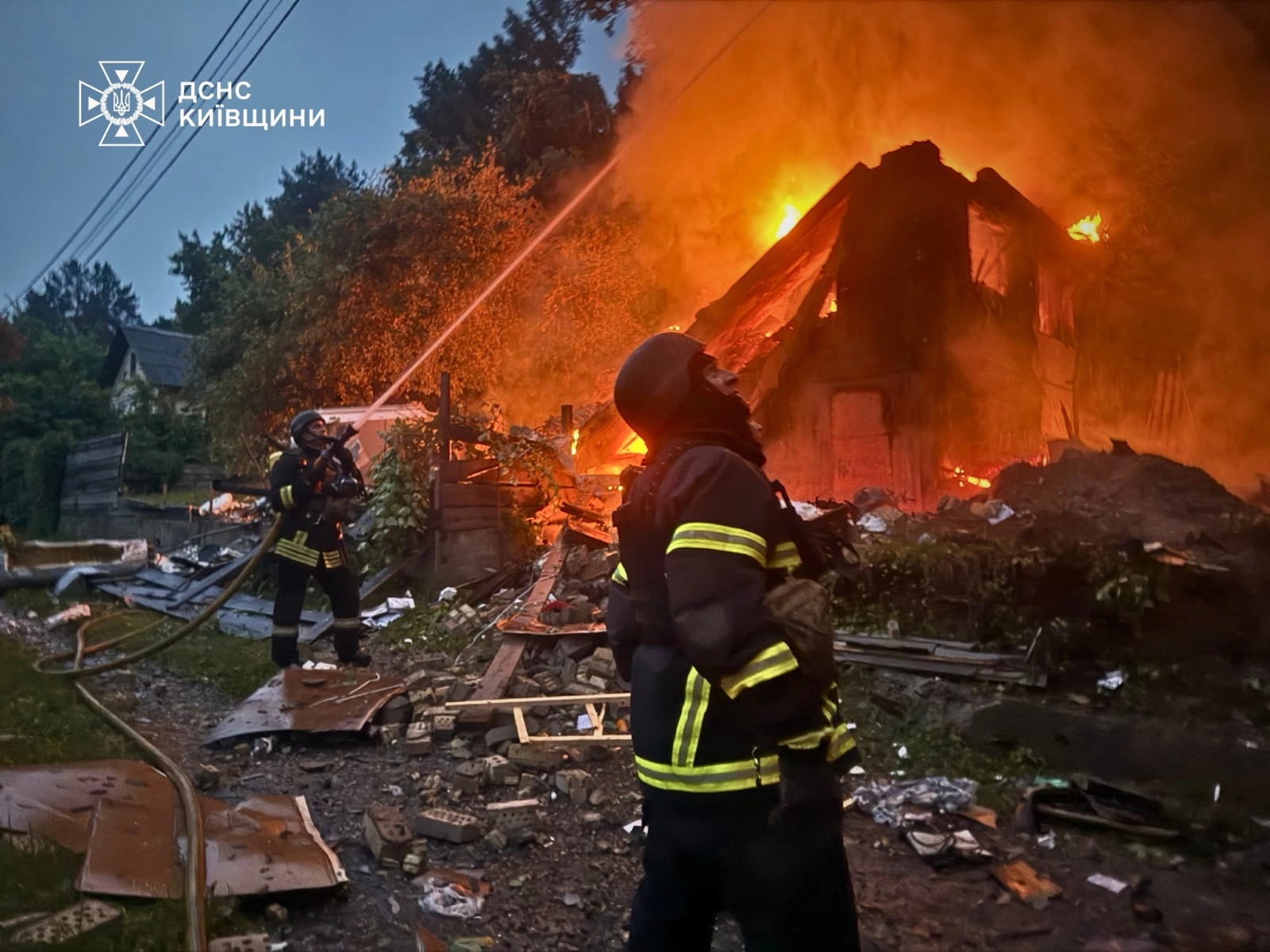
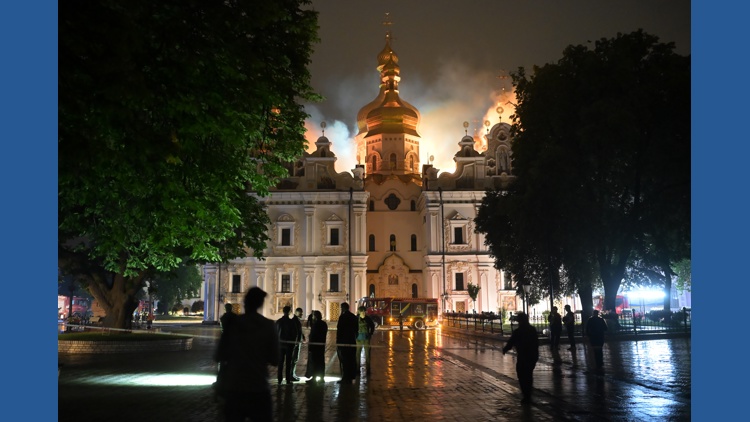
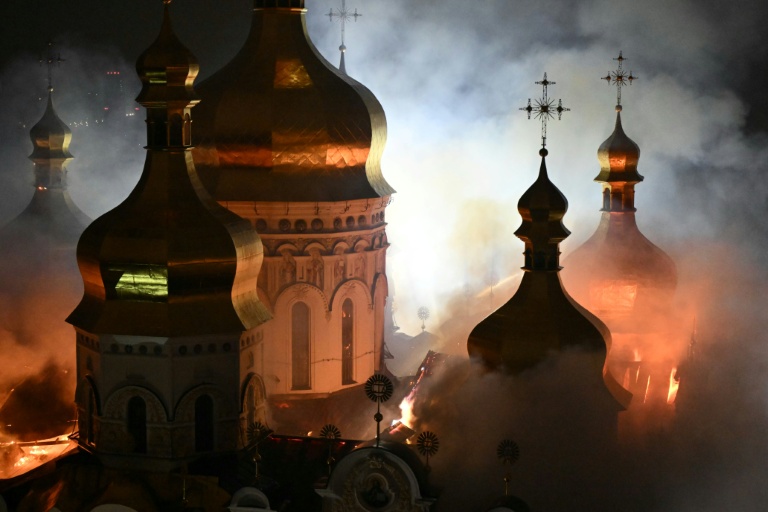
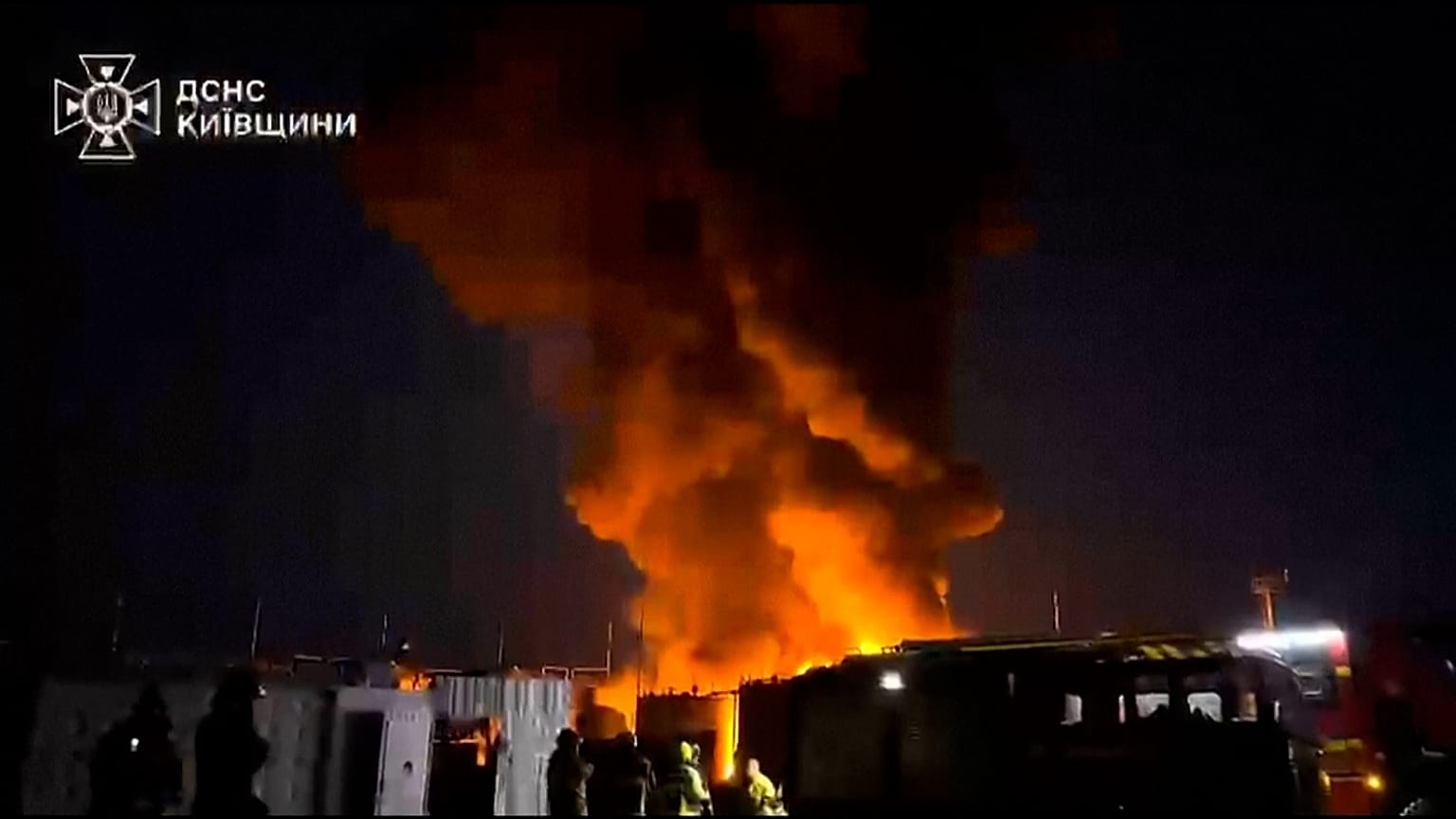
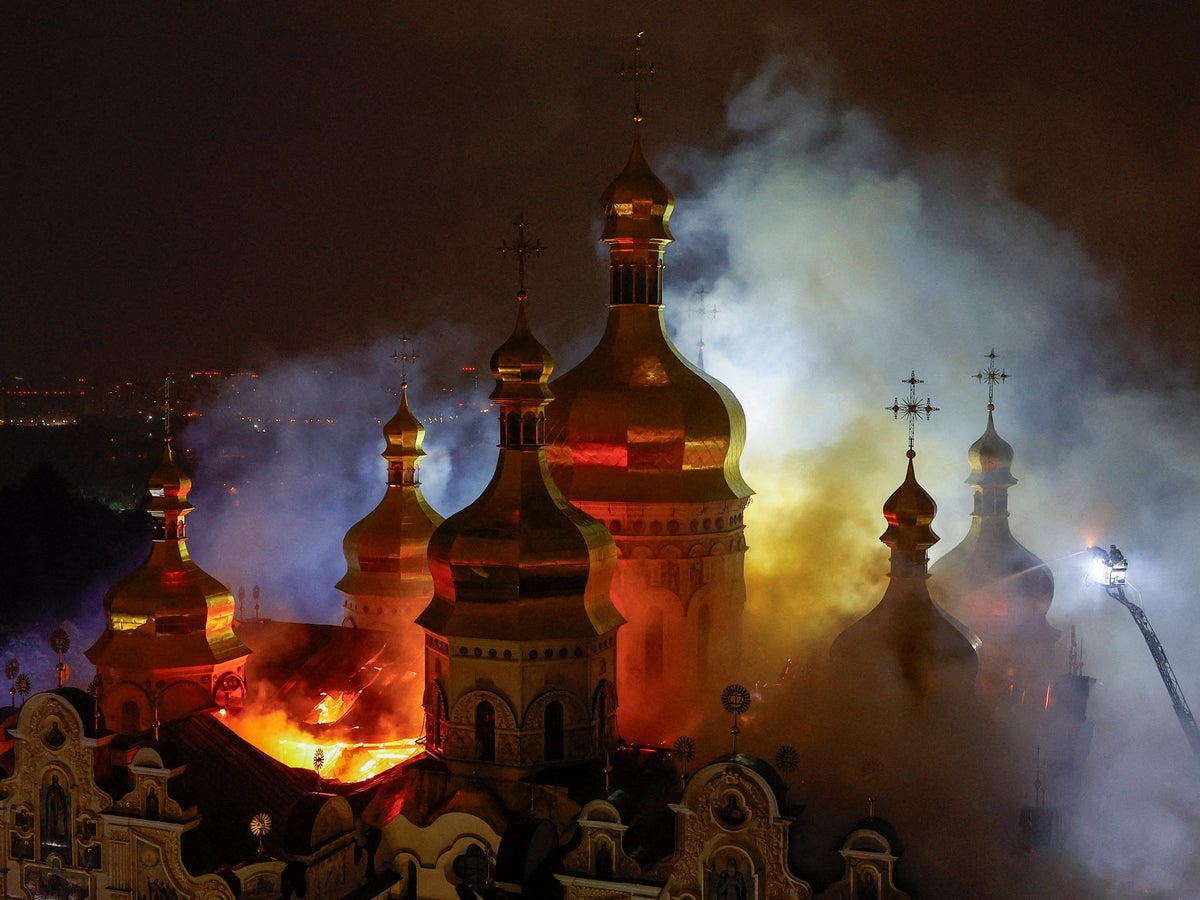
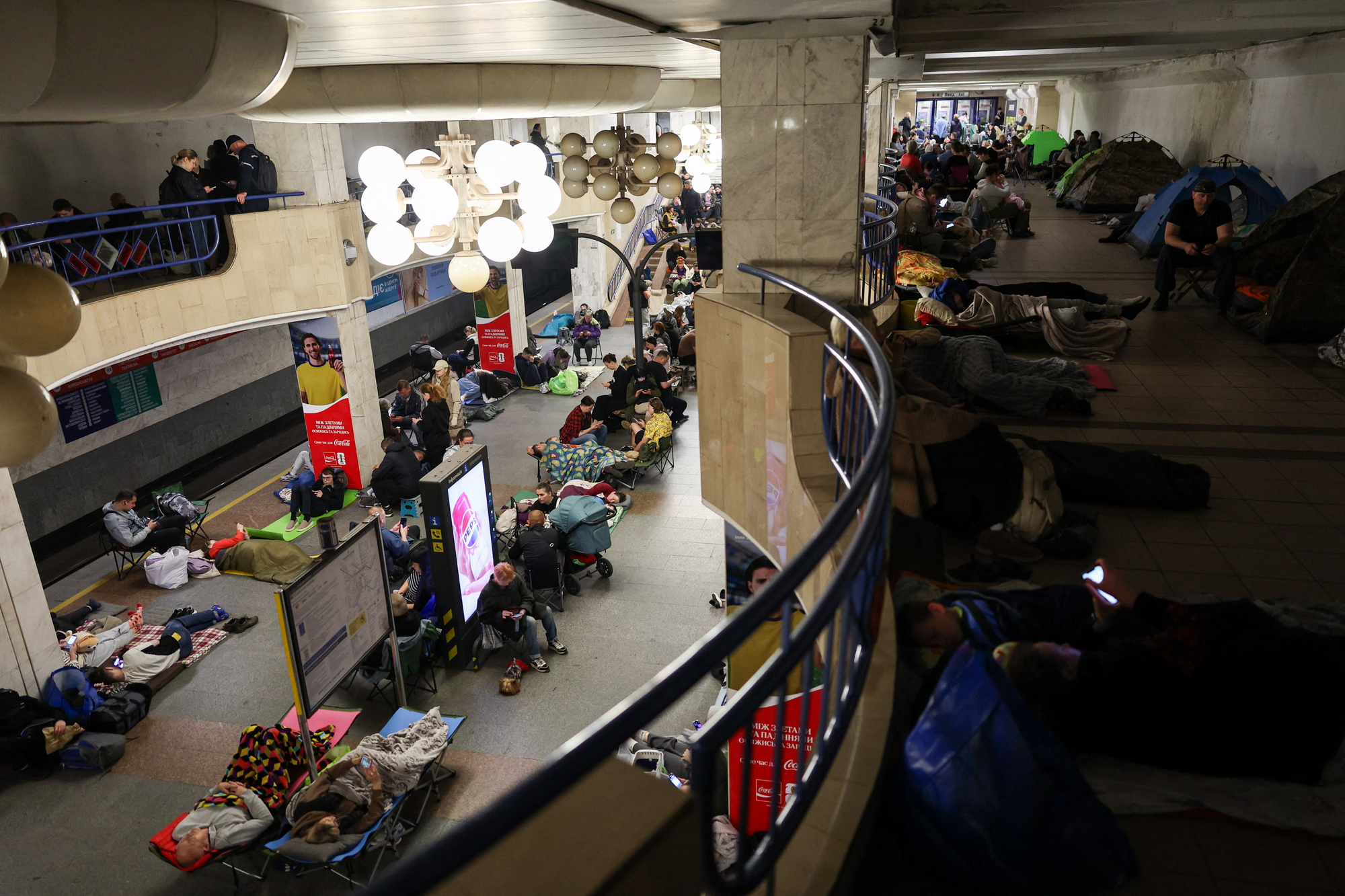
The escalating Russia-Ukraine conflict represents a critical inflection point for cross-border sellers operating in or serving Eastern European markets. Monday's coordinated missile and drone assault on Kyiv and Kharkiv—deploying dozens of Shahed kamikaze drones and 15+ ballistic missiles—killed nine people, wounded 23+ in Kyiv and five in Kharkiv, and knocked out electricity to 140,000 households. The destruction of the 11th-century Dormition Cathedral (UNESCO World Heritage Site) and the Oleksandr Dovzhenko National Film Studios (100,000 garments incinerated) signals both immediate emergency demand and long-term reconstruction opportunities.
Immediate Market Implications: The electricity outages across Kyiv and Kharkiv create urgent demand for backup power solutions, portable generators, battery systems, and emergency lighting—categories that typically see 300-500% demand spikes during infrastructure crises. Sellers with inventory in emergency preparedness, home security systems, and medical supplies should expect accelerated sales velocity in Ukrainian and neighboring Eastern European markets (Poland, Romania, Moldova). The destruction of 800+ square meters at the cathedral and film studios indicates demand for restoration materials, construction equipment, and specialized heritage preservation products—niche but high-margin categories.
Supply Chain Risk Assessment: The ongoing conflict creates logistics bottlenecks for sellers shipping to or through Ukraine. Air raid warnings covering "most of Ukraine" throughout Monday indicate continued operational disruption. Sellers relying on Ukrainian manufacturing hubs or using Ukraine as a transit point for EU-bound goods face 2-4 week delays and potential customs complications. The G7 meeting scheduled for this week (where Ukraine conflict is on the agenda) and recent Trump-Zelensky peace discussions suggest potential policy shifts that could affect tariffs, sanctions, and cross-border trade terms within 1-3 months.
Strategic Positioning: Sellers should monitor three concurrent developments: (1) Emergency product demand in Ukraine/Eastern Europe (immediate, 1-4 weeks); (2) Reconstruction market opportunities post-conflict (3-12 months horizon); (3) Geopolitical policy changes affecting EU-Russia trade (1-3 months). The destruction of cultural heritage sites creates opportunities in specialized categories—restoration supplies, archival materials, museum-quality reproduction products—that appeal to institutional buyers and heritage tourism markets. Sellers with existing Eastern European logistics networks should consider temporary inventory repositioning toward emergency categories, while those without regional presence should evaluate marketplace expansion into Poland and Romania as safer alternatives to direct Ukraine operations.
Questions 8
What supply chain risks should sellers monitor for Ukraine-related disruptions?
Critical risks: (1) Manufacturing delays—Ukrainian suppliers face 2-4 week production delays due to infrastructure damage and air raid warnings; (2) Logistics bottlenecks—customs complications and routing delays for goods transiting through conflict zones; (3) Policy uncertainty—G7 meeting and peace negotiations could trigger tariff/sanctions changes within 1-3 months; (4) Regional instability—neighboring countries (Poland, Romania, Moldova) may experience secondary supply chain effects. Mitigation strategies: Diversify sourcing away from Ukrainian manufacturers; use Poland and Romania as alternative distribution hubs; maintain 2-4 week inventory buffers for Eastern European shipments; monitor geopolitical developments weekly; establish contingency plans for both escalation and de-escalation scenarios. Sellers with existing Ukraine operations should consider temporary suspension of new orders until peace negotiations conclude and policy clarity emerges.
How do major infrastructure attacks in Ukraine affect cross-border sellers on Amazon and eBay?
The destruction of electricity infrastructure serving 140,000+ households creates immediate demand spikes for backup power, generators, and emergency supplies—categories that typically see 300-500% sales increases during infrastructure crises. Sellers with inventory in emergency preparedness, portable power systems, and home security products should expect accelerated velocity in Ukrainian and neighboring Eastern European markets (Poland, Romania). However, sellers shipping directly to Ukraine face 2-4 week logistics delays due to ongoing air raid warnings and customs complications. Diversifying inventory toward safer Eastern European hubs (Warsaw, Budapest) reduces operational risk while capturing regional demand.