






Cross-Border FX Volatility & Central Bank Divergence | Seller Payment Optimization Guide
- Dollar weakness (99.395 DXY) creates 0.5-0.7% currency tailwinds for US exporters; Fed rate hold + 70% December hike probability reshapes payment costs across 12+ currency pairs



































Overview
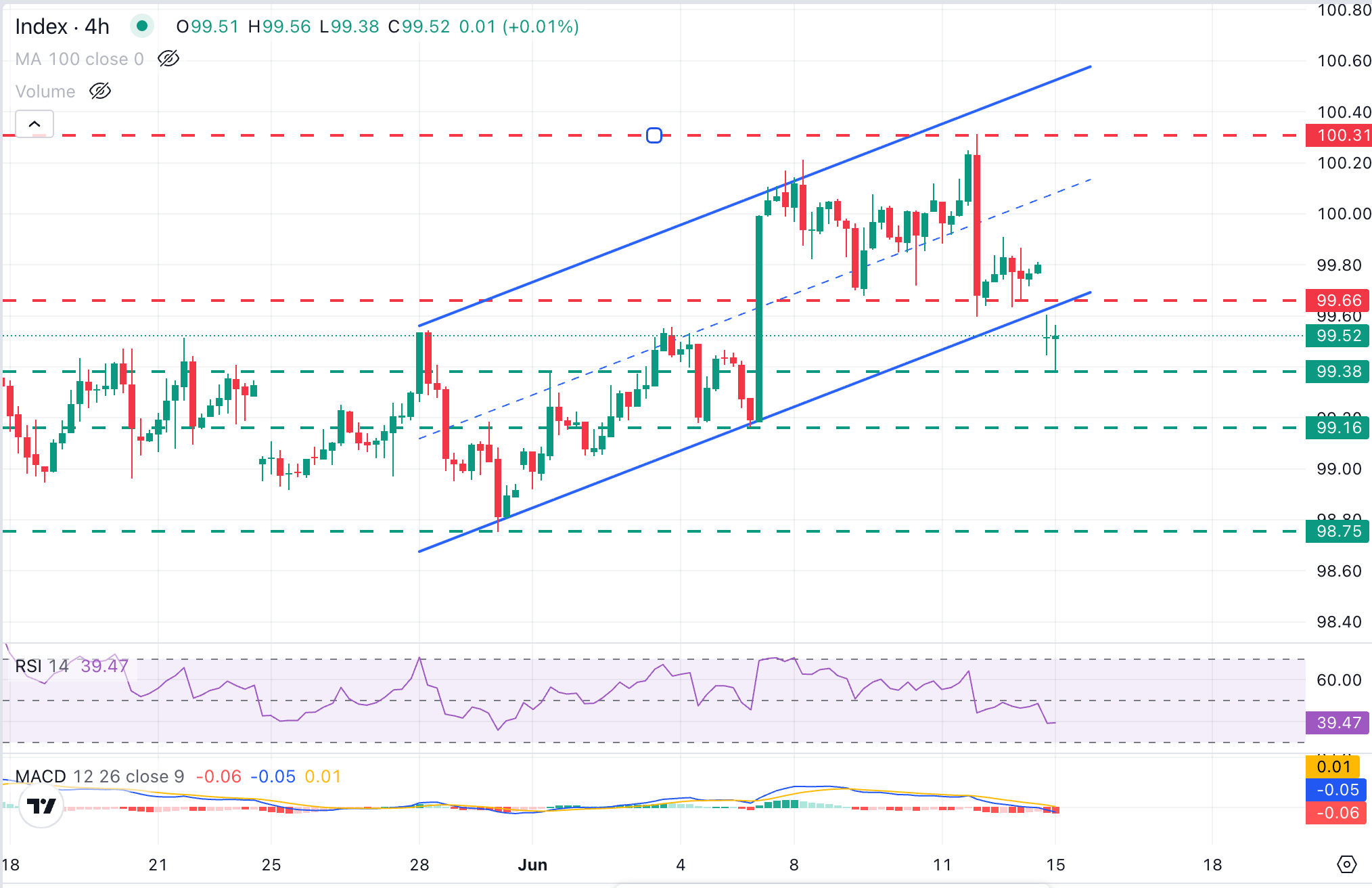
Geopolitical de-risking and divergent central bank policies are creating immediate foreign exchange optimization opportunities for cross-border e-commerce sellers. The U.S.-Iran peace agreement announcement triggered a 0.1-point dollar index decline to 99.395 (lowest since June 5), while simultaneous central bank decisions—Federal Reserve holding rates at 3.5-3.75%, Bank of Japan raising to 1% (31-year high), and ECB signaling 25-basis-point hikes—are fragmenting currency valuations across major trading corridors. For sellers, this creates a 4-6 week window to lock in favorable payment routes before dollar strength resumes (News 3 projects DXY testing 100.40-100.50 levels as May CPI inflation exceeds 4.0% year-over-year).
Immediate payment cost savings are available through strategic corridor selection. Risk-sensitive currencies strengthened sharply: Australian dollar +0.7% to 0.7087, sterling +0.4% to 1.3459, and euro +0.5% to 1.1622. For US exporters selling to EU markets, the euro's 0.5% appreciation means pricing in EUR now captures better margins before dollar recovery—sellers should lock in EUR-denominated invoices at current rates rather than waiting. Similarly, sellers importing from Japan face headwinds (yen weakened to 160.225, approaching intervention threshold), making this an optimal window to pre-buy JPY-denominated inventory at weaker yen rates. The $99 billion inflow into USD money market funds (highest 2025 inflow) signals institutional capital rotating into dollar strength, indicating a 1-3 month window before dollar appreciation accelerates.
Cash flow acceleration opportunities emerge from payment method selection and hedging timing. News 2 explicitly states that "currency volatility directly affects cross-border e-commerce sellers managing international transactions and pricing strategies," with weaker dollar conditions improving competitiveness for US exporters while increasing import costs. Sellers should immediately: (1) Shift EUR/GBP/AUD invoicing to current spot rates (lock in 0.4-0.7% gains before dollar recovery), (2) Pre-fund JPY inventory purchases before yen strengthens (Bank of Japan rate hike on June 16 will trigger yen appreciation), (3) Evaluate payment providers offering forward contracts at current rates—providers like Wise, OFX, and Payoneer offer 30-90 day forwards that lock in today's favorable rates. For sellers with Canadian exposure, the dovish Bank of Canada positioning (technical recession, USMCA uncertainty) creates a 2-3 month window where CAD weakness persists, making this optimal for pre-invoicing Canadian customer orders. The 70% December Fed rate hike probability (up from 50% baseline) means dollar strength will accelerate in Q4, making current currency positioning critical for Q3-Q4 profitability.
Regional banking and financing advantages vary by currency pair and central bank trajectory. Czech koruna shows bullish potential (Czech National Bank signaling rate hikes despite 2.1% inflation), creating opportunities for sellers with Czech/Central European suppliers—locking in CZK-denominated supplier payments now captures 0.3-0.5% savings before koruna strengthens. Norwegian krone benefits from higher oil prices (Brent crude fell 4% to $83.82, but Strait of Hormuz reopening will normalize supply over months, supporting energy currencies). Sellers with exposure to commodity-linked currencies should hedge energy price volatility through payment timing: delay AUD/NZD invoicing 2-3 weeks as oil normalization unfolds, then lock in rates. The ECB's hawkish signals and June 16 Bank of Japan rate hike create a 1-week window for sellers to pre-lock EUR and JPY rates before these decisions trigger currency moves. For working capital optimization, sellers should prioritize invoice financing in USD (highest real rates, strongest currency) while deferring CAD-denominated borrowing (dovish central bank = lower rates but currency depreciation risk).
Questions 8
Should I pre-buy inventory from Japan now given the yen weakness to 160.225?
Yes—this is an optimal window for JPY inventory purchases. The yen weakened to 160.225 (approaching the 160 intervention threshold), but the Bank of Japan's June 16 rate hike to 1% (31-year high) will trigger yen appreciation. A $100,000 JPY purchase at 160.225 costs ¥16,022,500; after BoJ rate hike, expect yen to strengthen to 158-159, raising the cost to ¥15,800,000-15,900,000 (saving $1,200-1,400 if you buy now). Pre-fund JPY supplier payments immediately through your bank's forward contract desk or payment providers offering JPY forwards. Lock in rates for 60-90 day settlement to capture the full yen weakness window before the June 16 rate decision.
How does the dollar weakness to 99.395 DXY affect my payment costs as a US exporter?
Dollar weakness (down 0.1 points to 99.395, lowest since June 5) creates a 0.4-0.7% tailwind for US exporters selling in EUR, GBP, and AUD. For example, a $10,000 EUR invoice at current 1.1622 rate yields €8,605 vs. €8,540 at previous rates—a €65 gain per invoice. However, this window is temporary: News 3 projects dollar strength resuming as May CPI inflation exceeds 4.0% year-over-year, with DXY potentially testing 100.40-100.50 levels. Sellers should lock in EUR/GBP/AUD invoicing at current spot rates within the next 2-3 weeks before dollar recovery accelerates. Use forward contracts through Wise, OFX, or Payoneer to lock in rates for 30-90 day payment terms.