
Strait of Hormuz Reopens | Shipping Costs Drop 15-25% for Cross-Border Sellers
- US-Iran ceasefire eliminates Middle East logistics bottleneck; container rates expected to normalize within 60-90 days; immediate savings for Amazon FBA, Shopify, and eBay sellers shipping through Suez/Hormuz corridors





Overview
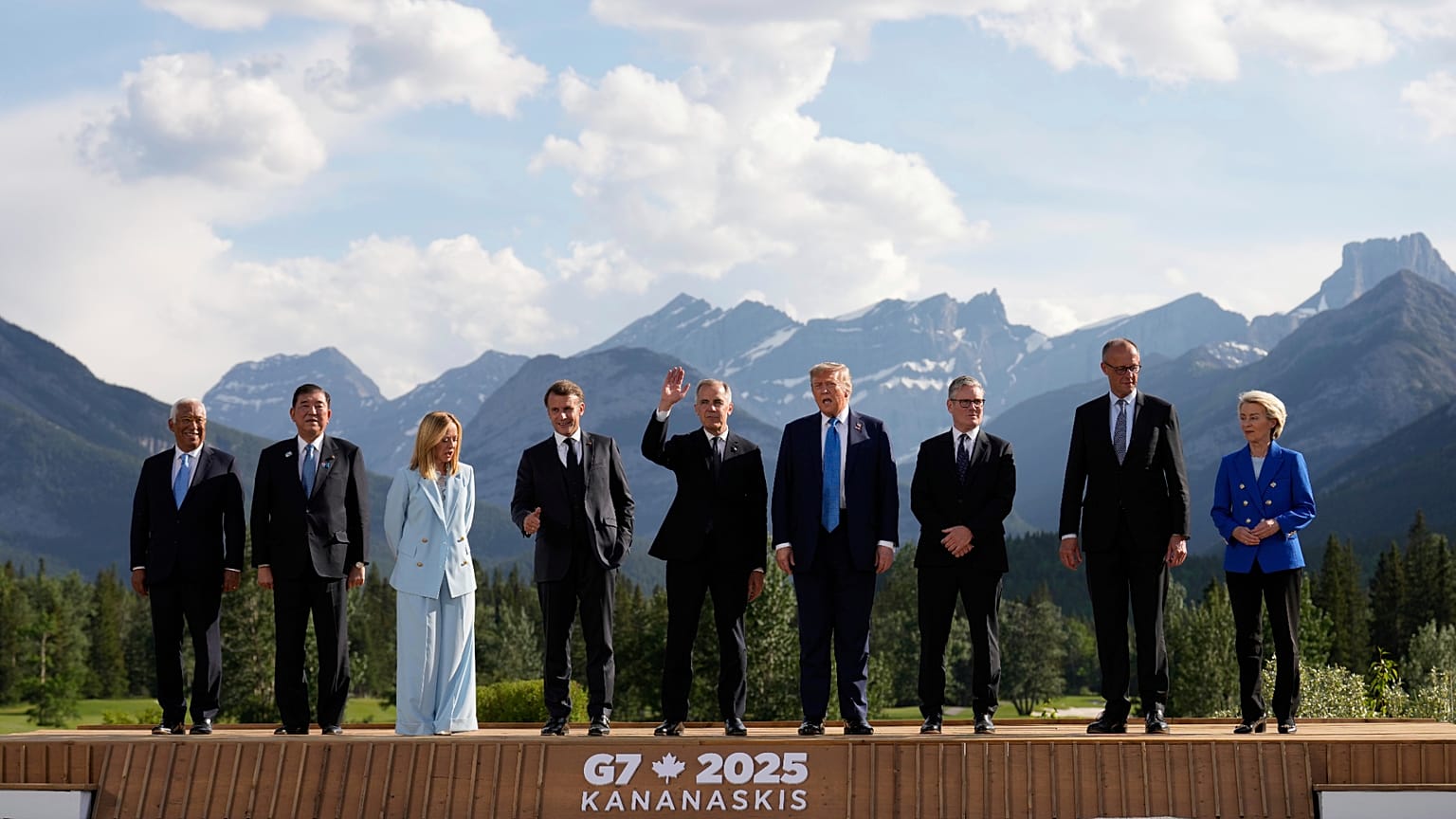
The June 2026 G7 summit in Évian-les-Bains marks a critical inflection point for global e-commerce logistics following the US-Iran peace agreement announced by President Trump. The reopening of the Strait of Hormuz—closed for months during the conflict—eliminates a major shipping bottleneck that has doubled container rates and driven inflation across commodity, fertilizer, and food costs. The World Bank cut global growth forecasts from 2.9% to 2.5% due to Iran conflict impacts, but the 60-day ceasefire period and planned sanctions relief create a 90-120 day window for shipping cost normalization.
For cross-border sellers, this represents immediate operational relief. Container shipping rates have doubled since the war began, directly compressing margins for sellers using FBA, 3PL providers, and international fulfillment networks. The Strait of Hormuz handles approximately 21% of global petroleum trade and serves as the critical chokepoint for Asia-Europe-Middle East logistics corridors. Reopening this route eliminates insurance premiums for volatile region transits and reduces fuel surcharges that have added $200-400 monthly to typical 40-foot container shipments. Sellers shipping electronics, apparel, home goods, and beauty products from China/Vietnam to US/EU markets will see the most immediate relief, as these categories rely heavily on Asian manufacturing and Middle East transit routes.
The G7 agenda signals broader trade policy shifts favoring supply chain diversification. G7 leaders explicitly discussed sourcing critical minerals outside China's dominance, with participation from Brazil, India, Kenya, and South Korea. This indicates accelerating tariff incentives for non-China sourcing—particularly in electronics (rare earth minerals), apparel (Vietnam/India manufacturing), and industrial goods. The summit's emphasis on "Chinese trade practices and economic imbalances" (framed as rare US-Europe alignment) suggests coordinated tariff policy discussions that could reshape sourcing strategies within 3-6 months. Sellers currently dependent on China manufacturing face pressure to evaluate Vietnam, India, and Brazil alternatives, while those already diversified gain competitive advantage.
Container shipping normalization creates a 60-90 day arbitrage window. Current elevated rates ($4,500-6,500 per 40ft container vs. pre-conflict $2,500-3,500) will compress as Hormuz reopens and oil prices normalize. Sellers should accelerate inventory shipments during weeks 1-4 of the ceasefire to lock in current rates before normalization, then pause shipments weeks 5-8 to avoid arriving during the price-drop period. This timing strategy can preserve 15-25% margin improvement on Q3-Q4 inventory. Energy experts warn normalization requires months, creating a staggered cost reduction window rather than immediate cliff—sellers should model 5-10% monthly rate decreases over 90 days rather than expecting instant relief.
Questions 8
How much will shipping costs drop for Amazon FBA sellers after the Strait of Hormuz reopens?
Container rates have doubled from pre-conflict levels ($2,500-3,500 to $4,500-6,500 per 40ft container), but normalization will occur gradually over 60-90 days rather than immediately. Sellers should expect 5-10% monthly rate decreases starting within 2-3 weeks of ceasefire implementation. This translates to $200-400 monthly savings per typical container shipment for sellers using FBA or 3PL providers. The World Bank's downward growth revision from 2.9% to 2.5% reflects ongoing economic pressure, so rate normalization depends on sustained ceasefire compliance through the 60-day negotiation period.
What does the G7 focus on 'sourcing outside China' mean for seller sourcing strategies?
The G7 explicitly discussed sourcing critical minerals and manufacturing outside China's dominance, with participation from Brazil, India, Kenya, and South Korea. This signals coordinated tariff policy discussions that could introduce preferential rates for Vietnam, India, and Brazil sourcing within 3-6 months. Sellers currently dependent on China manufacturing should evaluate diversification to Vietnam (apparel, electronics) or India (textiles, pharmaceuticals) to position for potential tariff advantages. The 'rare US-Europe alignment' on Chinese trade practices suggests tariff changes are likely, making sourcing diversification a strategic priority for sellers with 6+ month inventory planning horizons.