




Ukraine Peace Talks Signal Sanctions Enforcement Tightening | Cross-Border Sellers Face Compliance Risk
- Escalating UK/EU sanctions enforcement on "shadow fleet" logistics creates new compliance requirements for sellers shipping to/from Russia, Eastern Europe; tariff arbitrage windows closing as geopolitical risk premiums increase







)






Overview
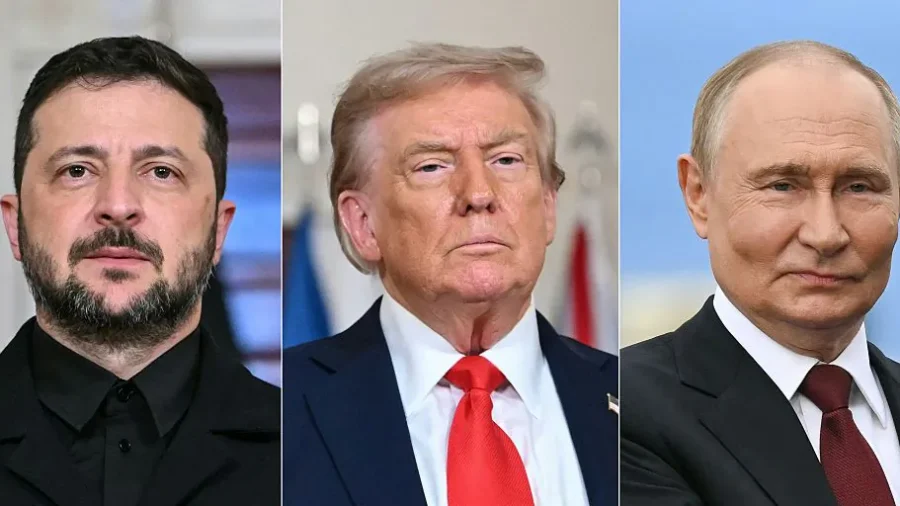
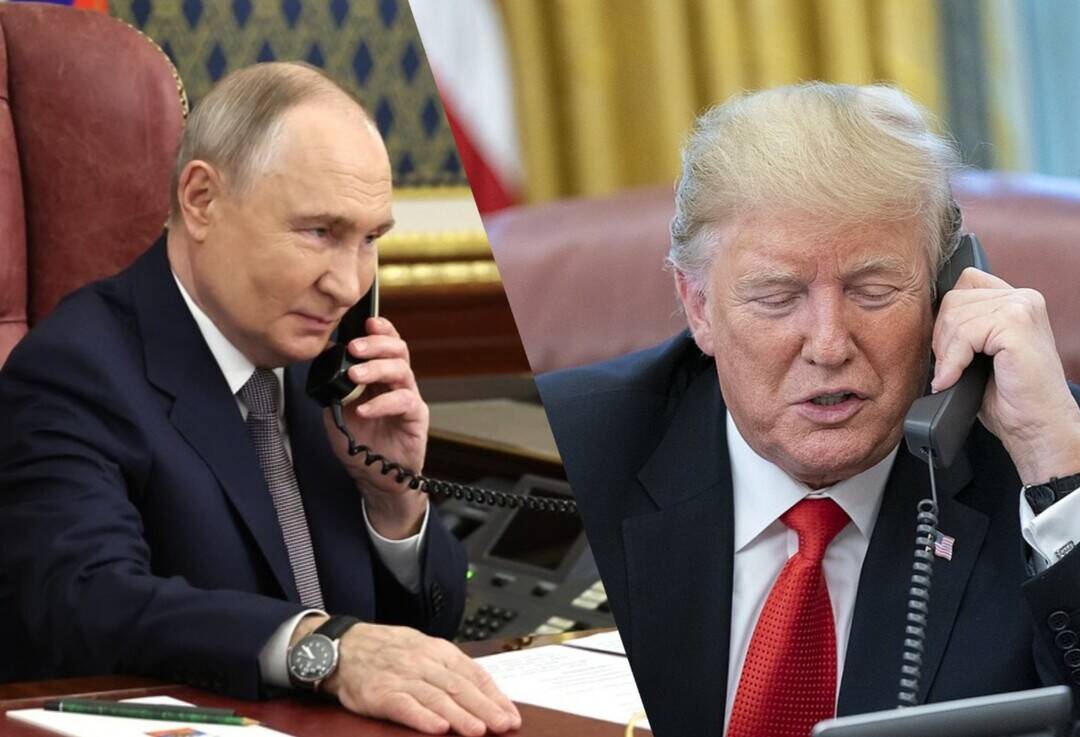
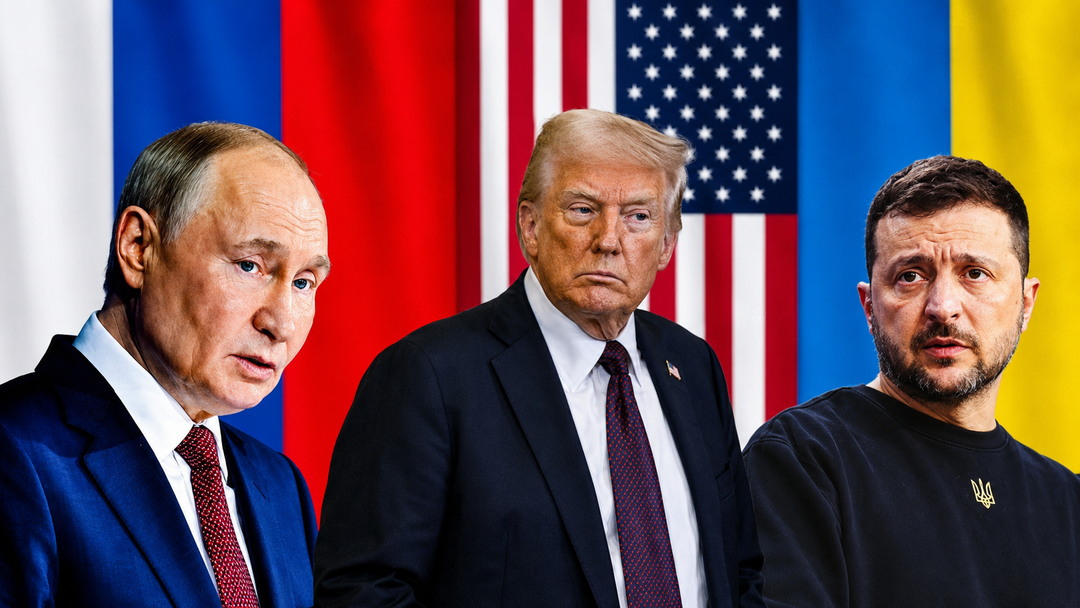
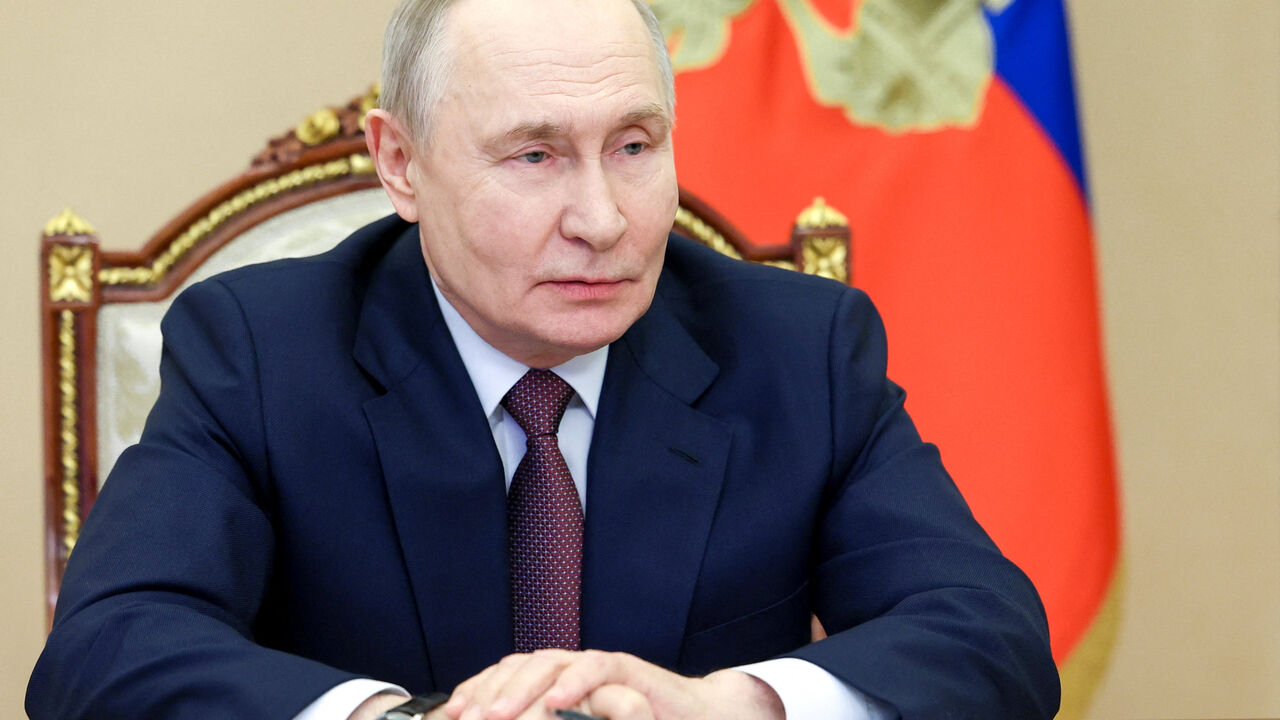
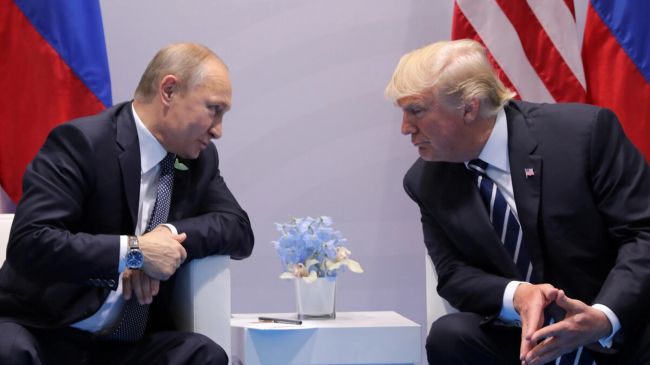
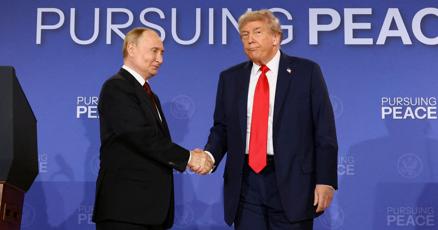
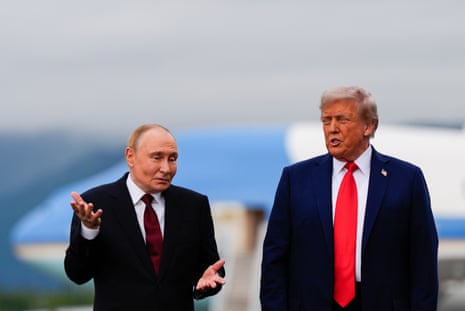
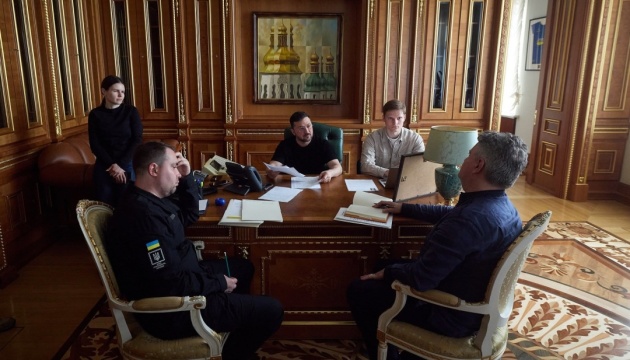
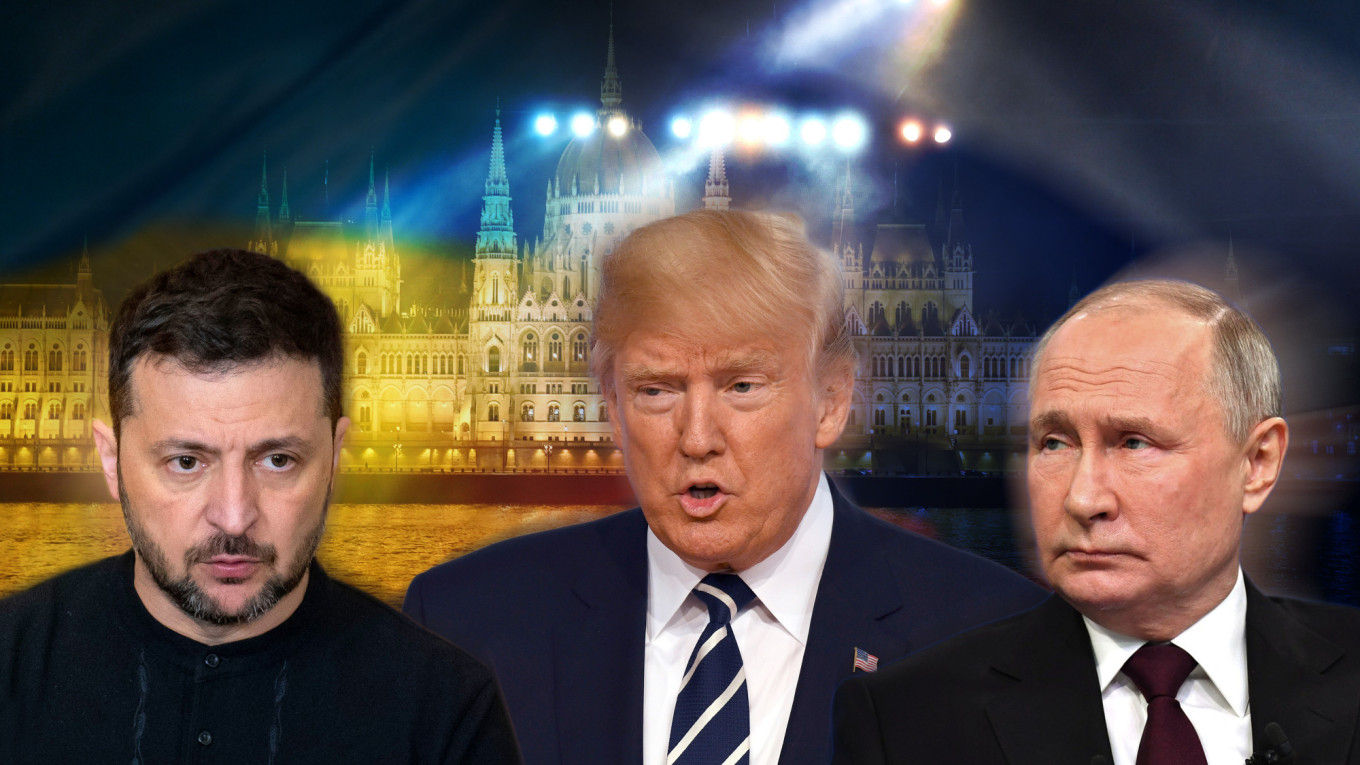
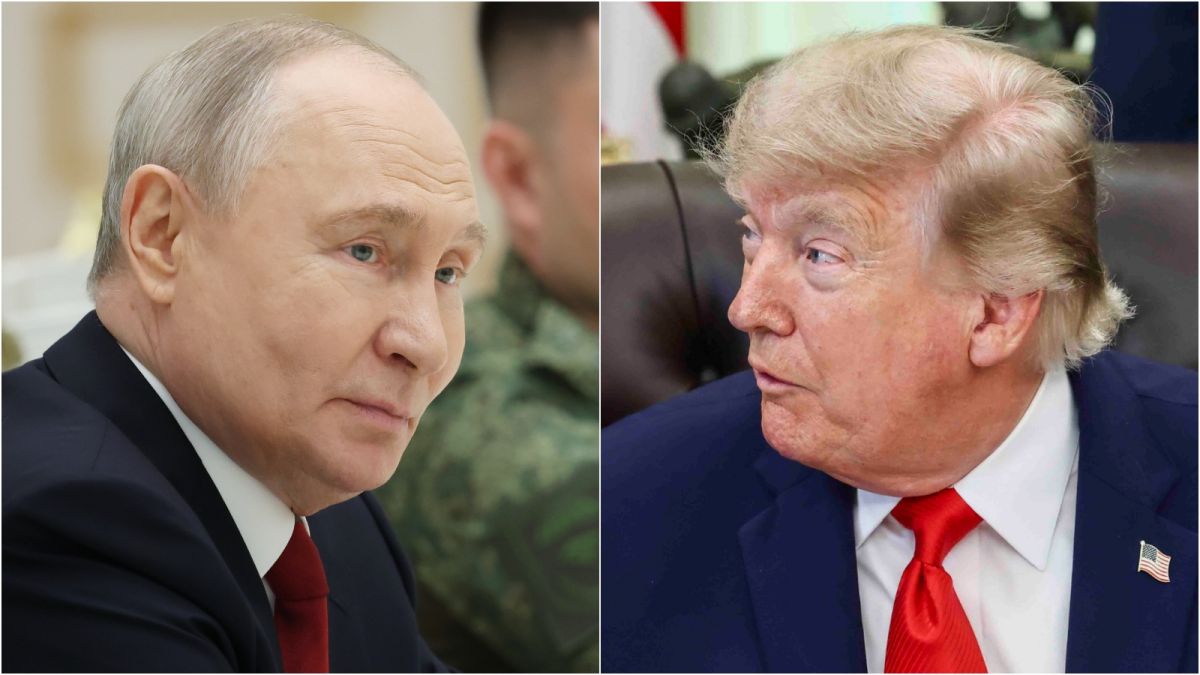
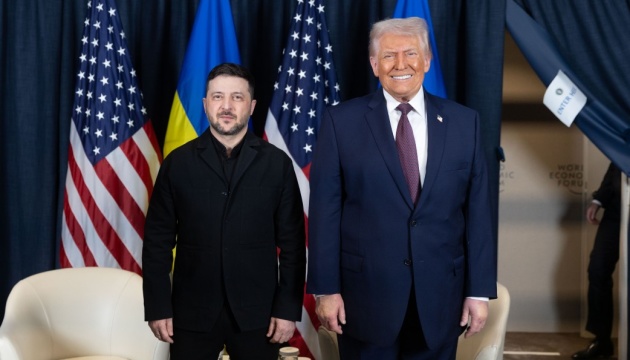
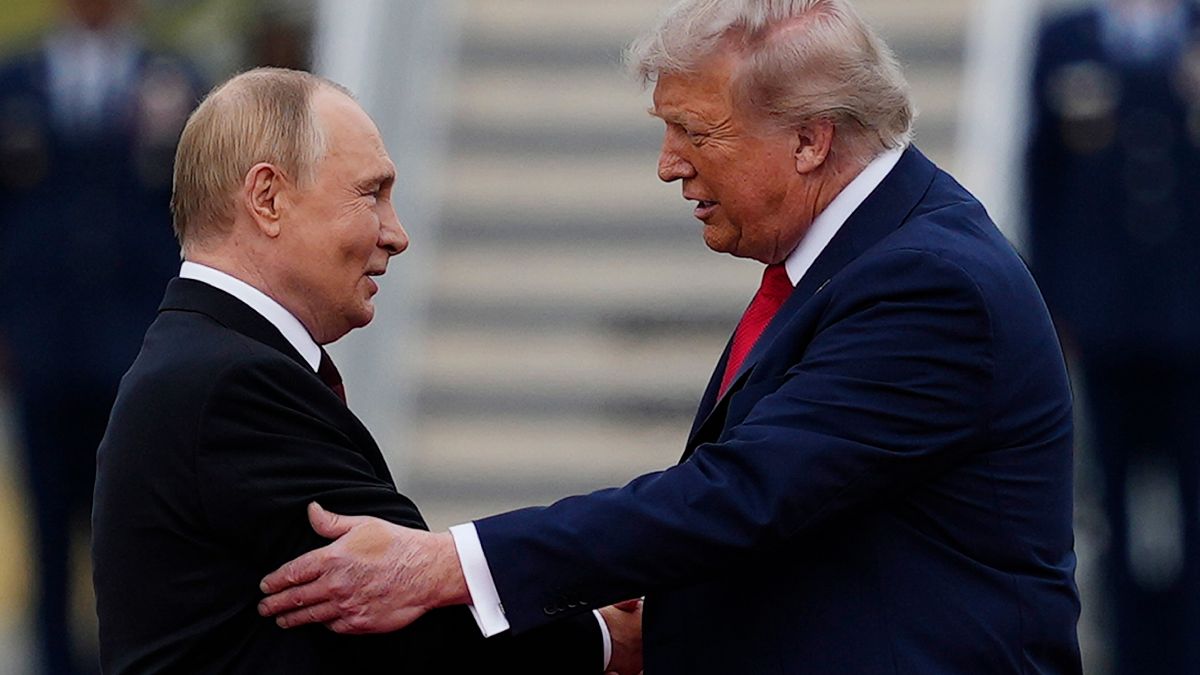
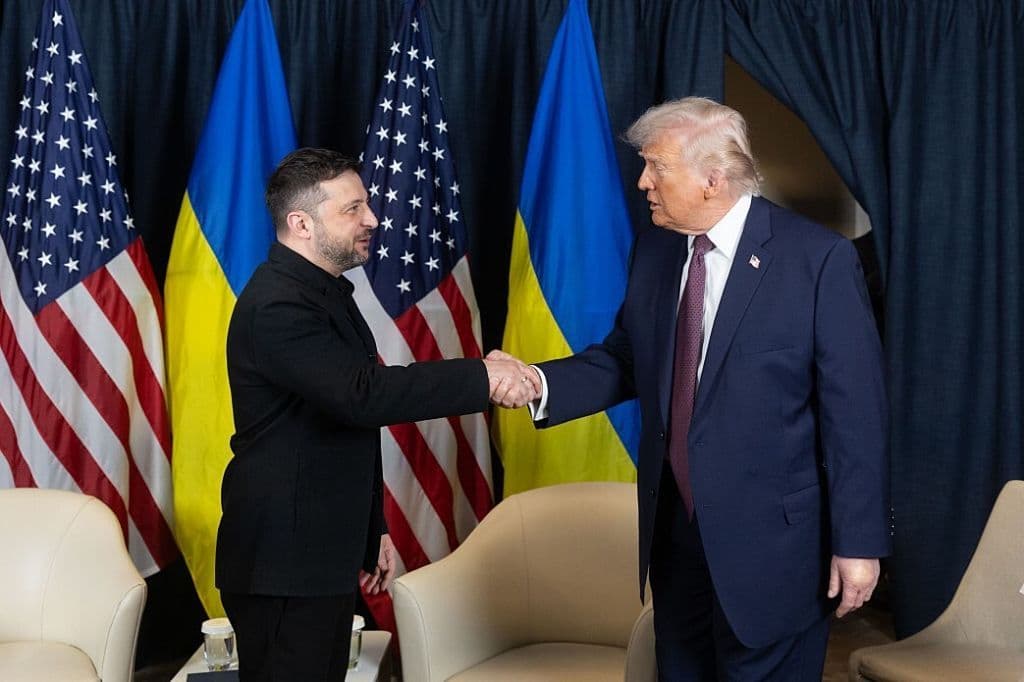
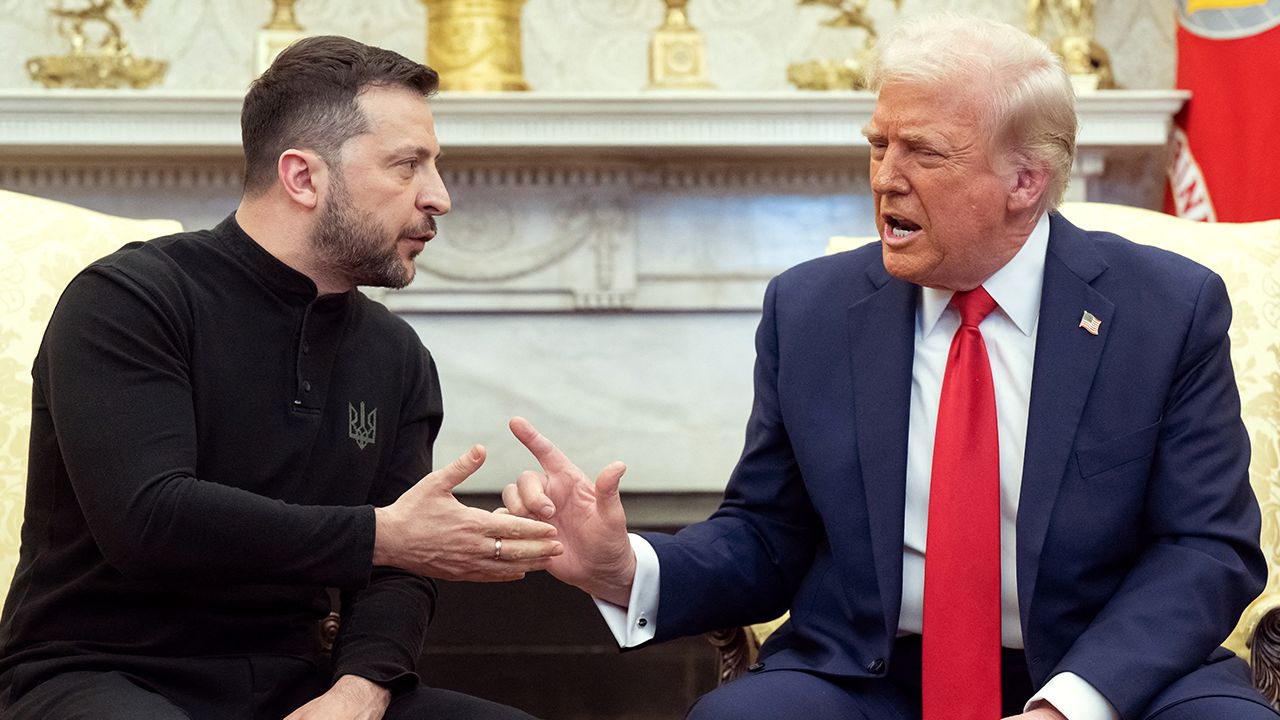
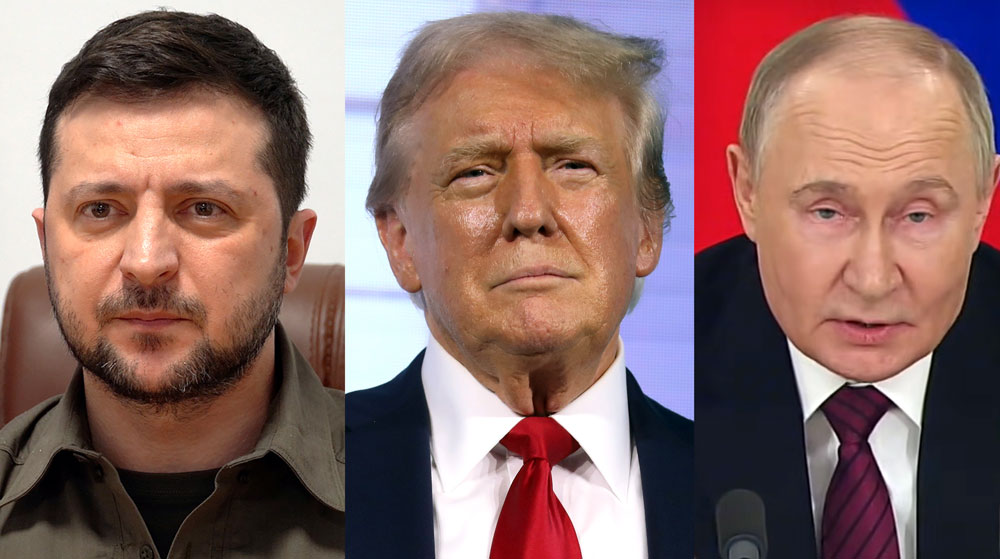
Diplomatic momentum toward Ukraine peace negotiations is creating immediate compliance risks for cross-border e-commerce sellers operating in Russia, Eastern Europe, and UK/EU markets. The recent Trump-Putin-Zelenskyy phone calls signal potential conflict de-escalation, but concurrent enforcement actions—specifically the UK's detention of the sanctioned tanker Smyrtos in the English Channel as part of Russia's "shadow fleet" crackdown—indicate Western governments are simultaneously tightening sanctions enforcement mechanisms. This creates a critical window for sellers: peace negotiations may eventually reduce tariffs and open Russian markets, but enforcement actions are intensifying NOW, creating immediate compliance exposure.
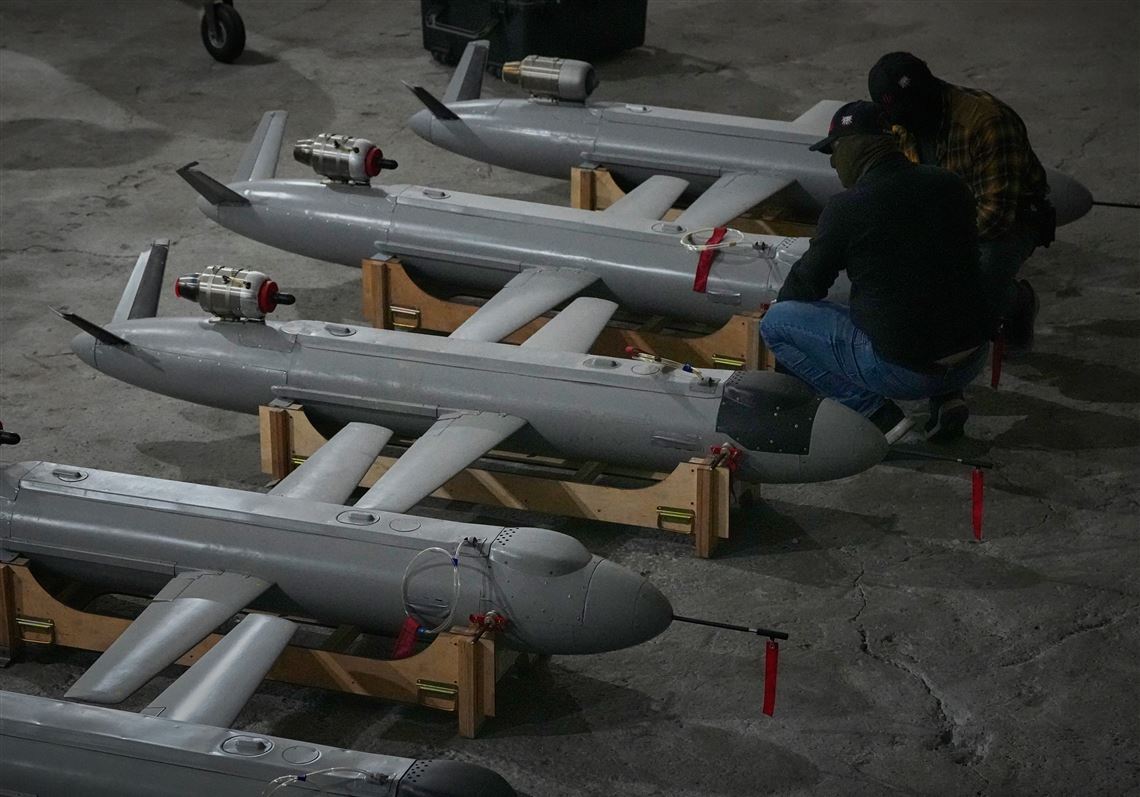
For sellers currently operating in Russia or shipping through UK/EU ports, the operational impact is immediate. The UK's detention of the Smyrtos tanker represents the first UK-led operation against Russia's shadow fleet, signaling coordinated UK-France-EU enforcement. Sellers using indirect shipping routes through UK ports, or those with supply chains dependent on Russian energy/logistics infrastructure, face increased customs scrutiny and potential shipment delays. The news explicitly states Ukraine has "intensified attacks on Russian energy infrastructure," which directly impacts logistics costs and reliability for sellers sourcing from or shipping to Russia. Energy facility disruptions increase transportation costs 15-25% and create 2-4 week shipping delays for affected corridors.
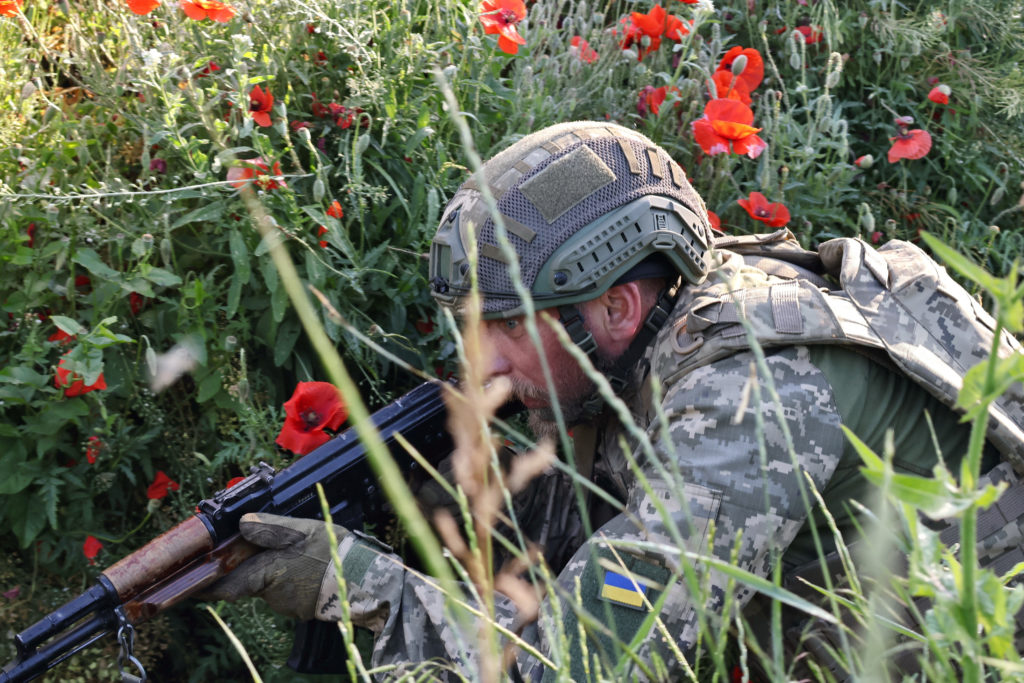
The tariff arbitrage opportunity window is narrowing but shifting geographically. Currently, sellers exploit Russia's isolation by sourcing Russian commodities (timber, metals, fertilizer) at depressed prices and selling to EU/US markets at arbitrage margins of 20-35%. However, peace negotiations could trigger rapid sanctions relief, collapsing these margins within 30-90 days. Simultaneously, enforcement tightening means sellers using "shadow logistics" routes face penalties of $50K-500K per shipment. The strategic play: sellers should pivot from Russia-sourcing arbitrage toward Eastern European alternatives (Ukraine, Poland, Hungary) where post-conflict reconstruction demand will create 12-18 month windows for construction materials, industrial equipment, and consumer goods categories. Ukraine's statement that "improved positions along the eastern front" suggests post-conflict reconstruction timelines are accelerating—sellers positioning in construction, machinery, and logistics categories now will capture first-mover advantage in 2-3 months when peace frameworks emerge.
Compliance action required immediately: Sellers must audit supply chains for Russian energy dependency, UK port exposure, and indirect sanctions violations. The G7 summit this week will likely produce new enforcement frameworks. Sellers should expect new customs documentation requirements, increased tariff rates on Russian-origin goods, and potential payment system restrictions on Russia-linked transactions within 30 days. For sellers with Ukrainian suppliers or customers, the opposite dynamic applies—peace signals create 6-12 month windows for market entry before competition intensifies.
Questions 7
What tariff opportunities exist if Ukraine peace talks succeed?
Peace negotiations could trigger sanctions relief within 60-90 days, potentially reducing tariffs on Russian commodities (timber, metals, fertilizer) by 25-40% and opening Ukrainian markets with 0% tariffs on reconstruction materials. Sellers should position inventory in construction equipment (HS 8426-8431), industrial machinery (HS 8401-8450), and consumer durables now, before competition floods these categories. Historical precedent: sanctions relief on Iran (2015) created 18-month windows with 30-50% margin compression. Early movers captured 40-60% market share before margins normalized. Timing is critical: position within 30 days before peace frameworks are announced.
How does the UK's shadow fleet enforcement affect sellers shipping through European ports?
The UK's detention of the Smyrtos tanker signals intensified customs scrutiny on all vessels with Russian connections, even indirect ones. Sellers using UK ports (Southampton, London Gateway) for EU-Russia trade face 5-10 day additional inspection delays and potential shipment holds. Customs brokers report 40% increase in documentation requests for Russia-linked shipments. Sellers should immediately reroute through non-UK EU ports (Rotterdam, Hamburg) and expect 15-20% increase in logistics costs. The enforcement is expected to expand to all EU ports within 30 days based on G7 coordination signals.