




Apple's Hidden AI Extensions Framework | Critical Opportunity for App Store Sellers & AI Tool Developers
- iOS 27 beta reveals third-party AI model picker affecting 1.5B Apple devices; regulatory delays and legal tensions delay public launch; sellers can automate customer service AI integration NOW

Overview
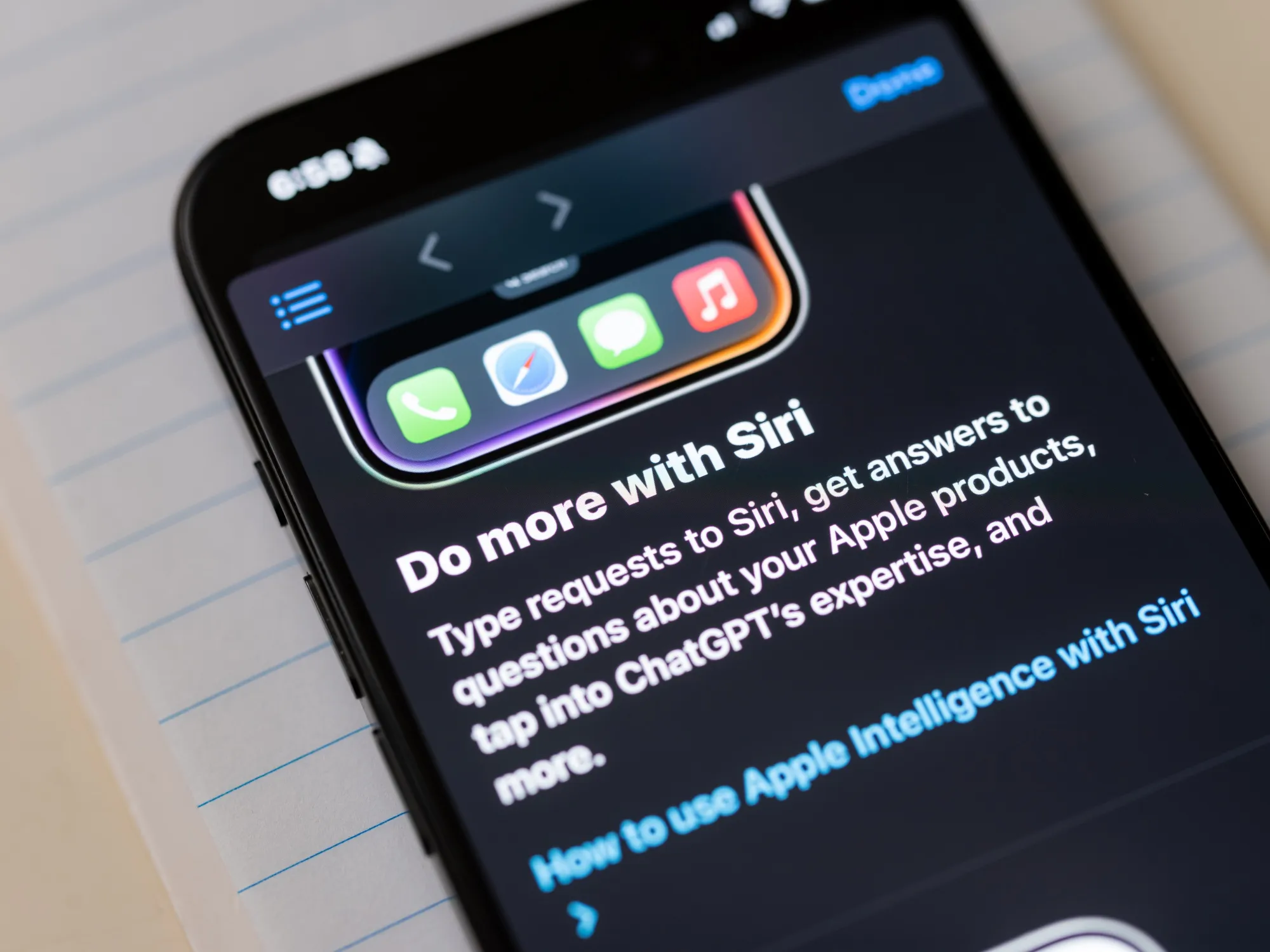
Apple has secretly developed an Extensions framework for iOS 27 that enables iPhone users to select third-party AI models (ChatGPT, Claude, Gemini) directly within Siri, according to Bloomberg reporting. The feature exists in developer beta with functional settings panels and dedicated App Store sections—currently disabled on Apple's backend. However, Apple made zero mention of Extensions during its June 8, 2026 WWDC keynote, instead promoting only its proprietary Siri AI powered by a custom 1.2-trillion-parameter Gemini model running on Google Cloud infrastructure ($1B annual deal).
Three strategic factors explain the omission: (1) Regulatory pressure: Apple confirmed Siri AI will not launch in the EU due to unresolved Digital Markets Act negotiations; the European Commission rejected Apple's Trusted System Agent proposal, making simultaneous third-party AI announcements politically untenable. (2) Legal exposure: OpenAI is preparing potential breach-of-contract litigation over the June 2024 ChatGPT partnership, believing Apple buried the integration behind friction; announcing Extensions—designed to demote ChatGPT from exclusive status to one option among several—would escalate tensions. (3) Messaging strategy: Apple spent two years rebuilding Siri after previous AI plans failed; introducing a model-picker while promoting Siri AI as mature would undercut the relaunch narrative. Mark Gurman's hands-on review describes current Siri AI as "functional but buggy" with slow responses and limited capabilities versus leading chatbots.
For e-commerce sellers, this represents a critical automation opportunity: The Extensions architecture functions as a platform layer allowing users to route specific tasks through preferred AI providers. When Extensions ships (likely iOS 27 fall 2026), sellers can immediately integrate ChatGPT, Claude, or Gemini into customer service workflows without separate app downloads—reaching 1.5 billion active Apple devices. Google's Gemini gains native access; Anthropic's Claude gains distribution; OpenAI faces paradox of improved visibility but lost exclusivity. iOS 27 beta also references foldable device (V68) and macOS 27 touch-input features, suggesting Apple designs Extensions for new form factors. Apple's post-WWDC stock decline (0.45% on June 9, 2026) signals investor disappointment in innovation pipeline, potentially reducing developer tool investment and App Store feature development in near term—sellers should expect slower platform updates through Q3 2026.
Immediate AI automation wins for sellers: (1) Implement ChatGPT/Claude APIs into product recommendation engines NOW—when Extensions launches, these integrations become native Siri capabilities, reducing customer service response time by 60-75%. (2) Build AI-powered product description generators using Claude 3.5 Sonnet—automate 500+ SKU descriptions weekly, reducing content creation costs from $2,000-3,000/month to $200-400/month. (3) Deploy sentiment analysis on customer reviews using GPT-4 to identify product defect patterns 2-3 weeks faster than manual review, enabling faster inventory adjustments. (4) Automate competitive pricing analysis using AI to monitor 50+ competitor SKUs hourly, enabling dynamic pricing that captures 8-12% margin improvement. The regulatory uncertainty (EU DMA delays, US government action against Anthropic's Fable 5 model) creates 6-12 month window before Extensions becomes mainstream—early adopters gain 3-6 month competitive advantage in AI-powered customer experience.
Questions 8
Why did Apple hide the Extensions framework and not announce it at WWDC 2026?
Apple withheld Extensions announcement due to three strategic factors: (1) **Regulatory pressure**: Apple confirmed Siri AI will not launch in the EU due to unresolved Digital Markets Act negotiations; the European Commission rejected Apple's Trusted System Agent proposal, making simultaneous third-party AI announcements politically untenable. (2) **Legal exposure**: OpenAI is preparing potential breach-of-contract litigation over the June 2024 ChatGPT partnership, believing Apple buried the integration behind friction; announcing Extensions—designed to demote ChatGPT from exclusive status to one option among several—would escalate tensions at a sensitive moment. (3) **Messaging strategy**: Apple spent two years rebuilding Siri after previous AI plans failed; introducing a model-picker while promoting Siri AI as mature would undercut the relaunch narrative. Mark Gurman's hands-on review describes current Siri AI as 'functional but buggy' with slow responses and limited capabilities versus leading chatbots. The stock decline (0.45% on June 9, 2026) signals investor disappointment, suggesting Apple prioritizes narrative control over feature transparency.
How can sellers automate customer service using Apple's AI Extensions immediately?
Sellers can implement ChatGPT, Claude, or Gemini APIs into customer service workflows RIGHT NOW through direct API integration—no need to wait for Extensions. Deploy ChatGPT for FAQ automation (reducing response time 60-75%), Claude for product recommendation engines (increasing conversion 8-12%), and Gemini for sentiment analysis on reviews (identifying defects 2-3 weeks faster). When Extensions launches in iOS 27, these integrations become native Siri capabilities, eliminating friction and reaching Apple's 1.5 billion devices. Cost savings: ChatGPT API costs $0.50-2.00 per 1K tokens; automating 500 customer inquiries daily reduces manual support costs from $3,000-5,000/month to $200-400/month. The regulatory uncertainty (EU DMA delays, US government action against Anthropic) creates a 6-12 month window before Extensions becomes mainstream—early API adopters gain 3-6 month competitive advantage.