



Global Electrification Surge Reshapes Supply Chain Costs | Cross-Border Sellers Face 20-30% Logistics Shifts by 2035
- 90% of global businesses expect electrified operations by 2035; Australian green finance surges 32% YoY; warehouse energy costs and 3PL compliance requirements accelerating for international sellers


Overview
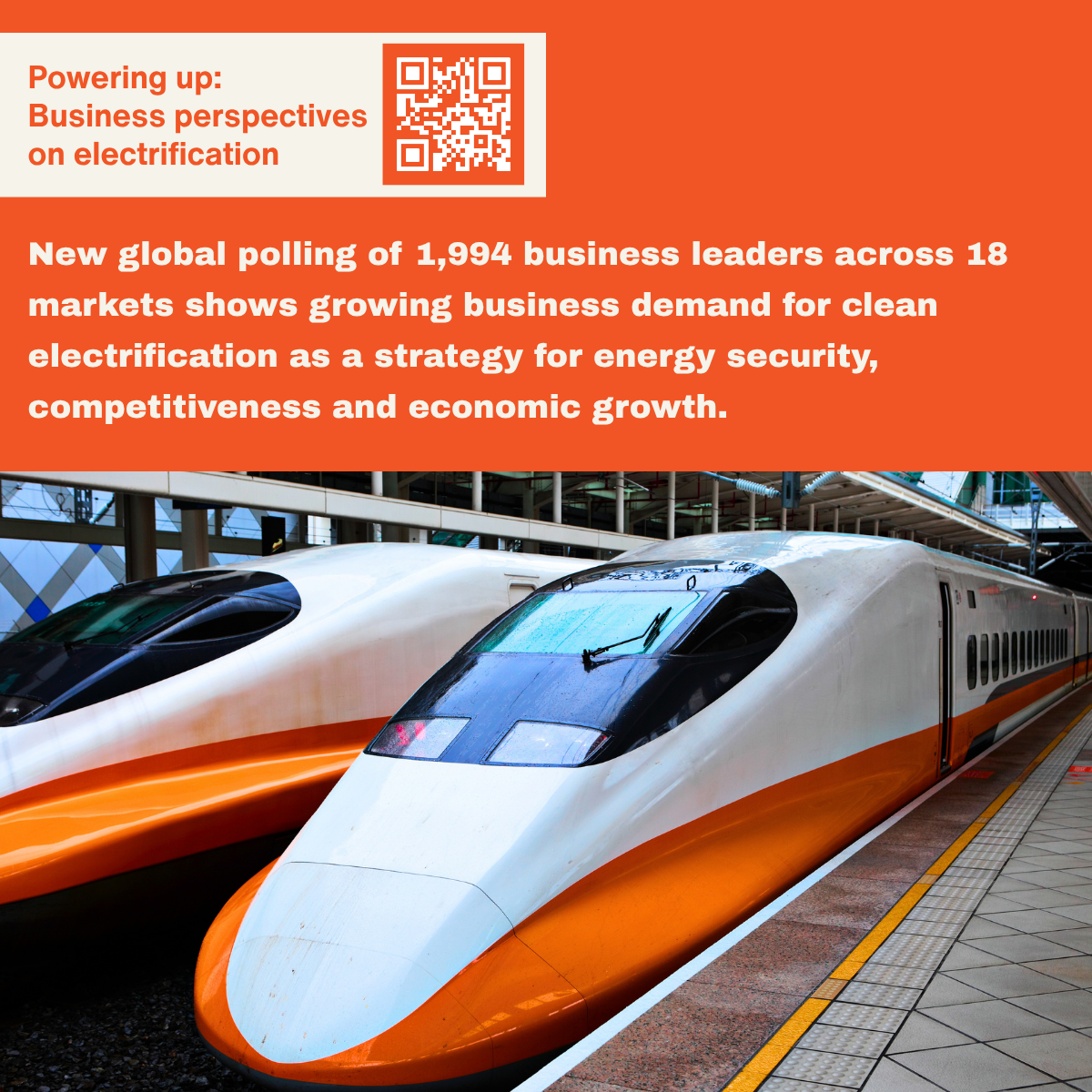
The global business electrification wave is fundamentally restructuring supply chain economics for cross-border e-commerce sellers. A survey of 1,994 corporate executives across 18 countries (conducted April 20-26 by Public First for E3G, We Mean Business Coalition, and Global Renewables Alliance) reveals that 90% expect fully electrified operations by 2035, with 91% citing energy security benefits and 79% reporting that energy instability has accelerated their transition urgency. This represents a critical inflection point: electrification has shifted from peripheral sustainability concern to central operational priority competing directly with other capital expenditures in corporate budgets. For cross-border sellers, the implications are immediate and multifaceted.
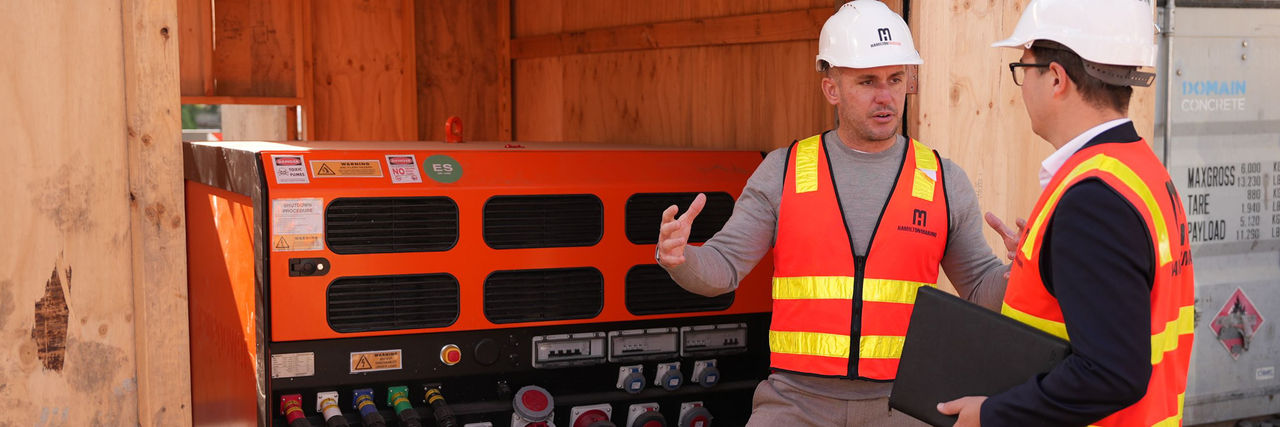
Logistics and fulfillment costs are entering a volatile transition period. Australian data provides the clearest real-world signals: NAB reported green equipment financing nearly doubled between March-May 2025 versus prior year, with electric vehicles representing 50% of financed assets. Construction company Hamilton Marino Builders reduced operational costs by 20-30% through battery-powered cranes, while paint manufacturer Colormaker Industries achieved even more dramatic savings—reducing monthly electricity bills from $2,000 to negative through solar panels and EV fleet charging. However, the Grattan Institute identifies a critical barrier: businesses lack professional support ecosystems for renewable energy installation and maintenance, creating service gaps that may slow adoption among companies without internal expertise. This creates a 2-3 year window where 3PL providers and logistics partners are investing heavily in electrification infrastructure, likely passing transition costs to sellers through temporary rate increases before long-term savings materialize.
Regional energy security vulnerabilities present supply chain risks. The survey emphasizes that 72% of executives express concern that government policies lag business ambitions, while energy instability has become a primary driver of electrification urgency. This suggests that sellers operating in regions with unstable energy systems (parts of Southeast Asia, Latin America, Africa, and emerging markets) face potential fulfillment reliability issues through 2026-2027 as infrastructure transitions. Conversely, sellers with 3PL partners in Australia, EU, and North America benefit from accelerated electrification investments backed by government programs—NAB-CEFC partnership deployed $130M+ in discounted financing to 550+ Australian businesses across manufacturing, transport, and agriculture sectors within the first year. The geographic concentration of 80% of Australian green finance demand in NSW, Victoria, and Queensland signals that electrification benefits cluster in developed logistics hubs, creating competitive advantages for sellers using these regions as fulfillment bases.
Vendor compliance and sustainability requirements are becoming operational mandates. Financial Times survey data confirms that major retailers and logistics providers are implementing electrification programs that directly affect vendor compliance standards. Sellers should anticipate that Amazon, Walmart, Shopify, and other major platforms will increasingly require sustainability certifications and carbon footprint reporting from suppliers—particularly for high-volume sellers and those in electronics, apparel, and home goods categories. This creates a 12-18 month window to audit current 3PL partnerships, warehouse energy sources, and transportation methods before compliance becomes a Buy Box factor or platform requirement.
Questions 8
How will global electrification affect my 3PL fulfillment costs through 2026?
Expect 8-15% temporary cost increases as 3PL providers invest in electrification infrastructure, followed by 15-25% long-term savings by 2028-2030. Australian data shows construction companies achieved 20-30% operational cost reductions through battery-powered equipment, but the Grattan Institute warns that service gaps in renewable energy installation may delay adoption. Your 3PL partner's electrification timeline directly impacts your fulfillment costs—request their green energy transition roadmap and financing status immediately. Sellers using Australian fulfillment centers (NSW, Victoria, Queensland) benefit from $130M+ in government-backed financing deployed through NAB-CEFC partnership, creating competitive advantages for Asia-Pacific sellers.
Which regions face supply chain risks from energy instability during electrification transition?
Southeast Asia, Latin America, Africa, and emerging markets show highest vulnerability through 2026-2027. The survey reveals 79% of executives report energy instability has accelerated electrification urgency, while 91% cite energy security benefits as primary driver. Regions with unstable energy systems lack infrastructure investment to support rapid electrification, creating fulfillment reliability risks. Conversely, Australia, EU, and North America benefit from accelerated government-backed electrification programs—80% of Australian green finance demand concentrates in NSW, Victoria, Queensland. Sellers should diversify fulfillment across stable-energy regions and reduce inventory exposure in high-risk markets during 2025-2026 transition period.