


Hormuz Strait Reopens | Shipping Costs Drop 5-8% for Cross-Border Sellers
- U.S.-Iran deal cuts oil/gas prices; Brent crude down $5/barrel; freight margins improve for Amazon FBA, Shopify sellers shipping globally






Overview
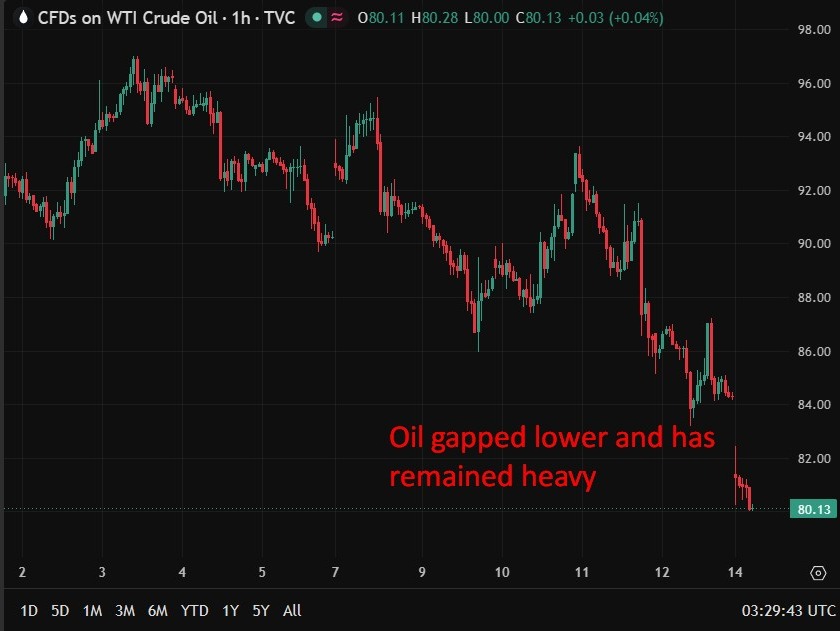
The U.S.-Iran interim agreement to reopen the Strait of Hormuz represents a critical supply chain stabilization event for cross-border e-commerce sellers. The deal, announced by President Trump and effective within 5 days of mine removal operations, immediately triggered energy price corrections: Brent crude fell $5 to $82.96/barrel, WTI dropped $5.70 to $80.07/barrel, and European natural gas (TTF) declined 6.1% to €43.91/MWh. Since the Strait handles approximately 21% of global petroleum daily, this reopening eliminates months of supply uncertainty that inflated logistics costs across international shipping corridors.
For e-commerce sellers, the immediate impact is margin recovery on international fulfillment. Reduced fuel surcharges on ocean freight (typically 3-5% of base rates) and air cargo will lower landed costs for sellers using Amazon FBA, Shopify fulfillment, and third-party logistics providers (3PLs). Sellers shipping from Asia to North America and Europe will see the most significant relief—ocean freight from Shanghai to Los Angeles typically includes $200-400/container fuel surcharges that should compress by $10-20/container as energy prices stabilize. For mid-sized sellers moving 500-2,000 units monthly via air freight, this translates to $150-300/month margin improvement. The deal also reduces hedging costs that logistics providers have passed through to sellers, restoring pricing predictability that enables better inventory planning and margin forecasting.
Strategic implications vary by seller segment and sourcing geography. Sellers with inventory in China, Vietnam, and India benefit most immediately as ocean freight rates normalize. Domestic U.S. sellers using FBA and regional fulfillment see secondary benefits through lower last-mile delivery costs as carrier fuel surcharges decline. The 5-day timeline to full Hormuz reopening creates a narrow window (immediate-4 weeks) for sellers to lock in freight rates before market-wide repricing occurs. Sellers currently holding inventory in transit or planning Q1 shipments should accelerate bookings to capture current rate levels before carriers adjust pricing upward to reflect normalized fuel costs. The restoration of supply chain predictability also reduces working capital tied up in hedging and inventory buffers, freeing capital for product expansion or platform advertising investment.
Questions 8
Which seller segments benefit most from the Hormuz deal?
Mid-sized sellers (annual revenue $500K-$5M) with inventory sourced from China, Vietnam, and India see the greatest benefit, as they rely heavily on ocean freight where fuel surcharges are most significant. Sellers using Amazon FBA with Asia-based suppliers gain 5-8% margin recovery on landed costs. Domestic U.S. sellers benefit secondarily through lower last-mile delivery costs as carrier fuel surcharges decline. Small sellers (<$100K annual revenue) using air freight for fast inventory replenishment also see meaningful relief, though their absolute savings are smaller.
How much will shipping costs drop for Amazon FBA sellers after Hormuz reopens?
Ocean freight fuel surcharges (typically 3-5% of base rates) should decline by $10-20 per container as Brent crude fell $5/barrel and natural gas dropped 6.1%. For sellers moving 500-2,000 units monthly via ocean freight from Asia, this represents $150-300/month margin improvement. Air freight surcharges will compress similarly, benefiting sellers using expedited shipping. The 5-day timeline to full reopening means sellers should lock in freight rates immediately before carriers adjust pricing upward to reflect normalized fuel costs.