


Italy's Political Instability 2026-2027 | EU Policy Risk for Cross-Border Sellers
- Political fragmentation threatens EU regulatory stability; potential policy reversals on Green Deal, immigration, and euro membership create supply chain and compliance uncertainty for 50K+ sellers operating in Italian/EU markets















Overview
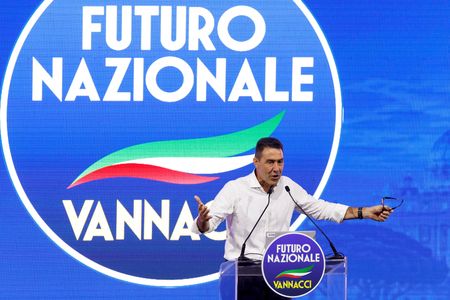
Political Context & E-Commerce Relevance: On June 14, 2026, retired Italian General Roberto Vannacci launched Futuro Nazionale, a far-right political party polling at ~5%, directly challenging Prime Minister Giorgia Meloni's coalition ahead of 2027 elections. This political fragmentation creates significant regulatory uncertainty for cross-border sellers operating in Italy and across the EU. Vannacci's platform proposes abandoning the EU Green Deal, reopening euro membership discussions, and implementing restrictive immigration policies—all of which directly impact e-commerce operations, compliance requirements, and market access for sellers.
Regulatory & Compliance Impact: The news indicates potential policy reversals that affect multiple seller operations. Vannacci's anti-EU Green Deal stance threatens carbon compliance requirements that currently govern packaging, shipping, and product certifications for sellers shipping to Italy and EU markets. His proposal to reduce Italy's foreign population from 12% to 4% through mass deportations signals potential restrictions on cross-border logistics operations, warehouse staffing, and 3PL provider access. The uncertainty around euro membership reopens currency risk for sellers pricing in EUR, potentially affecting margin calculations and payment processing through platforms like Amazon EU, eBay Europe, and Shopify with EUR-based storefronts. Political instability typically triggers currency volatility—the euro could experience 3-8% fluctuations if coalition collapse occurs, directly impacting seller profitability on EUR-denominated sales.
Market Fragmentation & Business Continuity: The defection of lawmakers from Meloni's coalition to Futuro Nazionale creates governance instability that historically delays policy implementation and creates regulatory gaps. Sellers relying on predictable Italian VAT compliance, customs procedures, or product certification timelines face 6-12 month delays if government transitions occur. The 2027 election timeline (8-12 months away) creates a "policy limbo" period where new regulations may be frozen, existing enforcement may weaken, or sudden reversals could occur. Vannacci's nationalist economic policies—including family tax incentives and child-related benefits—signal potential shifts in consumer spending patterns, with increased household disposable income potentially boosting demand for family-oriented products (children's apparel, home goods, educational products) in the Italian market. However, the anti-immigration stance threatens the labor-intensive logistics and fulfillment sectors that depend on migrant workers, potentially increasing 3PL costs by 8-15% if workforce restrictions are implemented.
Seller Action Priorities: Immediate steps include auditing current Italian market exposure and EUR currency hedging strategies. Sellers should review VAT compliance documentation and consider shifting 10-20% of inventory to alternative EU warehouses (Germany, Netherlands, Poland) to reduce single-country regulatory risk. Monitor Futuro Nazionale's polling trajectory—if the party reaches 8-10% support, probability of coalition collapse increases significantly, warranting accelerated contingency planning. For sellers with 50%+ revenue from Italy, consider diversifying to Spain, France, or Germany markets to reduce political risk concentration. Track euro volatility indicators and consider forward contracts for EUR-denominated revenue if exposure exceeds €50K monthly. Compliance teams should prepare for potential Green Deal policy reversals by documenting current certifications and maintaining flexibility in packaging suppliers.
Questions 7
Will Vannacci's anti-immigration policies affect my 3PL and logistics costs in Italy?
Yes, significantly. Vannacci's proposal to reduce Italy's foreign population from 12% to 4% targets the migrant workforce that staffs Italian warehouses and logistics operations. If implemented, 3PL costs could increase 8-15% due to labor shortages and wage pressures. Sellers relying on Italian fulfillment should begin diversifying to alternative EU logistics providers in Poland, Czech Republic, or Hungary where labor costs are lower and political risk is reduced. Review current 3PL contracts for force majeure clauses and begin negotiations with backup providers immediately. Budget for potential cost increases of €0.50-1.50 per unit for Italian-based fulfillment by Q2 2027.
What currency risks should I monitor if I sell heavily in the Italian market?
Vannacci's proposal to reopen euro membership discussions creates EUR volatility risk. Historical precedent shows currency fluctuations of 3-8% during political uncertainty in eurozone countries. Sellers with 50%+ EUR-denominated revenue should implement forward contracts or currency hedging strategies to protect margins. If euro membership becomes a serious political debate, expect increased volatility in Q3-Q4 2026 and Q1 2027. Consider pricing EUR-based products with 2-3% margin buffer to absorb potential currency swings, or shift pricing to USD/GBP for international customers to reduce exposure.