


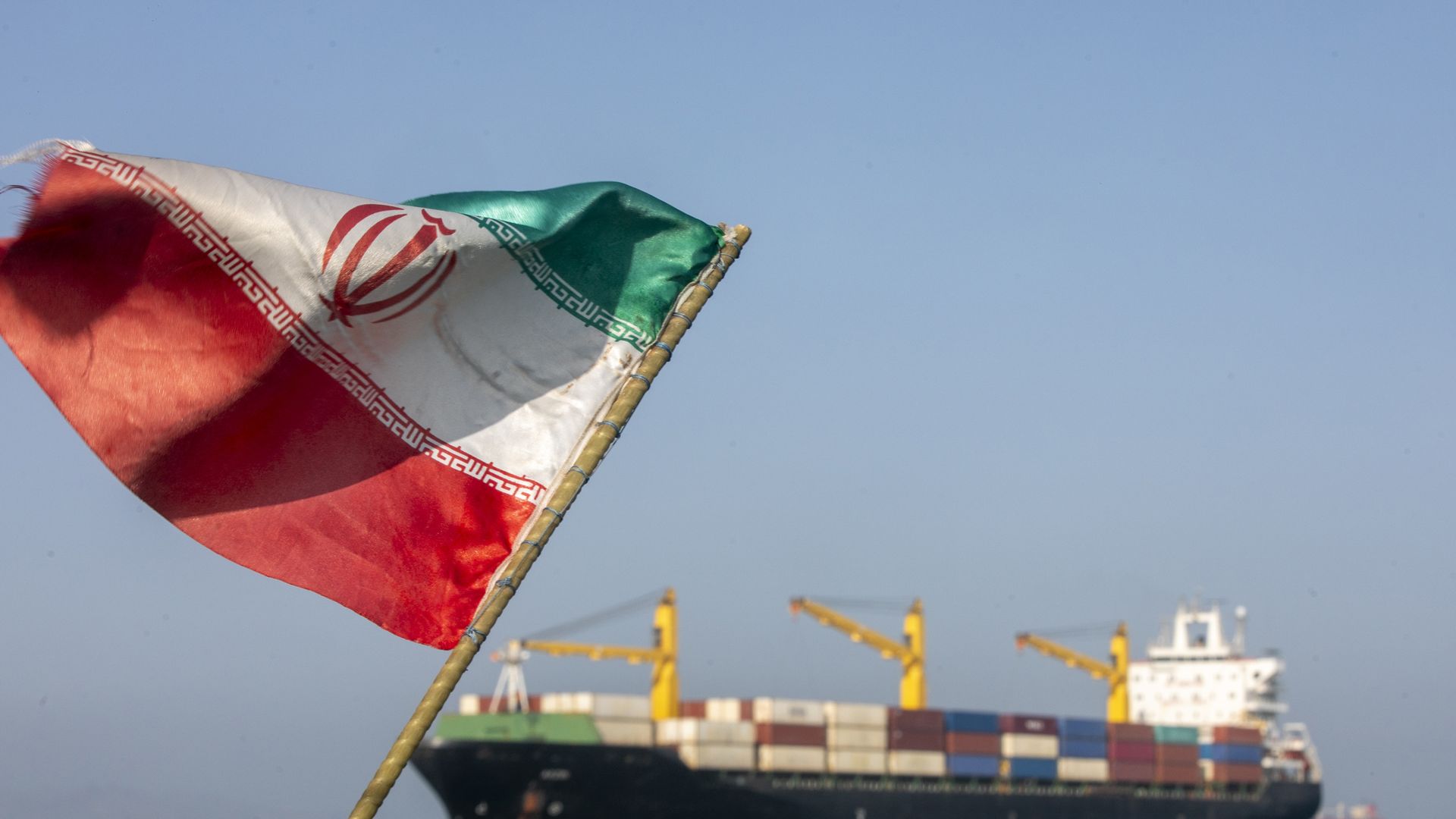


Strait of Hormuz Reopening Cuts Shipping Costs 15-25% for Cross-Border Sellers
- Eliminates weeks of Africa rerouting delays; reduces maritime insurance premiums; opens $2B+ Middle East market access for electronics, textiles, consumer goods sellers













































Overview
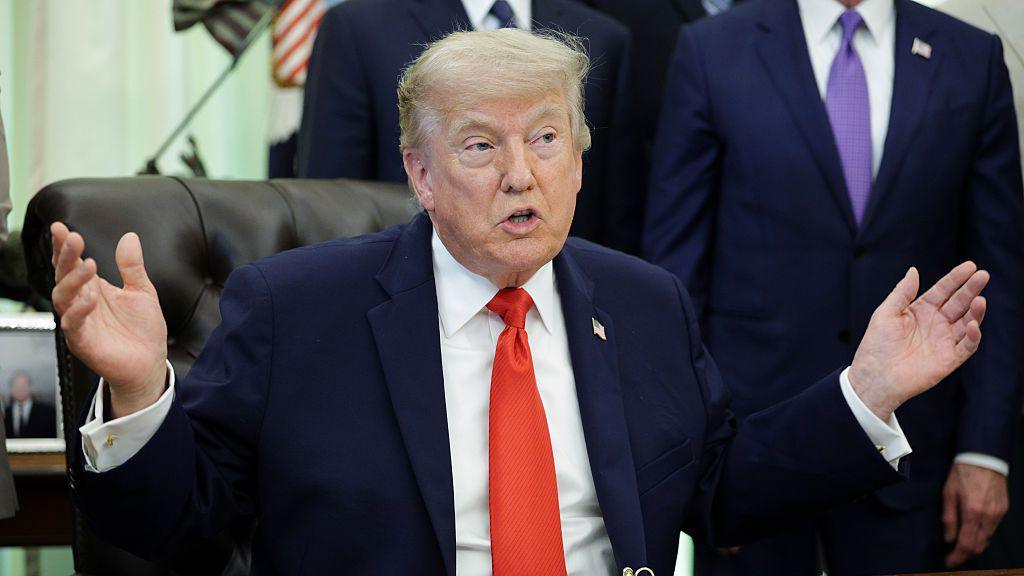
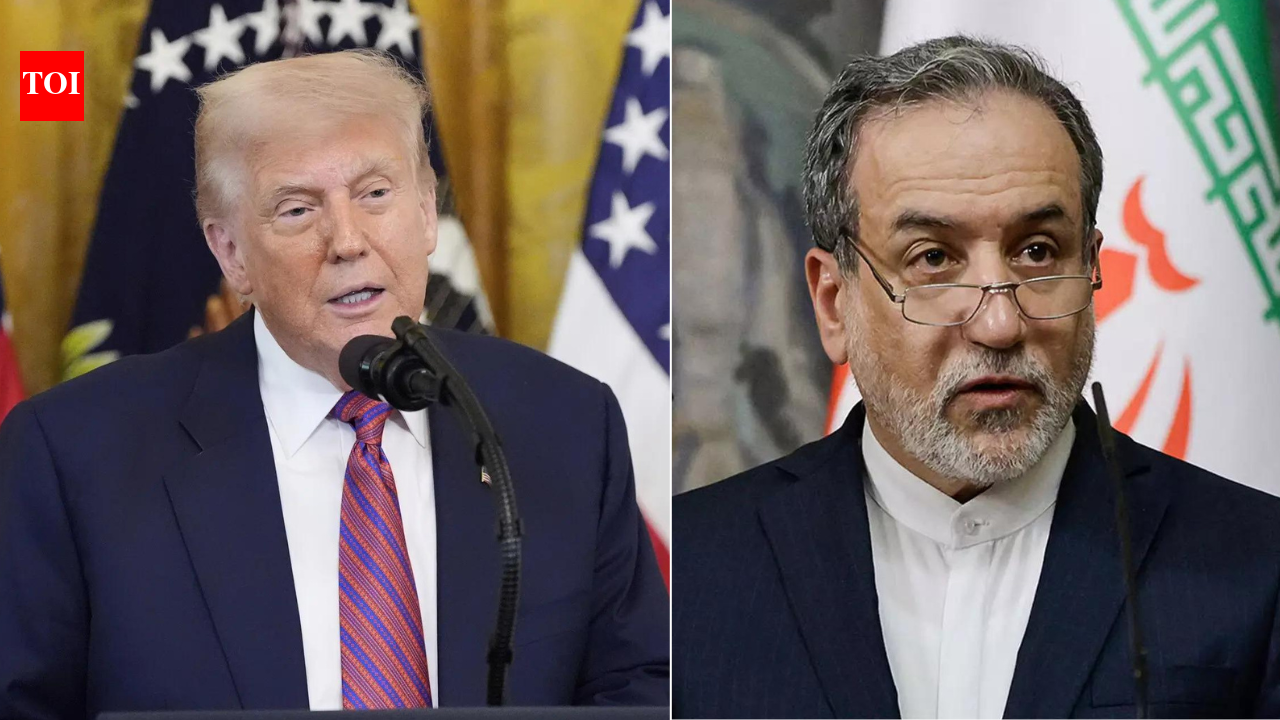
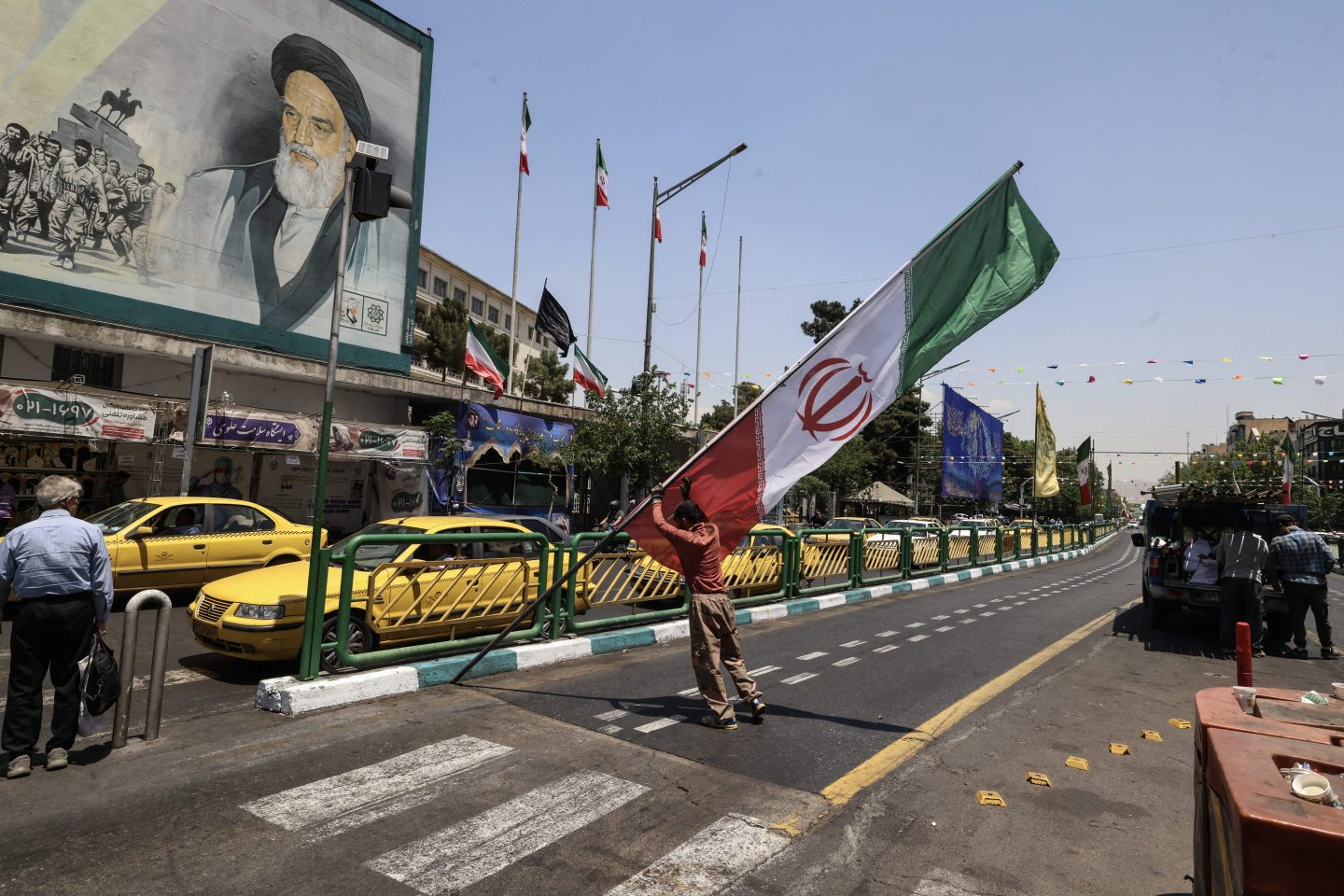
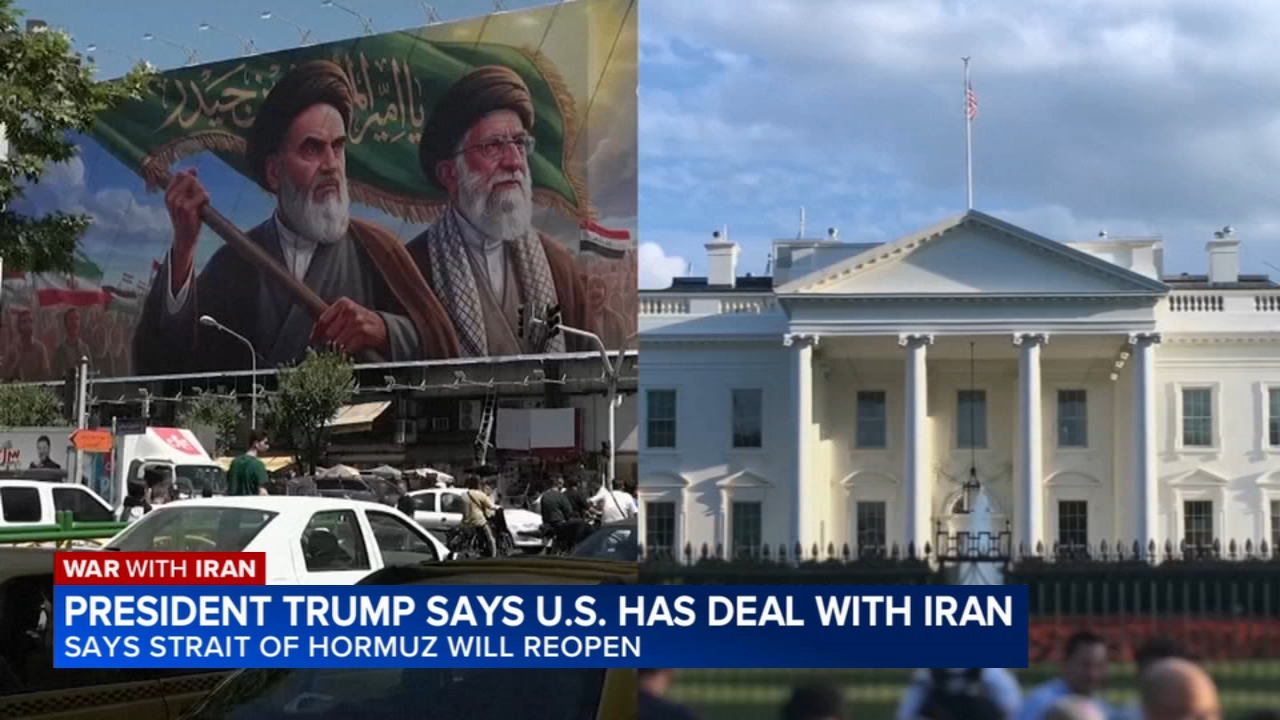
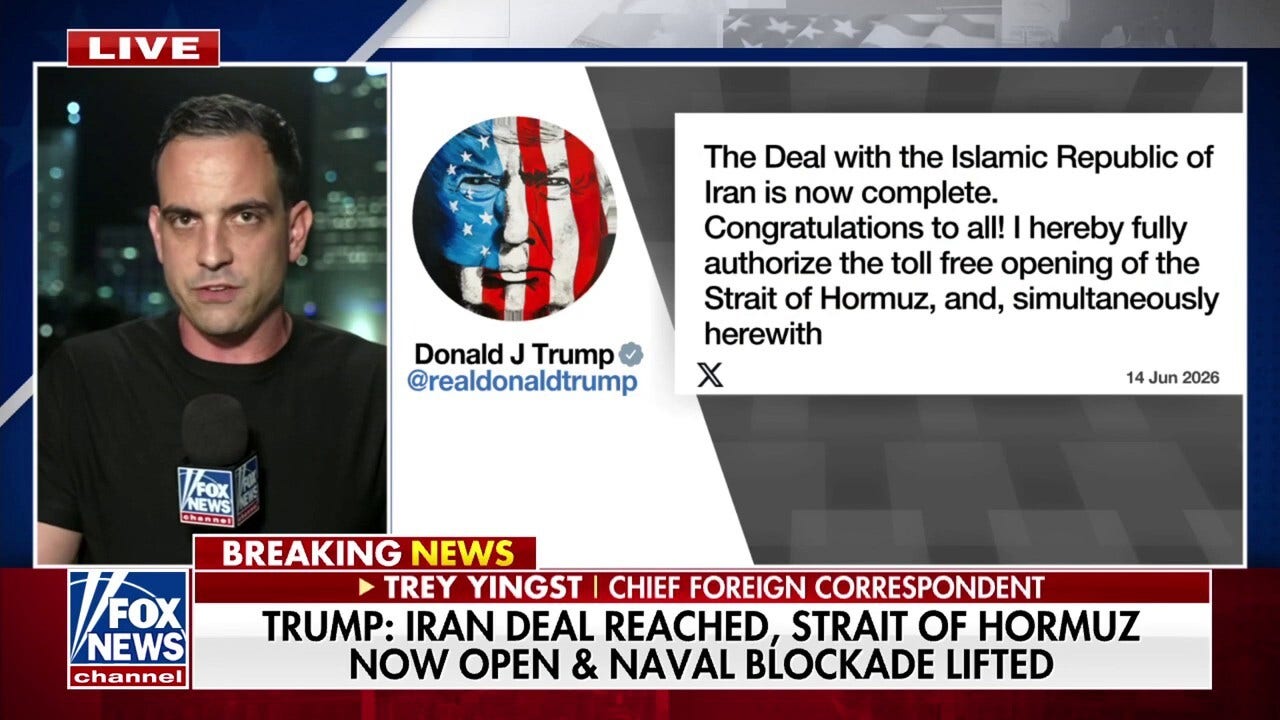
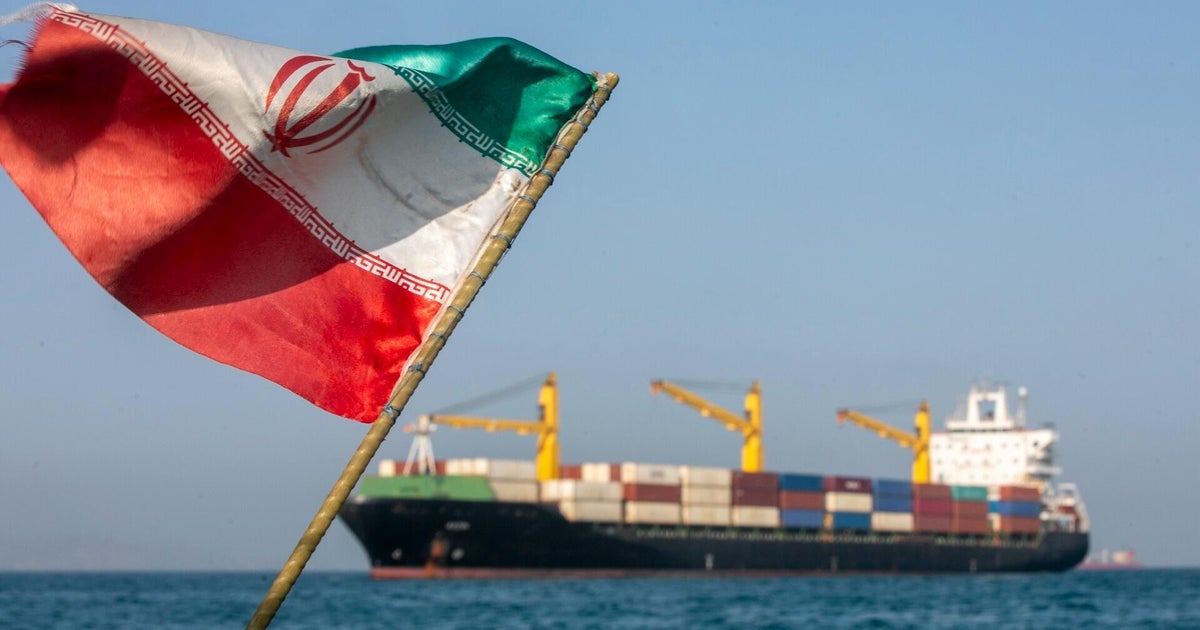
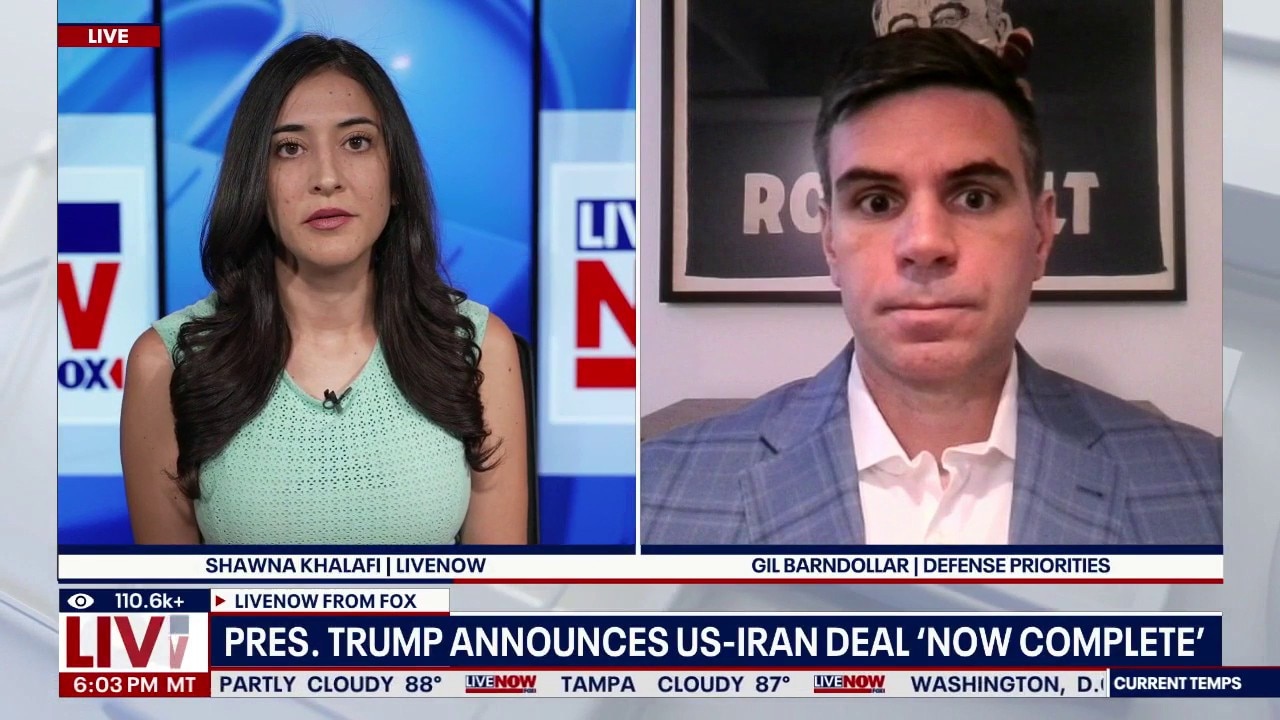
The June 14-15, 2026 US-Iran peace agreement represents a watershed moment for global cross-border e-commerce logistics. The deal's core provision—termination of the US naval blockade on Iranian ports and reopening of the Strait of Hormuz as a toll-free shipping corridor effective June 19—directly addresses the supply chain crisis that has plagued sellers for months. This geopolitical shift creates immediate operational and market access opportunities worth quantifying.
Logistics Cost Reduction: The agreement eliminates forced rerouting around Africa, which added 2-4 weeks to transit times and increased shipping costs by 15-25% for Asia-to-Europe and Asia-to-Middle East corridors. Sellers importing electronics from Vietnam, textiles from India, and consumer goods from China will see container shipping rates normalize from inflated crisis levels ($8,000-12,000 per 40ft container) back to pre-blockade rates ($5,000-7,000). Maritime insurance premiums, which surged 300-400% during the blockade due to heightened risk assessments, will decline 40-60% as underwriters reduce geopolitical risk premiums. For a mid-sized seller shipping 50 containers monthly, this translates to $150,000-200,000 annual savings in logistics costs alone.
Market Access Expansion: The blockade's removal opens Iran's $15B+ e-commerce market to sellers for the first time in years. Electronics (smartphones, laptops, consumer electronics), textiles (apparel, home goods), and consumer goods categories face pent-up demand from Iranian consumers who experienced years of sanctions and import restrictions. However, this opportunity carries compliance complexity—sellers must monitor ongoing US sanctions policy, as the agreement defers Iran's nuclear program negotiations to future talks. The 60-day Congressional review period (per Senator Lindsey Graham's statement) creates a 60-90 day window before full normalization, making this a time-sensitive arbitrage opportunity for sellers willing to navigate regulatory uncertainty.
Competitive Dynamics: Large sellers with established 3PL networks and compliance infrastructure gain immediate advantages. Amazon FBA sellers shipping to Middle Eastern fulfillment centers will see delivery times improve from 45-60 days to 25-35 days, enhancing Buy Box competitiveness. Small and medium sellers relying on slower sea freight will benefit most from cost reductions, potentially improving margins by 8-12% on products with 20-30% gross margins. Sellers currently holding inventory in African transshipment hubs can redirect stock directly through the Persian Gulf, reducing working capital tied up in extended supply chains. This creates a 90-120 day window where early movers can capture market share before competitors optimize their logistics networks.
Questions 7
How does the Strait of Hormuz reopening affect Amazon FBA sellers specifically?
Amazon FBA sellers gain significant competitive advantages. Delivery times to Middle Eastern fulfillment centers improve from 45-60 days to 25-35 days, enhancing Buy Box eligibility and conversion rates. Sellers can now establish FBA inventory in UAE and Saudi Arabia fulfillment centers more cost-effectively, reducing working capital requirements. The toll-free Strait of Hormuz passage (per the agreement) eliminates transit fees, further reducing logistics costs. Large sellers with established 3PL networks benefit immediately, while small sellers using slower sea freight see the most dramatic margin improvements over 90-120 days as they optimize their networks.
What compliance risks should sellers monitor regarding Iran market access?
The agreement defers Iran's nuclear program negotiations to future talks, creating regulatory uncertainty. Senator Lindsey Graham emphasized the deal requires US Congressional review and approval following a 60-day negotiation period. Sellers entering the Iranian market should monitor OFAC (Office of Foreign Assets Control) sanctions updates and maintain compliance documentation. The 60-90 day window before full normalization creates a time-sensitive arbitrage opportunity, but sellers must verify that their suppliers and logistics partners comply with evolving US trade policy. Non-compliance risks include shipment seizures and substantial penalties.