



China Auto Collapse Signals Supply Chain Disruption | EV Parts & Accessories Sellers Must Pivot Now
- 15-20% domestic auto sales decline triggers 80% manufacturer elimination within 2-3 years; BYD vertical integration model reshapes component sourcing for cross-border sellers






Overview
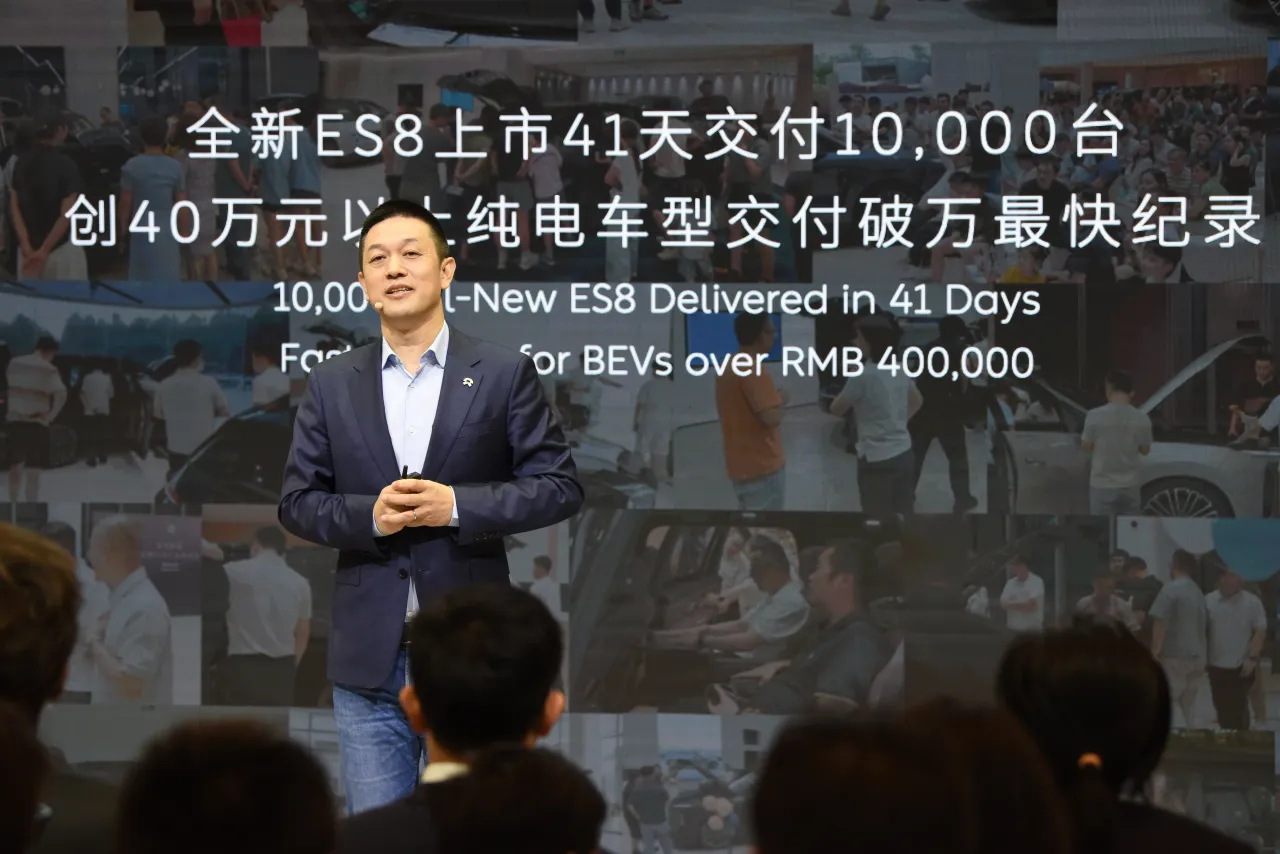
China's automotive sector faces unprecedented consolidation as domestic retail sales plummeted 19.5% year-on-year through May 2026, with June data showing 23% decline—marking what NIO CEO William Li termed the "most brutal final stage of competition." Industry-wide profit margins collapsed to 3.2% (down from 8% five years ago), with experts projecting 80% of current manufacturers will disappear within 2-3 years. This crisis directly impacts cross-border e-commerce sellers in three critical ways.
Supply Chain Restructuring: The consolidation is driven by three structural factors that reshape sourcing opportunities. Vehicle ownership saturation at 370 million units (one car per four Chinese citizens) has shifted demand from first-time purchases to replacement cycles. Severe overcapacity exists—total industry production capacity exceeds 50 million vehicles annually while domestic demand remains below 30 million. Most critically, input costs are eroding margins catastrophically: automotive-grade chip prices increased five-fold (20 to 100 yuan), while lithium carbonate prices doubled (80,000 to 180,000 yuan per ton), adding 15,000-20,000 yuan per vehicle cost. BYD emerges as the likely survivor due to its vertically integrated supply chain controlling batteries, motors, chips, and components—enabling 30% cost advantages over competitors. This consolidation means sellers sourcing EV components, batteries, and automotive electronics will face fewer suppliers but with stronger negotiating power and quality control.
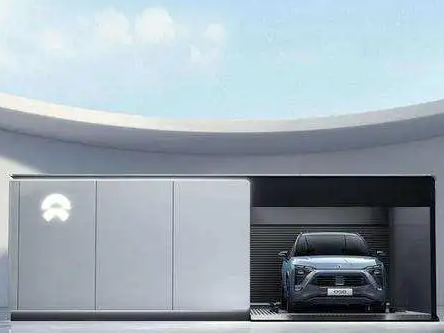
EV Transition Acceleration: Pure electric vehicle adoption is irreversible, with China's NEV penetration reaching 62.9% in May 2026 and pure electric models achieving 42.2% market share—up from 31.4% in May 2025 (10.8 percentage point annual gain). For the first time, pure electric vehicles outsold combustion-engine cars in May 2026. NIO projects NEV penetration reaching 70% by Q3 2026, with the company targeting 40-50% annual sales growth despite market contraction. This EV acceleration creates explosive demand for charging infrastructure products, battery-swap components, EV accessories, and smart charging solutions. Sellers offering EV-related products (charging cables, adapters, battery management systems, thermal management components) face surging demand as infrastructure expands beyond major cities into lower-tier cities and rural areas.
International Expansion Imperative: Facing near-zero domestic profit margins, Chinese automakers are accelerating overseas expansion as a survival necessity. GAC Group's Wu Jian stated international expansion is "no longer a growth strategy but a survival necessity." This signals massive opportunity for sellers to source from Chinese manufacturers seeking export channels. Sellers can capitalize on Chinese automakers' desperate need for international distribution by offering fulfillment, logistics, and marketplace services. The shift also indicates Chinese suppliers will increasingly target global markets, creating competitive pressure on existing automotive parts sellers but opening sourcing opportunities for sellers willing to work with emerging Chinese suppliers.
Questions 7
Which Chinese automaker brands should sellers prioritize for sourcing and partnership opportunities?
NIO demonstrates strongest market position with 150,526 vehicles delivered January-May 2026 (68.70% year-on-year growth) and operating profitability (1.25 billion yuan Q4 2025, 68 million yuan Q1 2026). NIO's multi-brand portfolio (premium Firefly, flagship ES8, mass-market Onvo) shows market strength: Firefly became segment sales champion with demand exceeding supply, ES8 maintained large SUV leadership for six consecutive months, and Onvo's L90/L60 models drive market share expansion. BYD emerges as the likely survivor due to vertical integration and 30% cost advantages. Tesla rebounded to 47,281 May sales, returning to top 10 NEV rankings. For sellers, prioritize partnerships with: (1) NIO (strongest growth trajectory, profitability, multi-brand reach), (2) BYD (consolidation survivor, cost advantages, supply chain control), and (3) GAC Group (explicitly pursuing international expansion). Avoid smaller manufacturers selling fewer than 1,000 monthly units—these face existential pressure and financing-dependent survival.
What EV product categories will see the highest demand growth from China's 42.2% BEV market penetration?
China's pure electric vehicle market share reached 42.2% in May 2026 (up from 31.4% in May 2025), with NIO projecting 70% NEV penetration by Q3 2026. This acceleration creates explosive demand for: (1) EV charging cables and adapters (Level 2/DC fast charging), (2) Battery management systems and thermal management components, (3) Smart charging solutions and home charging equipment, (4) EV-specific accessories (cable organizers, charging port covers, thermal batteries), and (5) Battery-swap infrastructure components. The critical gap is charging infrastructure expansion beyond major cities into lower-tier cities and rural areas. Sellers offering rural/tier-3+ city charging solutions face 18-24 month demand surge as infrastructure catches up to vehicle adoption. NIO's 20+ billion yuan infrastructure investment signals massive component sourcing opportunities.