




SpaceX's $2.1T IPO Signals Starlink Satellite Internet Expansion | Critical for Global Logistics & Remote Seller Operations
- SpaceX IPO closes at $160.95 (19% above offer), raising $75B; Starlink serves 10.3M subscribers across 160+ countries with capacity constraints in key markets; satellite internet expansion creates logistics infrastructure opportunities for cross-border sellers in underserved regions





















Overview
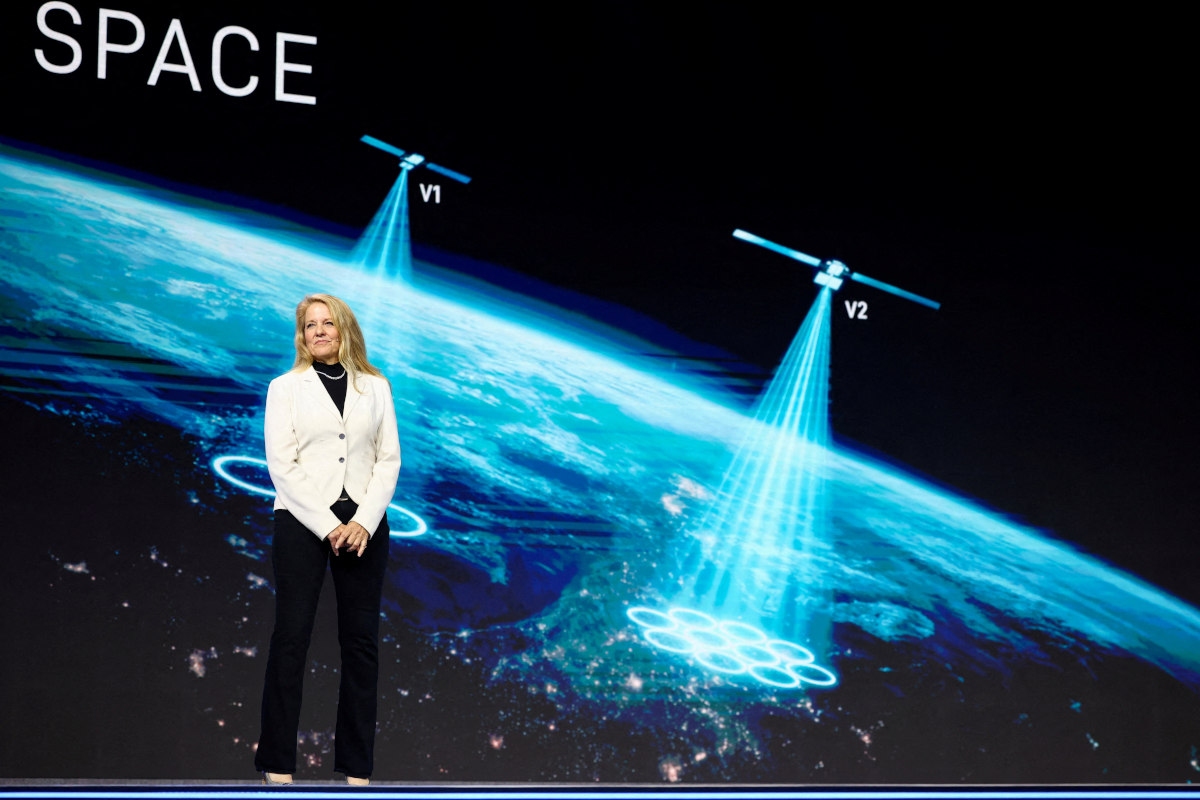
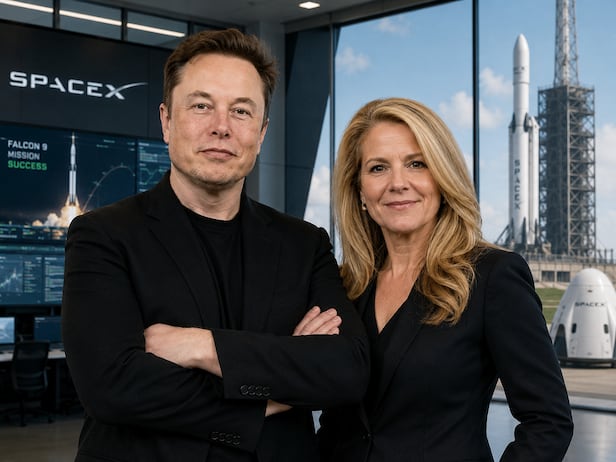
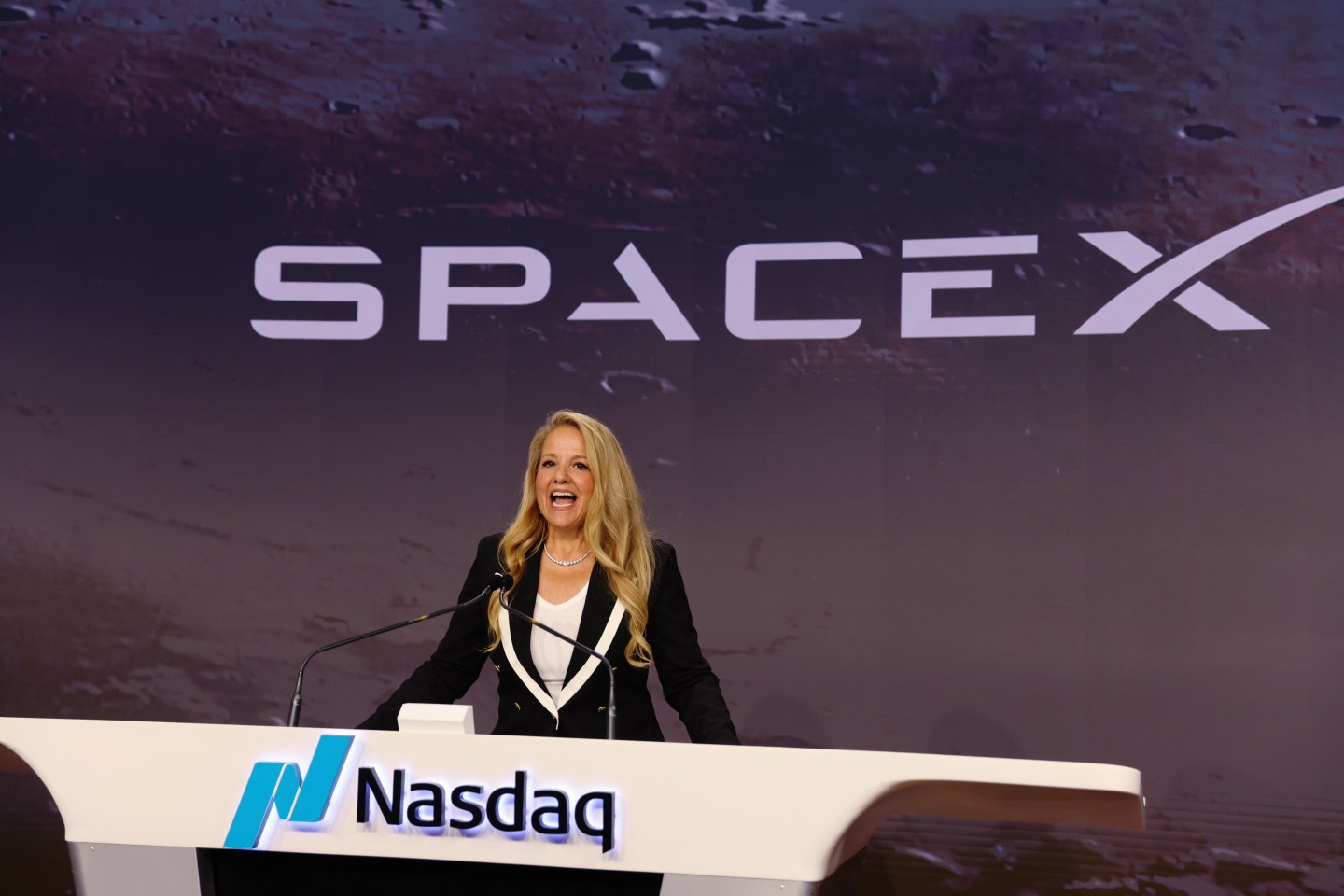
SpaceX's historic June 12, 2025 IPO, closing at $160.95 and achieving a $2.1 trillion valuation, represents a watershed moment for global logistics infrastructure development. While the aerospace company's primary focus remains Starship rocket development and xAI AI infrastructure, the critical operational metric for cross-border e-commerce sellers is Starlink's expansion trajectory. The satellite internet division generated $11.39 billion in revenue with $4.4 billion operating income, serving 10.3 million subscribers across 160+ countries with a user base doubling annually. However, COO Gwynne Shotwell explicitly highlighted capacity constraints in key markets as the primary bottleneck for revenue scaling.
For e-commerce sellers, this development carries three direct implications. First, logistics infrastructure in emerging markets: Starlink's capacity expansion directly addresses connectivity gaps in Southeast Asia, Latin America, and Africa—regions where 3PL providers and fulfillment networks currently struggle with reliable internet connectivity. Sellers operating in these regions face 15-25% higher operational costs due to connectivity-dependent systems (inventory management, order processing, customs documentation). As Starlink deploys V3 satellites beginning in 2026 (via Starship launches targeting H2 2026), sellers can expect improved last-mile logistics capabilities and reduced fulfillment delays in underserved markets. The company's $12.7 billion 2025 capex and $7.7 billion Q1 2026 spending signal aggressive deployment acceleration.
Second, supply chain resilience: SpaceX's 80% global launch market share (165 orbital missions in 2024) and reusable Falcon 9 boosters create cost advantages for satellite deployment. This translates to faster, cheaper satellite internet rollout in regions where sellers currently depend on terrestrial infrastructure. Sellers shipping to remote areas (rural India, sub-Saharan Africa, Pacific Islands) can anticipate improved tracking capabilities and real-time logistics visibility by 2027-2028 when AI compute satellites launch. Third, competitive positioning: Starlink's direct-to-cell services (mentioned in News 2) enable sellers to reach customers in areas without traditional broadband, opening new market segments for consumer electronics, agricultural products, and emergency supplies. The company's multibillion-dollar contracts with Anthropic and Google indicate AI-powered logistics optimization is coming to satellite infrastructure.
However, Shotwell's emphasis on "capacity constraints in key markets" and acknowledgment of "chip manufacturing and solar array scaling" challenges signal that Starlink expansion will be gradual. Sellers should expect meaningful capacity improvements in 2027-2028, not 2025-2026. The November 2026 earnings report will provide definitive timelines for satellite deployment and capacity availability in specific regions.
Questions 7
How does SpaceX's IPO valuation affect Starlink's competitive positioning versus terrestrial internet providers?
SpaceX's $2.1 trillion IPO valuation and $75 billion capital raise provide substantial resources for Starlink expansion, but the company's $4.9 billion net loss (including xAI) indicates profitability challenges. Starlink's $11.39B revenue with $4.4B operating income shows the satellite division is profitable, but SpaceX's overall losses suggest capital is being diverted to Starship and xAI development. This means Starlink expansion may be slower than competitors expect. Terrestrial providers (fiber, 5G) in emerging markets may maintain competitive advantages through 2027. Sellers should evaluate Starlink as a supplementary connectivity solution rather than a primary logistics infrastructure provider for the next 18-24 months.
What does Gwynne Shotwell's emphasis on 'long-term investors' signal about SpaceX's near-term seller impact?
Shotwell explicitly stated SpaceX 'needed to remain private to focus on long-term objectives rather than quarterly earnings,' signaling the company will prioritize ambitious projects (Starship, xAI, orbital AI data centers) over near-term Starlink consumer expansion. This means sellers should not expect rapid Starlink capacity improvements in 2025-2026. The company's 40x revenue multiples and 175x earnings multiples reflect speculative growth projections that Wall Street analysts question. Sellers should plan logistics infrastructure improvements based on 2027-2028 timelines, not 2025-2026. The November 2026 earnings report will provide definitive validation of whether SpaceX is meeting deployment targets or facing delays.