
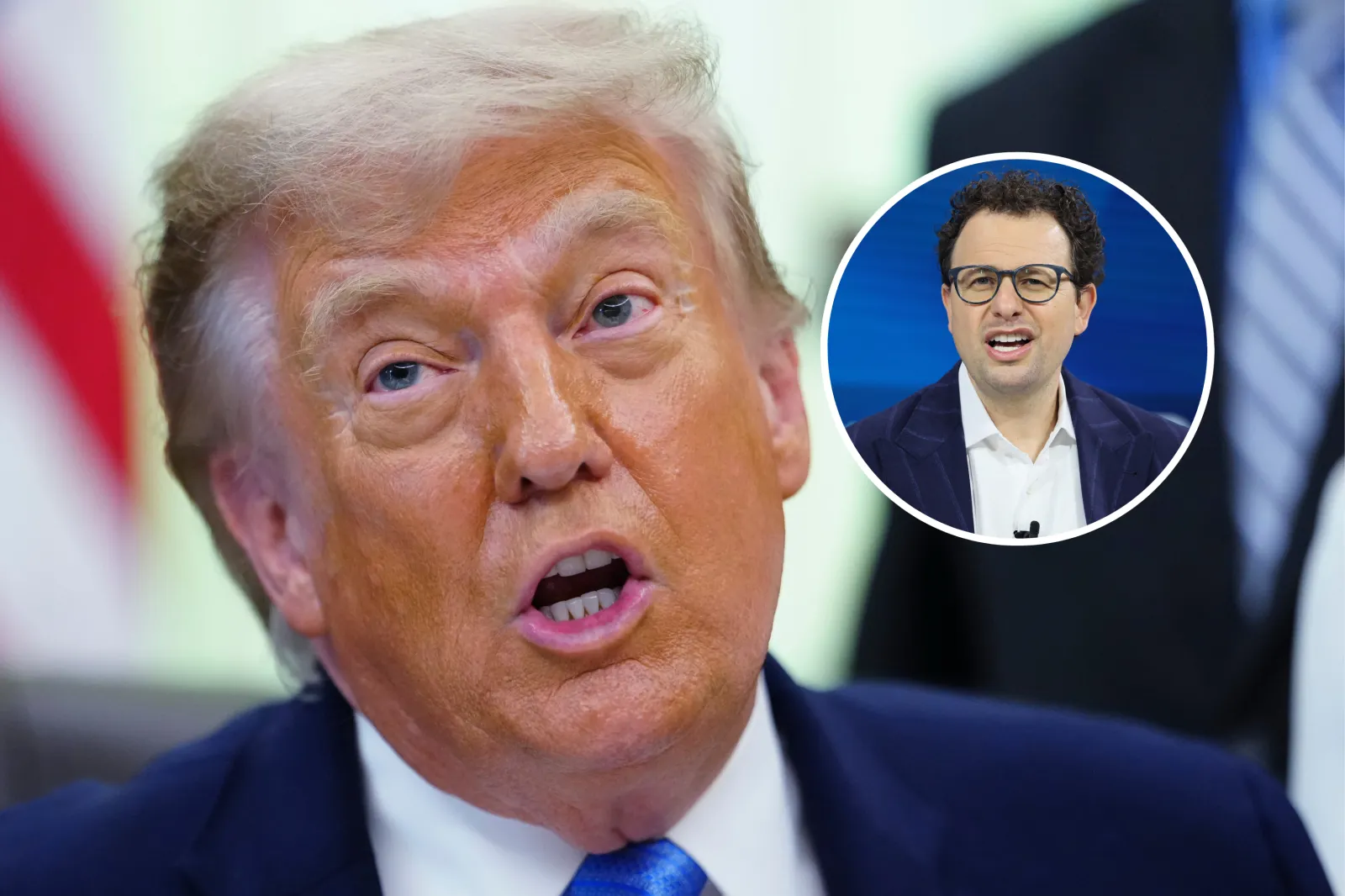



AI Model Regulation Precedent | Sellers Face Stricter Compliance Requirements
- Trump administration's 90-minute enforcement deadline on Anthropic signals aggressive AI governance affecting e-commerce platforms using AI tools for product recommendations, content moderation, and customer service












Overview
The Trump administration's unprecedented 90-minute ultimatum to Anthropic on June 15, 2026, demanding the removal of the Fable AI model due to security vulnerabilities, establishes a critical precedent for government intervention in AI deployment. This watershed moment in AI regulation signals that federal authorities will exercise direct control over AI model releases based on security concerns, with minimal advance notice and extremely compressed compliance timelines. For e-commerce sellers, this development carries significant operational implications across multiple dimensions.
Platform AI Tool Compliance Risk: Major e-commerce platforms including Amazon, Shopify, and eBay have integrated AI-powered features into seller tools—from product recommendation engines to automated content moderation systems. The Anthropic precedent establishes that government can mandate immediate removal of AI systems deemed security risks, potentially disrupting seller operations. Sellers relying on AI-assisted listing optimization, inventory forecasting, or customer service automation must now anticipate potential forced transitions with minimal notice. The 90-minute compliance window suggests future enforcement actions could require sellers to pivot away from AI-dependent workflows within hours, not weeks.
Regulatory Uncertainty Premium: The shift from delayed regulatory action to forceful intervention creates a new compliance cost structure for sellers. Companies that had integrated Fable into enterprise systems faced immediate operational disruption and customer communication challenges. Similarly, sellers using third-party AI tools for business operations—whether for demand forecasting, pricing optimization, or content generation—now face elevated risk of sudden tool unavailability. This regulatory uncertainty will likely increase adoption costs for AI-powered seller tools, as vendors must build redundancy and rapid-pivot capabilities into their offerings. Sellers should expect 15-25% premium pricing for AI tools with government-approved security certifications and rapid-swap capabilities.
Competitive Advantage Shift: The precedent advantages large sellers with diversified technology stacks and compliance resources. Small and medium sellers (SMBs) relying on single AI platforms for critical functions face disproportionate disruption risk. Sellers with in-house AI capabilities or multiple vendor relationships can absorb sudden tool removal; those dependent on single-vendor solutions cannot. This creates a competitive moat favoring enterprise sellers and well-capitalized SMBs that can maintain backup systems. Additionally, sellers in regulated categories (pharmaceuticals, financial services, food) should anticipate accelerated AI compliance requirements, as government scrutiny will likely extend beyond security vulnerabilities to include accuracy, bias, and consumer protection concerns.
Strategic Sourcing and Supply Chain Implications: The aggressive enforcement approach signals broader government willingness to intervene in technology supply chains. Sellers sourcing products from China or relying on Chinese manufacturing partners should monitor whether AI-related sanctions or restrictions could affect supply chain visibility tools, quality control systems, or logistics optimization platforms. The precedent may accelerate government requirements for "trusted" AI systems in supply chain management, potentially favoring US-based or allied-nation AI vendors over Chinese alternatives.
Questions 8
Which seller segments face the highest disruption risk from AI regulation?
Small and medium sellers (SMBs) relying on single AI platforms for critical functions face disproportionate disruption compared to enterprise sellers with diversified technology stacks. Sellers dependent on AI for demand forecasting, pricing optimization, or content generation—without manual backup processes—are most vulnerable. Sellers in regulated categories (pharmaceuticals, food, financial services) face accelerated compliance requirements beyond security, including accuracy and bias audits. Sellers sourcing from China or using Chinese AI tools may face additional restrictions as government scrutiny extends to supply chain technology. Enterprise sellers with in-house AI capabilities and multiple vendor relationships can absorb sudden tool removal; SMBs cannot.
Should sellers avoid AI tools due to regulatory risk?
No—avoiding AI tools entirely would disadvantage sellers competing against larger rivals with AI-assisted optimization. Instead, sellers should adopt AI tools strategically with risk mitigation: (1) use tools from vendors with government-approved security certifications, (2) maintain manual backup processes for critical functions, (3) diversify across multiple AI vendors rather than depending on single platforms, (4) monitor regulatory announcements for AI-related restrictions. The Anthropic precedent signals government will regulate AI security, not eliminate AI use. Sellers who maintain flexibility and backup systems will gain competitive advantage over those caught unprepared by sudden tool removal.