



Haiti Gang Violence Escalation | Caribbean Supply Chain Risk Alert for Cross-Border Sellers
- 70% of Port-au-Prince controlled by gangs; 1.5M displaced; logistics disruption risk for Caribbean e-commerce operations






Overview
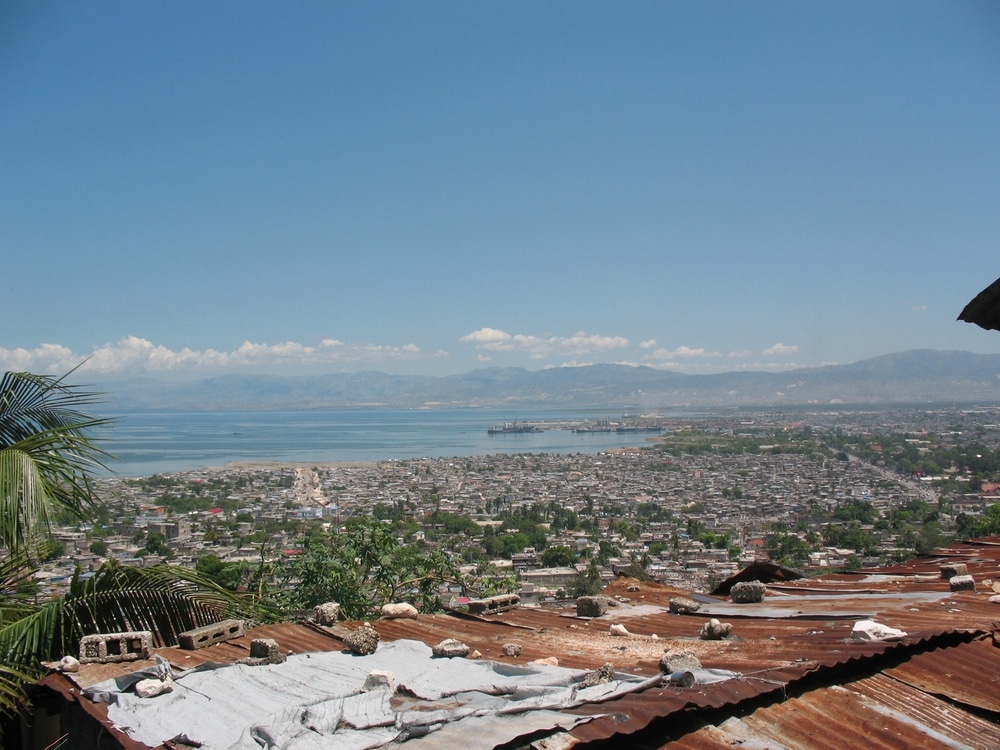
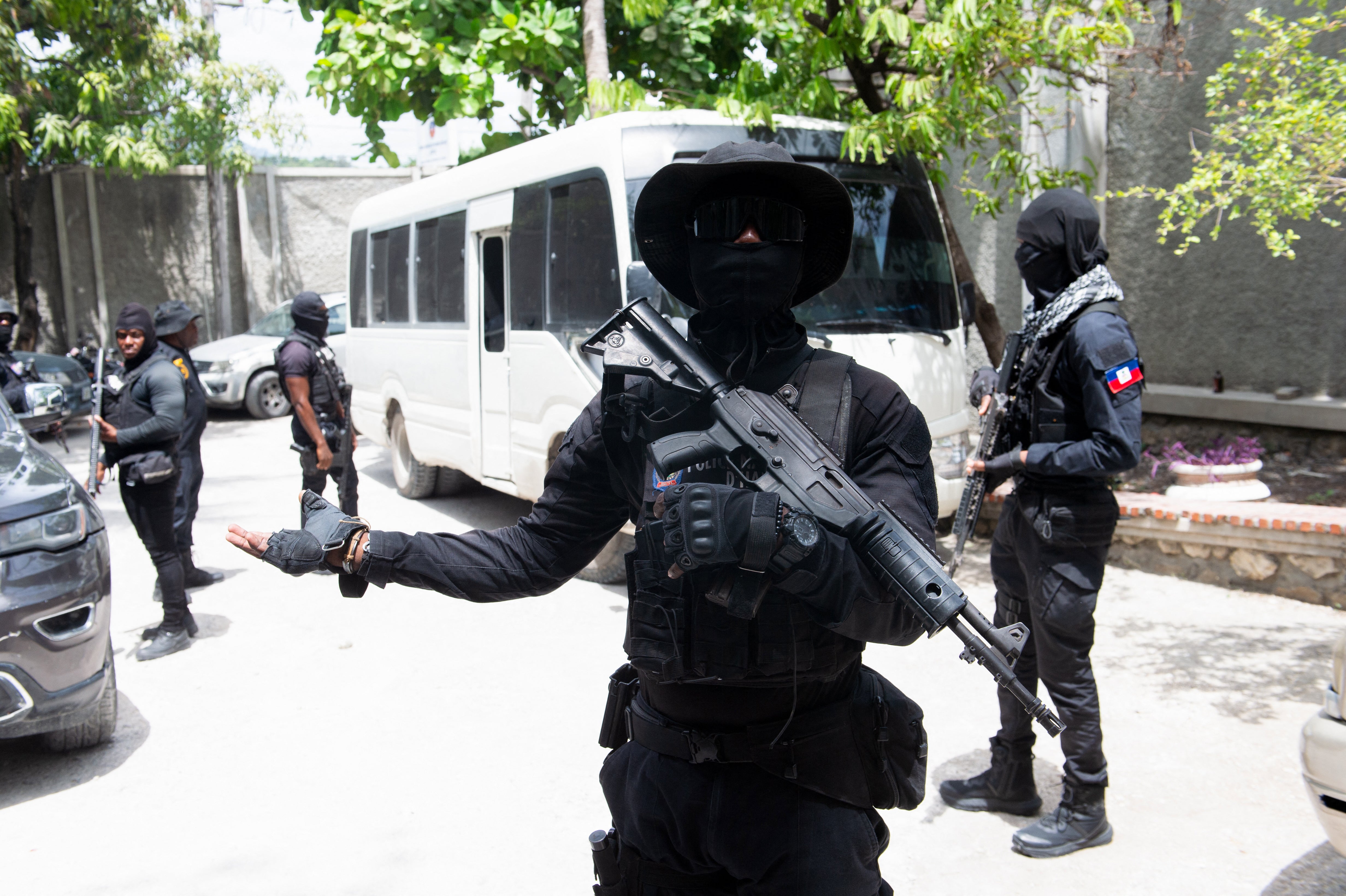
Haiti's security crisis has reached critical levels following the June 13, 2026 kidnapping of James Boyard, the cabinet director of the Defense Ministry and inspector general of Haiti's National Police—the highest-ranking official abduction in recent years. This incident reflects a broader deterioration in institutional stability that carries significant implications for cross-border e-commerce sellers operating in or shipping through Caribbean logistics hubs. The kidnapping demonstrates that gang violence now extends beyond street-level crime to directly threaten government leadership, with approximately 70% of Port-au-Prince controlled by Viv Ansanm, a gang coalition designated as a foreign terrorist organization by the US in May 2025.
For e-commerce sellers, this represents a critical supply chain and logistics risk. Haiti serves as a transshipment point for Caribbean regional trade and has historically been part of broader Latin American and Caribbean logistics networks. The UN reports 1,268 kidnappings in 2025 (40% decrease from 2,058 in 2024) and 2,310 deaths, 1,106 injuries, and 99 kidnappings in 2025 alone, with nearly 1.5 million people displaced—record levels according to the UN migration agency. The targeting of high-level officials signals gangs' growing operational capability and sophistication, suggesting they can now execute complex operations in previously secure areas. This institutional collapse creates several seller-relevant risks: (1) Port operations disruption if gang violence affects Port-au-Prince's shipping infrastructure; (2) Customs clearance delays as government capacity deteriorates; (3) Increased insurance costs for shipments through Caribbean routes; (4) 3PL provider reliability concerns as local logistics firms face security threats.
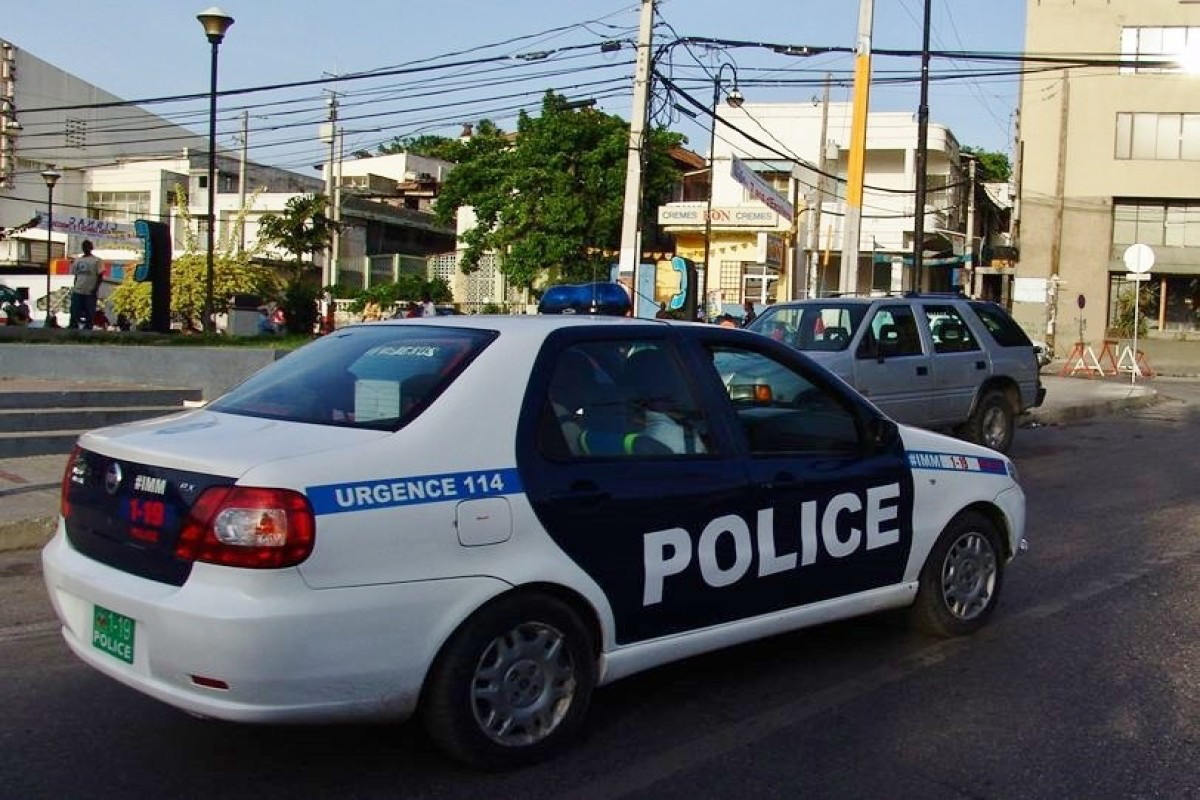
The multinational police force deployed to contain gang violence has struggled to access gang-controlled territories, limiting operational effectiveness. This suggests government capacity to enforce contracts, protect shipments, and maintain port security will continue deteriorating. Sellers with inventory in Caribbean fulfillment centers, particularly those serving Latin American markets through Haiti-based logistics hubs, face elevated risk of supply chain disruption. The pattern of targeting individuals with dual nationalities and public officials seeking higher ransoms indicates organized criminal networks are becoming more sophisticated in targeting high-value assets—a concerning signal for commercial shipments and logistics personnel. While direct e-commerce platform impacts remain unclear, the institutional breakdown creates operational friction that will increase costs and timelines for sellers relying on Caribbean logistics networks.
Questions 7
How does Haiti's security crisis affect sellers shipping through Caribbean logistics hubs?
Haiti's deteriorating security directly impacts sellers using Caribbean transshipment points. With 70% of Port-au-Prince controlled by gangs and 1.5 million people displaced, port operations face disruption risk. Sellers shipping to Latin America through Caribbean routes should expect increased customs clearance delays (potentially 5-10 additional days), higher insurance premiums (estimated 15-25% increase for Caribbean routes), and potential 3PL provider reliability issues. The kidnapping of high-level officials signals gangs can now execute sophisticated operations, suggesting commercial shipments face elevated risk. Sellers should immediately audit their logistics partners' security protocols and consider alternative routing through more stable ports like Miami or Panama.
What product categories are most vulnerable to Haiti-related supply chain disruption?
Categories with time-sensitive inventory or reliance on Caribbean fulfillment networks face highest risk: (1) **Perishables and fresh goods** requiring rapid transit through Caribbean ports; (2) **Electronics and high-value items** vulnerable to theft in unstable regions; (3) **Seasonal merchandise** (holiday goods, back-to-school items) where delays compress selling windows; (4) **Apparel and fashion** with just-in-time inventory models. Sellers in these categories should diversify fulfillment locations away from Haiti-dependent routes. Historical data shows similar geopolitical disruptions increase fulfillment costs 8-12% and extend delivery times 7-14 days, directly impacting customer satisfaction metrics and Amazon BSR rankings.