





AI IPO Boom Reshapes E-Commerce Infrastructure | Sellers Face Rising Costs & Opportunity
- SpaceX $75B IPO triggers capital reallocation from consumer platforms to AI infrastructure; CPI inflation 4.2% annually and producer prices up 6.5% compress seller margins while cross-border commerce grows faster than forecasted










Overview
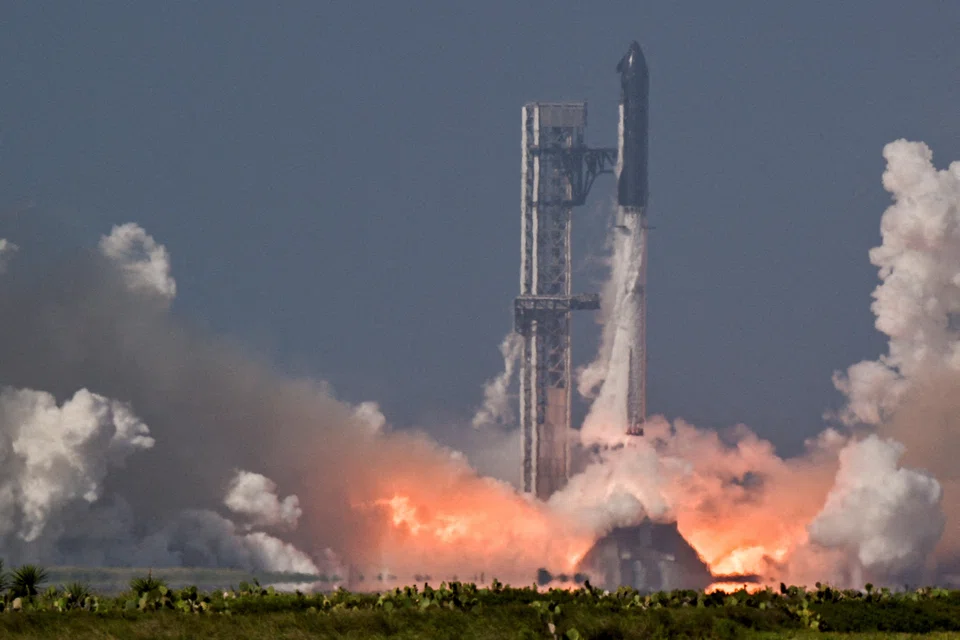
The historic wave of AI company IPOs—led by SpaceX's record-breaking $75 billion offering at $1.77 trillion valuation, with OpenAI and Anthropic filing confidentially for public debuts—is fundamentally reshaping capital allocation away from consumer e-commerce platforms toward AI infrastructure and deep tech ventures. This represents a critical inflection point for cross-border sellers: while investor capital flows toward AI labs and data centers, the macroeconomic environment simultaneously pressures seller profitability through inflation (U.S. headline CPI at 4.2% annually, highest in three years) and rising producer prices (up 6.5% year-over-year). The news reveals a paradoxical opportunity landscape where sellers must simultaneously navigate cost pressures and leverage AI-driven automation to maintain competitiveness.
The Capital Reallocation Impact on E-Commerce Platforms: The shift from traditional FAANG stocks toward what analysts call MANGOS (Meta, Anthropic, NVIDIA, Google, OpenAI, SpaceX) signals that venture capital and institutional investors are deprioritizing consumer social networks and traditional e-commerce infrastructure investments. This directly affects Amazon, Shopify, and eBay's ability to fund platform innovations, seller tools, and fulfillment network expansions. Established automakers like Ford and General Motors are pivoting battery manufacturing capacity toward data center energy provision—a strategic move that diverts industrial capacity from consumer goods manufacturing. For sellers, this means reduced platform investment in seller-facing features, potentially slower fulfillment network expansion, and increased reliance on third-party AI tools for competitive advantage. The competitive urgency between OpenAI and Anthropic to reach public markets before "investor appetite saturates" suggests a finite window for capital availability, which will compress funding for e-commerce infrastructure startups and 3PL providers.
Macroeconomic Headwinds Compressing Seller Margins: Concurrent with the IPO boom, inflation pressures are intensifying across supply chains. U.S. producer prices jumped 6.5% year-over-year while headline CPI rose 4.2% annually—the highest in three years. The Federal Reserve is expected to hike rates 25 basis points by December, with the ECB and Bank of Japan following suit. These rate increases will raise borrowing costs for sellers financing inventory, working capital, and fulfillment operations. For a typical mid-sized seller carrying $500K in inventory financed at 8% interest, a 25 basis point rate increase translates to approximately $1,250 in additional annual financing costs. Geopolitical factors compound these pressures: potential U.S.-Iran peace negotiations could reshape energy markets (crude prices fell below $90/barrel as peace prospects improved), but the critical Strait of Hormuz remains a key uncertainty. Energy cost volatility directly impacts shipping, fulfillment, and manufacturing costs for sellers sourcing from Asia. Despite these headwinds, global trade data shows cross-border commerce rising faster than forecasted—though growth is driven primarily by elevated prices rather than volumes, indicating sellers are passing costs to consumers rather than expanding unit sales.
AI Automation as Competitive Necessity: The IPO boom paradoxically creates urgency for sellers to adopt AI tools immediately. As platform investment slows and capital flows toward AI infrastructure companies, sellers cannot rely on platform-provided automation or intelligence features. Instead, sellers must invest in third-party AI solutions for product research, dynamic pricing, content generation, and customer service automation. Sellers who adopt AI-powered tools now gain 6-12 month competitive advantages before these capabilities become commoditized. For example, AI-driven pricing optimization can recover 2-4% of margin compression from inflation, while automated content generation reduces listing creation costs by 60-70%. The wealth disparity highlighted in News 2—where early AI company employees became millionaires while others face anxiety about missing opportunities—mirrors the emerging divide among e-commerce sellers: those who adopt AI tools early will capture disproportionate market share, while late adopters face margin compression and competitive displacement.
Questions 8
What is the time horizon for sellers to see ROI from AI tool investments given current market conditions?
AI tool ROI timelines vary by use case: (1) Dynamic pricing: 2-4 weeks to positive ROI, 2-4% margin recovery; (2) Automated content generation: 3-6 weeks to positive ROI, 60-70% cost reduction on listing creation; (3) Demand forecasting: 6-8 weeks to positive ROI, 15-25% inventory cost reduction. Total investment for a mid-sized seller (implementing all three tools): $2,000-5,000 monthly. Expected payback period: 4-8 weeks. Given inflation pressures (CPI 4.2%, producer prices +6.5%) and rising financing costs (25 basis point rate hike expected by December), sellers who delay AI adoption beyond 60 days face cumulative margin losses of 3-5% that become difficult to recover. The competitive advantage window is 6-12 months before AI capabilities commoditize and all sellers adopt similar tools. Sellers should view AI investment as urgent rather than optional given the macroeconomic environment.
What AI tools should sellers prioritize implementing immediately to offset margin compression?
Three AI tools deliver immediate ROI for sellers facing inflation and capital constraints: (1) Dynamic pricing optimization (2-4% margin recovery, 4-6 week implementation); (2) Automated content generation for product listings (60-70% cost reduction, 2-3 week implementation); (3) Demand forecasting and inventory optimization (15-25% inventory cost reduction, 6-8 week implementation). The IPO boom signals that platform-provided AI features will be delayed or deprioritized, making third-party adoption essential. Sellers adopting these tools in the next 30-60 days gain 6-12 month competitive advantages before capabilities commoditize. Expected ROI: $5,000-15,000 monthly for sellers with $100K+ monthly revenue. Delay of 90+ days risks 3-5% market share loss to early adopters in competitive categories.