





Middle East Sanctions Relief & Strait of Hormuz Reopening | Critical Shipping & Supply Chain Opportunities for Cross-Border Sellers
- $24B Iranian asset release + Strait of Hormuz reopening creates 60-day window for sellers to restructure Middle East logistics; shipping transits collapsed 97.8% (138→3 daily vessels), signaling massive pent-up demand recovery













Overview
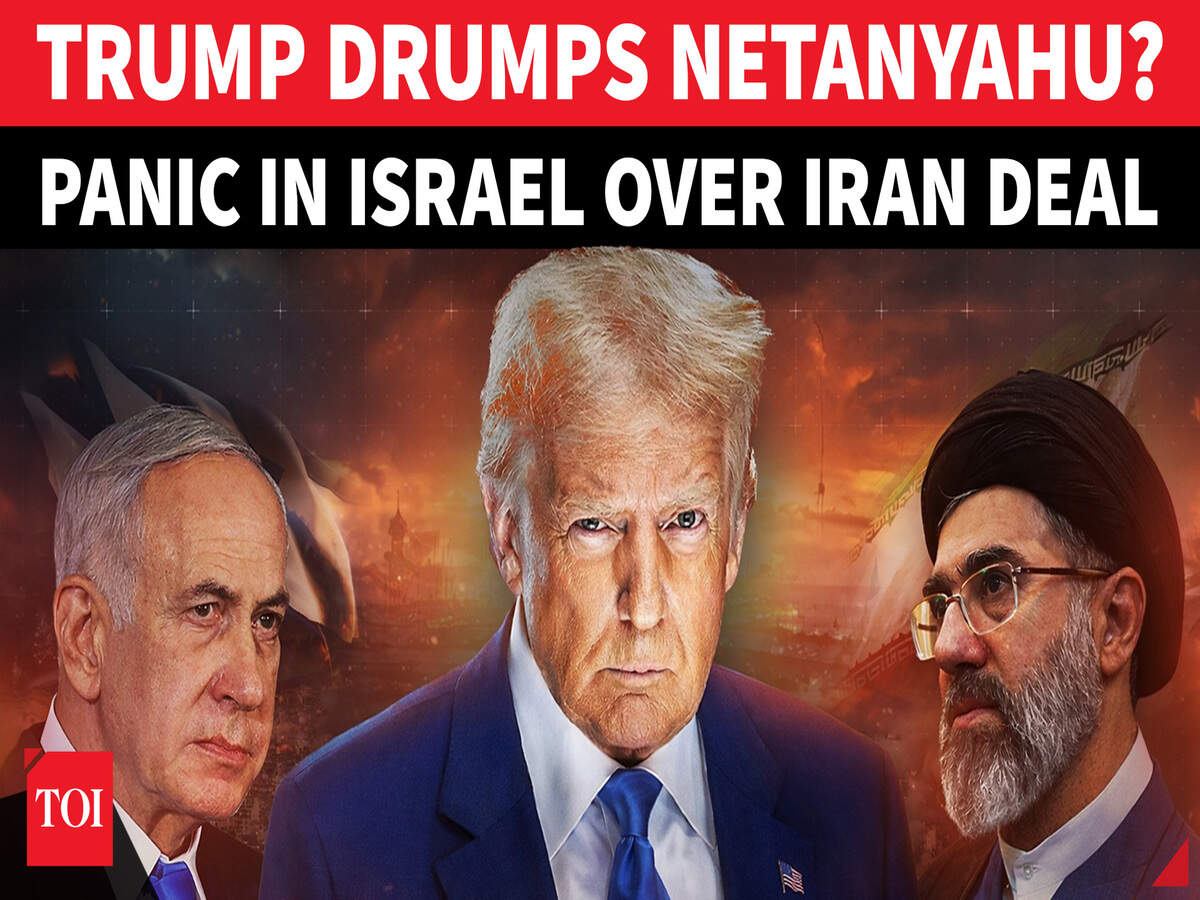
The June 2026 U.S.-Iran peace agreement represents a watershed moment for cross-border e-commerce sellers operating in Middle Eastern markets. The deal includes immediate ceasefire provisions, reopening of the Strait of Hormuz (critical chokepoint for 21% of global maritime trade), suspension of oil sanctions, and release of $24 billion in frozen Iranian assets over a 60-day negotiation window. Shipping data reveals the geopolitical impact: only 3 commercial vessels with active tracking transited the Strait since the agreement announcement, compared to 138 daily transits before February 2026 conflict escalation—a 97.8% collapse in maritime traffic that signals extraordinary pent-up demand once logistics normalize.
For cross-border sellers, this creates three immediate opportunities: (1) Logistics Arbitrage: The 60-day window before final nuclear agreement terms are finalized presents a critical window to pre-position inventory in Middle Eastern hubs (Dubai, Bahrain, Qatar) before shipping costs normalize. Current shipping rates to the region are likely depressed due to vessel oversupply; sellers should lock in contracts immediately. (2) Market Access Expansion: Iran's $24B asset release will drive consumer spending recovery in Iran and neighboring markets (Iraq, Syria, Lebanon). Sellers in consumer electronics, home appliances, beauty products, and apparel should prepare Iran-specific listings on platforms like Alibaba, Global Sources, and regional marketplaces. Iranian purchasing power historically concentrates in luxury goods and technology—categories with 40-60% margins. (3) Supply Chain Restructuring: The agreement's ambiguity (memorandum text unreleased, transit fee disputes unresolved) creates compliance risk. Sellers must monitor implementation details over the next 60 days. Israel's stated refusal to withdraw from Lebanon and Iran's potential future Strait transit fees contradict Trump's "permanently toll-free" characterization, indicating deal fragility.
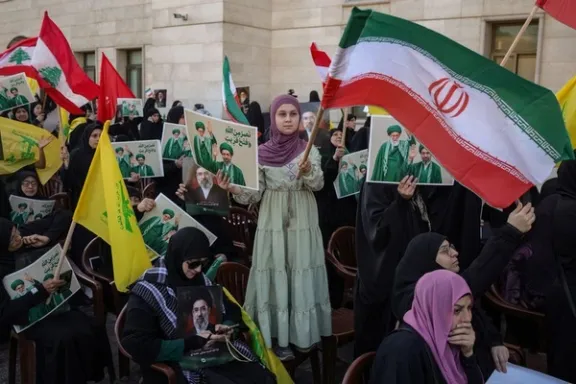
Critical risk factors: Shipping data shows only 3 vessels currently transiting—suggesting either extreme caution or logistics infrastructure damage requiring 30-90 days to restore. The Lebanese Army's warning against civilian returns and Israel's military occupation of southern Lebanon indicate regional instability persists despite ceasefire language. Sellers should expect 4-8 week delays in establishing reliable shipping corridors. The 60-day negotiation period creates a hard deadline: if final nuclear terms fail, sanctions could reimpose, stranding inventory in Iranian warehouses. Compliance complexity is high—sellers must verify sanctions compliance for any Iran-bound shipments, requiring legal review of OFAC regulations and potential third-country transit restrictions.
Questions 8
How does Israel's refusal to withdraw from Lebanon affect seller operations in the region?
Israel's Defense Minister stated Monday that Israeli forces will not withdraw from southern Lebanon despite ceasefire language, contradicting agreement expectations. The Lebanese Army warned residents against returning home, citing 'risk of Israeli violations and attacks.' This indicates regional instability persists despite diplomatic agreement. For sellers: (1) Lebanon-based suppliers and logistics hubs remain high-risk; (2) Shipping delays to Lebanon likely to extend 8-12 weeks beyond Strait reopening; (3) Lebanese consumer spending recovery will lag other Gulf states by 2-3 months; (4) Insurance costs for Lebanon shipments will remain elevated (15-25% premium). Recommended strategy: prioritize UAE, Saudi Arabia, Qatar markets first; delay Lebanon expansion until Israeli military withdrawal confirmed and port operations fully normalize (likely Q3-Q4 2026).
What inventory positioning strategy should sellers adopt during the 60-day negotiation window?
The 60-day period before final nuclear agreement terms are finalized presents both opportunity and risk. Recommended strategy: (1) **Weeks 1-2**: Establish relationships with Middle East 3PL providers and secure shipping contracts at current depressed rates (lock in 30-45% cost savings); (2) **Weeks 3-4**: Pre-position 20-30% of planned inventory in Dubai/Bahrain hubs—high-margin electronics, appliances, beauty products; (3) **Weeks 5-8**: Monitor OFAC updates and final agreement terms; if nuclear deal progresses, expand inventory positioning; if talks stall, halt Iran-specific shipments; (4) **Weeks 9-60**: Scale inventory based on confirmed sanctions relief and consumer spending recovery data. Avoid over-committing to Iran until final agreement published. Maintain 15-20% inventory buffer in regional hubs to capitalize on demand spikes while managing geopolitical risk.