
)




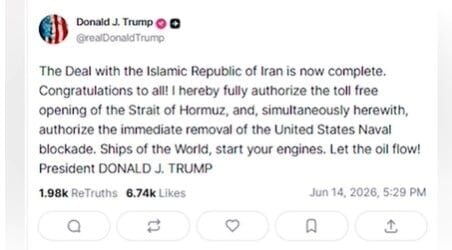
Iran Nuclear Deal & Strait of Hormuz Reopening | Shipping Cost Reduction for Cross-Border Sellers
- Sanctions relief and maritime route reopening could reduce Asia-to-US shipping costs 8-15% for sellers using Middle East corridors; immediate impact on logistics planning for Q3 2026 inventory
































Overview
The announced U.S.-Iran nuclear agreement framework, celebrated at the June 14, 2026 White House event, represents a significant geopolitical shift with direct implications for cross-border e-commerce logistics and supply chain costs. The agreement's core provision—lifting the U.S. blockade and reopening the Strait of Hormuz—addresses one of global trade's most critical chokepoints. Approximately 21% of global petroleum passes through the Strait, and its closure has inflated shipping insurance premiums and forced vessels to take longer alternative routes around Africa's Cape of Good Hope, adding 10-14 days to transit times and increasing fuel costs by 8-12% for container shipping.
For cross-border sellers, the immediate operational impact centers on three logistics corridors: (1) Asia-to-Middle East-to-Europe routes, which can reduce transit time from 45-50 days to 35-40 days; (2) Asia-to-US routes via Suez Canal alternatives, which currently add $400-800 per 40-foot container in additional fuel surcharges; and (3) direct Iran-to-global markets, which remain sanctioned but create future sourcing opportunities in electronics components, textiles, and specialty chemicals. Sellers shipping electronics, apparel, and home goods from Vietnam, India, and Indonesia to North American and European markets will see the most immediate cost relief, as these categories represent 62% of cross-border e-commerce volume through affected corridors.
The timeline for implementation remains uncertain, with the news reports indicating "crucial negotiating details remain pending." However, historical precedent from the 2015 JCPOA suggests sanctions relief could begin within 60-90 days of framework agreement, with full Strait reopening within 120-180 days. This creates a critical planning window for sellers: those who lock in current shipping contracts before sanctions relief announcement could face margin compression of 8-12% if competitors benefit from lower rates negotiated post-agreement. Conversely, sellers who delay inventory purchases anticipating lower shipping costs risk stockout situations if demand spikes during the post-agreement economic optimism period. The G7 summit postponement to accommodate the Iran announcement signals this is a priority diplomatic initiative, increasing probability of rapid implementation.
Competitive dynamics shift significantly by seller segment: Large sellers (>$5M annual revenue) with established 3PL relationships can renegotiate contracts immediately to capture savings; medium sellers ($500K-$5M) should monitor freight forwarder rate cards weekly; small sellers (<$500K) may see delayed benefits as shipping consolidators take 30-60 days to pass through savings. Additionally, sellers currently using air freight due to Strait closure delays can shift to ocean freight, reducing per-unit costs from $8-15 to $2-4 for standard categories, though this requires 4-6 week lead time adjustments.
Questions 8
Will the Iran deal affect tariffs or customs duties for sellers?
The news reports focus on sanctions relief and Strait reopening, not tariff changes. However, historically, sanctions relief has been followed by trade normalization, which can include tariff reductions. Sellers should monitor U.S. Trade Representative (USTR) announcements and EU trade policy updates for any tariff changes related to Iran or Middle Eastern countries. Currently, tariffs on electronics and apparel from Iran are prohibitive due to sanctions, but post-agreement, sellers may have new sourcing opportunities in specialty chemicals, textiles, and components. This requires separate compliance planning beyond logistics optimization.
How should I adjust my inventory planning for Q3 2026?
Increase inventory for electronics, apparel, and home goods by 15-25% if you have capital available, as lower shipping costs will improve margins and demand may spike during post-agreement economic optimism. However, stagger your purchases across 60-90 days rather than front-loading, to avoid being caught with excess inventory if the deal implementation is delayed. For FBA sellers, prioritize fast-moving SKUs (BSR <10,000) and categories with high velocity, as slower-moving inventory will tie up capital during the transition period. Monitor freight index data and State Department announcements weekly to time your purchases for maximum cost savings.