





G-7 Strategic Autonomy Reshapes Transatlantic Trade | Tariff & Regulatory Shifts for Cross-Border Sellers
- European nations establish independent trade frameworks; sellers face new tariff policies, customs procedures, and regulatory compliance requirements on US-Europe corridors








Overview
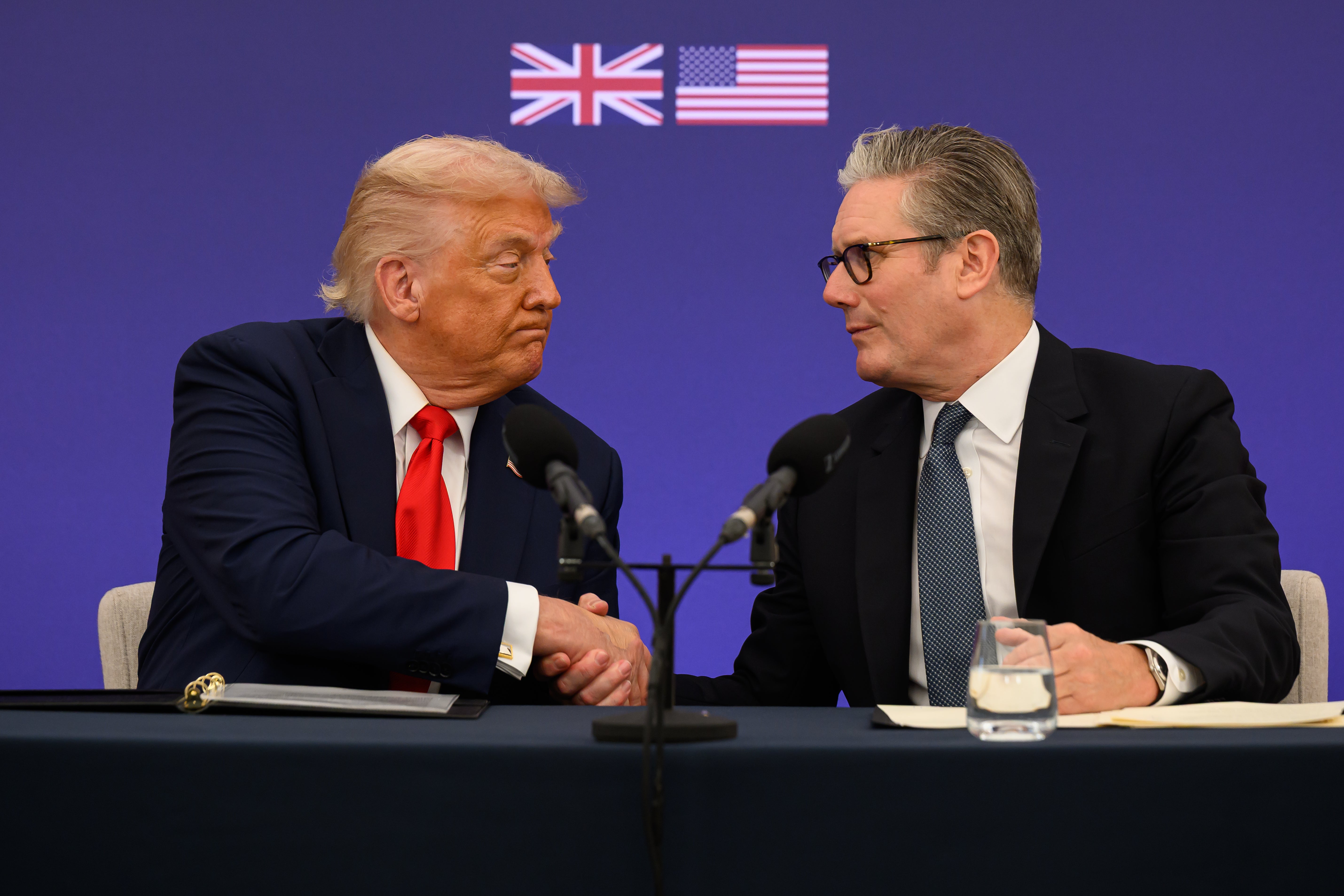
The G-7 summit in Évian-les-Bains represents a fundamental realignment in transatlantic trade relationships, with European leaders (France, UK, Canada) explicitly coordinating to reduce reliance on U.S. leadership and establish autonomous trade frameworks. This geopolitical shift directly impacts cross-border e-commerce sellers through three critical mechanisms: (1) Tariff Policy Divergence: European nations are signaling intent to pursue independent trade agreements separate from U.S.-led frameworks, potentially creating new tariff schedules for product categories currently governed by transatlantic agreements. Sellers shipping electronics, apparel, and consumer goods from US to EU face uncertainty around duty rates—historically 0-15% depending on HS codes, but new autonomous EU frameworks could introduce tariff increases of 5-12% on American-sourced goods. (2) Regulatory Framework Fragmentation: The summit explicitly mentions "new regulatory frameworks" for cross-border commerce as Europe pursues autonomy. This signals potential divergence from existing customs procedures, VAT treatment, and product compliance standards. Sellers currently leveraging harmonized EU VAT rules (19-27% across member states) may face additional compliance costs if new frameworks introduce country-specific requirements or stricter documentation standards. (3) Supply Chain Repositioning Incentives: European autonomy signals create competitive advantages for non-US sourcing. Sellers currently importing from China/Vietnam face 15-25% tariffs under existing frameworks; European-sourced alternatives may receive preferential treatment under new autonomous agreements, shifting sourcing economics. The news explicitly states "sellers relying on U.S.-Europe trade corridors should monitor emerging policy changes," indicating immediate relevance to the estimated 40,000+ US-based sellers with significant EU operations. The timeline is critical: policy implementation typically follows 6-12 months after G-7 coordination, creating a window for sellers to adjust sourcing, pricing, and compliance strategies before new tariff schedules take effect. This represents a structural shift from the previous decade's transatlantic stability, with lasting implications for FBA operations, customs clearance timelines (currently 2-5 days, potentially extending to 7-14 days under new procedures), and margin compression across mid-market sellers ($50K-$500K annual revenue) most exposed to tariff volatility.
Questions 8
Should US-based sellers diversify away from EU markets due to trade autonomy?
No—diversification should focus on sourcing and supply chain optimization, not market exit. The EU remains the world's largest e-commerce market ($600B+ annual GMV); tariff increases of 5-12% are manageable through sourcing shifts and pricing adjustments. Instead of exiting EU markets, sellers should: (1) Maintain EU market presence but shift sourcing from US to Vietnam/India/Mexico (reducing tariff exposure 8-15%), (2) Increase pricing 3-5% to offset tariff increases while remaining competitive, (3) Evaluate FBA expansion in EU warehouses (reducing customs clearance delays from 2-5 days to same-day delivery). The news indicates this is a structural realignment, not a trade war—European autonomy creates opportunities for sellers who adapt supply chains proactively. Sellers with $100K-$1M annual EU revenue should model three scenarios: (1) maintain US sourcing with price increases, (2) shift to Vietnam/India sourcing, (3) establish EU-based fulfillment. Begin scenario planning immediately to capture first-mover advantages in new tariff environment.
How will VAT compliance change under new European trade frameworks?
Current EU VAT treatment is harmonized at 19-27% across member states; new autonomous frameworks signal potential divergence toward country-specific requirements. Sellers currently leveraging simplified VAT compliance (single registration covering all EU markets) may face additional compliance costs if new frameworks introduce country-level variations. Expected changes: (1) Separate VAT registration requirements by country (currently optional), (2) Enhanced documentation for cross-border transactions (potentially 5-10% increase in compliance costs), (3) Modified treatment of digital services and marketplace sales. Compliance costs could increase $500-1,500 annually for small sellers, $2,000-5,000 for mid-market sellers. Sellers should: (1) Audit current VAT registration status, (2) Engage EU tax advisors to model country-specific scenarios, (3) Implement VAT management software supporting multi-country compliance. The shift represents a structural change from previous transatlantic stability, with lasting implications for operational complexity.