


BOJ Rate Hike June 2026 | Cross-Border Sellers Face Yen Volatility & Financing Costs
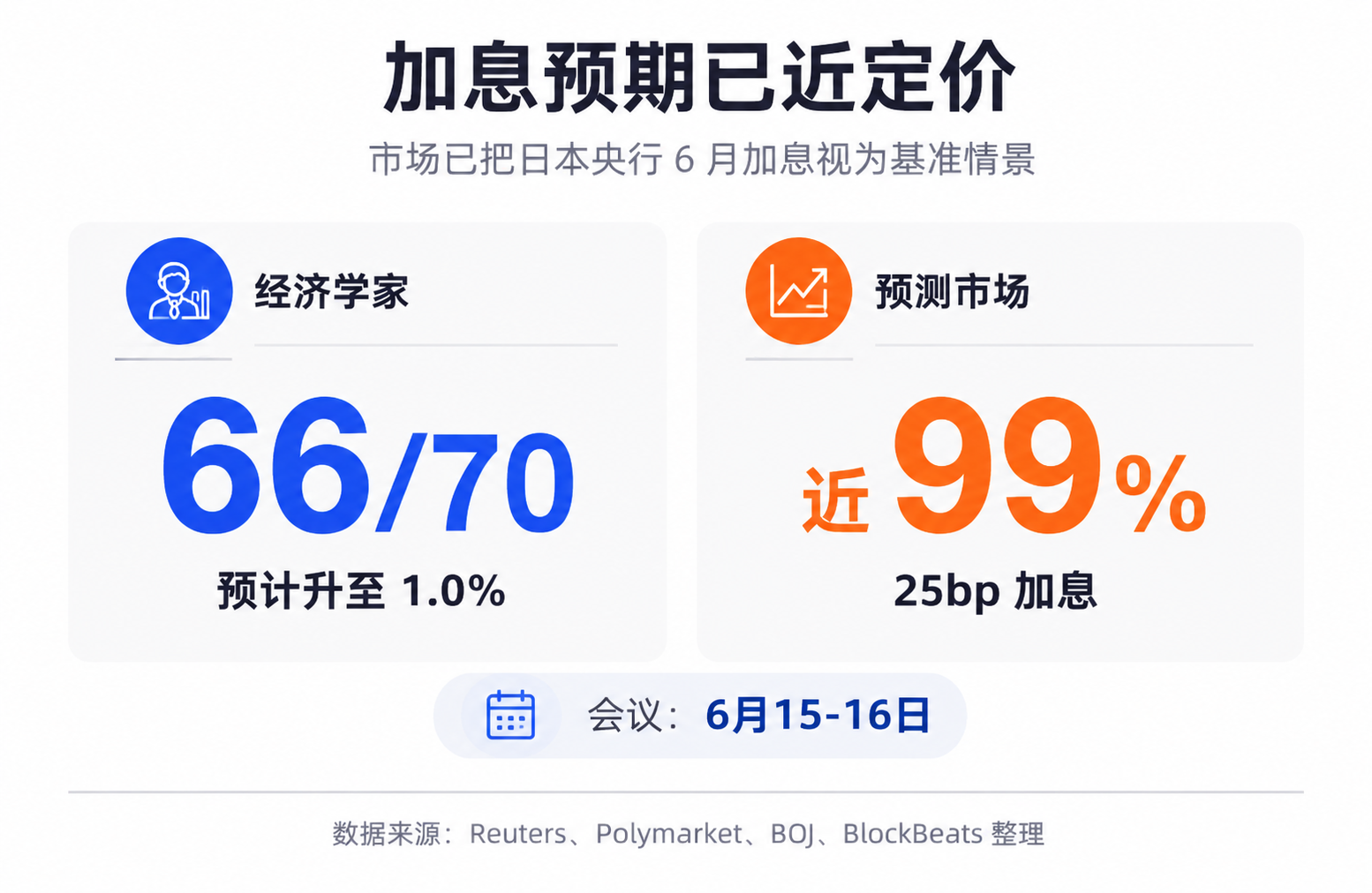
- Bank of Japan raises rates to 1% (31-year high) on June 16, 2026; yen shorts at 9-year peak (115,000 contracts) threaten carry-trade unwind; sellers financing in yen face 25-50 bps cost increases; Japanese merchants' inventory investment capacity compressed



























Overview
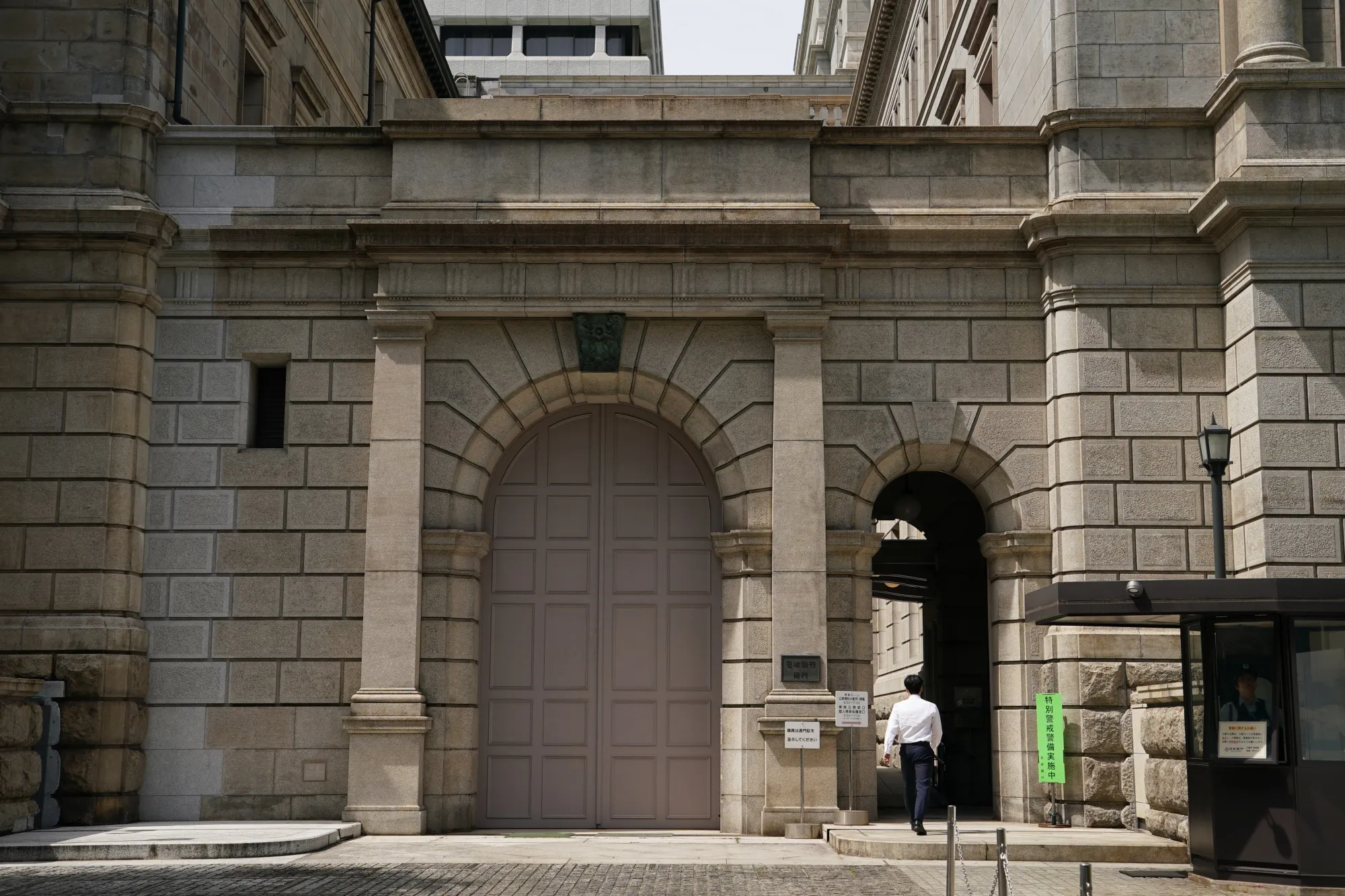
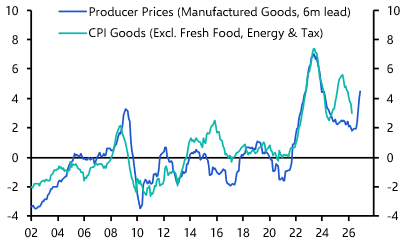
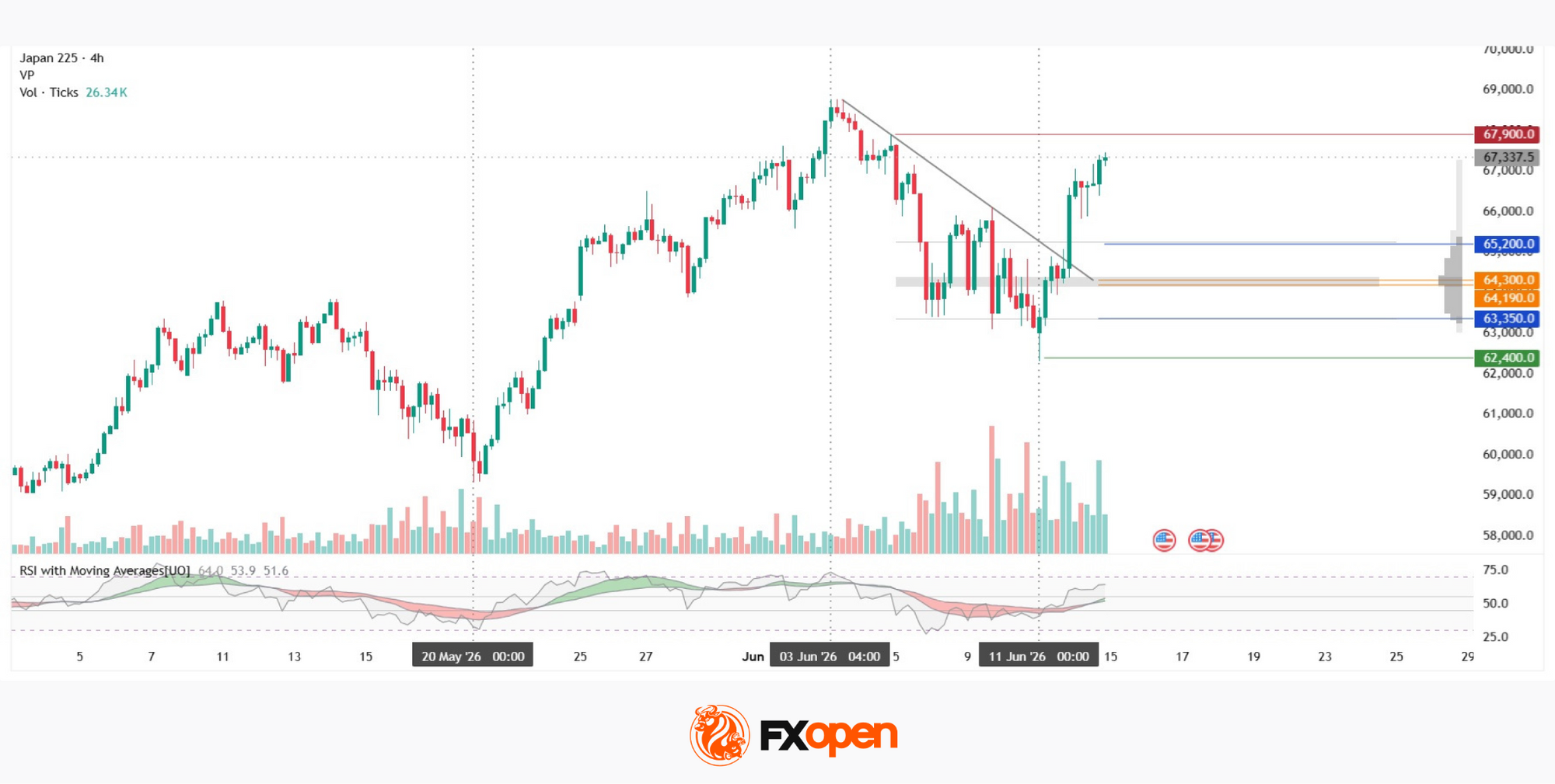
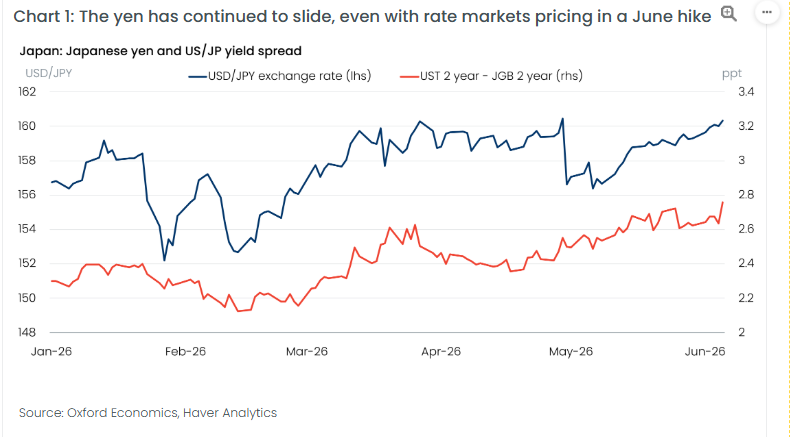
The Bank of Japan's confirmed rate hike to 1.0% on June 16, 2026—marking the highest level since 1995—creates a critical financial inflection point for cross-border e-commerce sellers. According to CFTC data, leveraged funds hold 115,000+ speculative short contracts in the yen (highest since November 2017), positioning the market for a potential sharp yen rally if the BOJ signals aggressive tightening beyond 1.0%. This dynamic directly impacts sellers through three financial mechanisms: (1) Yen Carry Trade Unwind Risk: The BOJ's rate normalization agenda—targeting approximately 1.25% by Q4 2026—threatens the low-cost yen-funded carry trades that have historically supported global risk asset valuations. A rapid unwind mirrors the July 2024 pattern when Bitcoin plunged $15,000 (23%) within one week post-BOJ decision, signaling broader liquidity disruption affecting payment processing, FX hedging costs, and working capital availability. (2) Financing Cost Compression: Japanese sellers and those financing inventory in yen face immediate cost increases. Current yen borrowing rates near 0.75% will rise toward 1.0-1.25%, increasing annual financing costs by 25-50 basis points on typical $50K-$200K inventory positions—translating to $125-$1,000 additional annual interest per seller. This reduces Japanese merchants' ability to invest in inventory expansion and global platform presence, directly affecting competition dynamics on Amazon, eBay, and Shopify. (3) FX Volatility & Payment Optimization: A stronger yen (if shorts unwind) increases USD/JPY conversion costs for sellers paying suppliers in yen or receiving payments in yen. Historical volatility during BOJ decisions averages 2-4% intraday swings; sellers without hedging strategies face margin compression of 200-400 bps on thin-margin categories (electronics, apparel). Deputy Governor Shinichi Uchida's June 16 briefing will signal the BOJ's flexibility—cautious guidance may limit volatility, while aggressive signaling could trigger the carry-trade unwind pattern observed in July 2024. The BOJ's commitment to rate normalization (approximately twice annually through 2026-2027) creates a predictable but volatile timeline for sellers to optimize payment routes, lock in FX rates, and refinance inventory positions before each decision.
Questions 7
How does the BOJ's June 2026 rate hike to 1% directly impact cross-border sellers' financing costs?
The BOJ's rate increase from 0.75% to 1.0% raises yen borrowing costs by 25 basis points immediately, with expectations for further hikes to 1.25% by Q4 2026. For sellers financing $50K-$200K inventory positions in yen, this translates to $125-$1,000 additional annual interest expense. Japanese merchants and sellers with yen-denominated loans face compressed margins, particularly in electronics and apparel categories where typical margins are 15-25%. The BOJ's commitment to approximately twice-annual rate increases through 2026-2027 creates predictable cost escalation, making it critical for sellers to lock in fixed-rate financing or refinance before each decision.
How should sellers optimize FX exposure and payment routes ahead of the June 16 BOJ decision?
Sellers should implement a three-part FX strategy: (1) **Lock in rates immediately**: Use forward contracts to hedge USD/JPY exposure for 30-90 days at current levels (~150-155 JPY/USD), protecting against 2-4% intraday volatility typical during BOJ decisions. Cost: 50-100 bps annually. (2) **Diversify payment corridors**: Shift 20-30% of yen-denominated payments to alternative routes (Singapore dollar, Hong Kong dollar) where carry-trade exposure is lower and payment fees are 10-15 bps cheaper. (3) **Accelerate collections**: Convert yen receivables to USD within 5-7 days post-decision to avoid extended exposure during volatility. Sellers with $100K+ monthly yen flows can save $500-$2,000 monthly through optimized routing.