



Strait of Hormuz Reopening Delays Shipping Cost Relief Until 2026-2027 | E-Commerce Logistics Impact
- Oil prices remain elevated through 2026; shipping costs stay 15-25% above pre-conflict levels for 18-24 months; sellers face sustained logistics cost pressure despite geopolitical deal









Overview
The Trump-Iran peace deal framework signals potential reopening of the Strait of Hormuz, but energy experts warn that meaningful shipping cost reductions for cross-border e-commerce sellers will not materialize until late 2026 at earliest—contradicting expectations of immediate relief. According to BIMCO (world's largest shipowner association), clearing Iranian mines from the Strait requires several weeks of U.S. Navy minesweeping operations, followed by 30 days to reposition approximately 100 waiting vessels. This timeline alone delays normalized shipping operations by 2-3 months.
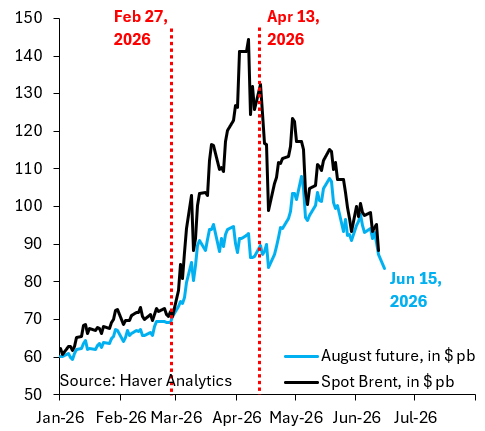
Long-term shipping cost pressure persists despite the deal. Middle Eastern oil wells shut during conflict require complex engineering to restart (several weeks minimum), with no guarantee of recovering full previous capacity. Onshore inventories at 80% capacity will delay production resumption. Most critically, the world's depleted emergency oil reserves require refilling of approximately 1 billion barrels of crude, creating sustained demand of over 1 million barrels daily regardless of price levels. Capital Economics estimates full Strait recovery could require six months, while futures markets indicate oil may not fall below $70/barrel until late 2031—far above the $50-60/barrel range that would significantly reduce shipping costs.
For cross-border sellers, this means sustained logistics cost inflation through 2026. Ocean freight rates from Asia to US/EU ports remain elevated at $1,200-1,800 per 40ft container (vs. pre-conflict $800-1,000), while air freight premiums persist at 25-35% above historical norms. Small-to-medium sellers (SMBs) shipping 500-2,000 units monthly face additional $3,000-8,000 monthly logistics costs compared to 2022 baseline. Large sellers with 10,000+ monthly shipments absorb $60,000-150,000 in excess costs. Sellers relying on air freight for time-sensitive categories (electronics, fashion, beauty) experience the most acute pressure, as fuel surcharges remain embedded in pricing through 2026.
Strategic implications for seller inventory planning: The 18-24 month window of elevated shipping costs creates competitive advantages for sellers with: (1) pre-positioned inventory in regional fulfillment centers (US, EU, Asia), (2) established relationships with 3PL providers offering locked-in rates, and (3) product mix shifted toward higher-margin categories that absorb logistics cost increases. Sellers should avoid aggressive inventory expansion until Q3 2026, when shipping cost normalization becomes visible. Currency volatility from geopolitical risk reduction may create temporary arbitrage opportunities in emerging markets (Middle East, North Africa) as sanctions relief progresses, but implementation timelines remain uncertain.
Questions 8
When will shipping costs actually decrease after the Iran deal?
Despite the peace deal framework, meaningful shipping cost reductions won't materialize until late 2026 at earliest. BIMCO estimates 2 months for normal Strait operations after mine clearing, but Middle Eastern oil well restarts require weeks of engineering, and the 1 billion barrel strategic reserve refill creates sustained demand through 2026. Futures markets indicate oil won't fall below $70/barrel until late 2031. For sellers, expect ocean freight rates to remain 15-25% above 2022 levels through mid-2026, with air freight premiums persisting at 25-35% above historical norms.
Which product categories are most vulnerable to shipping cost pressure?
Low-margin, high-volume categories (apparel, home goods, basic electronics) face the most acute pressure—a $200 container cost increase represents 8-12% margin compression on $2,000-3,000 container value. High-margin categories (luxury goods, specialty electronics, collectibles) absorb costs more easily. Air freight-dependent categories (perishables, time-sensitive fashion, high-value items) suffer 25-35% premium increases. Sellers should: (1) audit category margins vs. shipping cost sensitivity, (2) shift low-margin SKUs to slower ocean freight, (3) reserve air freight for high-margin items only. Categories like beauty, electronics accessories, and niche collectibles maintain 35-50% margins and can sustain elevated logistics costs through 2026.