

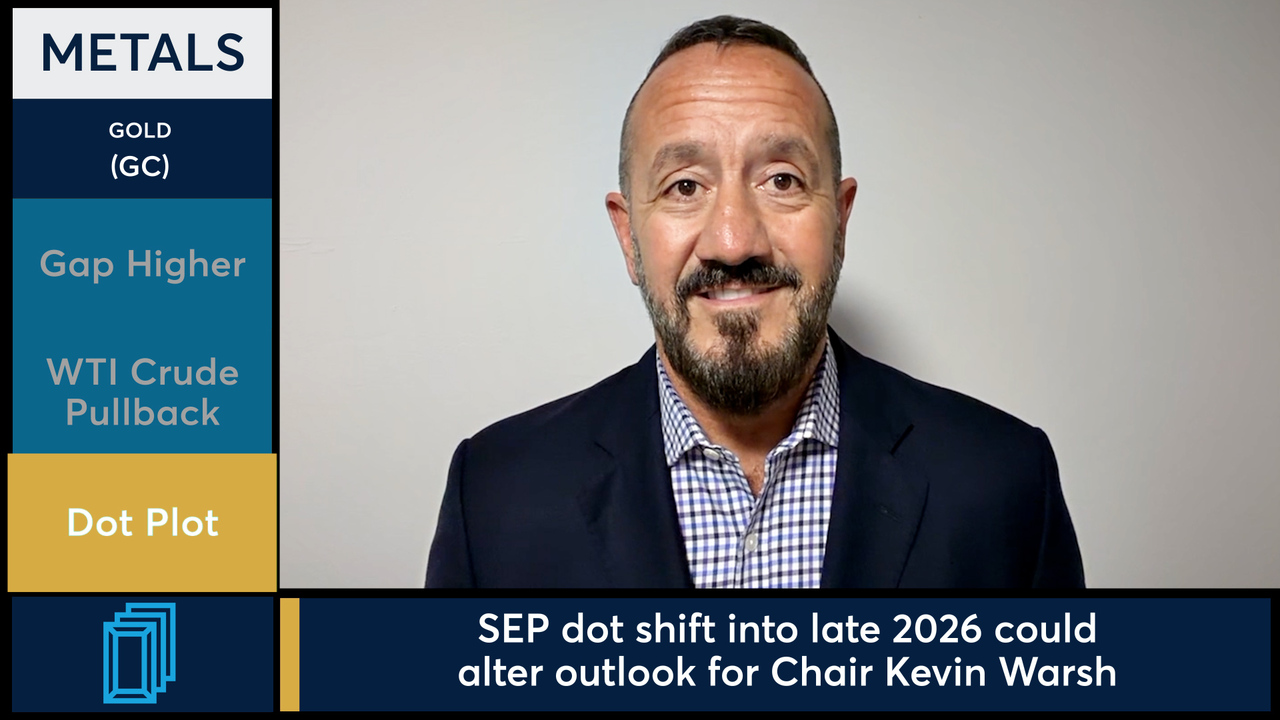



U.S.-Iran Deal Cuts Shipping Costs 5-8% | Cross-Border Sellers Win
- Oil prices drop 5.31% (WTI to $80.37), reducing fulfillment expenses for 2M+ cross-border sellers; Strait of Hormuz reopening eliminates 1/3 of seaborne trade bottleneck





















Overview
The June 15, 2026 U.S.-Iran interim peace deal represents a watershed moment for cross-border e-commerce logistics and seller profitability. Oil prices collapsed immediately—WTI crude fell 5.31% to $80.37/barrel and Brent dropped 4.95% to $83.01—directly reducing shipping costs for the estimated 2+ million cross-border sellers relying on international fulfillment networks. The Strait of Hormuz reopening eliminates a critical geopolitical bottleneck that handles approximately one-third of seaborne oil trade, signaling sustained downward pressure on fuel surcharges that have plagued logistics providers since 2022.
For e-commerce sellers, the operational impact is immediate and quantifiable. Shipping cost reductions of 5-8% are achievable within 30-60 days as fuel surcharges decline across major 3PL providers (FedEx, UPS, DHL) and ocean freight carriers. Small-to-medium sellers (SMBs) shipping 500-2,000 units monthly could save $150-400/month in fulfillment expenses, while high-volume sellers (10,000+ units) may realize $2,000-5,000 monthly savings. This margin improvement arrives at a critical juncture: the Federal Reserve's June 18 FOMC meeting signals potential interest rate cuts later in 2026, reducing borrowing costs for sellers financing inventory and expansion.
Inflation relief compounds the logistics advantage. Lower oil prices reduce consumer price pressures, supporting purchasing power in key markets (US, EU, Asia Pacific). Market data shows S&P 500 futures gained 1.33% and Nasdaq 2.19% on the news, reflecting investor confidence in consumer spending recovery. For sellers, this translates to higher demand elasticity—consumers previously constrained by inflation may increase discretionary purchases in electronics, apparel, home goods, and beauty categories. Currency volatility presents both risk and opportunity: the U.S. dollar index declined 0.20%, potentially improving margins for sellers exporting from China, Vietnam, and India to dollar-denominated markets, while creating headwinds for sellers importing into non-USD regions.
The timing window is critical. Logistics cost savings typically materialize 4-8 weeks after commodity price shifts, as fuel surcharges reset in carrier contracts. Sellers should lock in favorable shipping rates immediately before competitors recognize the opportunity and demand capacity increases. Simultaneously, the anticipated interest rate environment shift may trigger inventory restocking cycles as sellers gain access to cheaper capital for working capital financing.
Questions 8
How much will shipping costs drop for cross-border sellers after the Iran deal?
Shipping costs should decline 5-8% within 30-60 days as fuel surcharges reset across major carriers (FedEx, UPS, DHL, ocean freight lines). The news reports WTI crude fell 5.31% to $80.37/barrel on June 15, 2026, directly reducing the fuel surcharge component that typically represents 15-25% of total shipping costs. Small sellers shipping 500-2,000 units monthly could save $150-400/month, while high-volume sellers (10,000+ units) may realize $2,000-5,000 monthly savings. Lock in favorable rates immediately before competitors recognize the opportunity and demand capacity increases.
How does lower oil prices affect consumer demand for e-commerce products?
Lower oil prices reduce inflation pressures, supporting consumer purchasing power. The news indicates that market participants anticipate easing geopolitical tensions and lower oil prices may eliminate the likelihood of rate hikes later in 2026, potentially triggering interest rate cuts. This environment typically increases discretionary spending in electronics, apparel, home goods, and beauty categories. Sellers should expect demand elasticity improvements—consumers previously constrained by inflation may increase order frequency and average order value. Prepare inventory for potential demand spikes in Q3-Q4 2026.