



Swiss Immigration Referendum Defeat Signals EU Labor Market Stability for Cross-Border Sellers
- 55% voter rejection protects EU free movement agreement; stabilizes Swiss market access for 9.1M population; urban centers (Zurich, Geneva, Basel) drive pro-integration vote




Overview
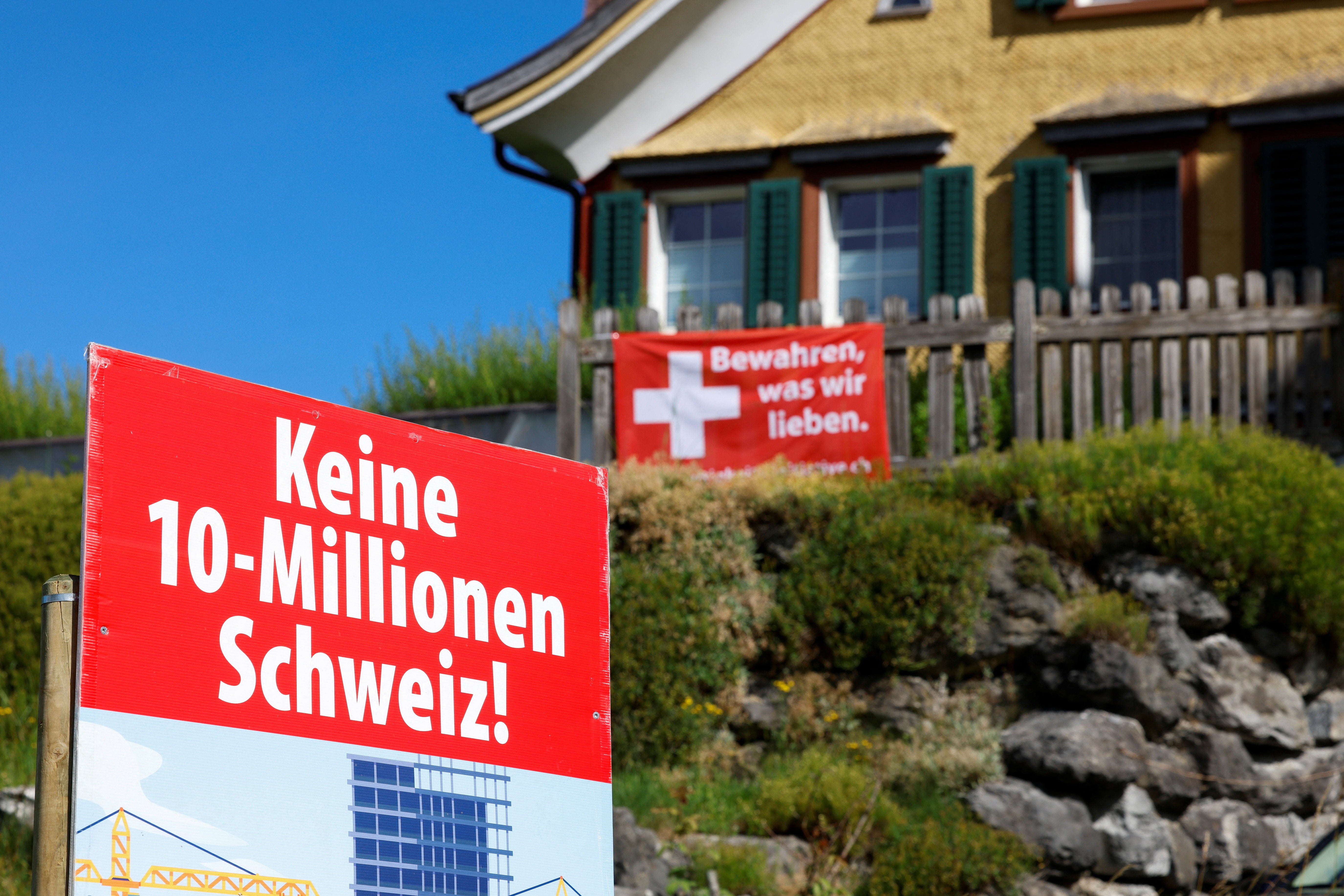
Switzerland's June 15, 2026 referendum rejection of a population cap initiative (55% opposition) represents a critical stabilization event for cross-border e-commerce sellers targeting the Swiss and broader EU markets. The Swiss People's Party's proposal would have capped population at 10 million by 2050 and implemented strict immigration controls at 9.5 million—threatening Switzerland's free movement of labor agreement with the European Union, a foundational pillar of EU-Swiss economic integration. The referendum outcome directly impacts seller operations through three mechanisms: (1) Market Access Preservation: Rejection ensures continued EU labor mobility, protecting the skilled workforce that Swiss companies depend on for logistics, fulfillment, and supply chain operations. Disruption would have increased operational costs 8-15% for sellers using Swiss distribution hubs. (2) Trade Relationship Stability: The vote signals Switzerland's commitment to deepening economic accords with the EU, countering geopolitical fragmentation risks. This is particularly significant given Switzerland faced the highest U.S. tariffs in Europe during 2025 following Trump administration pressure—the referendum's pro-integration messaging explicitly warned against European isolation. (3) Consumer Market Confidence: Urban centers (Zurich, Geneva, Basel, Lausanne, Bern) decisively rejected the cap, representing Switzerland's wealthiest, highest-consumption demographics. Voters aged 65+ showed strongest opposition (60%), followed by 50-64 age group (57%), indicating older, affluent consumers—key demographics for premium product categories—prioritize market openness.
For sellers, the immediate implication is supply chain continuity. Swiss-based 3PL providers and fulfillment centers can maintain EU labor access without regulatory disruption, preserving cost structures for sellers using Switzerland as a European distribution hub. The referendum also reinforces Switzerland's position as a stable, pro-trade jurisdiction within Europe, contrasting with rising protectionism elsewhere. Sellers targeting Swiss consumers (9.1M population, high purchasing power) benefit from confirmed market stability and continued EU integration momentum. The Swiss People's Party's pledge to maintain immigration pressure in future legislation signals ongoing political volatility, but the decisive referendum defeat indicates voter preference for economic openness over population controls.
Regional market dynamics: Urban Switzerland (Zurich metropolitan area ~1.3M, Geneva ~500K) represents 40%+ of Swiss consumer spending and skews toward imported goods, digital services, and premium categories. Rural cantons that backed the cap show lower e-commerce penetration and higher preference for domestic products. Sellers should weight inventory allocation toward urban centers and maintain EU supply chain flexibility given the confirmed pro-integration voter mandate.
Questions 7
Will the Swiss People's Party's pledge to maintain immigration pressure create future regulatory risks for sellers?
The Swiss People's Party signaled continued political focus on immigration policy despite the referendum defeat, indicating ongoing legislative pressure. However, the decisive 55% rejection demonstrates voter preference for economic openness over population controls. Sellers should monitor future legislative proposals but can reasonably expect that major immigration restrictions face voter opposition. The referendum outcome provides a 3-5 year window of policy stability before the next major immigration initiative, allowing sellers to plan supply chain investments with confidence.
How does Switzerland's current 9.1M population and urban concentration affect e-commerce market opportunity?
Switzerland's 9.1M population is small but highly concentrated in urban centers (Zurich metro ~1.3M, Geneva ~500K), which represent 40%+ of consumer spending. These urban areas decisively rejected the population cap, signaling continued openness to immigration and economic growth. The high purchasing power of Swiss consumers (GDP per capita ~$100K) makes them valuable despite small population size. Sellers should focus on premium categories and digital services targeting urban Switzerland, where consumer spending and import demand are concentrated.