


Fed Rate Hold at 3.5-3.75% Amid 4.2% Inflation | Cross-Border Seller Cost Crisis
- Elevated borrowing costs threaten seller margins; consumer sentiment at all-time low (57% cite price erosion); currency volatility expected from reduced Fed communication




Overview
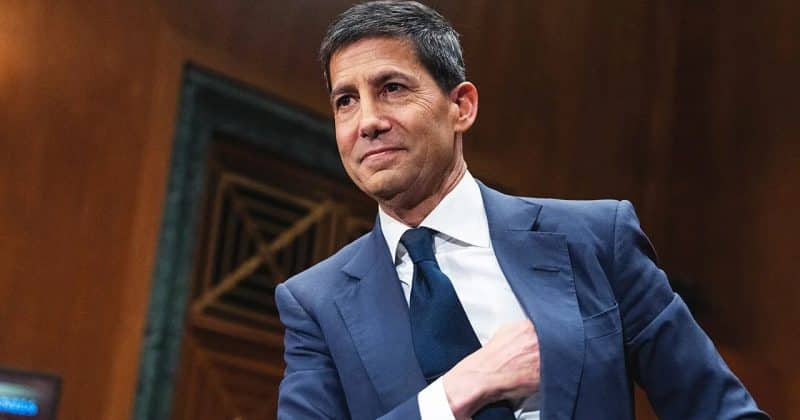
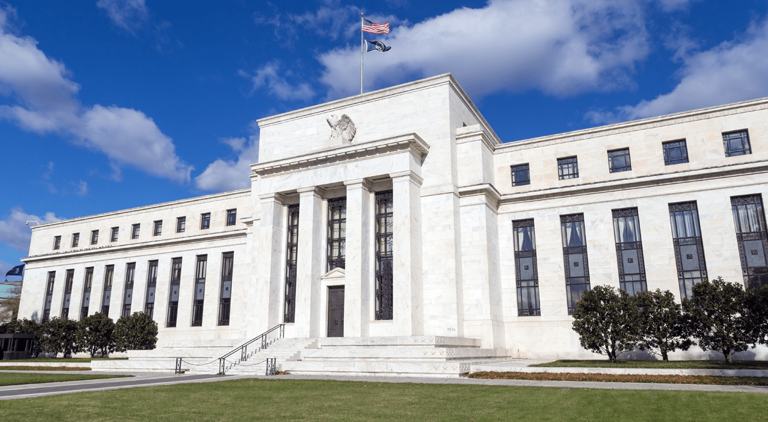
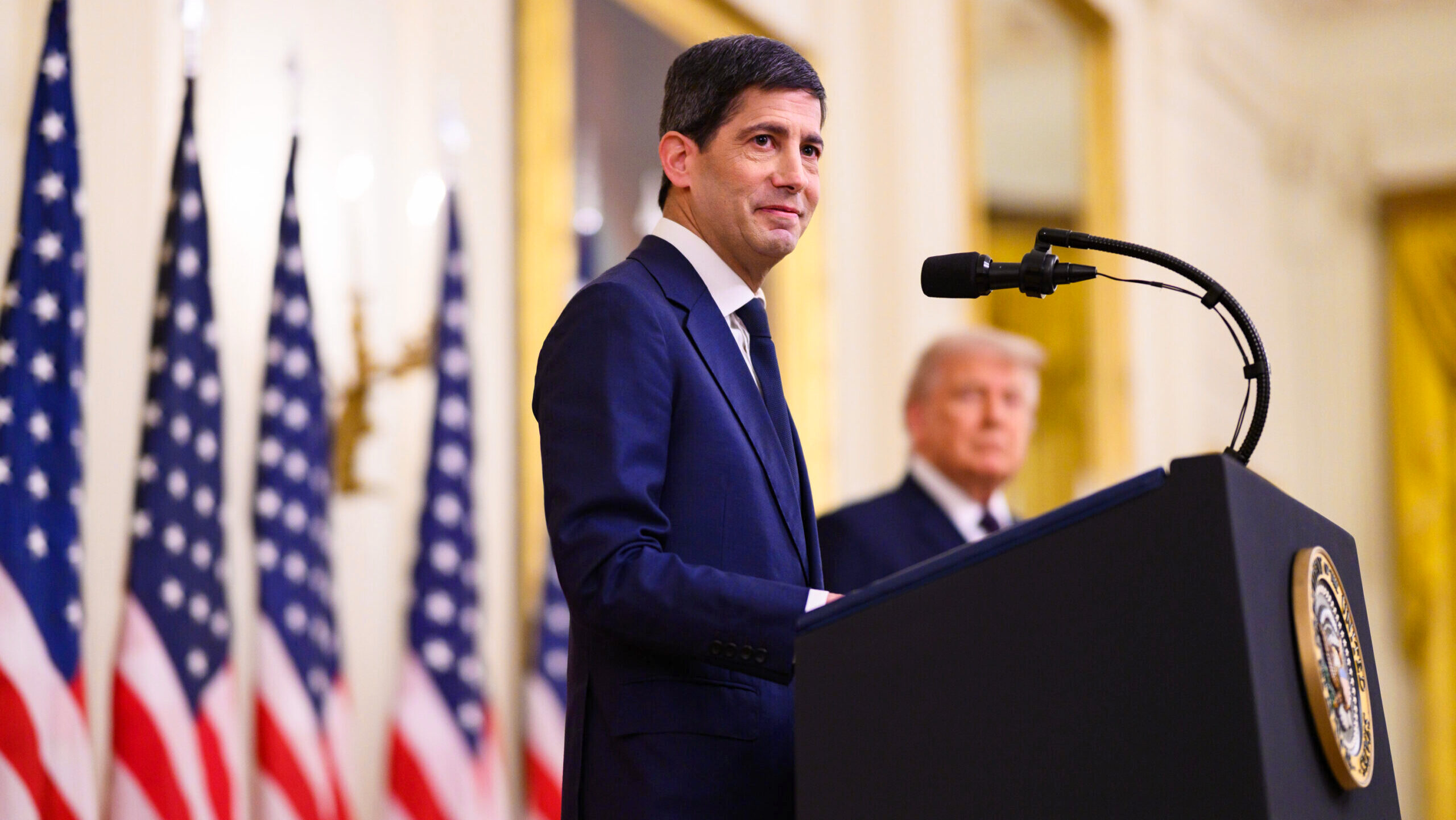
Federal Reserve Chair Kevin Warsh's June 2026 leadership debut arrives amid a critical inflation crisis that directly threatens cross-border e-commerce profitability. The Fed maintained its benchmark interest rate at 3.5-3.75% on June 16-17, 2026, despite Core CPI surging 4.2% year-over-year in May—the sharpest jump in three years—driven by Iran conflict-related energy price spikes. This represents a dramatic acceleration from February's 2.4% baseline, signaling persistent inflationary pressure that will compress seller margins across all categories.
For cross-border sellers, the operational impact is immediate and severe. Higher interest rates directly increase borrowing costs for inventory financing, working capital lines, and 3PL logistics expansion. Sellers utilizing Amazon FBA, Shopify Plus, or traditional bank financing will face 50-150 basis point rate increases on existing credit facilities, translating to $200-600 monthly cost increases for mid-sized sellers carrying $100K+ inventory. The Fed's Beige Book report explicitly notes firms are absorbing higher input costs to preserve customer demand—a direct signal that supplier price increases are cascading through supply chains. Simultaneously, consumer sentiment collapsed to an all-time low in May, with 57% of respondents citing high prices eroding personal finances, indicating demand destruction in discretionary categories (apparel, electronics, home goods) where cross-border sellers concentrate.
Warsh's communication strategy introduces additional currency and market volatility risks. His stated preference to "stop talking so much" and minimize Fed guidance creates unpredictable market conditions affecting currency exchange rates, borrowing availability, and consumer spending patterns—all critical variables for sellers operating across US, EU, and Asia-Pacific markets. Reduced Fed transparency will increase volatility in USD/EUR and USD/CNY exchange rates, directly impacting profit margins for sellers sourcing from China or Vietnam and selling into US/EU markets. The probability of rate hikes within 3-12 months is now acknowledged by major economists, which would further compress margins and reduce consumer discretionary spending. Sellers must immediately reassess inventory positioning, pricing strategies, and financing structures to navigate this high-inflation, high-uncertainty environment.
Questions 8
What product categories will be hit hardest by the 57% consumer sentiment collapse?
Discretionary categories face the greatest demand destruction: apparel (typically sees 15-25% demand drop during consumer confidence crises), electronics (10-18% decline), home goods (12-20% decline), and luxury items (20-35% decline). Essential categories like health/beauty, food/grocery, and pet supplies show resilience (2-5% decline). The news reports 57% of consumers cite high prices eroding personal finances, indicating price sensitivity will spike. Sellers should immediately audit inventory composition—shift 20-30% of capital from discretionary to essential categories. Monitor Amazon Best Seller Rank (BSR) trends in your categories weekly; discretionary categories typically see 15-30% BSR deterioration during inflation spikes.
Should I increase inventory now before potential Fed rate hikes later in 2026?
No—the current environment favors inventory reduction, not expansion. Economists now acknowledge rate hike probability within 3-12 months, which will increase carrying costs and financing expenses. The Fed's Beige Book indicates firms are already absorbing higher input costs, meaning supplier prices will continue rising through Q3-Q4 2026. Instead, implement just-in-time inventory strategies: reduce safety stock by 15-25%, increase order frequency, and negotiate shorter payment terms with suppliers. For Amazon FBA, monitor your Inventory Performance Index (IPI) score—aim to keep inventory turns above 8x annually to minimize storage fees during this high-cost period.