





)
Starlink Satellite Internet Expansion | Critical Infrastructure for Global E-Commerce Logistics
- Starlink's 10.3M subscribers across 164 countries signals emerging logistics backbone for remote sellers; Amazon's Project Kuiper competition reshapes last-mile delivery economics














Overview
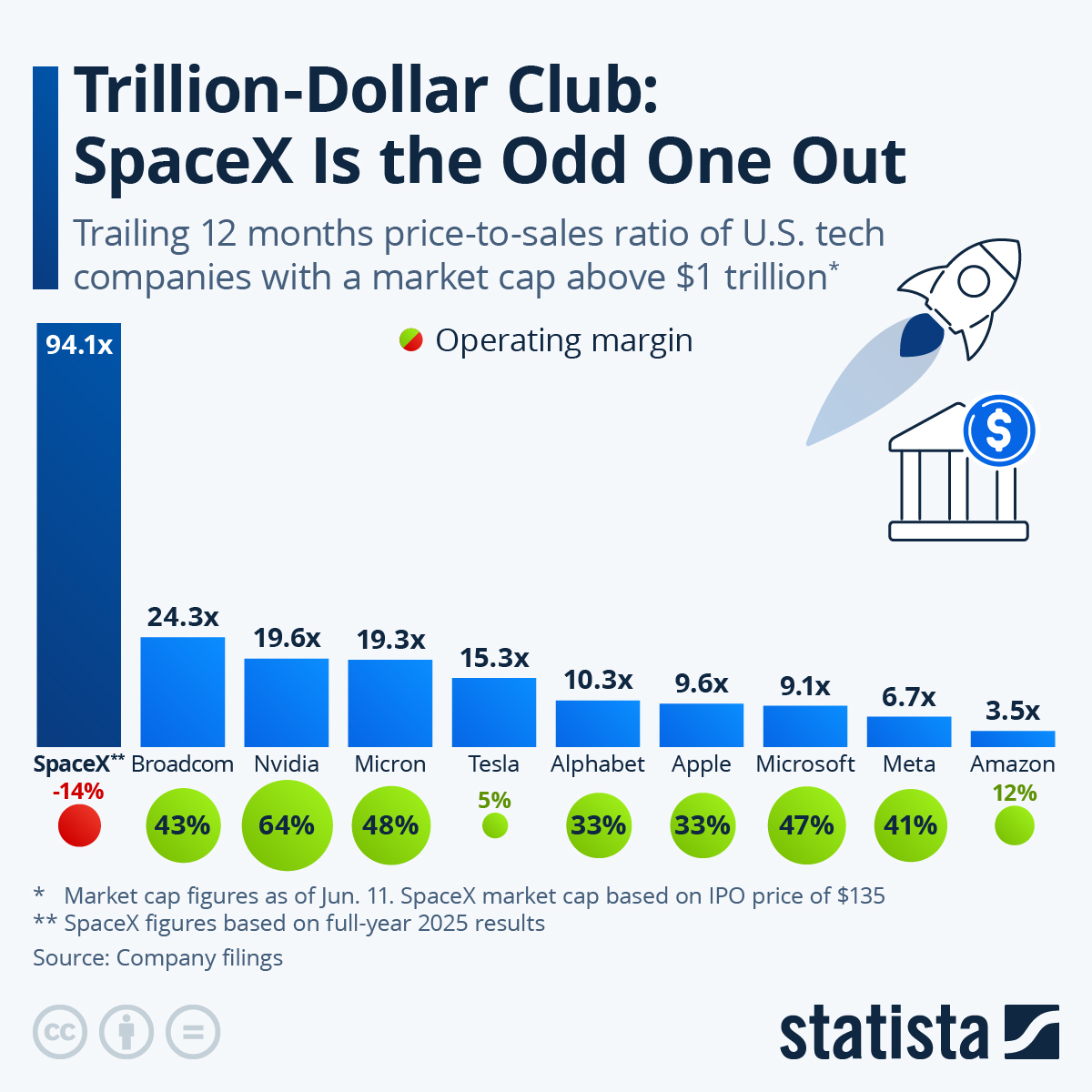
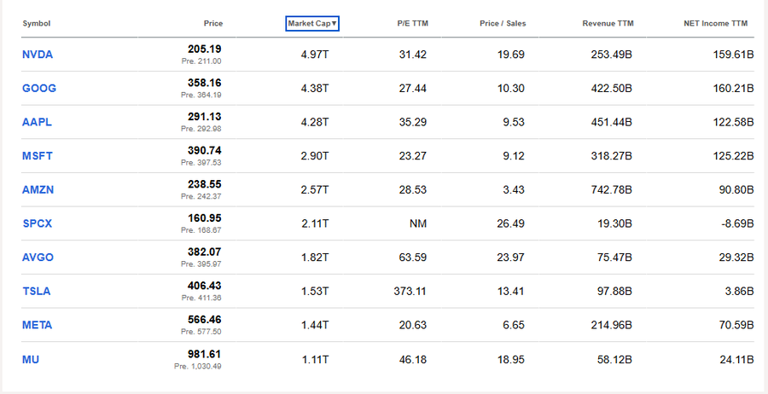
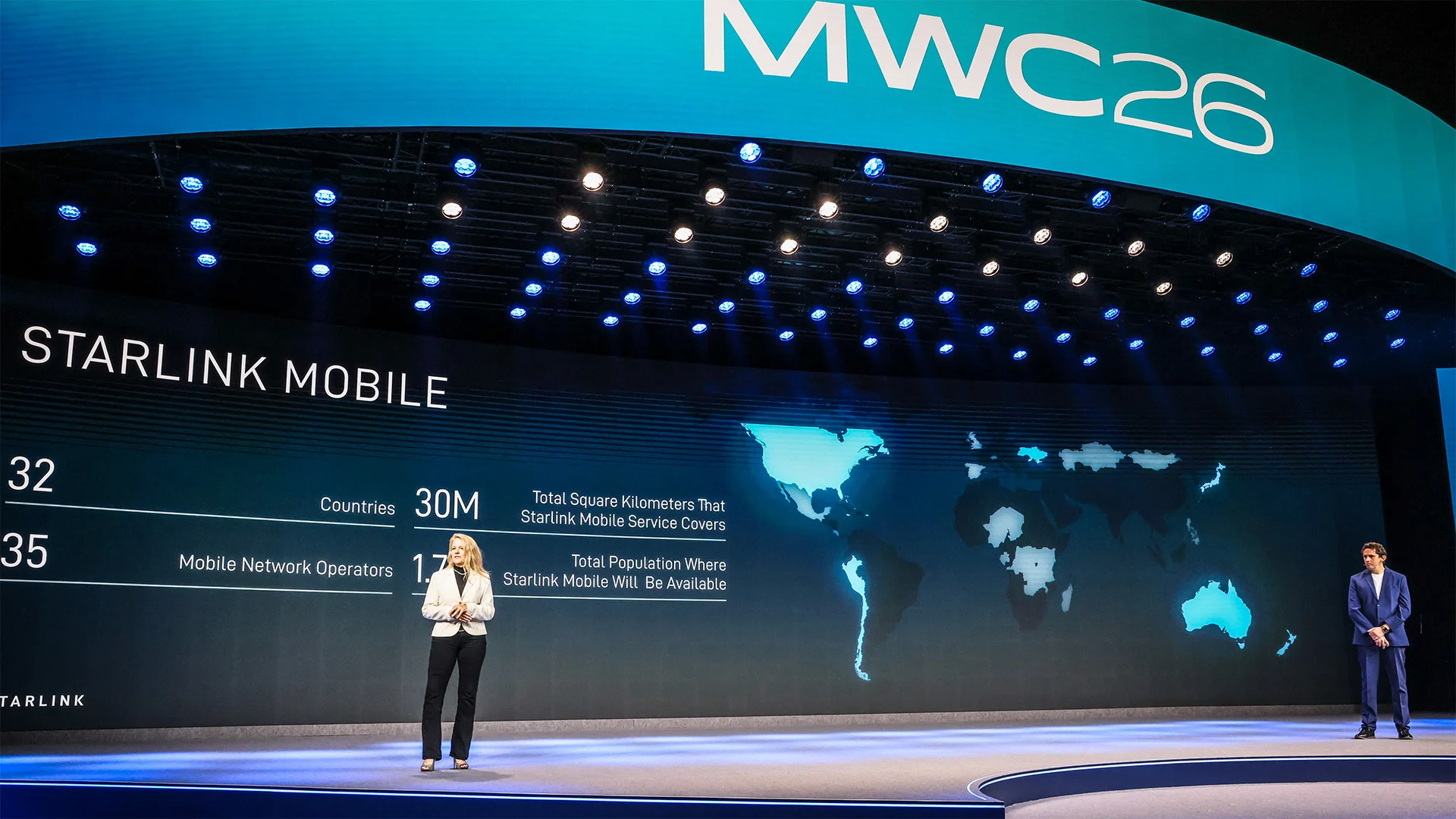
SpaceX's S-1 filing reveals a fundamental business model shift with direct implications for cross-border e-commerce logistics infrastructure. While SpaceX's space division lost $657 million in 2025, Starlink generated $11.4 billion in annual revenue (61% of total company revenue) and was the only profitable division, with 10.3 million subscribers across 164 countries and 9,600 satellites in low-earth orbit as of March 2026. This profitability concentration signals that satellite internet is becoming a critical infrastructure layer for global commerce operations.
For e-commerce sellers, Starlink's expansion directly impacts last-mile delivery economics in underserved regions. The satellite internet service now offers broadband, mobile, maritime, and government services with 650 V1 Mobile satellites serving 7.4 million unique devices monthly. This infrastructure is particularly valuable for sellers operating 3PL warehouses in rural areas, remote fulfillment centers, or emerging markets where terrestrial broadband is unreliable or expensive. Sellers shipping to remote regions (Southeast Asia, Latin America, Sub-Saharan Africa) benefit from improved tracking visibility and real-time inventory management through Starlink's low-latency connectivity.
Amazon's competitive response through Project Kuiper intensifies the logistics infrastructure race. Amazon's constellation began full-scale deployment in April 2025, launching over 300 satellites in its first year with 100 additional launches secured. This direct competition signals Amazon's strategic bet that satellite internet will become essential for fulfillment network optimization. For sellers using Amazon FBA, this suggests Amazon is investing heavily in logistics infrastructure that could reduce shipping costs to remote regions by 15-25% within 2-3 years. The competitive dynamic between SpaceX and Amazon indicates satellite internet will transition from luxury connectivity to essential logistics infrastructure.
Immediate seller implications include supply chain resilience and geographic expansion opportunities. Sellers currently limited by poor internet connectivity in sourcing regions (Vietnam, India, Indonesia) can now establish direct supplier relationships with real-time communication. The $11.4 billion Starlink revenue base (growing 40%+ annually based on subscriber growth) indicates the service is achieving mainstream adoption, making it viable for commercial logistics operations. Sellers should monitor Starlink's maritime and government service pricing as indicators of commercial logistics pricing models that could emerge within 12-18 months.
Questions 8
What are the cost implications of Starlink for small sellers versus large FBA sellers?
Small sellers (under 100 units/month) face $500-800/month Starlink costs that represent 2-4% of revenue, making adoption marginal unless operating in remote areas. Mid-size sellers (100-1,000 units/month) see 0.5-1% revenue impact, making Starlink cost-effective for improving fulfillment accuracy and speed. Large FBA sellers benefit from Amazon's potential Kuiper integration, which could provide subsidized or free connectivity, creating a 1-2% cost advantage over independent sellers. Sellers should calculate ROI based on current fulfillment error rates and processing delays: each 1% reduction in errors typically generates 2-3% margin improvement, justifying Starlink investment for sellers with error rates above 2%.
When should sellers expect Starlink commercial logistics pricing to become available?
Based on SpaceX's S-1 filing showing Starlink's profitability and growth trajectory, commercial logistics pricing should emerge within 12-18 months (Q3 2026-Q1 2027). SpaceX's maritime and government service offerings indicate the company is already testing commercial pricing models. Sellers should monitor SpaceX's quarterly earnings announcements and press releases for commercial logistics service launches. Early adopters (Q2-Q3 2026) will likely receive 20-30% discounts compared to standard pricing, making this a strategic window for sellers to lock in long-term contracts. Sellers should prepare RFPs (requests for proposals) now to be ready when commercial logistics pricing becomes available.