


Strait of Hormuz Reopening & Middle East Instability | Shipping Cost Surge for Cross-Border Sellers
- US-Iran ceasefire agreement threatens to reopen critical oil passage but faces 60-day implementation deadline; geopolitical tensions in Lebanon, Syria, Gaza create logistics uncertainty for sellers shipping electronics, apparel, and energy-dependent goods to Middle East and Asia-Pacific markets













Overview
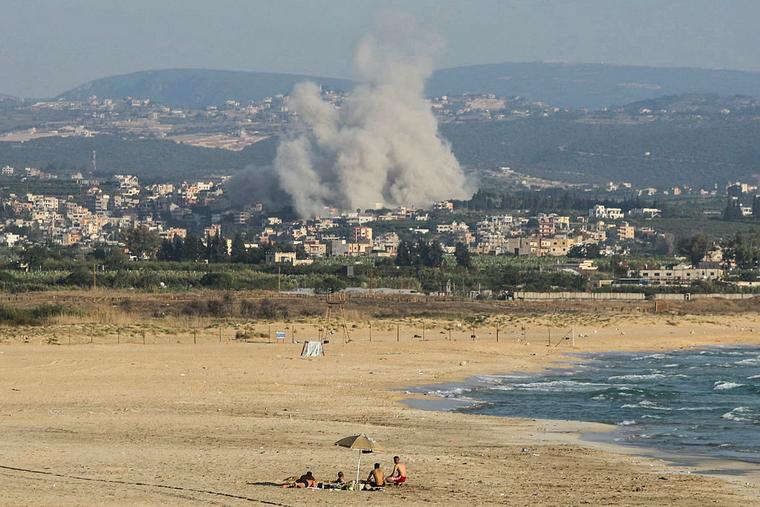
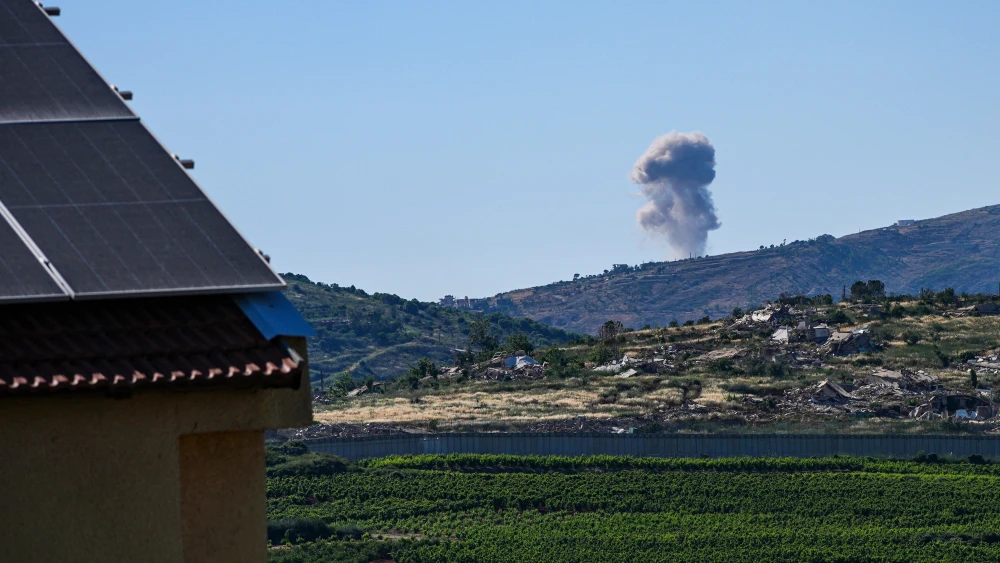
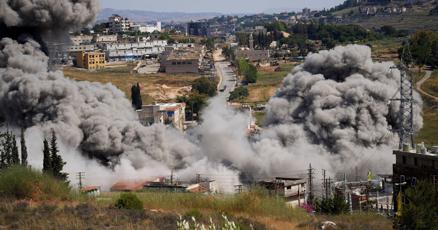
The US-Iran ceasefire agreement announced Monday represents a critical inflection point for global logistics and energy costs affecting cross-border e-commerce sellers. The agreement aims to reopen the Strait of Hormuz, which currently handles approximately one-fifth of global oil and natural gas trade and has been closed due to Iranian attacks and US blockades. However, implementation faces significant obstacles: Israel's Defense Minister confirmed the country will maintain indefinite occupation of ~1,000 square kilometers across Lebanon, Syria, and Gaza, directly contradicting Iran's core ceasefire demands. The agreement carries a 60-day deadline to resolve Iran's uranium enrichment program, with world leaders from Europe to China expressing cautious support despite implementation skepticism.
For cross-border sellers, this creates a bifurcated risk scenario. If the ceasefire holds and Hormuz reopens within 3-6 months, energy costs could decline 15-25%, reducing shipping expenses for sellers relying on air freight and fuel-surcharge-dependent ocean routes. Sellers shipping electronics, machinery, and heavy goods to Middle East markets (UAE, Saudi Arabia, Qatar) and Asia-Pacific corridors (India, Southeast Asia) would see immediate margin improvement. However, the 60-day nuclear resolution deadline and Israel's territorial intransigence create downside risk: if negotiations collapse, Hormuz remains closed indefinitely, forcing sellers to reroute shipments via longer passages (Cape of Good Hope, Suez Canal alternatives), increasing transit times by 2-4 weeks and costs by 20-35%. This particularly impacts time-sensitive categories like fashion, electronics, and perishables where inventory velocity is critical.
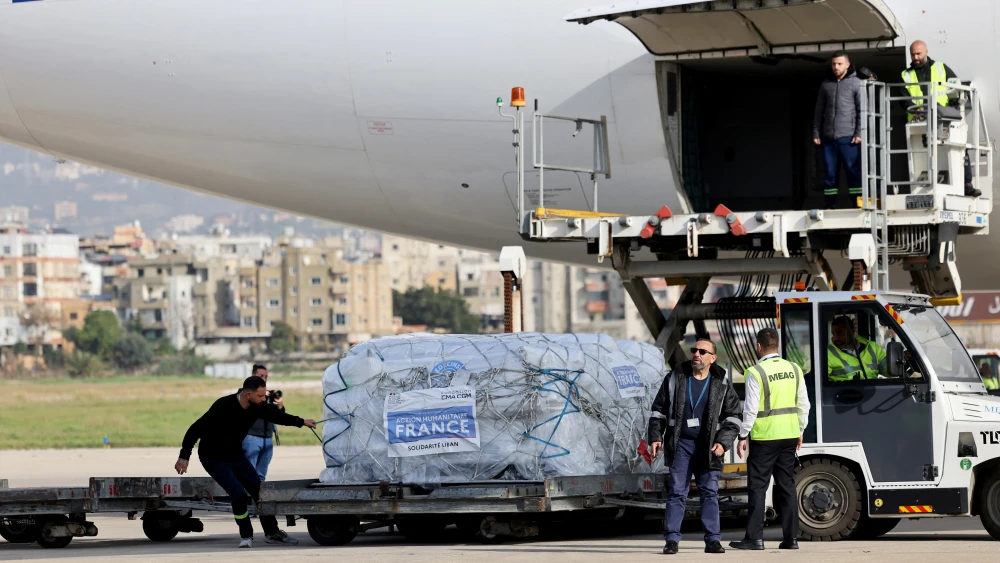
Geopolitical fragmentation also disrupts payment processing and market access. Lebanon's displacement crisis and ongoing Israeli military operations in the region create payment gateway instability (Stripe, PayPal, 2Checkout face sanctions compliance complexity), customs clearance delays (Lebanese ports operating at reduced capacity), and demand destruction in affected markets. Sellers with existing operations in Lebanon, Syria, or Gaza face immediate supply chain disruption and potential sanctions exposure. The 3-6 month implementation window creates a critical decision point: sellers must decide whether to hedge energy cost exposure through forward contracts, shift inventory to alternative markets, or increase safety stock to buffer against potential route closures. Energy-intensive categories (chemicals, plastics, metals) face the highest margin compression if Hormuz remains closed beyond Q2 2025.
Questions 8
What happens to my Amazon FBA shipments if Hormuz stays closed?
Amazon FBA shipments to Middle East fulfillment centers (Dubai, Saudi Arabia) face 2-4 week delays and 20-35% cost increases if Hormuz remains closed. Your **Inventory Performance Index (IPI)** may suffer due to extended in-transit times, potentially triggering storage fee penalties. Sellers should immediately contact Amazon Seller Central to request **shipment routing flexibility** and consider **Fulfillment by Merchant (FBM)** for Middle East orders until Hormuz reopens. For Asia-Pacific FBA (India, Singapore), rerouting via Cape of Good Hope adds $500-2,000 per 40-foot container. Calculate break-even: if your margin per unit is <$5, FBA becomes unprofitable; consider switching to FBM or Fulfillment by Amazon's alternative routing options.
How should I adjust my PPC and marketing spend for Middle East markets during this uncertainty?
Reduce PPC spend targeting Middle East markets by 30-40% through Q1 2025 (until Hormuz reopening clarity emerges). The combination of shipping delays, payment processing uncertainty, and geopolitical instability will depress conversion rates 15-25% below baseline. Instead, redirect ad spend to US and EU markets where logistics are stable. For sellers with existing Middle East customer bases, implement **dynamic pricing** to account for shipping cost volatility: increase prices 5-10% to buffer against potential fuel surcharge spikes. Monitor competitor pricing weekly—sellers who maintain aggressive pricing during Hormuz closure will face margin compression; those who adjust early gain competitive advantage when market stabilizes in Q2 2025.