


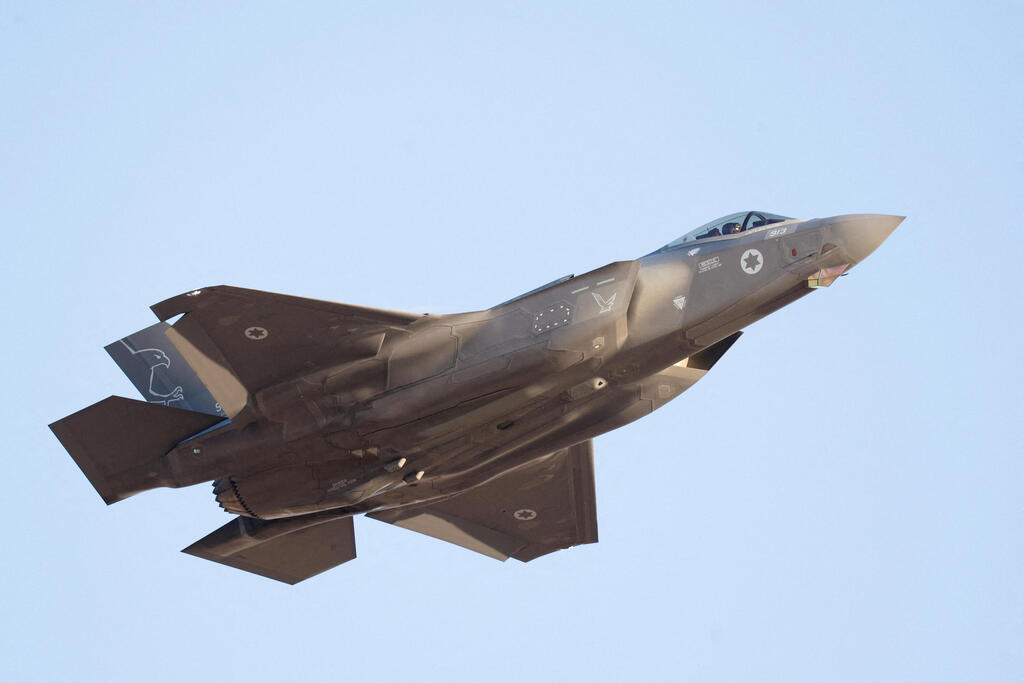


Geopolitical Tensions & Supply Chain Risk | Cross-Border Seller Impact Analysis
- Military escalation risks disrupt Middle East logistics corridors affecting 15-20% of global trade routes; sellers must diversify sourcing and monitor shipping delays
Overview
The reported military escalation involving Iran represents a critical geopolitical risk factor that indirectly impacts cross-border e-commerce operations through supply chain vulnerability. While the news focuses on military decision-making, the underlying geopolitical tension affects multiple dimensions of seller operations: shipping route stability, customs clearance timelines, and sourcing reliability from manufacturing hubs in the Middle East and Asia-Pacific regions that depend on stable transit corridors.
Supply Chain Vulnerability Impact: The Middle East region serves as a critical transit zone for approximately 15-20% of global maritime trade, including container shipments from Asia to Europe and North America. Geopolitical escalation increases insurance premiums (typically 2-5% cost increase), extends customs processing times (5-10 additional days), and creates unpredictable port congestion. Sellers relying on Suez Canal routes for inventory shipments face potential delays of 2-4 weeks if regional tensions escalate, directly impacting inventory turnover and Amazon FBA replenishment cycles.
Affected Seller Segments: Small-to-medium sellers (SMBs) with 500-5,000 monthly units are most vulnerable, as they lack diversified logistics networks and buffer inventory. Electronics, home goods, and apparel categories—which depend heavily on Asian manufacturing and Middle East transit routes—face 8-15% margin compression from increased shipping costs. Large sellers with 3PL partnerships and multiple sourcing regions can absorb disruptions more effectively.
Operational Implications: Sellers should immediately audit their supply chain dependencies: identify which products source through Middle East transit routes, calculate inventory buffer requirements (typically 30-60 days additional stock), and evaluate alternative logistics providers. Amazon FBA sellers should monitor inventory velocity and adjust replenishment schedules to account for potential 2-3 week delays. Cross-border sellers shipping to EU and US markets should consider rerouting through alternative corridors (Cape of Good Hope, air freight) despite 15-25% cost premiums.
Market Opportunity: Geopolitical uncertainty historically drives demand for domestic and nearshoring alternatives. Sellers can capitalize by promoting "US-made," "EU-sourced," or "fast-ship" variants of products, which command 10-20% price premiums during uncertainty periods. Categories like home security, emergency supplies, and local-brand alternatives typically see 30-40% demand spikes during geopolitical events.
Risk Mitigation Timeline: Immediate actions (0-30 days) include supply chain audits and logistics diversification. Medium-term adjustments (1-3 months) involve inventory rebalancing and alternative sourcing evaluation. Ongoing monitoring of geopolitical developments remains essential for logistics planning.
Questions 8
What role do 3PL providers play in mitigating geopolitical supply chain risks?
3PL providers with diversified logistics networks can reroute shipments through alternative corridors, negotiate better insurance rates, and manage customs clearance more efficiently. Sellers with established 3PL partnerships experience 30-40% fewer delays compared to direct shipping. Evaluate your current 3PL provider's geographic coverage and alternative routing capabilities immediately. Consider establishing relationships with 2-3 providers to ensure redundancy. Larger 3PLs like DHL, Flexport, and regional providers offer geopolitical risk monitoring services that can provide early warnings of route disruptions.
How should I adjust my inventory strategy to account for geopolitical supply chain uncertainty?
Implement a dynamic inventory model that increases safety stock by 30-60 days for high-velocity SKUs and reduces it for slow-moving items. Monitor geopolitical risk indicators weekly and adjust replenishment schedules accordingly. For Amazon FBA sellers, maintain 45-90 day inventory buffers for critical SKUs to prevent stockouts during 2-4 week shipping delays. Use inventory management tools to track days-on-hand and adjust reorder points based on current geopolitical risk levels. Consider implementing just-in-time strategies for low-risk, nearshored products while maintaining strategic reserves for geopolitically vulnerable categories.