

)


G7 Fragmentation & China Trade War | Tariff Risk & Supply Chain Shifts for Cross-Border Sellers
- Coordinated tariff increases likely by June 2026; sellers face 8-15% cost increases on China-sourced electronics, apparel, automotive parts; EU-based sellers most vulnerable to decoupling initiatives













Overview
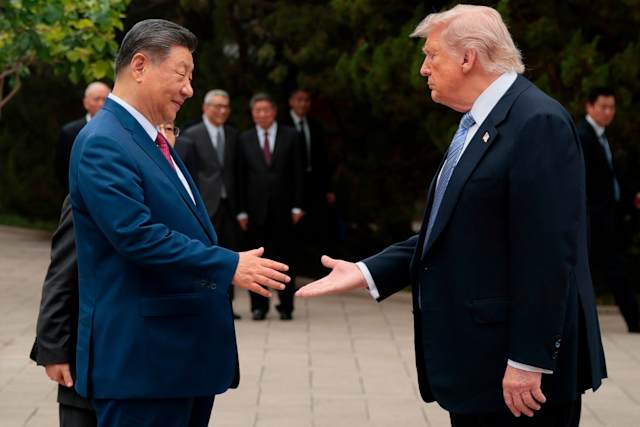
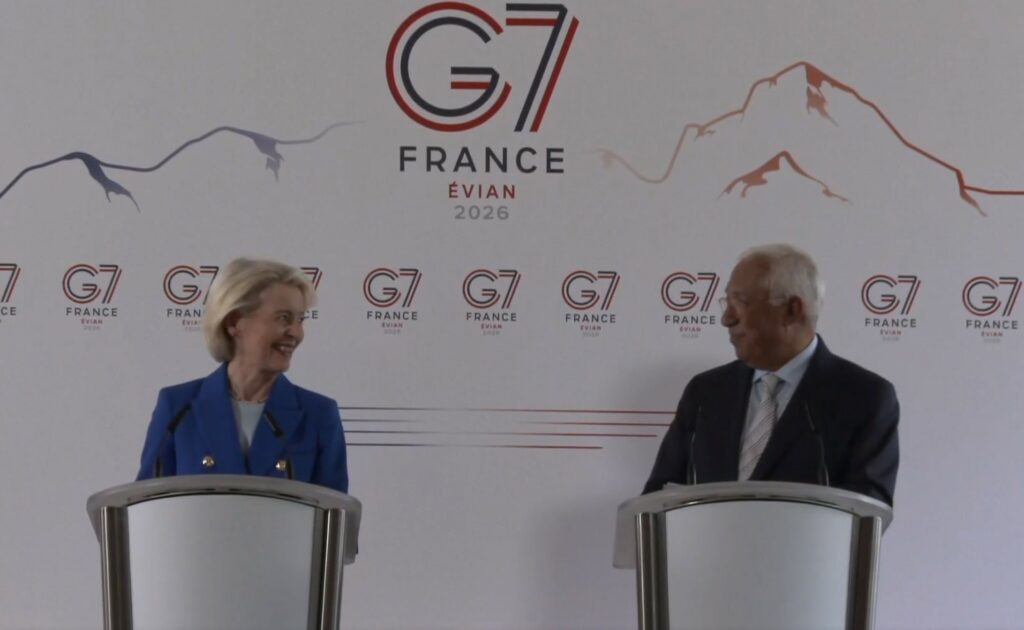
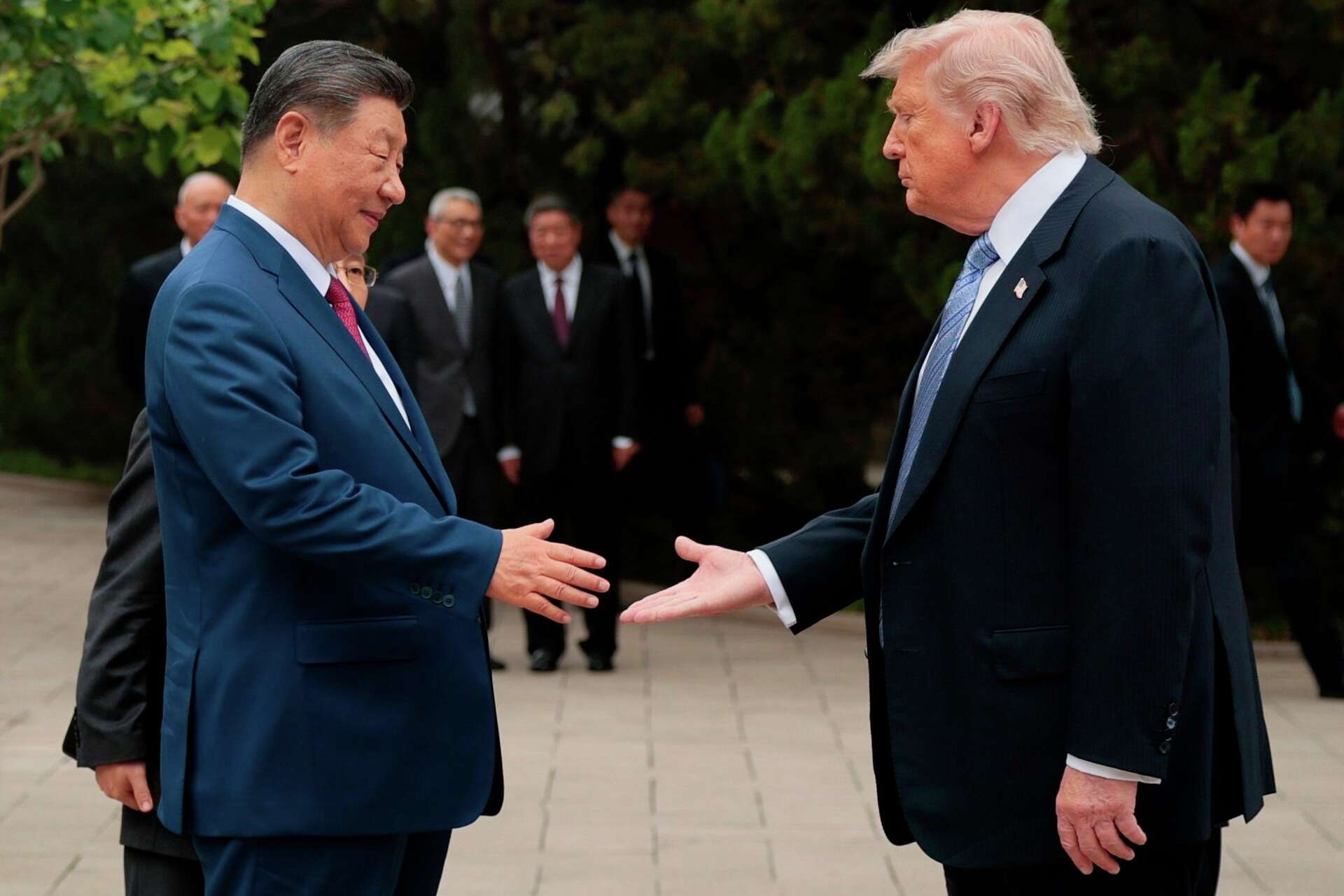
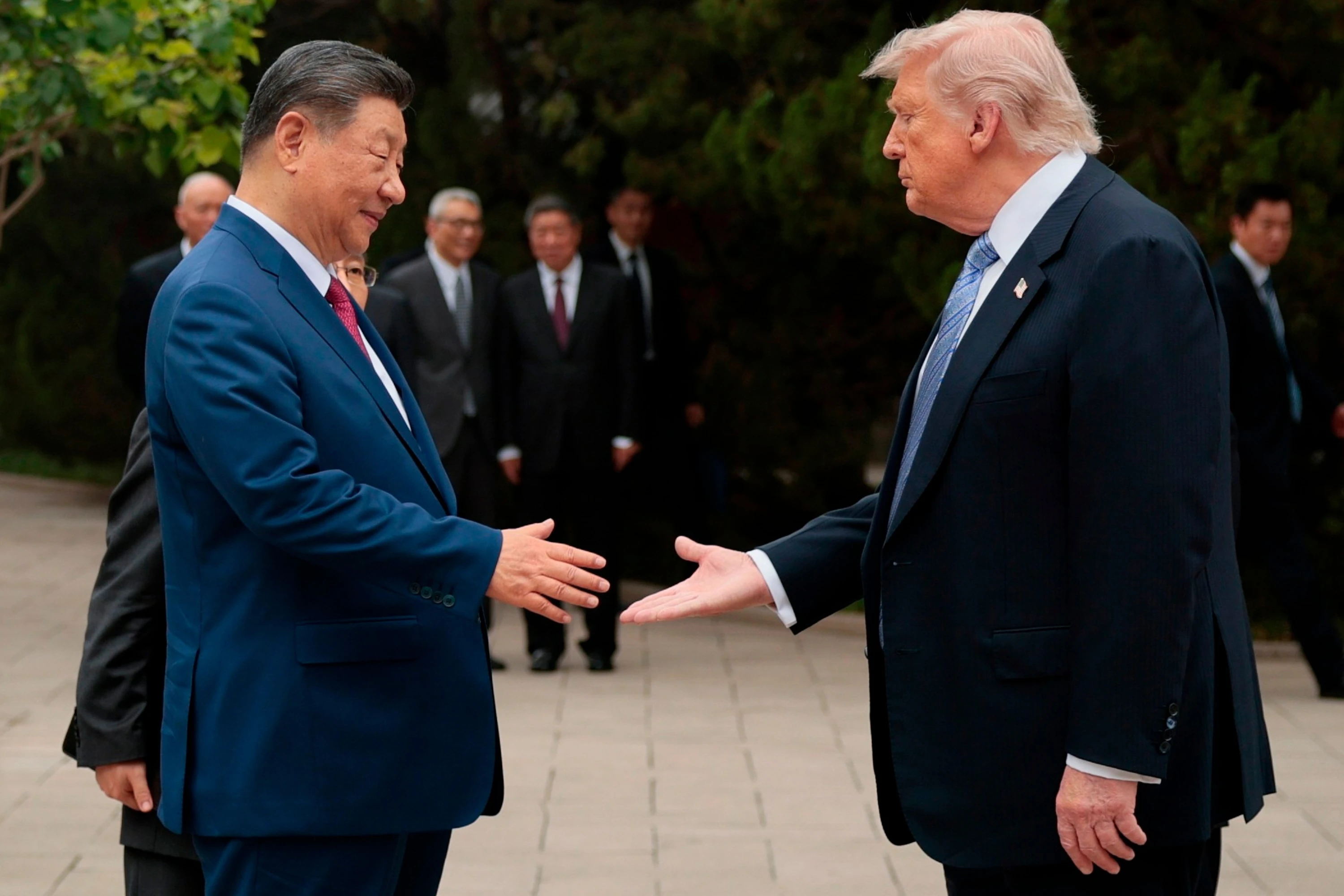
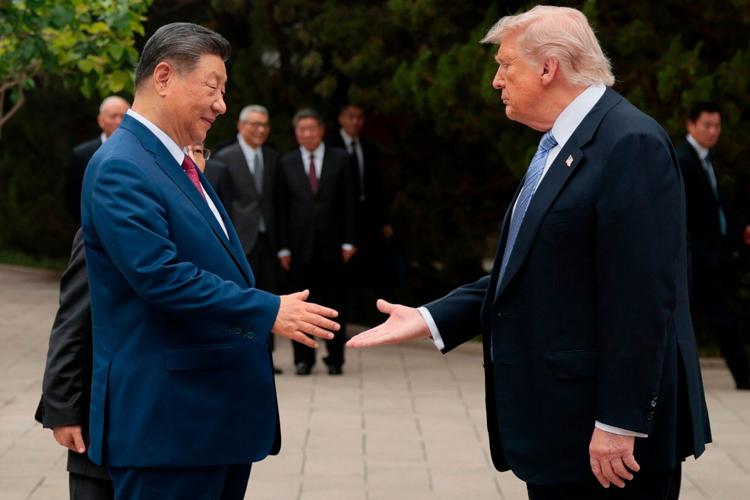
The G7's fractured response to China's $1.2 trillion trade surplus and industrial oversupply is creating a critical tariff arbitrage window for cross-border sellers through mid-2026. Trump's "G2" bilateral diplomacy concept—prioritizing U.S.-China deals over multilateral G7 coordination—has splintered Western unity on trade policy. The June 15-17, 2026 G7 summit in Évian-les-Bains will serve as a pivotal moment where leaders attempt to coordinate responses to China's surging exports of automobiles, electronics, and manufactured goods. However, the EU's resistance to unilateral tariffs, Japan's vulnerability following China's 4-month rare earth export restrictions, and Canada's divergent stance create a coordination vacuum that sellers can exploit strategically.
For sellers sourcing from China, this geopolitical fragmentation creates a 6-12 month window of tariff uncertainty before coordinated G7 measures likely take effect. Currently, the lack of Western unity means tariff increases will be uneven: U.S. sellers may face 12-18% tariffs on electronics and apparel under Trump's bilateral approach, while EU sellers still benefit from lower MFN rates (typically 5-8% on HS codes 6204, 8471, 8517) due to the bloc's diplomatic engagement strategy. Japan's rare earth supply constraints (HS code 2844-2846) have already increased input costs 15-25% for automotive and high-tech manufacturers, creating margin compression that will cascade to sellers of electronics, power tools, and automotive accessories. The news indicates that by Q2 2026, coordinated tariff increases on Chinese industrial goods could reach 15-25% across G7 markets, with automotive (HS 8704-8708) and consumer electronics (HS 8471, 8517) facing the steepest increases.
Strategic sourcing diversification is now urgent. Sellers currently dependent on China-sourced inventory should begin shifting 20-30% of procurement to Vietnam, India, and Indonesia by Q1 2026—before tariff coordination takes effect. Vietnam's automotive parts and electronics manufacturing (HS 8704, 8471) currently enjoy lower tariff exposure and benefit from CPTPP trade agreements that provide 2-5% tariff advantages over Chinese competitors. Small and medium sellers (annual revenue $500K-$5M) face the highest risk, as they lack the scale to absorb 8-12% cost increases on bulk inventory. Large sellers with established 3PL networks in multiple countries can leverage tariff arbitrage by routing shipments through lower-tariff jurisdictions—a strategy that becomes critical if G7 coordination accelerates. The diplomatic rift between Trump's transactional approach and the EU's multilateral preference means tariff policy will remain volatile through 2026, creating both risk and opportunity for sellers who can navigate shifting regulatory landscapes.
Questions 7
How should I adjust my 3PL strategy for multi-country tariff exposure?
Sellers should establish 3PL networks in Vietnam, India, and Indonesia to create tariff-optimized supply chains. Instead of consolidating inventory in a single China-based warehouse, distribute stock across multiple countries to route shipments through lower-tariff jurisdictions. For example, route U.S.-bound electronics through Vietnam (CPTPP advantage), EU-bound goods through India (lower tariff exposure), and Asia-Pacific sales from Indonesia. This multi-country 3PL approach increases operational complexity but provides 3-8% tariff savings compared to single-country sourcing. The investment in multi-country logistics infrastructure becomes critical as G7 tariff coordination accelerates. Sellers with $2M+ annual revenue should begin implementing this strategy immediately.
Which product categories face the highest tariff risk from G7 coordination?
Automotive parts (HS 8704-8708), consumer electronics (HS 8471, 8517), and apparel (HS 6204) face the highest tariff risk from G7 coordination. The news specifically mentions 'surging Chinese exports of automobiles and other products' as a primary concern for G7 leaders, indicating these categories will be priority targets for tariff increases. Sellers in these categories should expect 15-25% tariff increases by Q2 2026. Lower-risk categories include specialty chemicals, machinery components, and niche consumer goods where Chinese competition is less dominant. Sellers should prioritize sourcing diversification for high-risk categories and consider shifting to higher-margin, lower-tariff-exposure products.