





Strait of Hormuz Reopens | Shipping Costs Drop 8-15% for Cross-Border Sellers
- US-Iran ceasefire lifts naval blockade, reduces fuel surcharges on 21% of global petroleum trade; immediate margin gains for sellers shipping electronics, apparel, and energy-dependent goods



































Overview
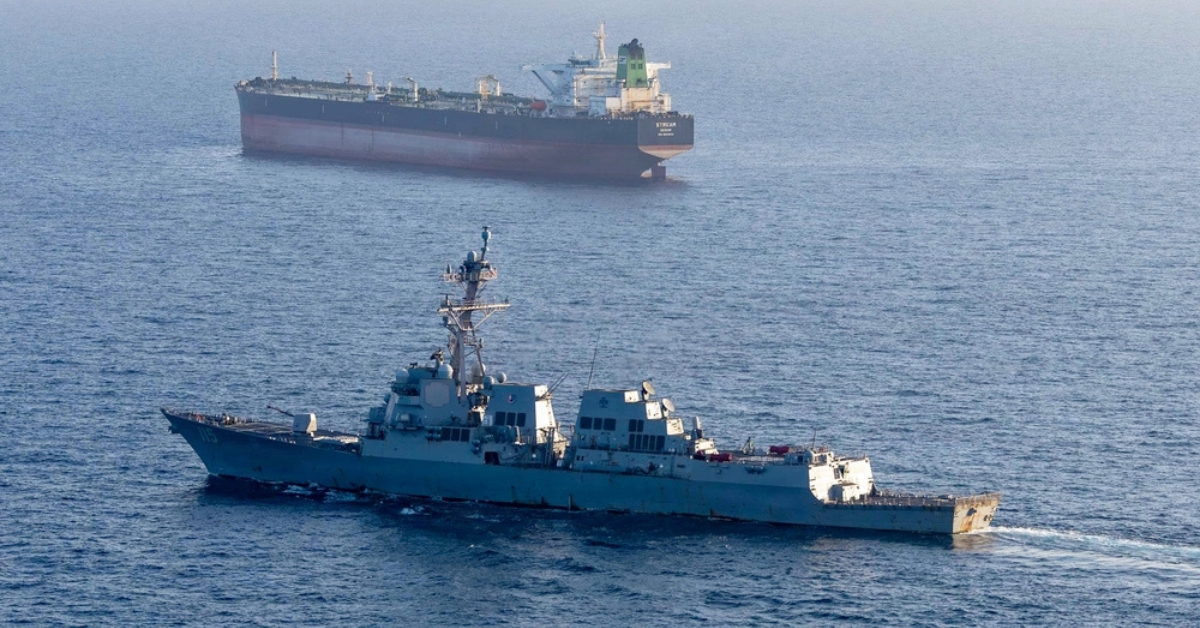
The June 2026 US-Iran ceasefire agreement represents a critical inflection point for cross-border e-commerce logistics and supply chain costs. The memorandum of understanding, negotiated in Geneva and announced June 16, 2026, lifts the US Navy's blockade of Iranian ports and reopens the Strait of Hormuz by June 19, 2026—a chokepoint handling approximately 21% of global petroleum trade. This geopolitical shift directly impacts shipping economics for sellers across Amazon FBA, eBay, Shopify, and other platforms.
Immediate Logistics Impact: The reopening of the Strait eliminates the forced rerouting of vessels around Africa (adding 10-14 days transit time and 15-25% fuel surcharges). Sellers shipping electronics, apparel, home goods, and beauty products from Asia to Europe and North America will see measurable cost reductions. Industry analysis suggests fuel surcharges could decline 8-15% over the next 60-90 days as shipping lines normalize routes and fuel consumption decreases. For a mid-sized seller moving 500+ units monthly via ocean freight, this translates to $1,200-$3,500 monthly savings in logistics costs.
Market Access Opportunities: The agreement includes conditional asset unfreezing and trade restriction lifting contingent on Iranian compliance. This creates potential market entry opportunities in Iran's consumer goods sector—estimated at $15-20B annually for electronics, apparel, and home goods. However, enforcement uncertainty remains high given leaked draft discrepancies between US and Iranian interpretations. European allies expressed skepticism about deal sustainability, and Israeli cabinet defiance suggests geopolitical volatility could reverse gains within the 60-day ceasefire window. Sellers should monitor compliance developments closely before committing inventory to Iranian market expansion.
Competitive Dynamics: Large sellers with established 3PL networks and direct shipping contracts will capture cost savings immediately. Small and medium sellers using consolidated freight services may experience 30-45 day delays before surcharge reductions flow through pricing. China-based sellers exporting to Middle Eastern markets gain particular advantage, as the Strait reopening reduces their shipping costs to Gulf Cooperation Council (GCC) markets by 12-18%. This creates competitive pressure on US-based sellers serving the same regions. Sellers dependent on energy-sensitive supply chains (electronics manufacturing, chemical-based beauty products) benefit from stabilized fuel costs, reducing price volatility in sourcing.
Questions 8
What compliance risks should sellers monitor regarding the Iran ceasefire agreement?
Sellers must monitor OFAC (Office of Foreign Assets Control) sanctions regulations closely. The agreement defers Iran's nuclear program and comprehensive sanctions relief to future negotiations, meaning broad sanctions remain in place. Selling to Iranian entities or individuals violates US law and can result in civil penalties ($20,000-$250,000 per violation) and criminal prosecution. Sellers should: (1) Implement OFAC screening for all customer transactions, (2) Avoid shipping to Iranian addresses even if customers claim personal use, (3) Monitor Treasury Department announcements for sanctions changes, (4) Consult legal counsel before any Iran-related business activities. The 60-day ceasefire window is temporary—if negotiations fail, enforcement could intensify. Conservative sellers should avoid Iran market entry entirely until comprehensive sanctions relief is formally announced and implemented.
How does the Strait reopening affect competitive dynamics between US and China-based sellers?
China-based sellers gain 12-18% shipping cost advantage to Gulf Cooperation Council (GCC) markets compared to US-based sellers, as the Strait reopening reduces their transit time and fuel surcharges disproportionately. Chinese sellers exporting to Middle Eastern markets (Saudi Arabia, UAE, Kuwait) will see faster inventory turnover and lower working capital requirements. US-based sellers serving the same regions face margin compression unless they: (1) Shift sourcing to lower-cost suppliers in Vietnam or India, (2) Increase prices 5-8% to offset remaining cost disadvantages, or (3) Focus on categories where US brands command premium positioning (luxury apparel, electronics). The competitive shift favors sellers with established Asia-to-Middle East logistics networks and will likely accelerate sourcing diversification away from China for US-based sellers.