



South Korea Consumer Activism Crisis | Cultural Sensitivity Compliance for Sellers
- 26% payment volume drop signals rapid boycott impact; sellers targeting Korean market must audit cultural messaging to avoid 25%+ revenue loss
















Overview
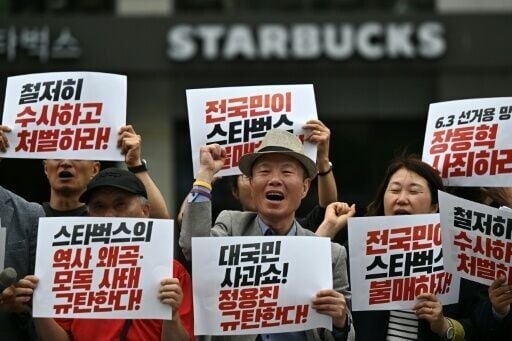
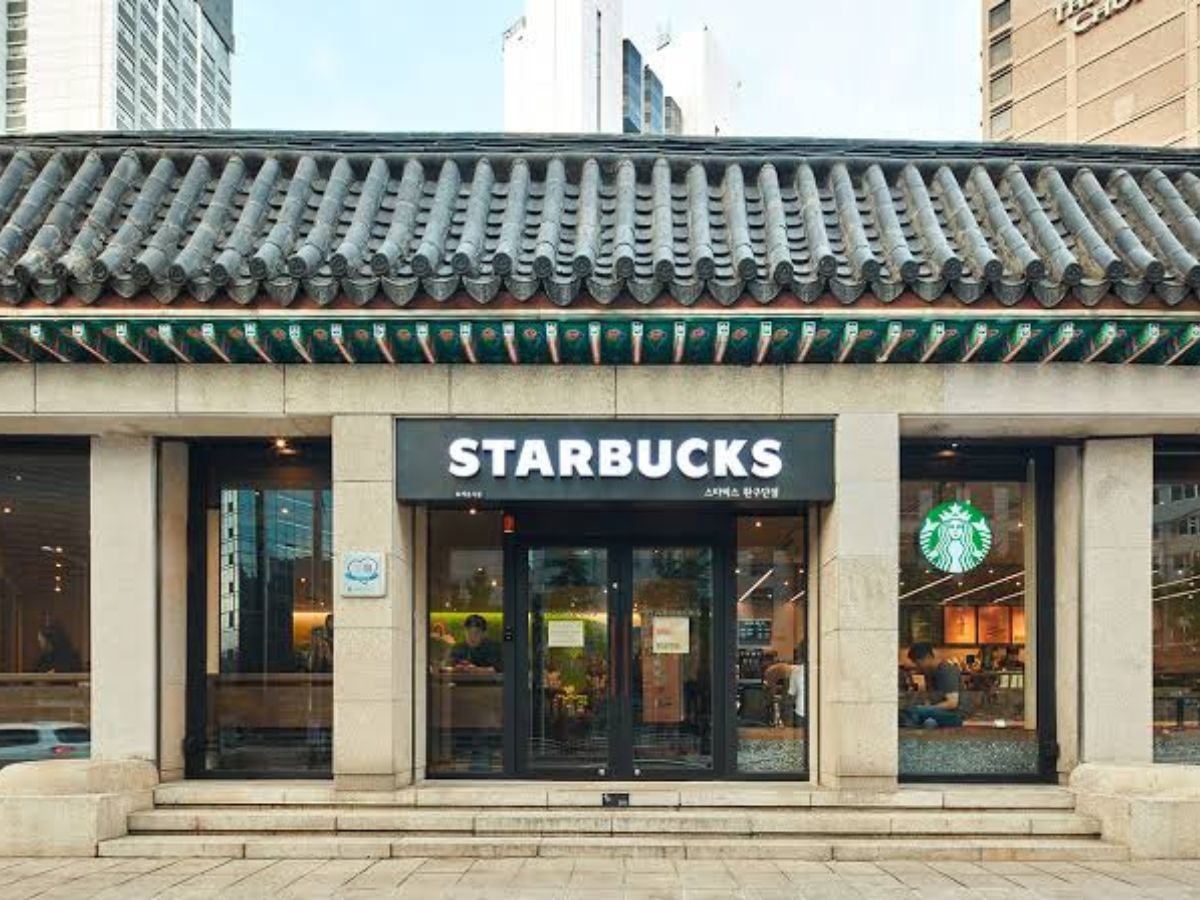
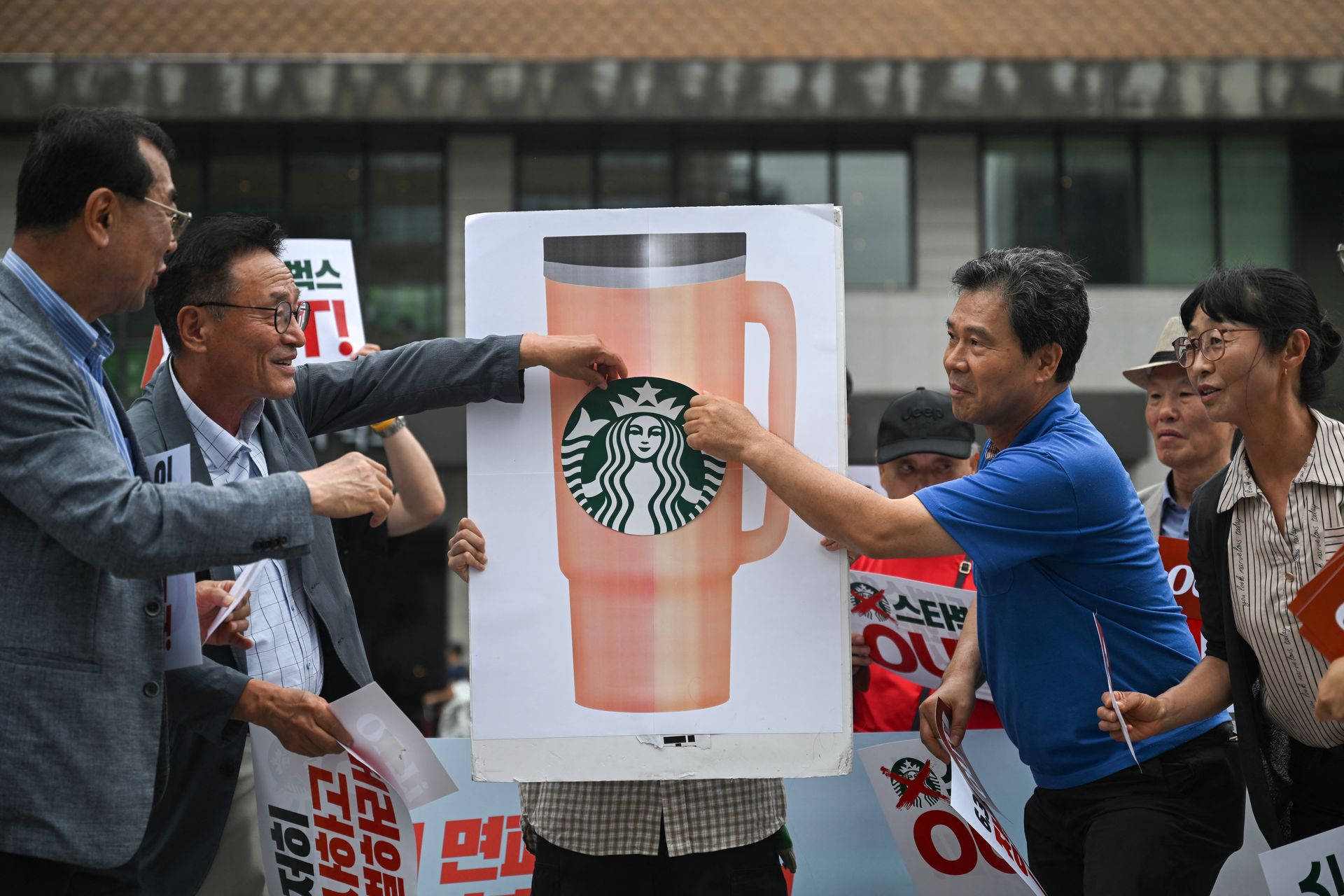
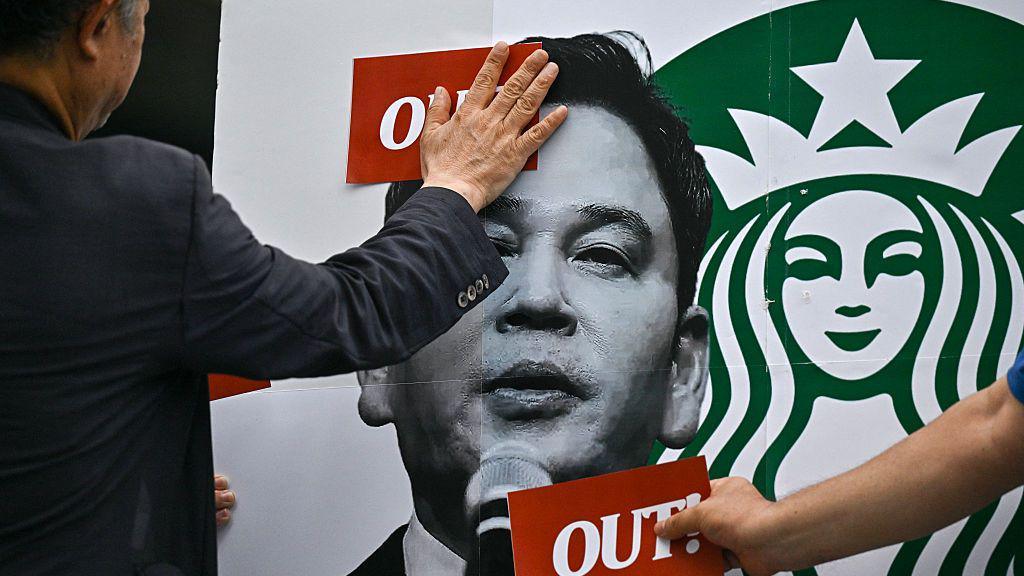
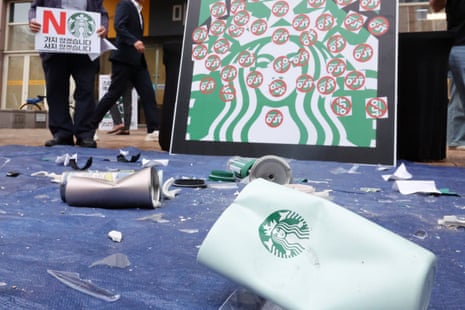
The Starbucks Korea crisis reveals a critical vulnerability for cross-border sellers: cultural insensitivity in marketing campaigns can trigger swift, organized boycotts that devastate revenue within days. On May 18, 2025, Starbucks Korea launched a "Tank Day" promotional campaign featuring reusable tumblers with the slogan "thwack on the desk"—coinciding with the anniversary of the 1980 Gwangju Uprising (165+ civilian deaths) and evoking the 1987 torture death of student activist Park Jong-chul. The backlash was immediate and severe: payment volumes plunged 26% in the week following the controversy, with recovery remaining approximately 25% below pre-incident levels by early June. The company's response—nationwide store closures on June 22, 2026, affecting 2,000+ locations and costing an estimated $1.4 million in lost sales—demonstrates how cultural missteps cascade into operational disruptions.
For cross-border e-commerce sellers, this incident exposes three critical vulnerabilities: First, AI-assisted marketing content creation requires human cultural review—Starbucks' internal investigation revealed marketers used an AI tool to generate the controversial slogan without adequate human oversight, a common practice among sellers using ChatGPT or similar tools for product descriptions and campaign copy. Second, South Korea's digitally-savvy, socially-conscious consumer base punishes cultural insensitivity through coordinated social media campaigns and platform-wide boycotts—government ministries severed ties with Starbucks, and customers destroyed merchandise, signaling that reputational damage extends beyond online reviews to institutional relationships. Third, cultural accountability now ranks alongside profitability in corporate decision-making, particularly in Asia Pacific markets where historical awareness carries significant weight in consumer perception.
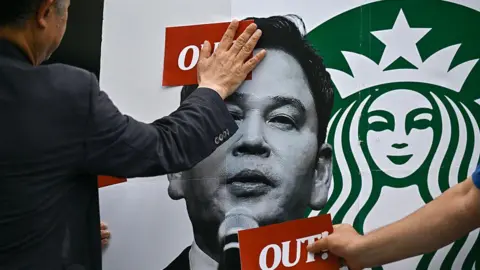
The operational and financial impact is substantial: The half-day closure cost Starbucks $1.4 million in direct lost sales, while the 25% sustained revenue decline suggests ongoing customer defection. For sellers operating on Korean e-commerce platforms (Coupang, Naver, Gmarket, Kakao), a similar 25% revenue drop would translate to $250K-$1M+ monthly losses for mid-sized sellers ($1M+ monthly revenue). The incident also triggered criminal investigations—the former CEO and chairman were registered as criminal suspects by Seoul police—indicating potential legal exposure for marketing decisions. Shinsegae Group's mandatory historical training for all employees (covering contemporary Korean historical events and corporate accountability) sets a new precedent for multinational retailers, suggesting that sellers may face similar compliance expectations when entering or expanding in Korean markets.
Strategic implications for sellers: The incident demonstrates that cultural competency is now a competitive requirement, not a nice-to-have. Sellers targeting Korean consumers must invest in local cultural expertise before launching campaigns, particularly around historically sensitive dates (May 18 Gwangju Uprising, June 25 Korean War, August 15 Liberation Day). The use of AI tools for marketing content requires mandatory human review by culturally-informed team members. Additionally, the rapid escalation from marketing mistake to government intervention suggests that Korean regulatory bodies increasingly scrutinize corporate cultural sensitivity, creating compliance risks for sellers who underestimate local sensitivities.
Questions 7
How are Korean regulatory bodies responding to corporate cultural insensitivity?
The Starbucks incident escalated from marketing mistake to criminal investigation—the former CEO and chairman were registered as criminal suspects by Seoul police, and government ministries severed ties with the company. This signals that Korean regulatory bodies increasingly scrutinize corporate cultural sensitivity, creating compliance risks for sellers who underestimate local sensitivities. Sellers should expect that cultural missteps may trigger not just consumer boycotts but also government intervention, regulatory scrutiny, and potential legal consequences. This is particularly relevant for sellers operating on Korean e-commerce platforms where government oversight is more active than in Western markets.
What is the estimated financial impact of a cultural sensitivity crisis for mid-sized Korean market sellers?
Starbucks' 25% sustained revenue decline (remaining approximately 25% below pre-incident levels by early June) and $1.4 million single-day loss from the nationwide closure provide a benchmark. For a mid-sized seller with $1M+ monthly revenue on Korean platforms (Coupang, Naver, Gmarket), a similar 25% drop would translate to $250K-$1M+ monthly revenue loss. The Starbucks incident also triggered criminal investigations, suggesting potential legal exposure beyond financial losses. Sellers should view cultural compliance as a risk mitigation investment, not a cost center.