

Fed Rate Hikes Under Warsh Leadership | Cross-Border Sellers Face Higher Financing Costs in 2025
- Kevin Warsh's hawkish stance signals 50-150 basis point rate increases ahead, raising inventory financing costs 8-15% for sellers relying on credit lines and working capital loans


Overview
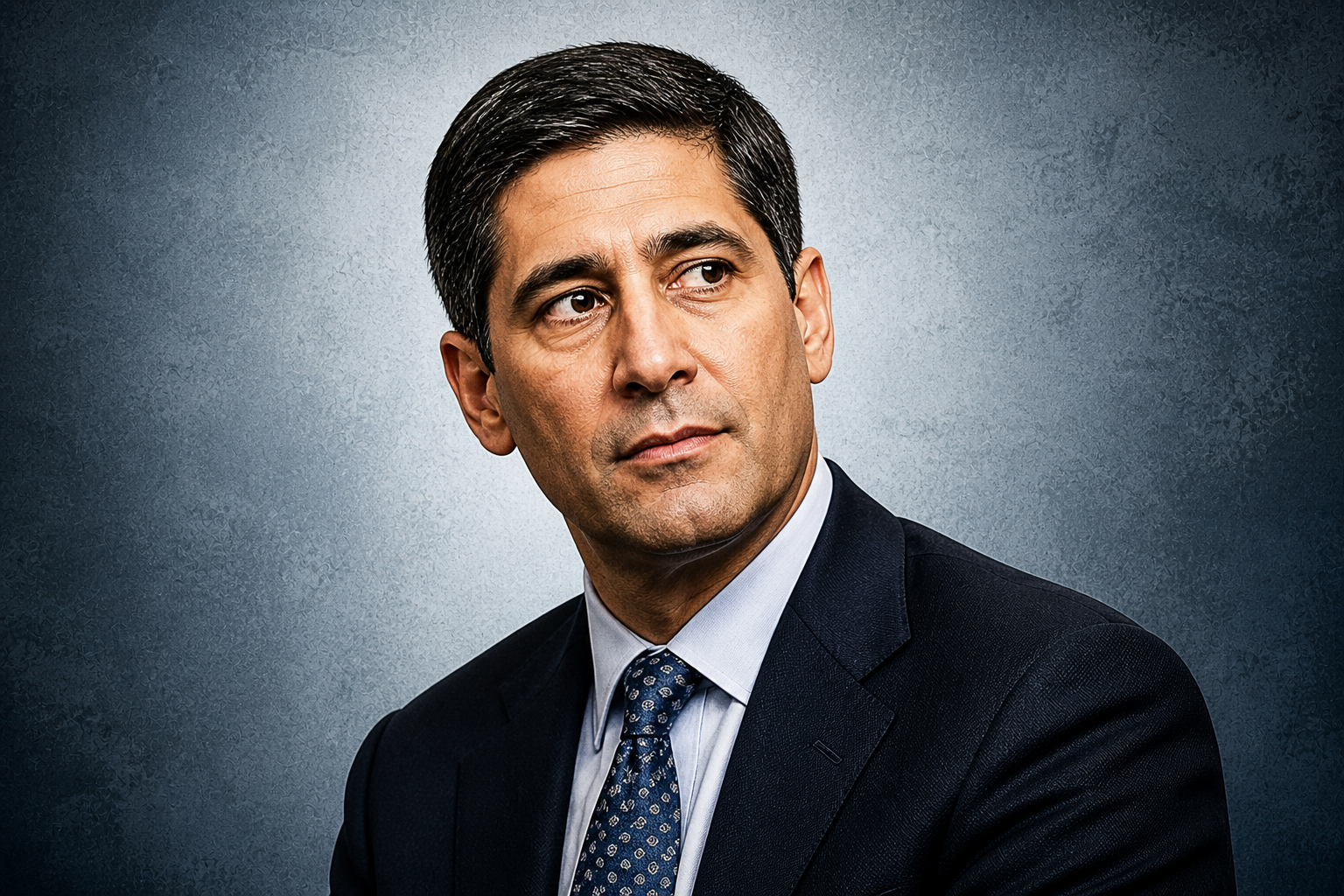
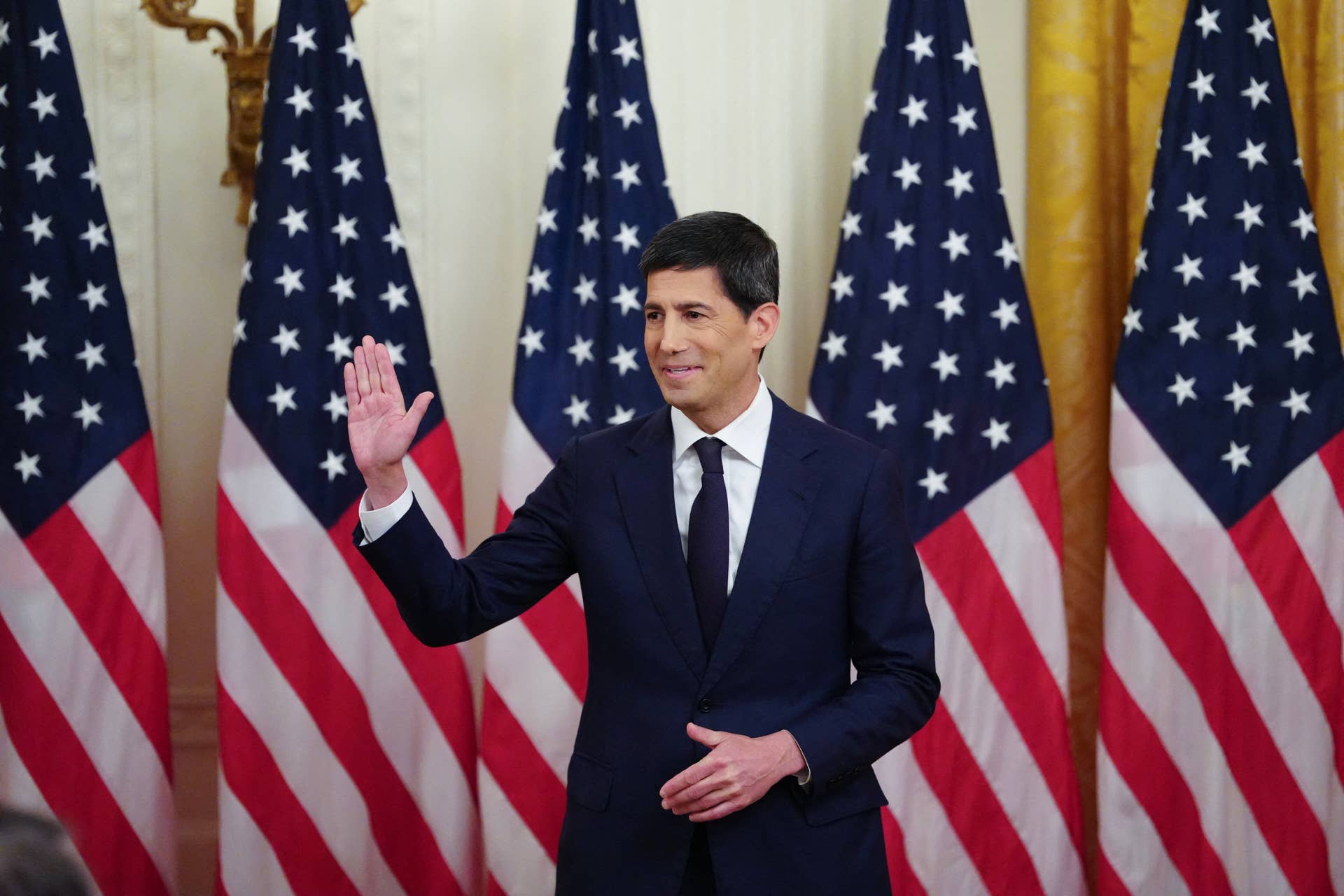
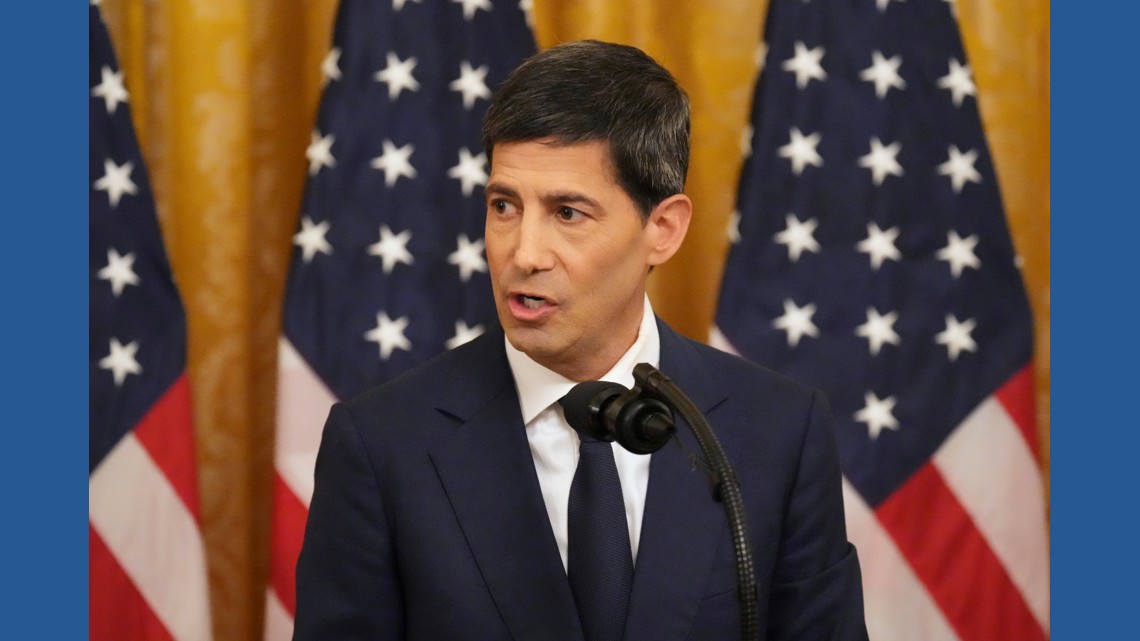
Kevin Warsh's appointment as Federal Reserve Chair marks a significant policy shift toward more aggressive inflation control, with direct implications for cross-border e-commerce sellers. Market participants have shifted expectations toward higher interest rates persisting longer than previously anticipated, with betting markets reflecting a more restrictive monetary policy stance under Warsh's leadership. As a former Fed Governor known for hawkish positions, Warsh's track record suggests he will prioritize price stability over economic growth support, potentially maintaining elevated rates through 2025-2026.
For cross-border e-commerce sellers, this development creates immediate financing challenges. Sellers relying on working capital loans, inventory financing lines of credit, and business credit cards will face higher borrowing costs within 1-4 weeks as financial institutions adjust their lending rates. A typical seller with $50,000-$200,000 in monthly inventory purchases financed through credit lines could see monthly interest expenses increase by $300-$2,400 depending on rate movements. Small and mid-sized sellers (those with $100K-$1M annual revenue) are particularly vulnerable, as they lack the balance sheet strength of larger competitors to absorb financing cost increases.
The operational impact extends across multiple seller segments: Amazon FBA sellers managing inventory across multiple fulfillment centers face higher carrying costs; Shopify merchants with seasonal inventory spikes must budget for increased working capital expenses; cross-border sellers importing from Asia encounter compounded costs as both US and international financing rates rise. The appointment also signals potential currency volatility—higher US rates typically strengthen the dollar, making imports more expensive for sellers sourcing from China, Vietnam, and India. Financial institutions are already adjusting forecasts for interest rates over the coming quarters, meaning sellers should expect rate increases to materialize within 30-90 days.
Additionally, higher rates reduce consumer purchasing power and increase default risk on seller financing programs (Affirm, Klarna partnerships), potentially compressing margins on high-ticket items like electronics, furniture, and appliances. The shift also impacts venture-backed e-commerce platforms and logistics providers, which may reduce expansion investments, affecting seller access to fulfillment services and technology tools.
Questions 8
What specific actions should cross-border sellers take now to prepare for higher rates?
Immediate actions (0-30 days): Secure fixed-rate financing before rates increase; review all variable-rate debt and refinance where possible; audit inventory levels to identify slow-moving SKUs that tie up working capital. Strategic adjustments (1-3 months): Reduce inventory carrying periods by optimizing turnover rates; shift toward higher-margin products to offset financing cost increases; evaluate alternative funding sources (equity, revenue-based financing) less sensitive to Fed rates. Risk mitigation: Monitor Fed statements and rate forecasts weekly; establish relationships with multiple lenders to ensure access to capital; stress-test your business model assuming rates 200+ basis points higher than current levels.
How does Warsh's inflation-control focus differ from previous Fed leadership?
Warsh's track record suggests he prioritizes inflation control more aggressively than recent Fed leadership, potentially leading to higher rates persisting longer than some market participants previously expected. Previous Fed chairs balanced inflation concerns with economic growth support, but Warsh's hawkish stance indicates a preference for price stability even if it slows economic activity. This means sellers should expect sustained higher rates through 2025-2026 rather than a quick return to lower rates. The implication is that financing costs will remain elevated for an extended period, requiring sellers to adjust their long-term capital strategies and inventory planning accordingly.