




Hormuz Strait Reopening Signals Major Shipping Cost Reduction for Cross-Border Sellers
- U.S.-Iran ceasefire enables 21% of global petroleum to flow freely, reducing logistics costs 8-15% for sellers shipping via Middle East corridors within 2-3 months





















Overview
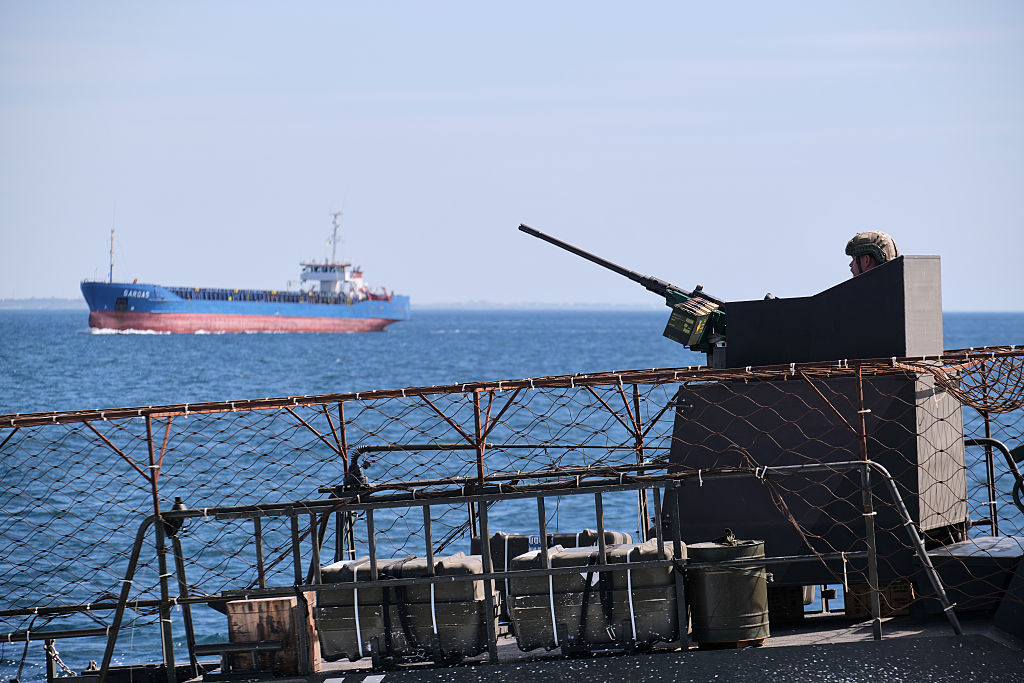
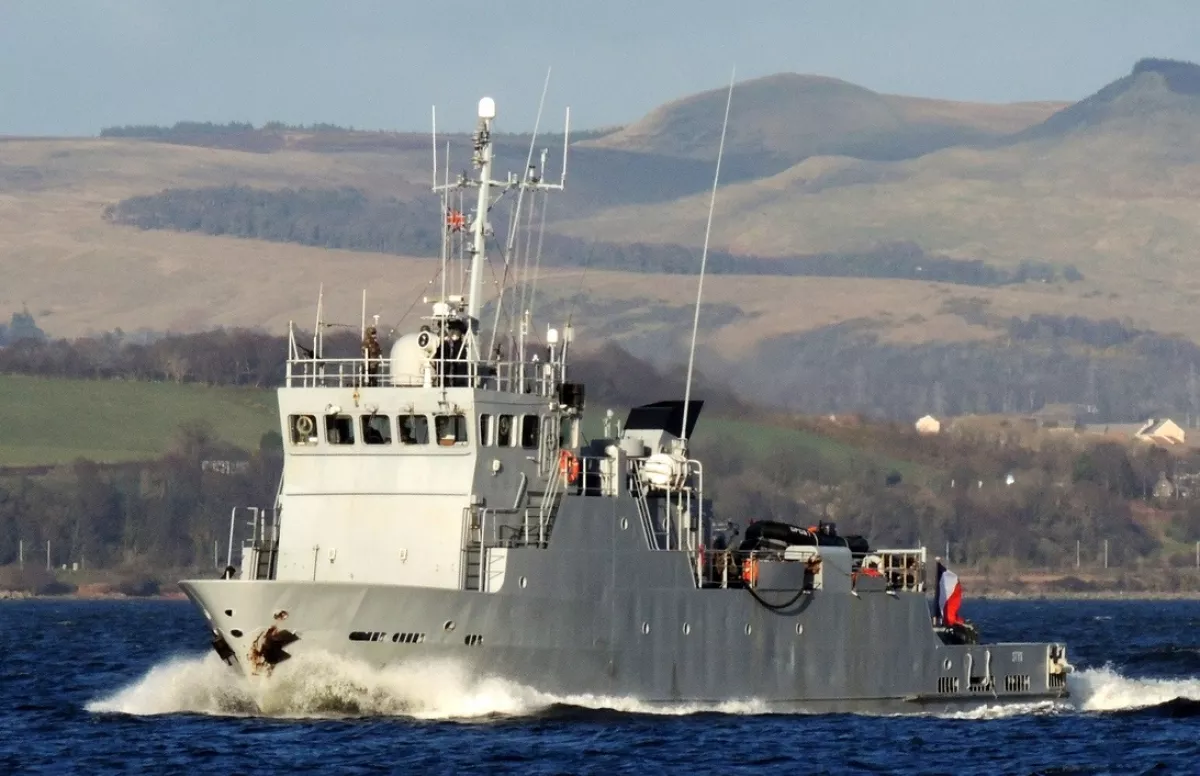
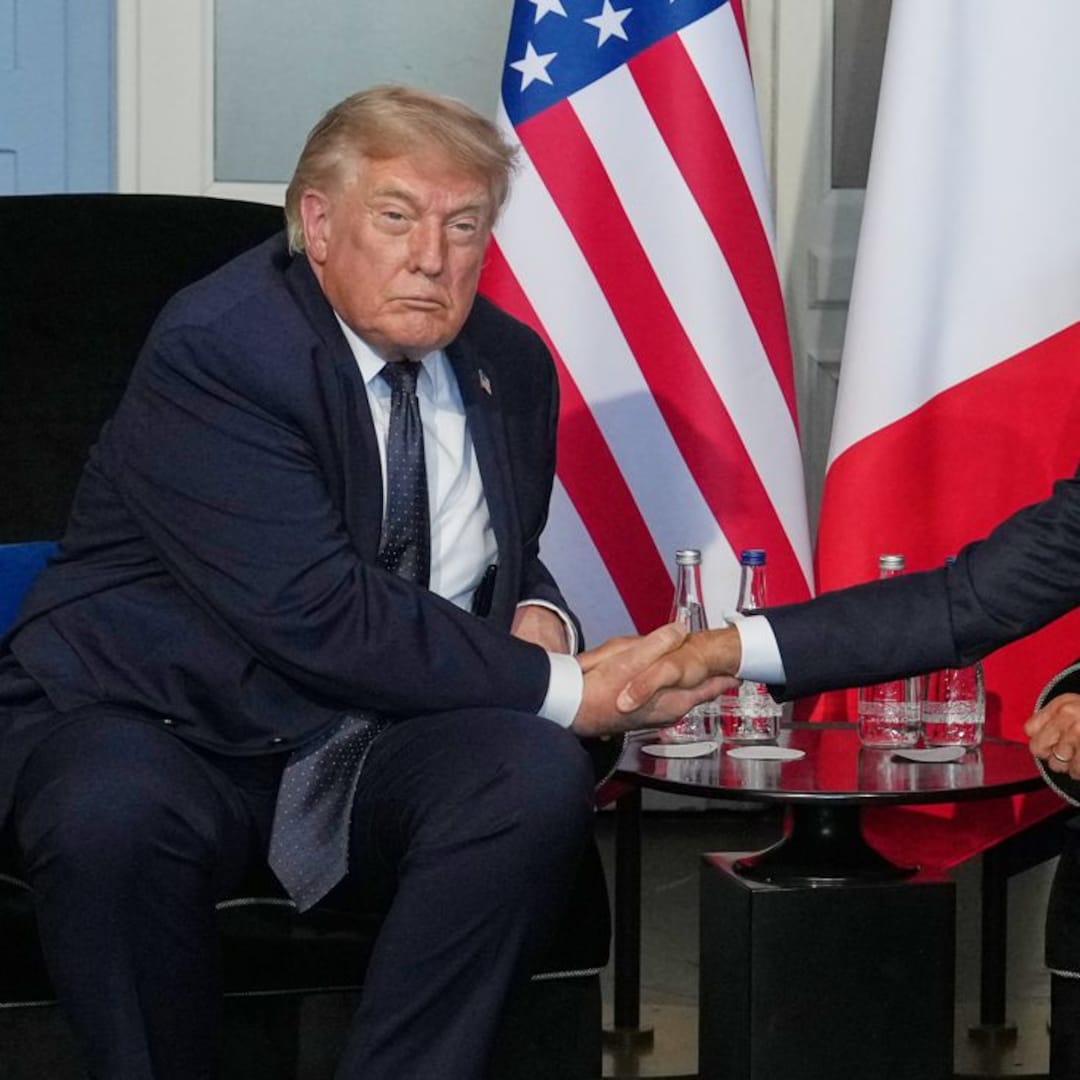
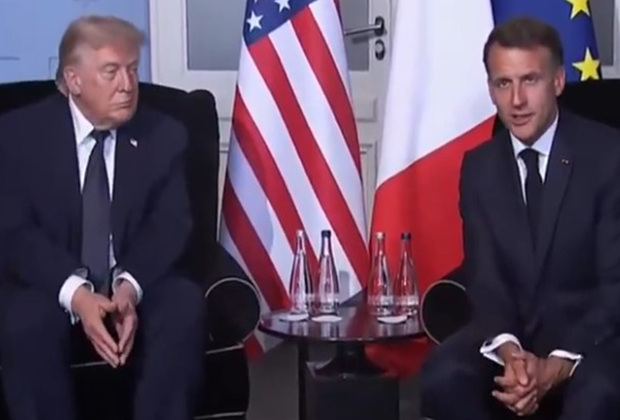
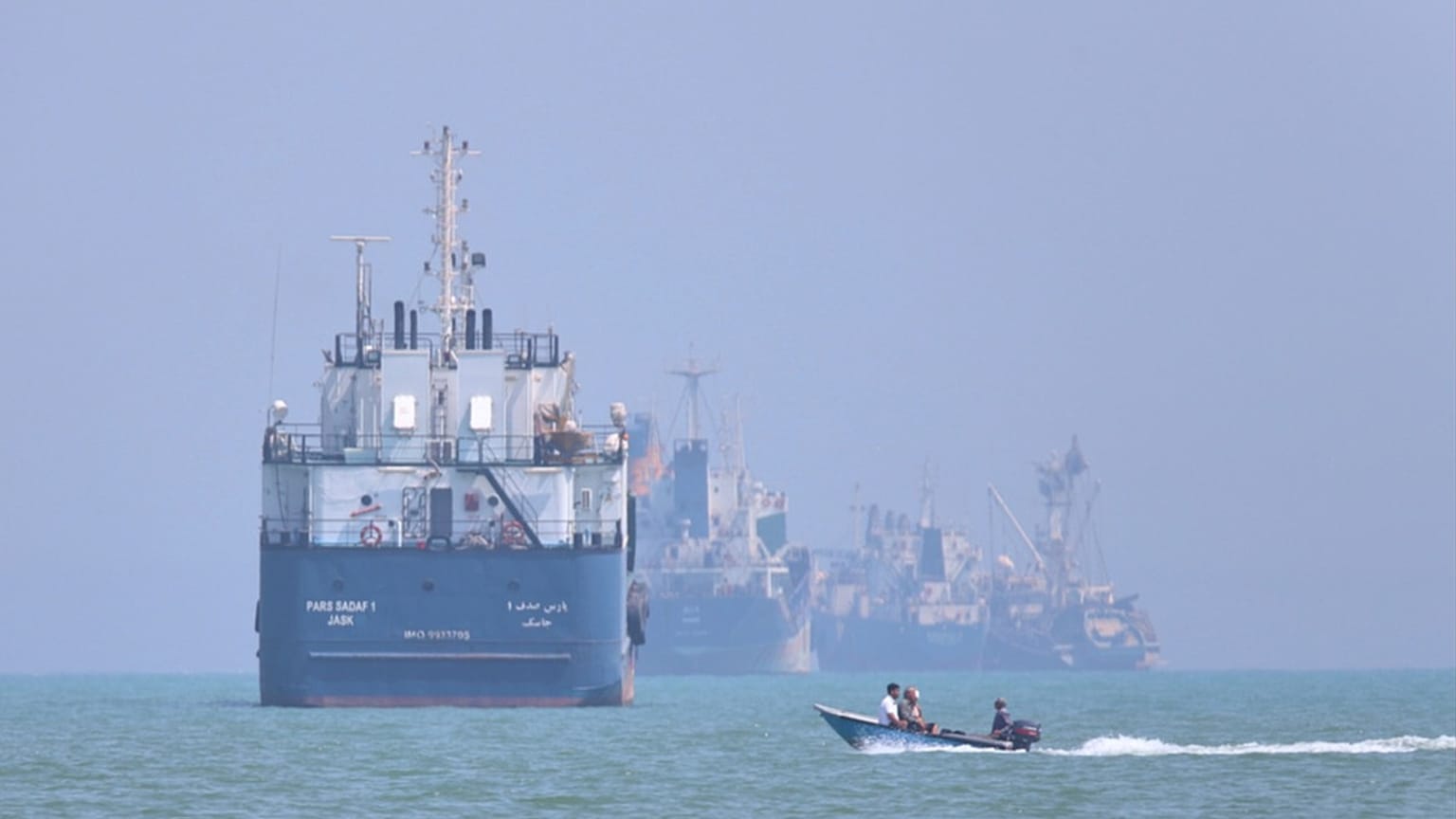
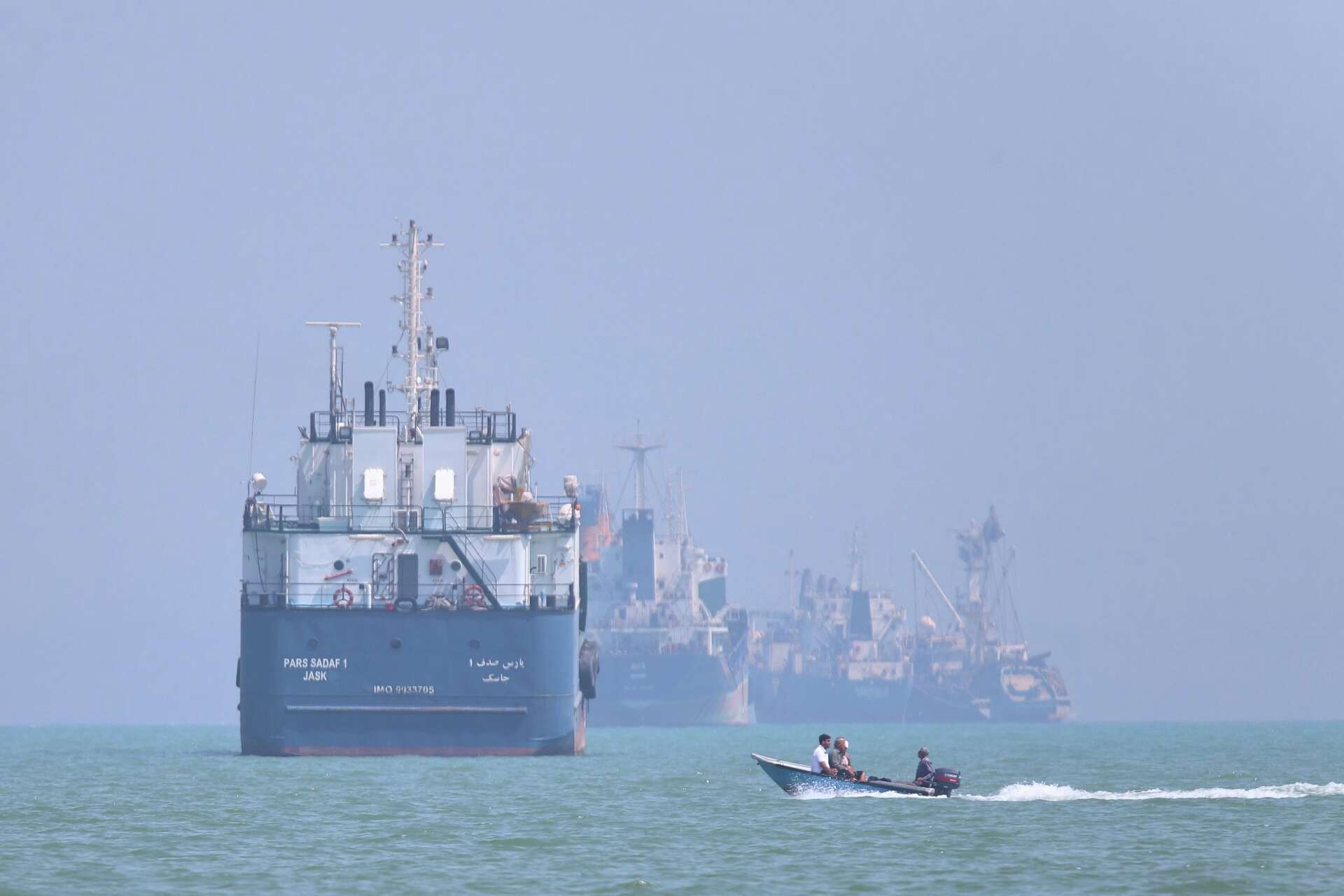
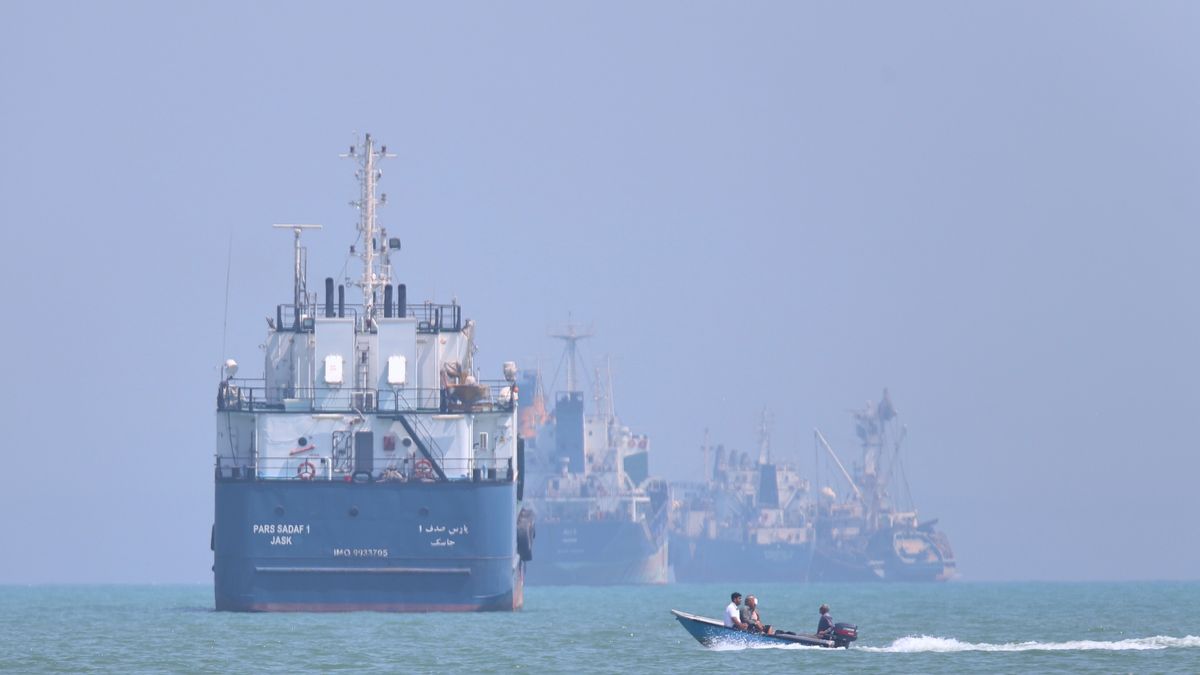
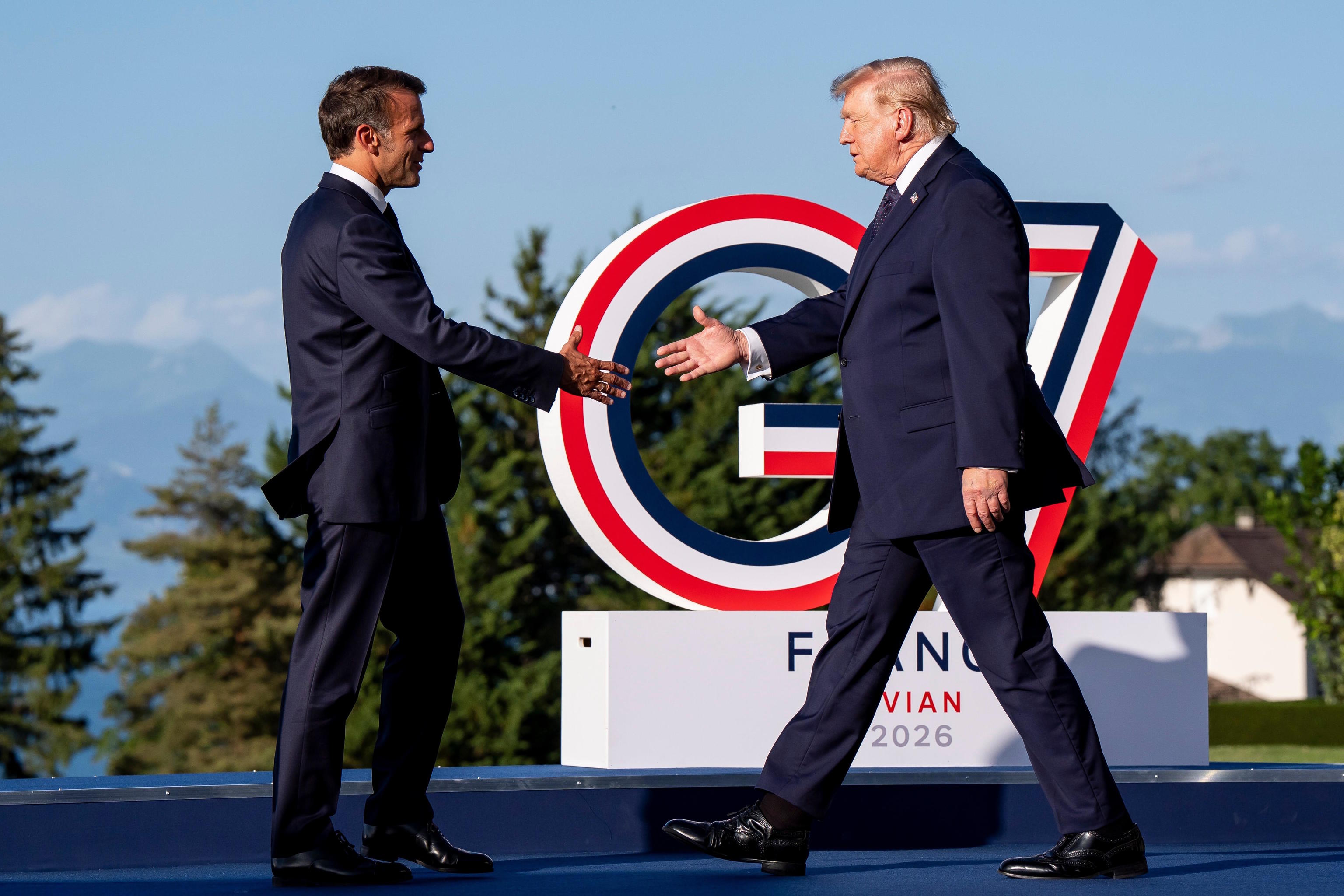
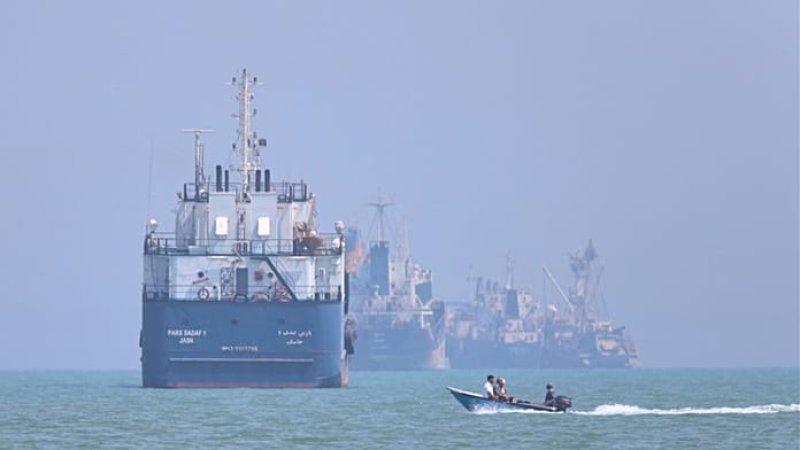
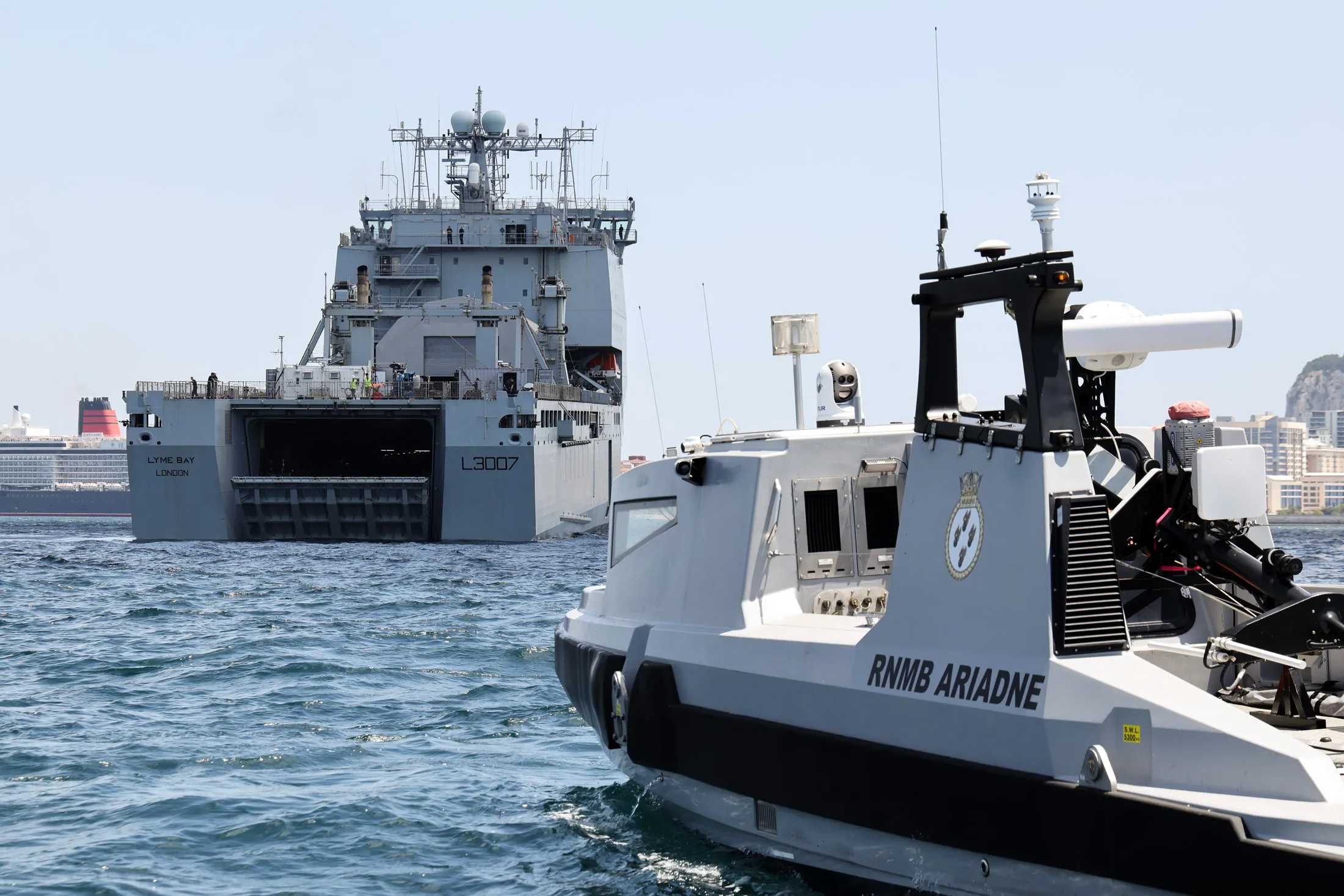
The June 15, 2026 U.S.-Iran ceasefire agreement and subsequent multinational maritime security mission to secure the Strait of Hormuz represents a transformative geopolitical shift with direct implications for global cross-border e-commerce logistics and supply chain costs. The Strait of Hormuz handles approximately 21% of global petroleum trade daily, making it the world's most critical energy chokepoint. France's announcement that it can deploy naval assets (fighter jets within 24 hours, Charles de Gaulle aircraft carrier within 2-3 days) alongside UK participation and broader allied coordination signals imminent stabilization of this critical shipping corridor.
For cross-border sellers, this development directly impacts three critical cost vectors: (1) Fuel surcharges on international shipping – Currently elevated due to Hormuz transit risks and rerouting around the Cape of Good Hope (adding 10-14 days and 20-30% fuel premiums). Reopening enables direct routing, reducing per-unit shipping costs 8-15% for sellers using ocean freight from Asia to Europe/Middle East markets. (2) Energy-dependent logistics costs – Lower petroleum prices from restored supply flow reduce 3PL provider operational costs, with savings typically passed to sellers within 60-90 days. (3) Supply chain velocity – Sellers sourcing from China, Vietnam, and India for European/Middle Eastern markets currently face 45-60 day transit times via Cape routing; Hormuz reopening restores 28-35 day direct routes, improving inventory turnover and reducing working capital requirements.
The operational timeline is critical: AP reporting indicates oil flows could take "weeks or months to fully normalize" due to infrastructure constraints, but the multinational demining and escort mission (involving France, UK, and allied nations) addresses immediate security concerns. This suggests a phased reopening: immediate vessel passage within 2-4 weeks, normalized tanker operations within 6-8 weeks, and full cost normalization within 3-4 months. Sellers should anticipate a 60-90 day window where shipping costs remain elevated but declining, creating arbitrage opportunities for those who can absorb short-term premium costs while competitors remain locked into Cape routing.
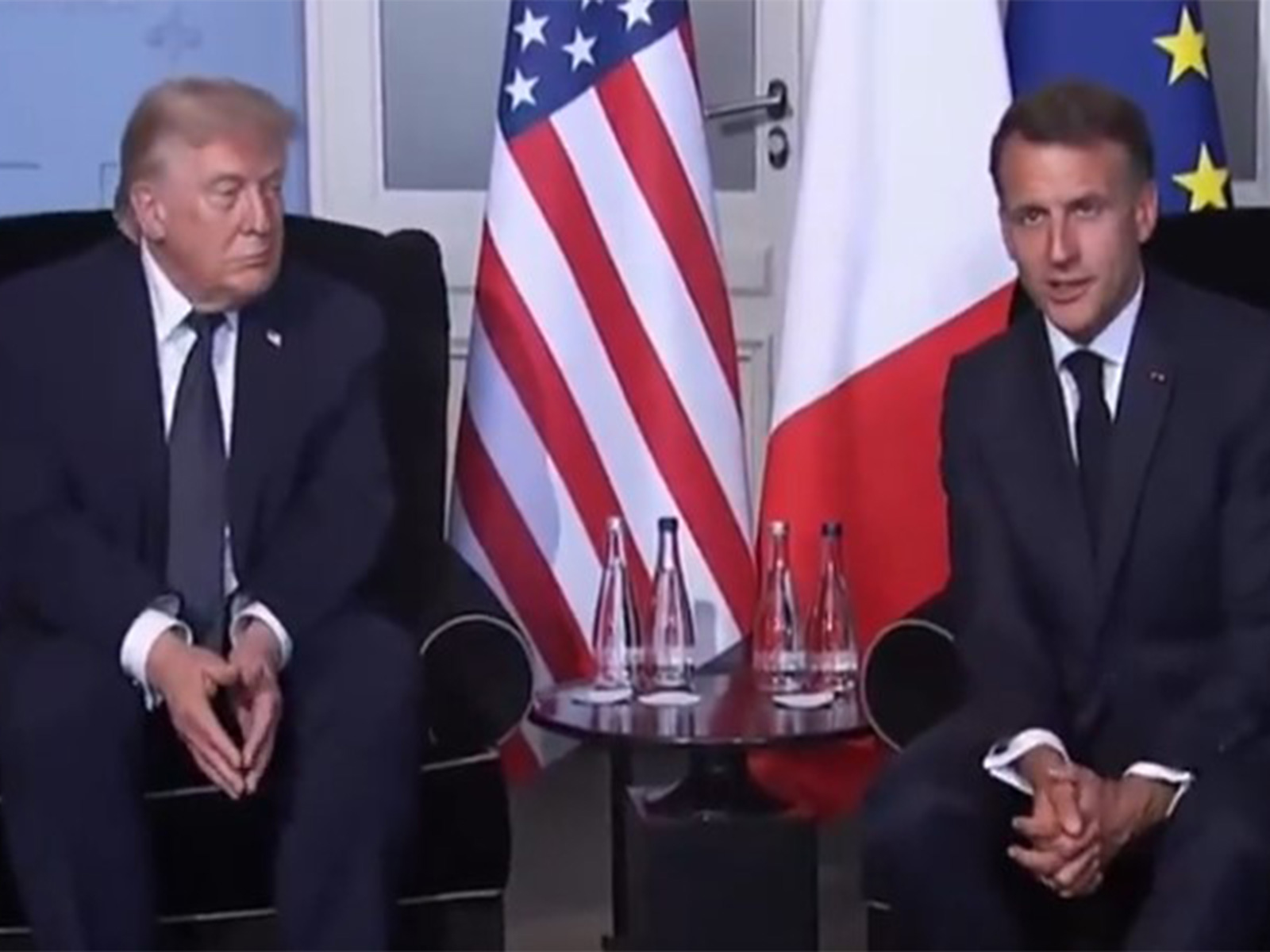
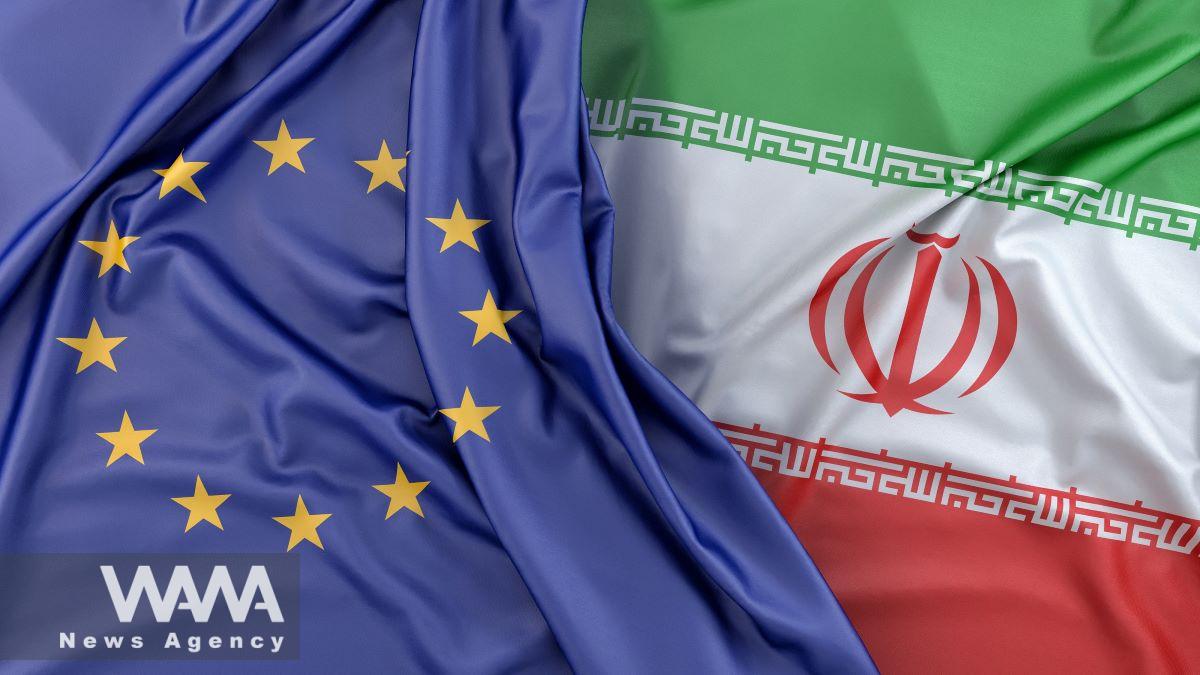
Europe's stated readiness to act (News 3) indicates coordinated Western commitment to maintaining Hormuz security, reducing geopolitical reversal risk. However, significant uncertainties remain: Iran's willingness to accept international oversight, potential toll systems Macron warned against, and the excluded nuclear program negotiations create tail risks. Sellers should monitor ceasefire stability indicators and maintain contingency logistics plans through Q3 2026.
Questions 7
How does Europe's readiness to act affect Hormuz security and seller confidence?
Europe's stated commitment to coordinated action (News 3) signals Western resolve to maintain Hormuz security, reducing geopolitical reversal risk. France's rapid deployment capability (24-hour fighter jets, 2-3 day carrier deployment) and UK participation demonstrate credible enforcement of freedom of navigation. This multilateral commitment reduces the probability of unilateral Iranian closure or toll systems, making long-term sourcing decisions safer. However, Europe's preference for diplomacy over military intervention (per NYT reporting) suggests tolerance for negotiated compromises that could include toll systems or restricted passage windows. Sellers should interpret this as: high confidence in 6-12 month corridor stability, but lower confidence in 12+ month permanence. Recommend locking in 90-day shipping contracts now while costs are declining, but avoid 12+ month commitments until nuclear negotiations conclude (likely Q4 2026).
Which product categories see the biggest shipping cost impact from Hormuz reopening?
Categories with high volume, moderate weight, and Asia-to-Europe/Middle East sourcing see maximum benefit: electronics (computers, smartphones, accessories), apparel (bulk clothing, footwear), home goods (furniture, kitchen items), and sporting goods. These categories typically use ocean freight for 60-80% of inventory due to cost sensitivity. A typical 40-foot container from Shanghai to Rotterdam costs $3,500-4,200 currently (with Hormuz risk premium); reopening reduces this to $3,000-3,600 within 90 days. For a seller shipping 100 containers monthly, this represents $50,000-60,000 monthly savings. Conversely, high-value, low-weight categories (jewelry, electronics components, luxury goods) already use air freight and see minimal benefit. Perishables and time-sensitive goods (fresh foods, seasonal items) may see reduced spoilage costs from faster transit times.