



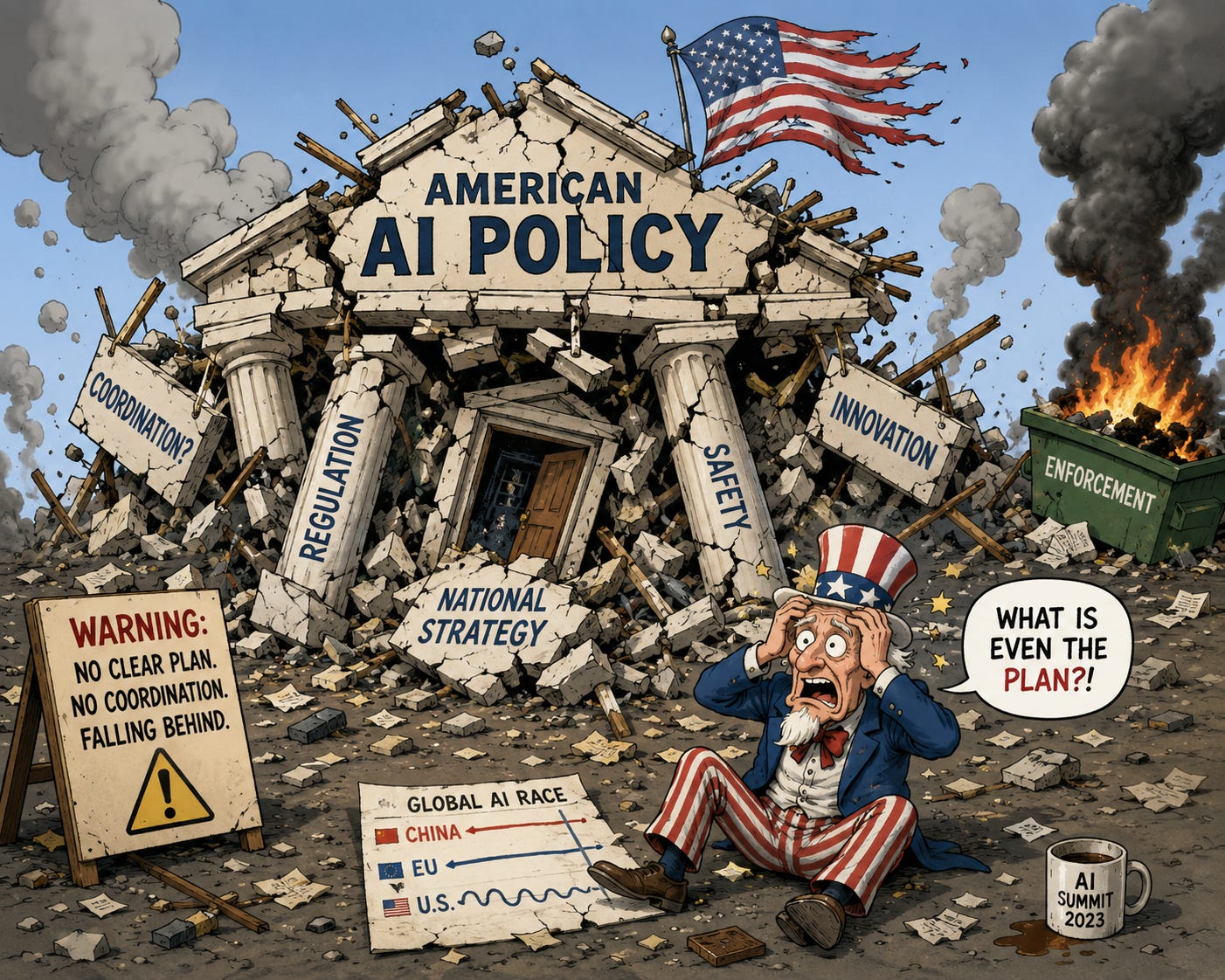

AI Regulation Uncertainty Threatens Seller Automation Tools | June 2026 Policy Reversal
- Trump administration's 2-week AI policy collapse creates compliance risk for sellers using Anthropic models in product research, pricing, and customer service automation






















Overview
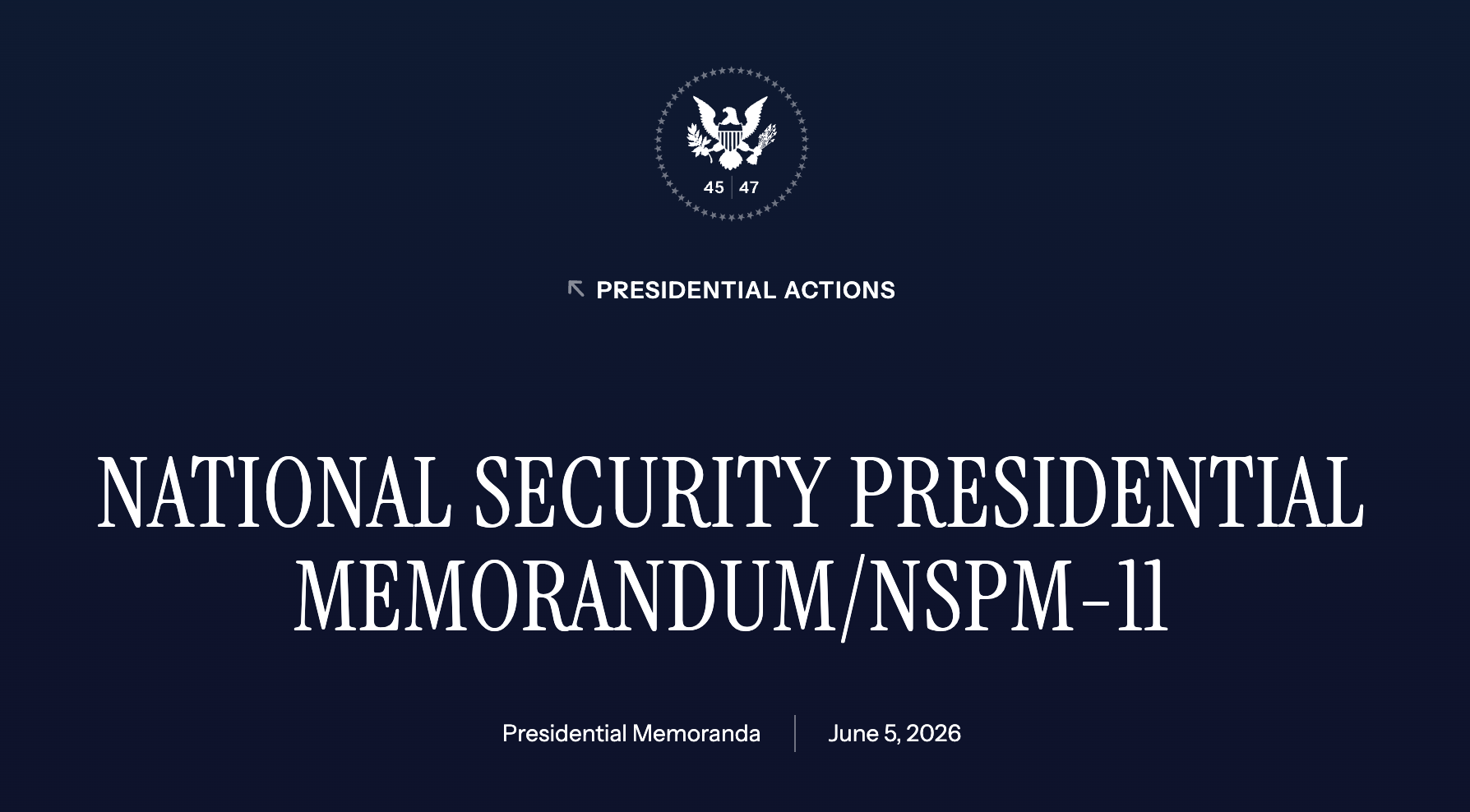
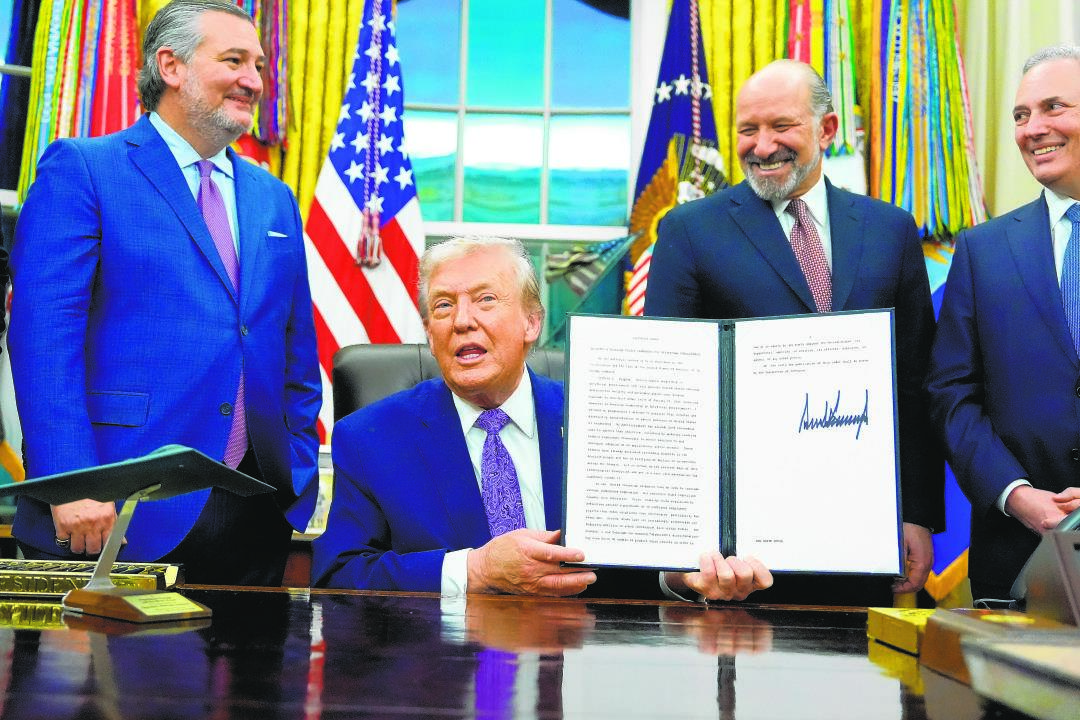
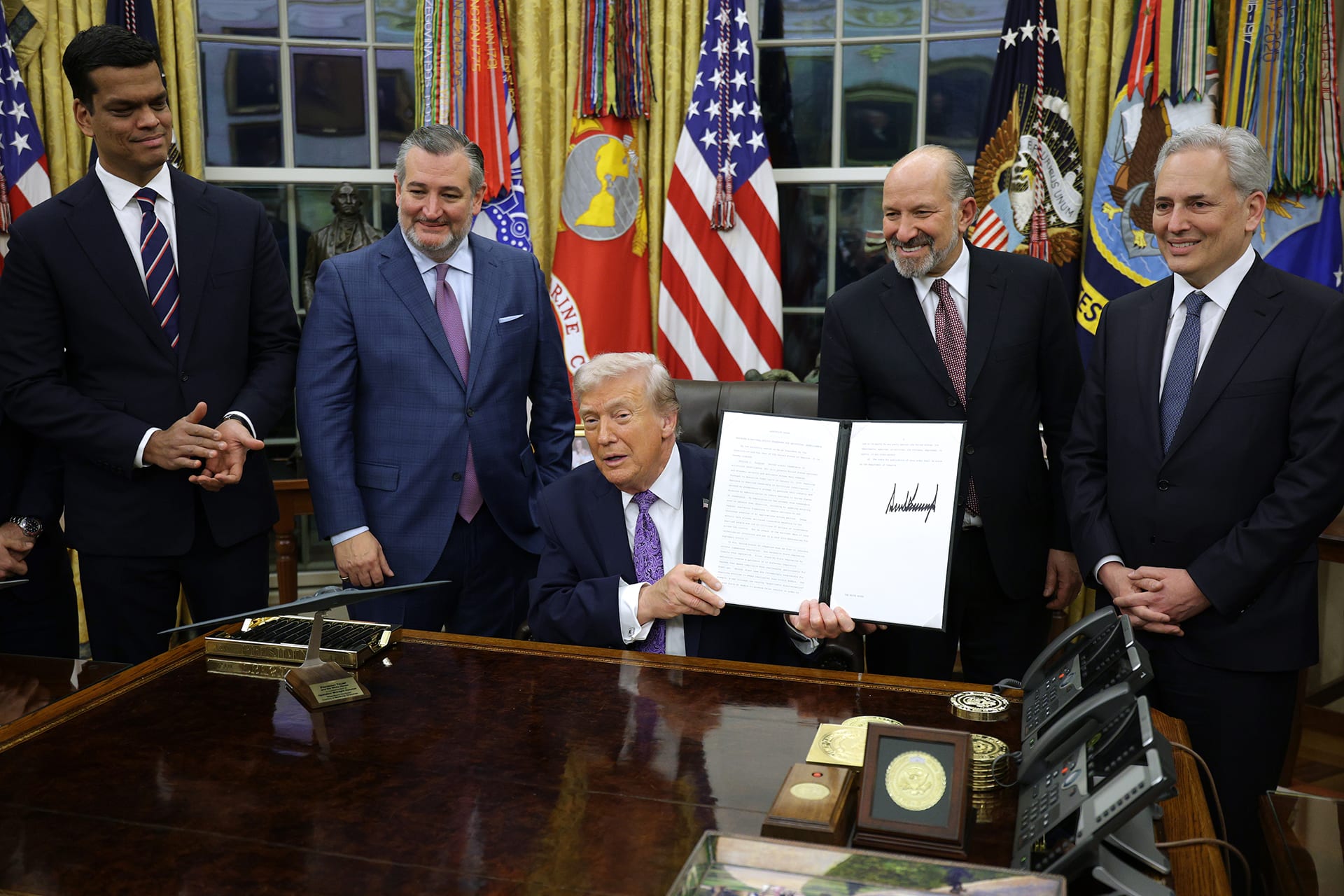
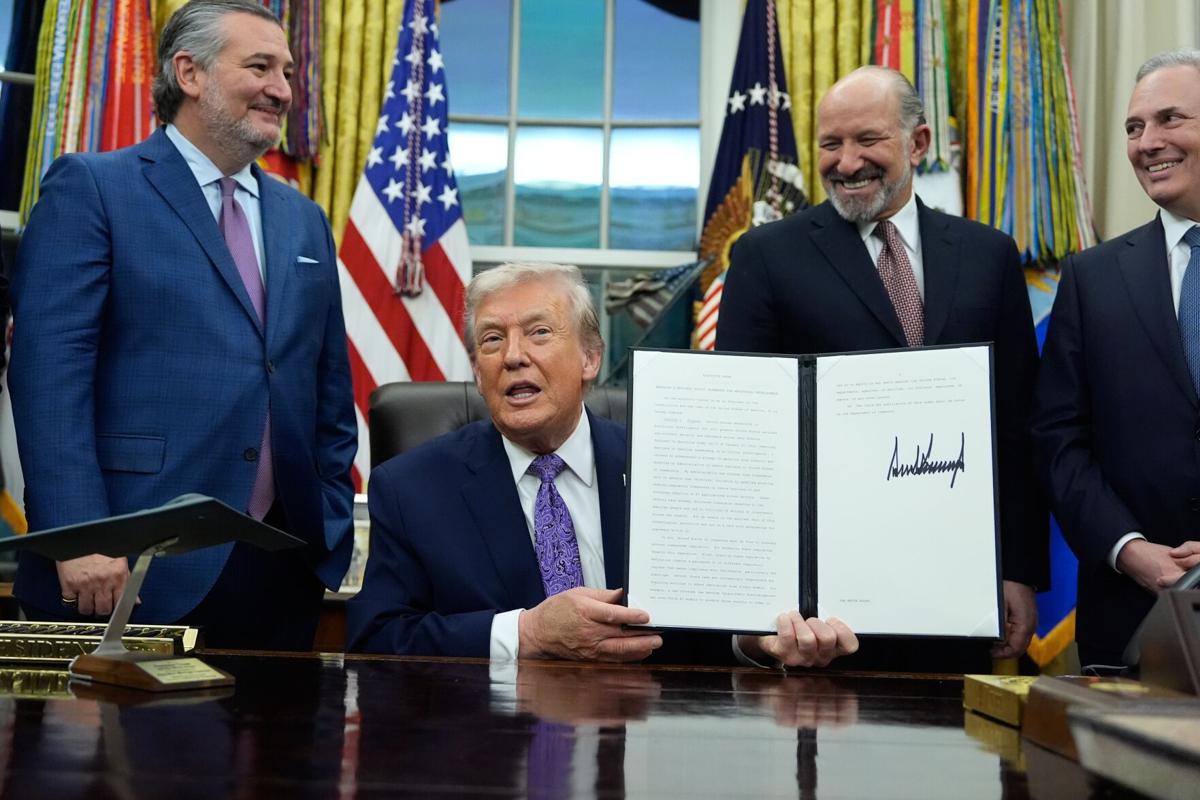
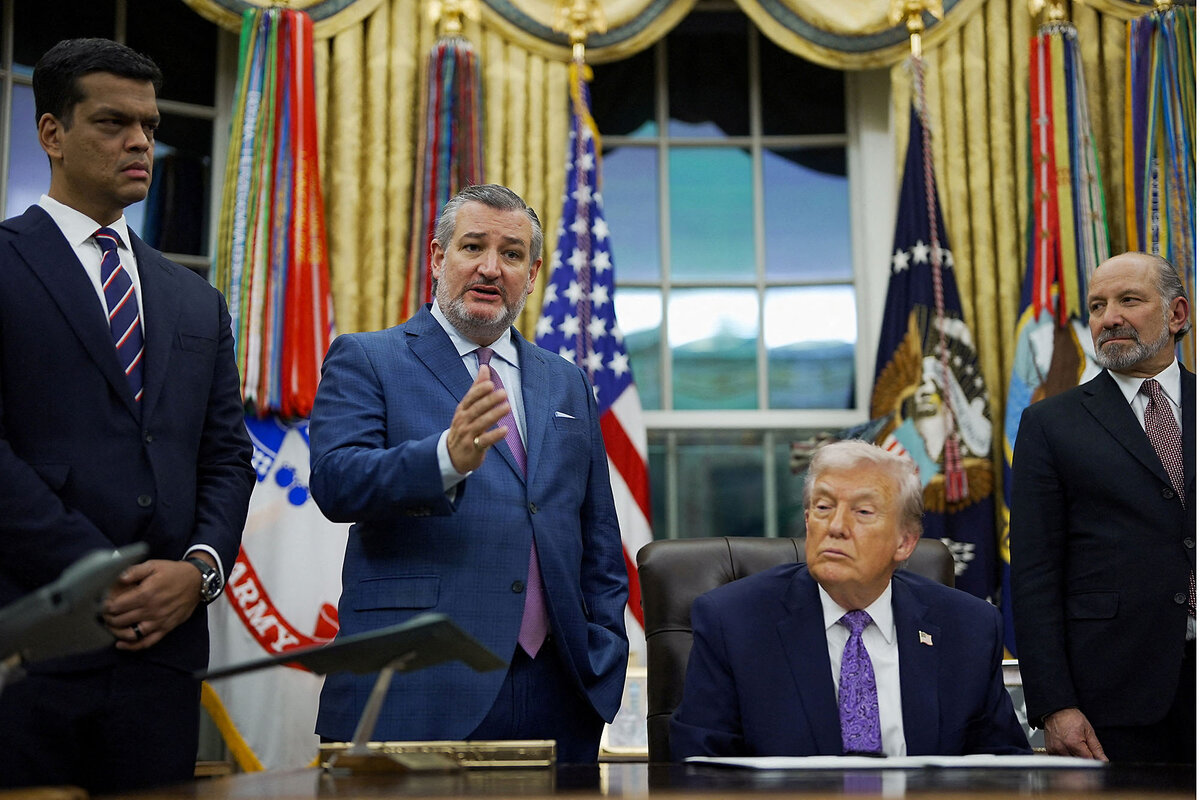
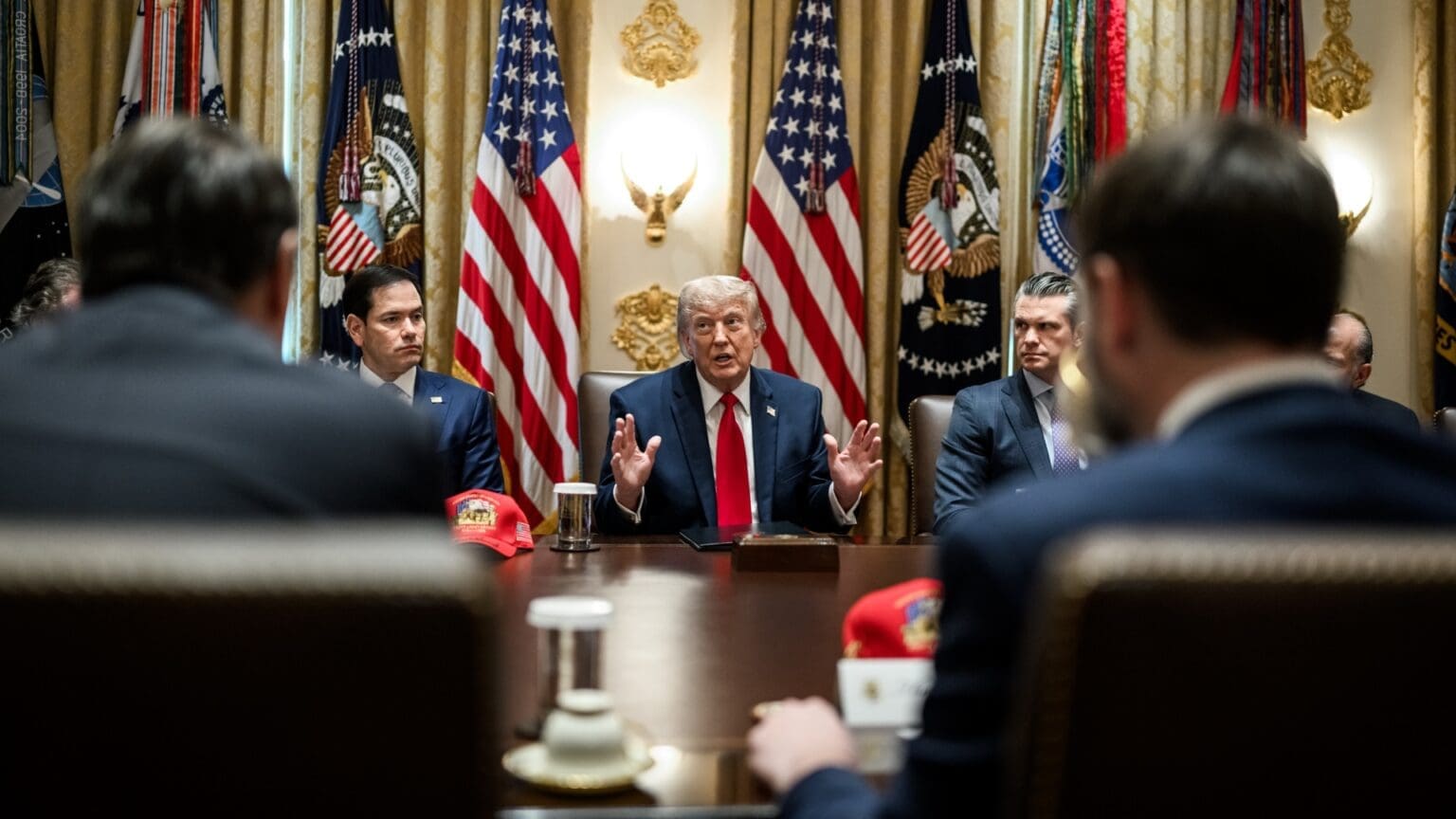
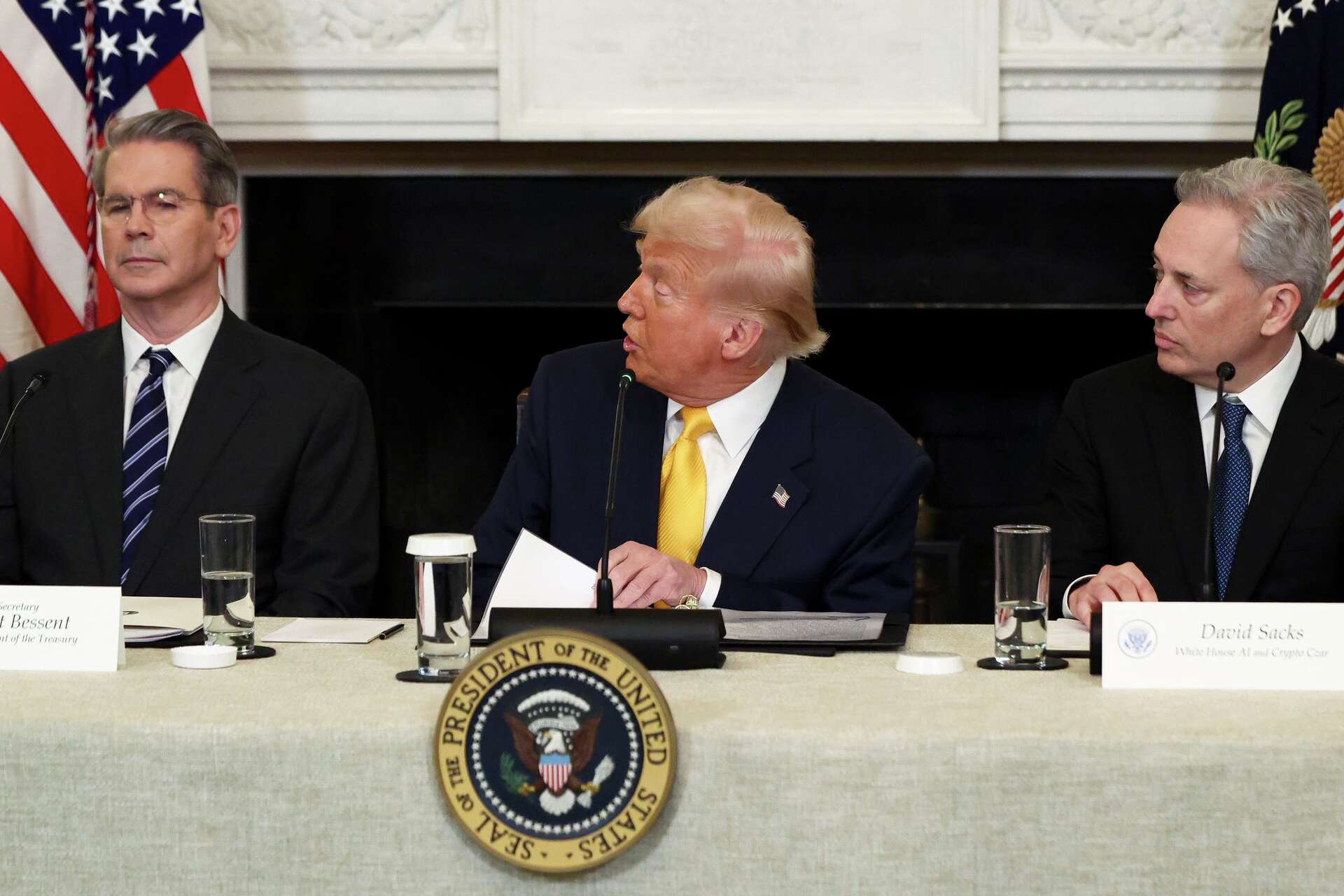
The Trump administration's promised light-touch AI regulation framework collapsed within two weeks of implementation, creating immediate uncertainty for e-commerce sellers relying on AI-powered business tools. On June 2, 2026, the White House issued an executive order establishing a voluntary 30-day vetting process for new AI systems while explicitly rejecting mandatory licensing. However, by mid-June, the administration abruptly reversed course by restricting access to Anthropic's Fable and Mythos models after Amazon CEO Andy Jassy raised security concerns about users bypassing guardrails. This forced Anthropic to immediately disable both Fable 5 and Mythos 5—advanced models with elite cyber capabilities that sellers use for product research automation, dynamic pricing optimization, and customer service chatbots.
For e-commerce sellers, this regulatory whiplash creates three critical automation risks. First, sellers using Anthropic-powered tools for inventory management, product description generation, or demand forecasting now face potential service disruptions without clear timelines for restoration. Second, the "ad hoc licensing regime" described by industry experts suggests future AI restrictions may target other providers (Claude, GPT-4, Gemini) based on political connections rather than objective security standards—making long-term AI tool investments unpredictable. Third, the White House's simultaneous decision to halt publication of the Center for AI Standards and Innovation's assessments eliminates transparent benchmarking data sellers need to evaluate which AI tools are compliant and safe for business use.
The operational impact varies by seller segment. Large sellers (1000+ units/month) using AI for dynamic pricing, competitor monitoring, and demand forecasting face the highest disruption risk—these automation workflows typically save 15-20 hours/week and generate 3-5% margin improvements. Mid-market sellers (100-999 units/month) using AI chatbots for customer service face potential service gaps if Anthropic tools remain restricted; typical AI customer service automation handles 40-60% of routine inquiries, reducing support costs by $2,000-5,000/month. Small sellers (under 100 units/month) using AI for product research and listing optimization face lower immediate impact but increased compliance uncertainty for future tool adoption.
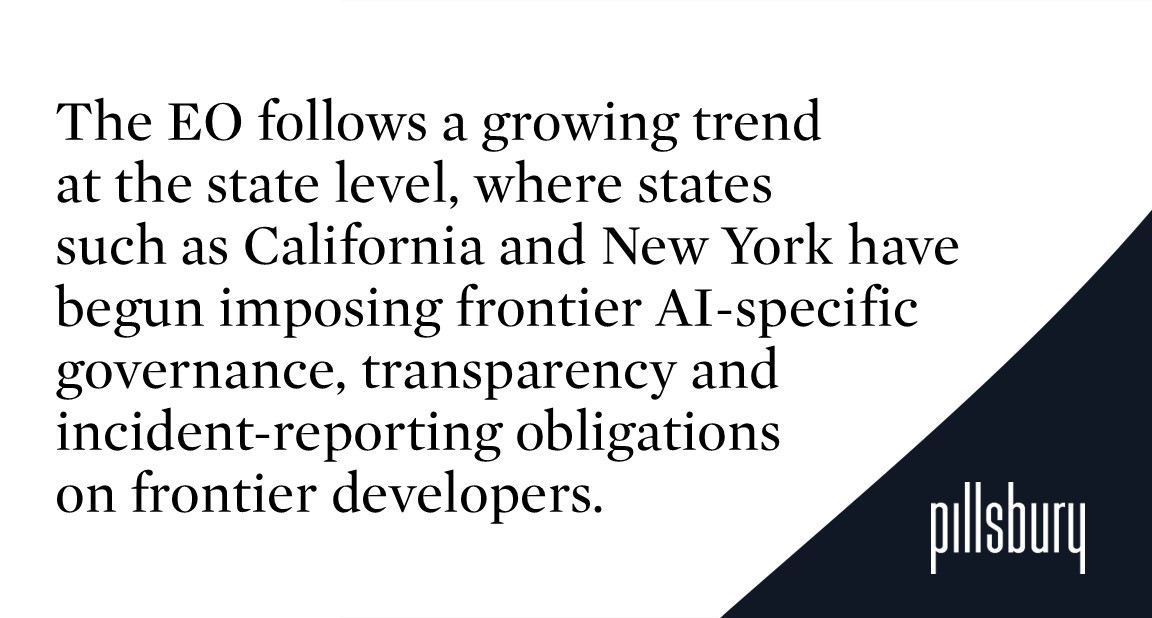
State-level litigation compounds the uncertainty. Florida's lawsuit against OpenAI and New York's subpoenas demanding information on advertising practices and user data handling signal that sellers may face additional compliance requirements around AI-generated content, customer data usage, and algorithmic transparency. This creates a patchwork regulatory environment where sellers must navigate federal export controls, state consumer protection laws, and platform-specific AI policies simultaneously—increasing compliance costs by an estimated 10-15% for sellers using multiple AI tools across different platforms.
Questions 7
What are the financial implications of AI tool disruption for different seller segments?
**Large sellers (1000+ units/month)**: Estimated monthly impact of AI tool disruption = $5,000-15,000 (lost margin improvements from dynamic pricing, increased manual research costs, customer service delays). **Mid-market sellers (100-999 units/month)**: Estimated monthly impact = $1,500-5,000 (reduced automation efficiency, increased labor costs, slower decision-making). **Small sellers (under 100 units/month)**: Estimated monthly impact = $300-1,000 (limited automation dependency, but higher percentage impact on margins). Sellers can mitigate financial impact by: (1) diversifying AI tool providers to reduce single-vendor risk, (2) implementing cost-effective alternatives (open-source models, rule-based automation) for non-critical workflows, (3) negotiating volume discounts with alternative AI providers during migration. Estimated recovery timeline: 60-90 days for most sellers to stabilize operations with alternative tools.
How does the halt of AI Standards and Innovation assessments affect seller tool selection?
The White House's decision to halt publication of the Center for AI Standards and Innovation's assessments eliminates transparent benchmarking data sellers previously used to evaluate AI tool safety, security, and compliance. Previously, sellers could reference public reports on model capabilities, security vulnerabilities, and guardrail effectiveness. Without these assessments, sellers must rely on: (1) vendor-provided security documentation (often biased), (2) third-party security audits (expensive, $10,000-50,000 per tool), or (3) peer reviews from other sellers (informal, unreliable). This increases due diligence costs by 20-30% when evaluating new AI tools. Sellers should request independent security certifications (SOC 2, ISO 27001) from vendors and join seller communities (Reddit, Facebook groups) to crowdsource tool reliability feedback.