

Broadway Comedy Show Closure Signals Entertainment Merchandise Opportunity Shift for Sellers
- Celebrity Autobiography closes June 21, 2026 after 40 shows; reveals declining demand for limited-run comedy experiences and emerging merchandise category opportunities in entertainment collectibles






Overview
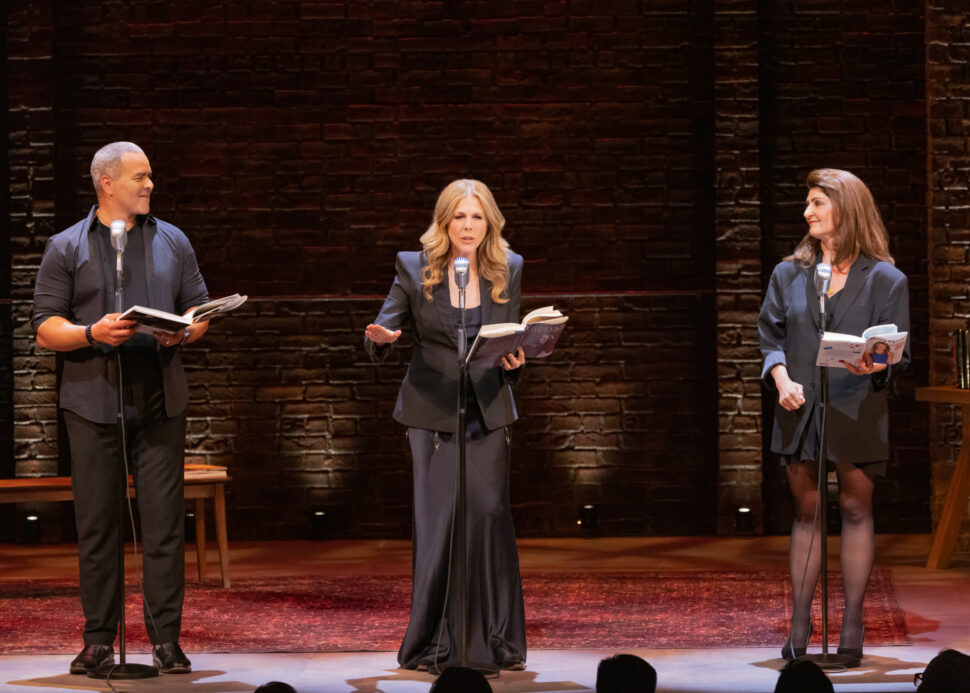
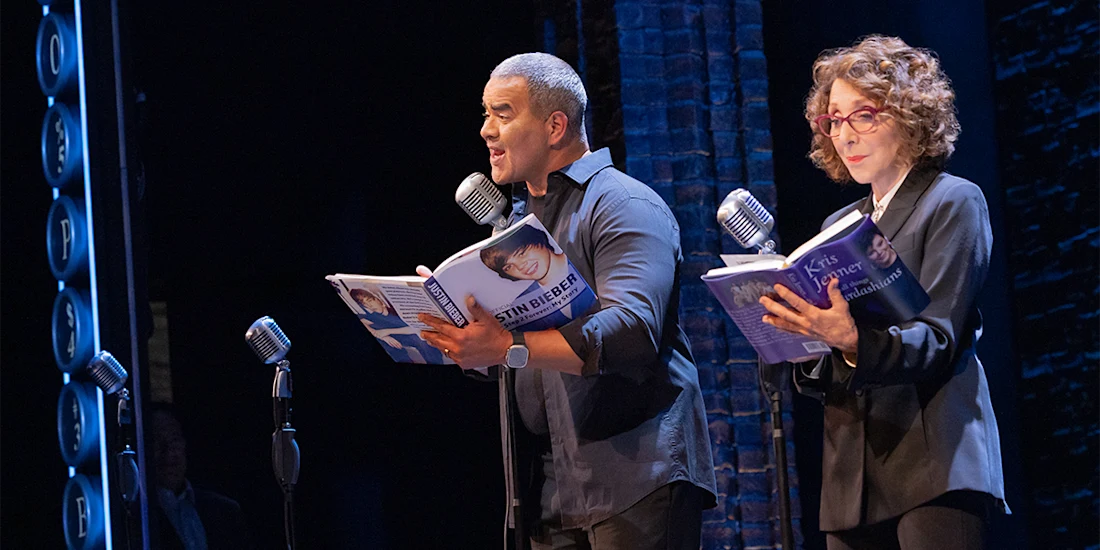
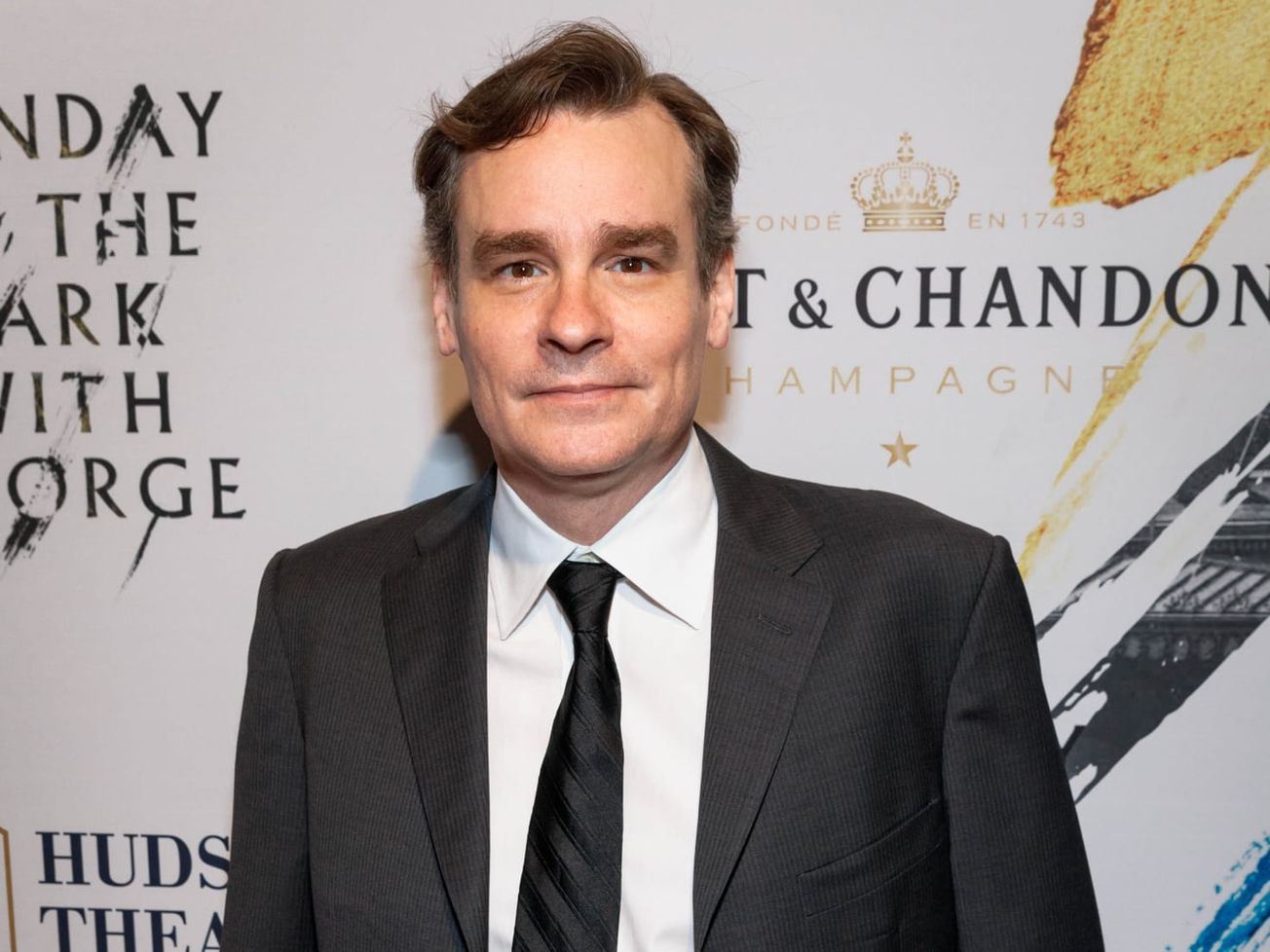
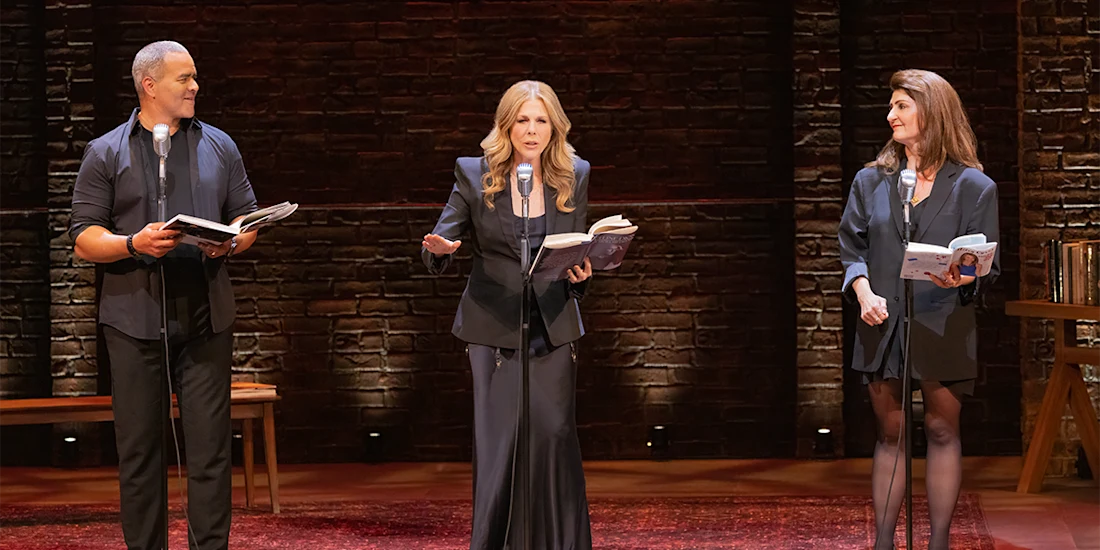
Celebrity Autobiography's early Broadway closure on June 21, 2026—cutting its run short by approximately two months from the originally planned August 16 date—reveals critical consumer behavior shifts relevant to e-commerce sellers in entertainment merchandise and collectibles categories. The production, which completed only 3 preview performances and 40 regular shows at the Shubert Theatre, demonstrates that even star-studded entertainment experiences (featuring 40+ rotating cast members including Matthew Broderick, Katie Couric, Kathy Griffin, and Tony Shalhoub) struggle to sustain audience engagement in the post-pandemic recovery period. This signals a broader market contraction in premium live entertainment experiences, with direct implications for sellers operating in entertainment merchandise, celebrity memorabilia, and comedy-related product categories.
The closure pattern reflects post-pandemic consumer spending reallocation away from premium live experiences toward digital and home-based entertainment. Broadway's broader recovery challenges—where multiple productions have adjusted runs based on box office performance—indicate that consumers are prioritizing value-driven entertainment options. For e-commerce sellers, this creates a two-part opportunity: (1) declining demand for premium Broadway merchandise and experience-based products, but (2) rising demand for affordable celebrity memorabilia, comedy merchandise, and digital entertainment products. Sellers in the entertainment collectibles category (estimated $2.1B+ in cross-border sales annually) should monitor this shift toward lower-cost celebrity products, comedy merchandise, and streaming-adjacent items rather than premium live-event merchandise.
The rotating celebrity cast model—featuring personalities from television, film, stage, sports, and politics—demonstrates the power of celebrity endorsement in driving initial interest but reveals limitations in sustaining demand through novelty alone. This insight applies directly to sellers using celebrity partnerships and influencer marketing on platforms like Amazon, TikTok Shop, and Shopify. The show's inability to maintain audience interest despite continuous cast rotation suggests that celebrity appeal has diminishing returns without underlying product value or community engagement. Sellers should interpret this as validation that celebrity-driven marketing alone cannot overcome weak product-market fit, and that sustainable sales require authentic product quality and customer value propositions beyond star power.
Questions 7
What are the timeline implications for sellers adjusting to entertainment merchandise demand shifts?
The news indicates Celebrity Autobiography closes June 21, 2026, after beginning performances May 16, 2026—a 36-day run. This rapid closure timeline suggests that entertainment merchandise demand shifts can occur within 4-6 weeks. For sellers, this means monitoring Broadway and live entertainment announcements weekly and being prepared to adjust inventory and marketing within 14-30 days of closure announcements. Set up Google Alerts for 'Broadway closure' and 'entertainment production cancellation' keywords. Establish relationships with entertainment merchandise liquidators and production companies to access inventory quickly. Plan for 30-day inventory turnover cycles in entertainment categories rather than traditional 60-90 day cycles.
How does the show's format innovation (rotating celebrity casts) relate to e-commerce product strategy?
Celebrity Autobiography's rotating cast model—designed to create 'surprise special guests each evening' and 'varied entertainment experiences'—mirrors e-commerce strategies of limited-edition product drops and rotating inventory. However, the show's failure to sustain audience interest despite this novelty suggests that product rotation alone cannot drive sustained demand without underlying value. For sellers using limited-edition or rotating product strategies on Shopify or Amazon, this indicates the need for strong community engagement, authentic product quality, and clear value propositions beyond novelty. Sellers should avoid relying solely on 'limited availability' or 'rotating inventory' as primary marketing hooks; instead, emphasize product quality, customer benefits, and community connection.