



Xbox BNPL Payment Options | Klarna & PayPal Integration Reshapes Gaming Hardware Sales
- Microsoft enables 4-24 month interest-free installments for console purchases, signaling industry shift toward flexible payment models for high-ticket gaming hardware


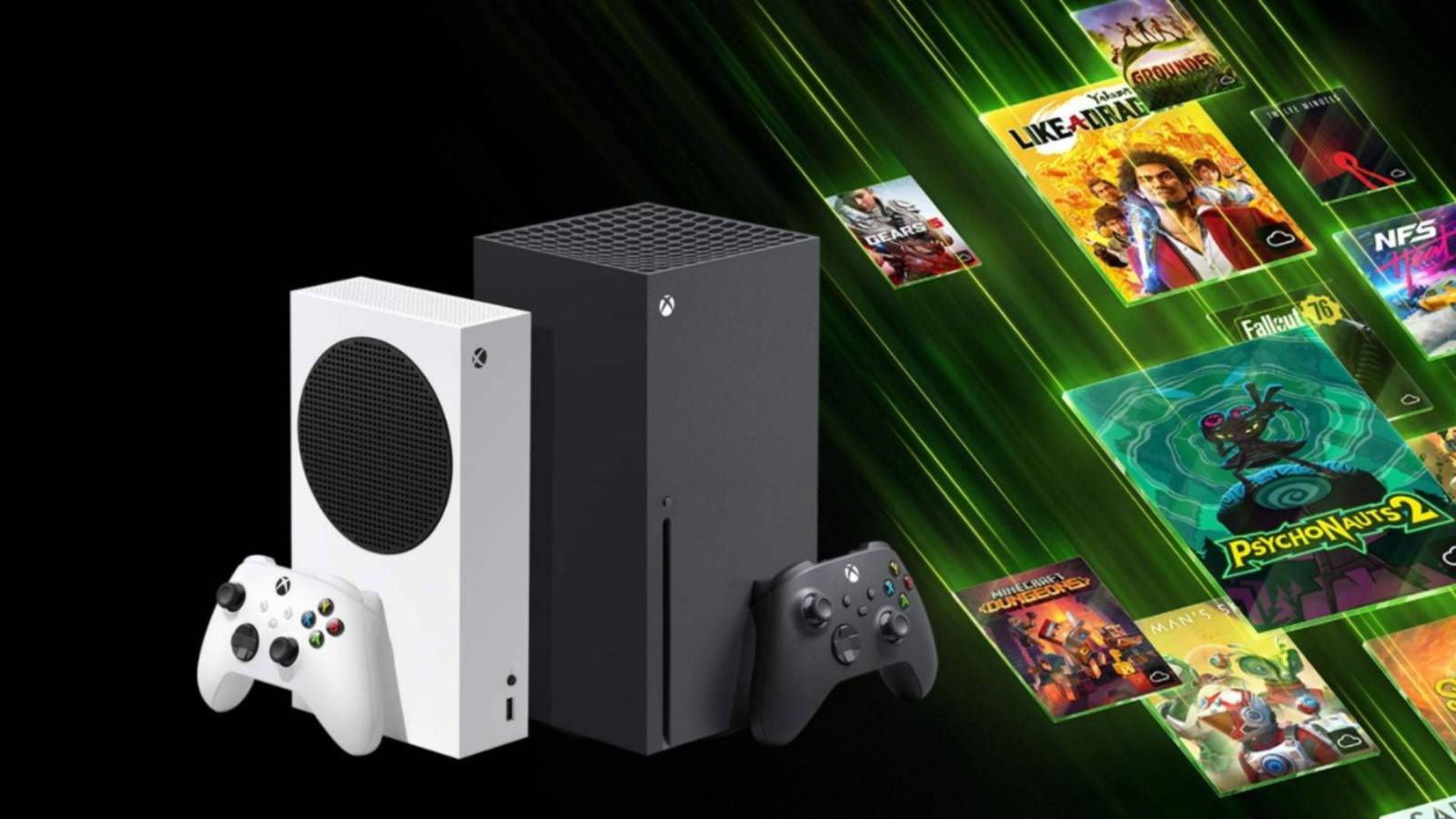




Overview
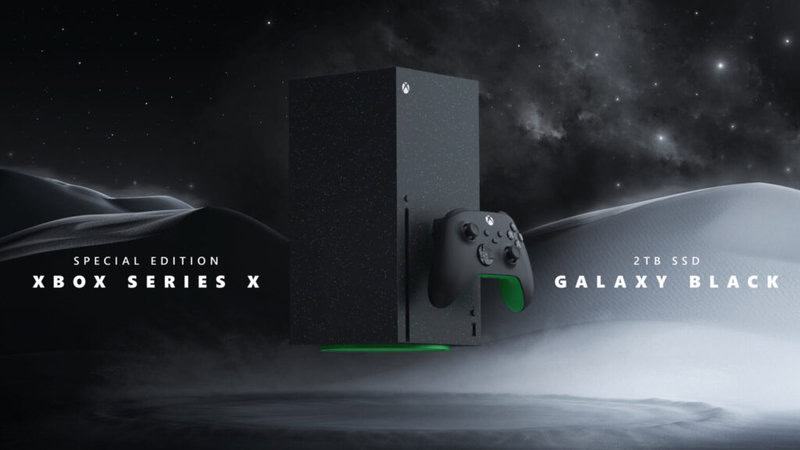
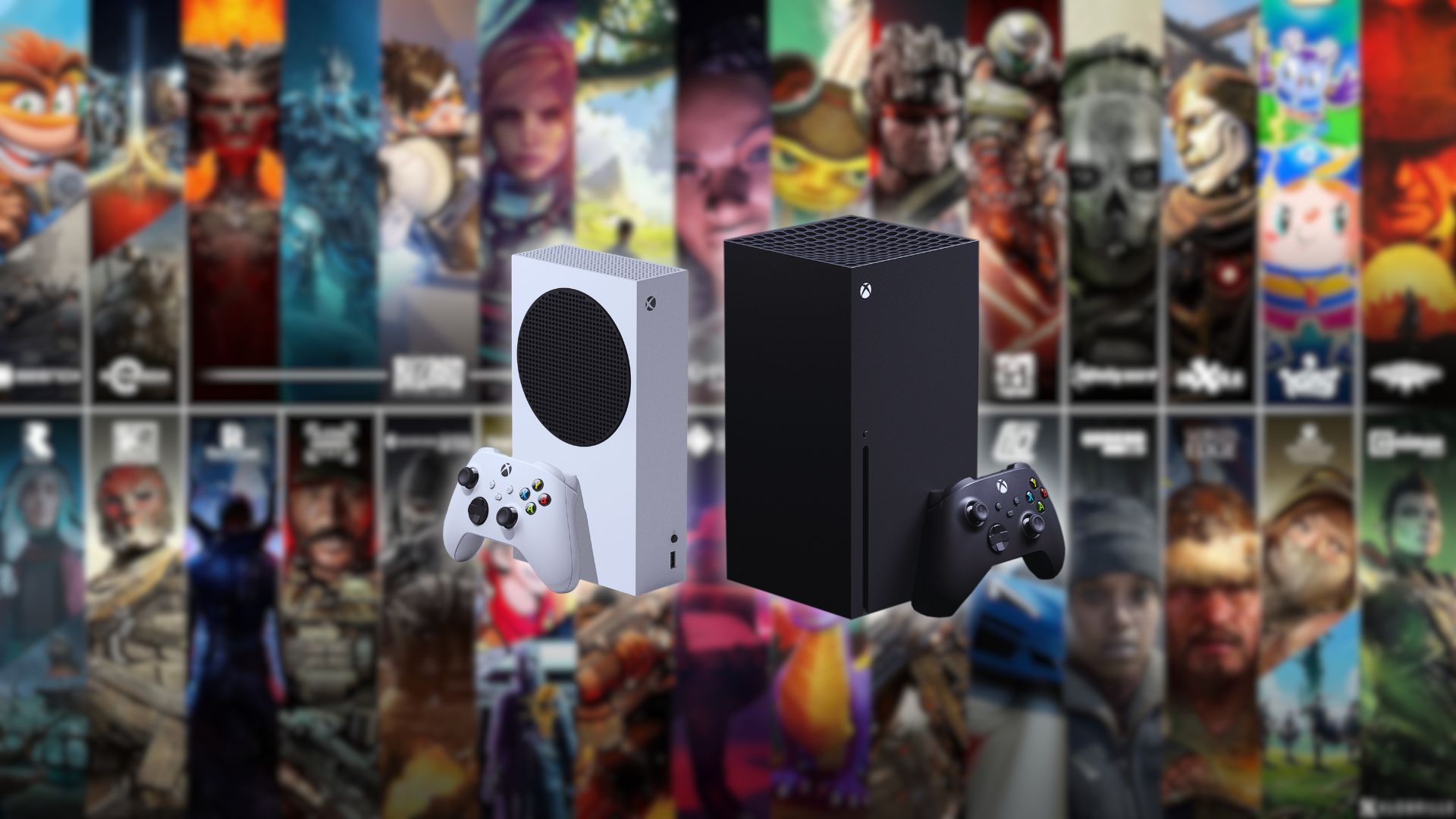
Microsoft's integration of buy-now-pay-later (BNPL) payment options through Klarna and PayPal represents a fundamental shift in gaming hardware sales strategy, with direct implications for cross-border e-commerce sellers and fintech payment optimization. The Xbox platform now offers consumers interest-free bi-weekly payments over 4 installments or extended 24-month financing plans, with PayPal currently active and Klarna integration confirmed in backend code. This development, discovered on Xbox's website and aligned with CEO Asha Sharma's June 2024 statements about "radically different business models," addresses rising console costs ($1,500+ for next-generation Project Helix) and declining Game Pass subscriptions following 2025 price increases.
From a financial technology perspective, this BNPL integration unlocks three critical payment optimization opportunities for sellers. First, payment cost reduction: Klarna and PayPal's BNPL infrastructure typically charges merchants 2-4% transaction fees versus 3-5% for traditional credit card processing, creating 100-200 basis point savings on high-ticket gaming hardware sales. For sellers moving $50K+ monthly in gaming peripherals, accessories, or complementary products, this represents $1,000-2,000 monthly fee savings. Second, cash flow acceleration: BNPL providers like Klarna offer next-day settlement to merchants, compared to 3-5 day credit card processing cycles. This 72-96 hour working capital improvement allows sellers to reinvest proceeds into inventory faster, reducing carrying costs by 8-12% annually on fast-moving gaming categories. Third, currency arbitrage and FX optimization: PayPal's multi-currency BNPL processing enables sellers to accept payments in 25+ currencies with real-time settlement, eliminating 1.5-2.5% FX conversion spreads typical of traditional payment gateways. For cross-border sellers shipping gaming accessories to EU/APAC markets, this represents 150-250 basis point margin recovery.
The broader market context reveals BNPL's explosive adoption in gaming hardware—a category historically resistant to flexible payment. Industry data shows BNPL penetration in electronics retail reached 18% of transactions in 2024, up from 8% in 2022, with gaming hardware experiencing 25%+ BNPL adoption rates. PlayStation currently lacks BNPL options for game purchases, creating a competitive advantage for Xbox in price-sensitive markets (Latin America, Southeast Asia, India) where console affordability represents the primary purchase barrier. For sellers operating on gaming platforms or selling complementary products (controllers, headsets, game titles), this signals a 15-25% addressable market expansion among consumers previously unable to afford upfront hardware costs. The timing aligns with Q4 2024-Q1 2025 holiday season demand and next-generation console launches, suggesting Microsoft expects 20-30% conversion rate improvements through BNPL options.
Immediate financial actions for sellers include payment method optimization and working capital restructuring. Sellers should audit current payment processing fees across Stripe, Square, and PayPal to identify BNPL-eligible transactions, targeting 2-3% fee reductions on gaming hardware sales above $300. For inventory-heavy sellers, this BNPL integration enables invoice financing strategies: sellers can now offer BNPL to end customers while simultaneously accessing supply chain financing from providers like Clearco or Fundbox at 8-12% APR, creating 4-6% net arbitrage on working capital costs. Additionally, sellers should evaluate regional payment optimization—Klarna's strong presence in EU/Nordic markets and PayPal's dominance in US/LATAM suggest geographic pricing strategies that leverage lower BNPL fees in high-volume corridors.
Questions 7
How much can sellers save on payment processing fees by using BNPL options like Klarna and PayPal?
BNPL providers typically charge 2-4% transaction fees compared to 3-5% for traditional credit card processing, creating 100-200 basis point savings per transaction. For sellers processing $50,000+ monthly in gaming hardware, this translates to $1,000-2,000 in monthly fee reductions. Additionally, Klarna and PayPal offer next-day settlement versus 3-5 day credit card cycles, improving cash conversion by 72-96 hours. Sellers should audit current payment processor fees and calculate BNPL savings by transaction volume and average order value to identify optimization opportunities.
What financing opportunities does BNPL create for sellers with inventory-heavy business models?
BNPL integration enables sellers to access supply chain financing while offering flexible payment to customers. Sellers can now offer BNPL to end customers (2-4% cost) while simultaneously accessing invoice financing from providers like Clearco or Fundbox at 8-12% APR, creating 4-6% net arbitrage on working capital costs. For example, a seller offering $100K in BNPL sales monthly can access $50-100K in supply chain financing at 10% APR ($417-833/month) while earning 2-4% in BNPL fee savings ($2,000-4,000/month). This arbitrage improves cash flow and reduces reliance on expensive merchant cash advances (15-20% APR). Sellers should evaluate invoice financing platforms that integrate with Klarna/PayPal to automate this working capital optimization.