




BOJ Rate Hike to 1% Reshapes Japan E-Commerce Financing | Seller Impact
- Yen appreciation increases export costs 3-8% for Japan-based sellers; working capital financing rates rise 0.5-1.5% immediately





















Overview
The Bank of Japan raised its benchmark interest rate to 1.0% on June 16, 2026, marking the highest level since 1995 and the second increase since December 2024. This historic monetary policy shift from decades of ultra-loose conditions directly impacts cross-border e-commerce sellers through three critical financial channels: currency appreciation, financing cost increases, and consumer spending moderation in Japan's major e-commerce market.
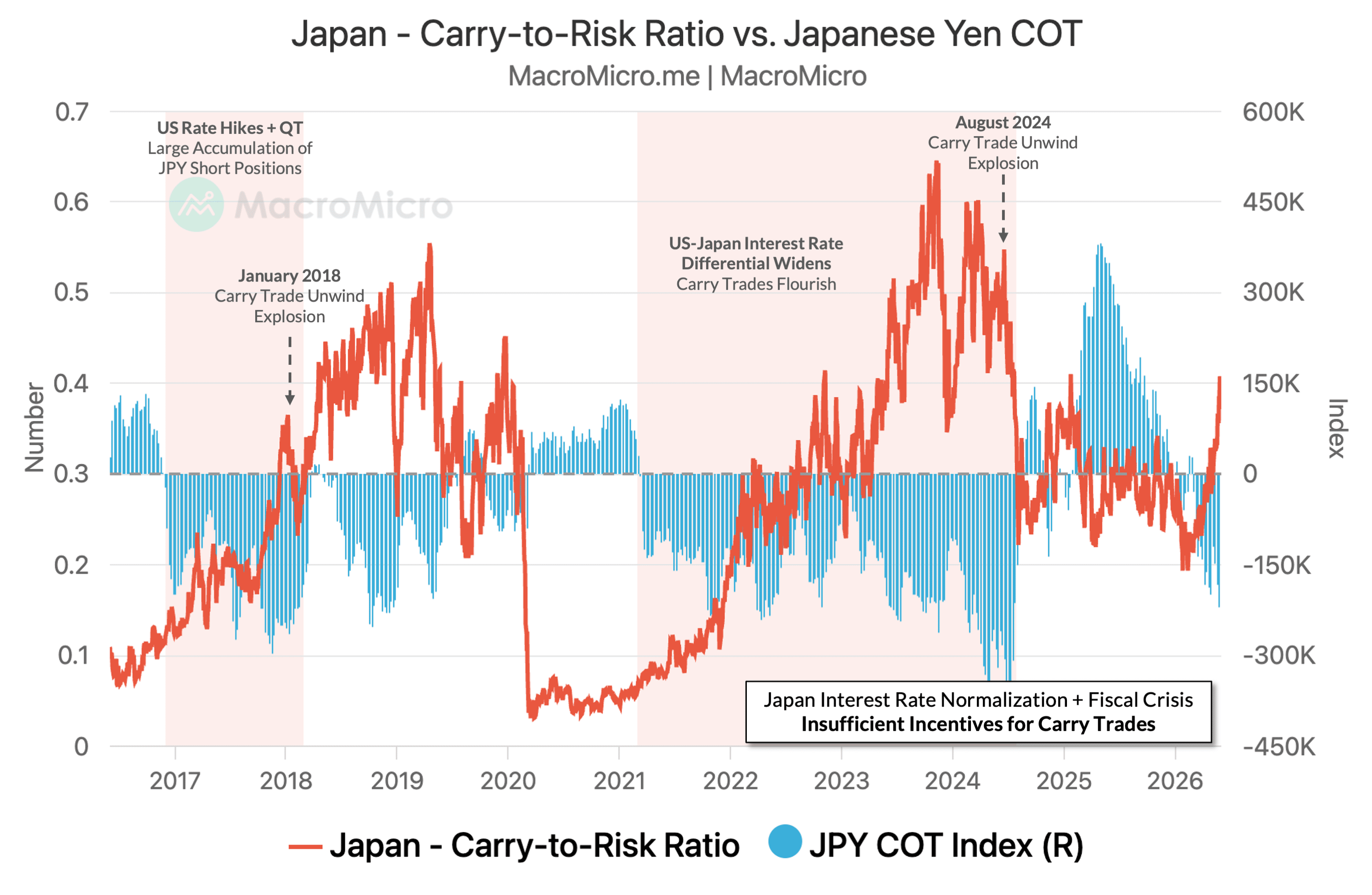
Currency Impact & Export Competitiveness: A stronger yen resulting from the 1.0% rate (compared to US rates exceeding 3% and UK rates above 3%) increases costs for Japanese sellers exporting internationally. Sellers using Amazon, eBay, and Shopify to reach US/EU markets face 3-8% margin compression on USD/EUR-denominated sales. For example, a Japanese seller exporting ¥10M in electronics inventory now requires higher yen conversion costs. The BOJ's stabilized bond purchase framework (¥2 trillion monthly from April 2027) reduces policy volatility, enabling more predictable FX hedging strategies—critical for sellers managing JPY/USD and JPY/EUR exposure.
Working Capital & Financing Costs: Japanese suppliers and logistics providers face increased borrowing costs as rates normalize from negative territory. Trade finance APR rates for Japanese sellers are rising 0.5-1.5 percentage points, directly impacting inventory financing, PO financing, and invoice factoring products. Sellers relying on Japanese bank loans for inventory expansion or 3PL infrastructure now face higher debt service costs. However, the stable bond purchase announcement (April 2027 implementation) signals policy predictability, allowing sellers to lock in financing terms before further rate increases. Immediate action: Sellers should secure inventory financing before Q3 2026 to avoid higher rates.
Consumer Spending & Domestic Demand: Higher borrowing costs moderate discretionary purchases in Japan, a major e-commerce market. Japan's wholesale prices climbed 6% year-over-year in May (fastest in 3 years), though overall inflation remains 1.4%—below the BOJ's 2% target. Government fuel cost mitigation measures provide some consumer spending cushion. Conversely, the BOJ's rate normalization signals economic confidence, potentially supporting sustained demand for premium/durable goods categories (electronics, home appliances, beauty) where Japanese consumers show resilience. Sellers targeting Japanese domestic consumers should monitor consumer credit trends and adjust inventory mix toward value-conscious categories.
Questions 8
What financing options are available as Japanese interest rates rise?
Japanese sellers face rising APR rates (0.5-1.5 percentage points higher) on inventory loans, PO financing, and invoice factoring as banks normalize rates from negative territory. **Amazon Seller Financing** and **Shopify Capital** offer alternative funding with rates tied to sales velocity rather than BOJ rates, providing 6-12 month terms at 8-15% APR. Japanese trade finance providers like **SMBC** and **Mizuho** offer locked-rate financing through April 2027 before further increases. Sellers should secure inventory financing immediately—waiting until Q3 2026 could add ¥500K-2M in annual debt service costs for mid-sized sellers.
Will higher Japanese rates reduce consumer spending on e-commerce platforms?
Higher borrowing costs may moderate discretionary purchases in Japan, though government fuel cost mitigation measures provide some spending cushion. Japan's overall inflation remains 1.4% (below the BOJ's 2% target), limiting immediate consumer impact. However, sellers targeting Japanese domestic consumers should monitor credit card delinquency rates and adjust inventory toward value-conscious categories (home essentials, electronics bundles) rather than luxury items. Premium categories (beauty, fashion) may see 5-10% demand softening, while durable goods (appliances, tools) remain resilient due to economic confidence signals from the BOJ's rate normalization.