


European Defense Spending Surge 2026-2030 | Supply Chain & B2B Opportunities for Industrial Sellers
- France commits €2-4B+ to domestic MLRS production by 2029; creates upstream component demand for aerospace/industrial suppliers across EU; signals 15-20% European defense budget reallocation toward indigenous manufacturing

Overview
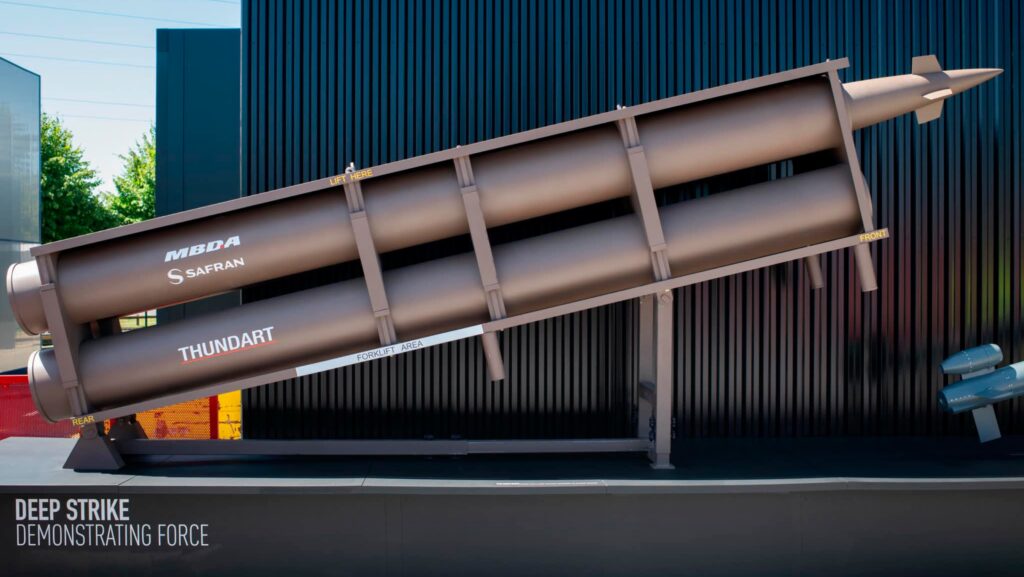
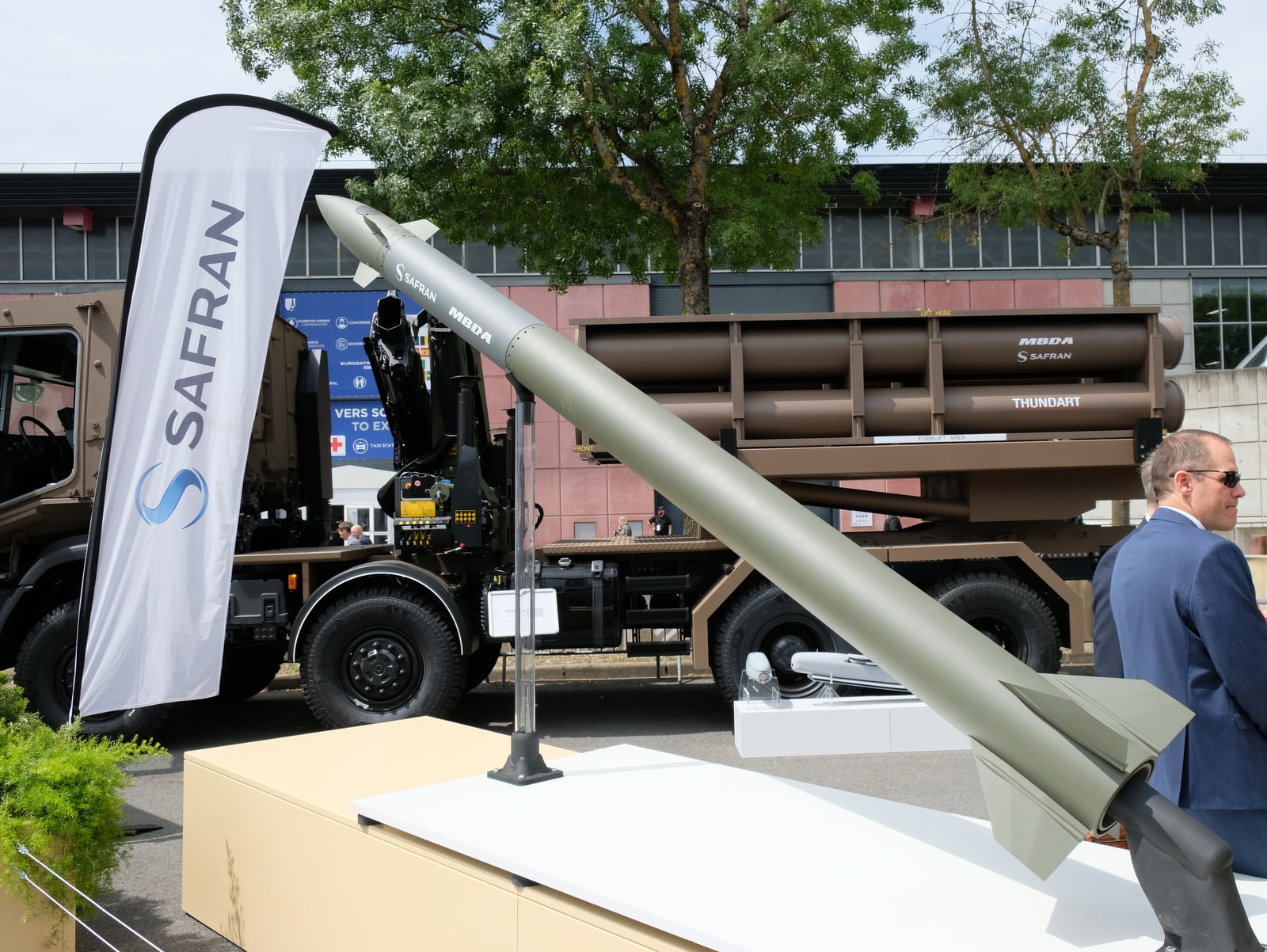
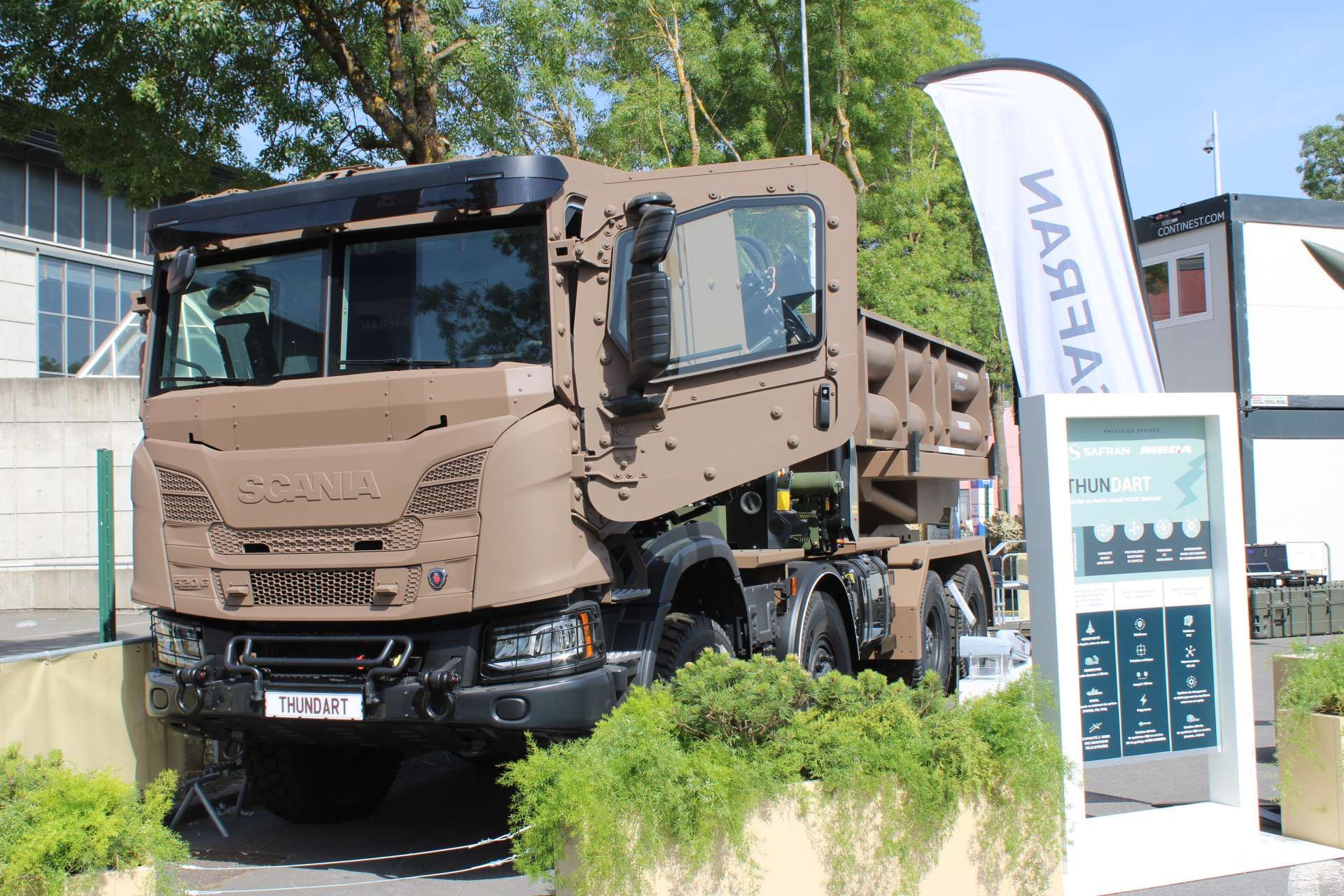
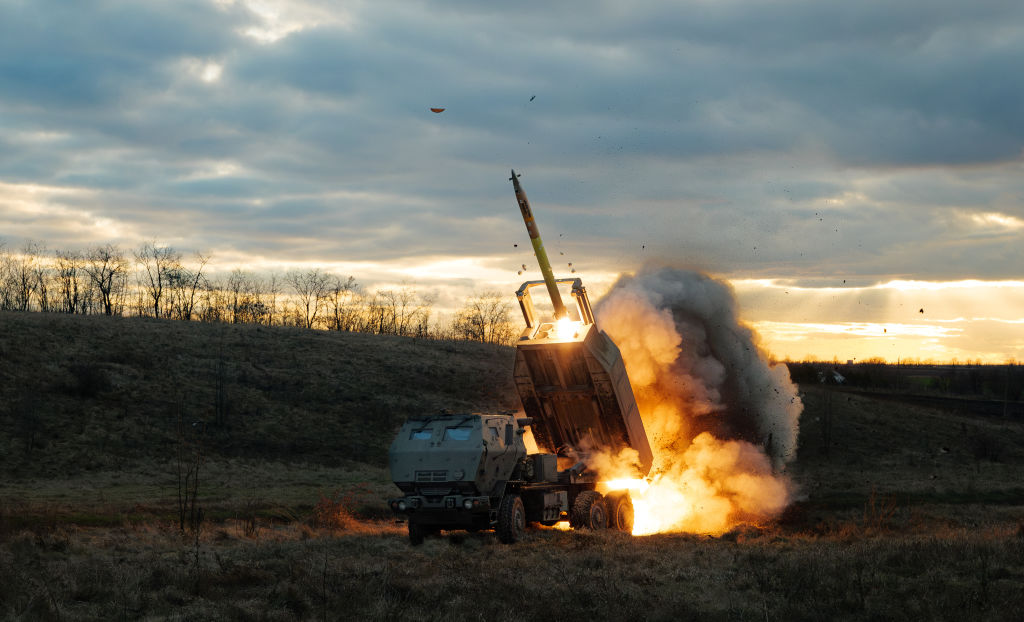
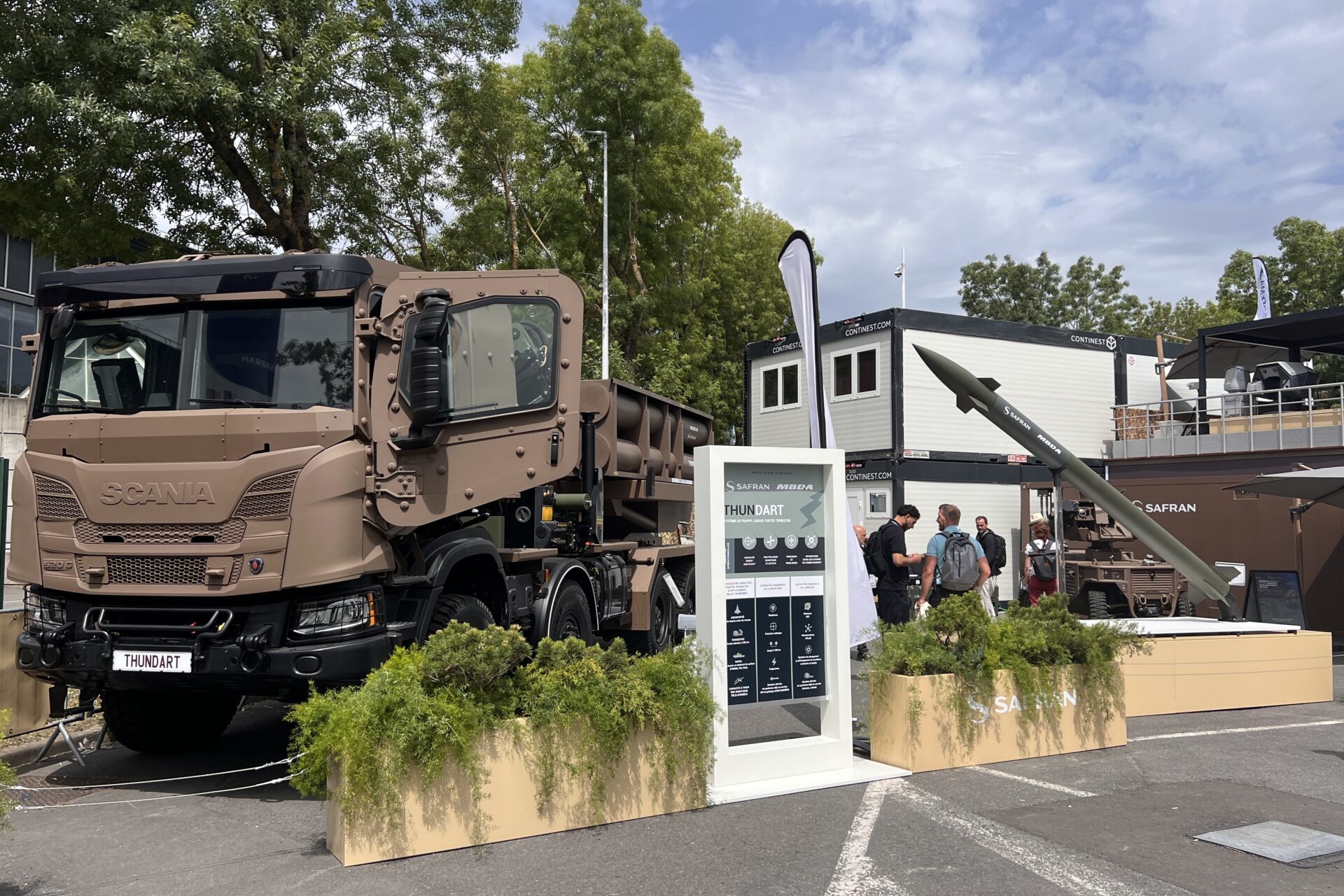
France's June 15, 2026 decision to award exclusive negotiations to MBDA-Safran for the Thundart MLRS platform represents a pivotal shift in European defense procurement strategy with significant implications for B2B industrial suppliers and cross-border component commerce. Armed Forces Minister Catherine Vautrin's announcement at Eurosatory 2026 prioritizes domestic sovereignty over competing U.S. (Lockheed Martin HIMARS) and South Korean (Hanwha Chunmoo) systems, signaling Europe's commitment to reducing foreign defense dependency. The Safran-MBDA partnership projects first operational deliveries by 2029, with the Thundart system featuring 150-kilometer range capability (extendable to 300+ km), metric-accuracy guidance derived from AASM Hammer technology, and compatibility with Thales' Atlas fire-control systems.
This procurement decision catalyzes substantial upstream demand across industrial supply chains. The 2029-2030 deployment timeline creates a 3-4 year development window requiring precision components, advanced materials, electronics, and manufacturing services. European defense contractors typically source 40-60% of components from specialized suppliers; the Thundart program alone could generate €500M-€1.2B in subcontractor opportunities. Sellers specializing in aerospace-grade fasteners, composite materials, precision machining, industrial electronics, and logistics services face immediate demand acceleration. The decision also reflects broader European Union initiatives promoting "defense technological sovereignty"—a policy framework that favors EU-based suppliers over non-EU competitors, creating tariff and regulatory advantages for sellers positioned in EU manufacturing hubs.
Strategic context amplifies market opportunity. France's LRU fleet retirement deadline (2027) creates urgency; General Philippe de Montenon emphasized initial capability deployment by 2030 is "essential" for war-ready division status by 2027 and army corps readiness by 2030. This compressed timeline increases component procurement velocity and reduces price sensitivity—defense contractors typically accept 10-15% cost premiums for accelerated delivery during capability gaps. Additionally, the decision eliminates Lockheed Martin's HIMARS proposal (which offered 18-month delivery starting 2028), removing a competing supply chain and consolidating demand within the MBDA-Safran ecosystem. European suppliers gain preferential access to a multi-year, high-value contract while non-EU competitors face regulatory barriers. For cross-border B2B sellers, this represents a 36-48 month revenue window with predictable government procurement cycles and strong payment reliability (defense contracts typically feature 30-60 day payment terms with sovereign guarantees).
Questions 7
What is the timeline for Thundart MLRS deployment and how does it affect supplier planning?
MBDA-Safran project first operational deliveries by 2029, with initial capability deployment by 2030 required to replace aging M270-based LRU launchers. The compressed timeline (2026-2030) creates a 4-year development window with three critical phases: (1) Component procurement and manufacturing (2026-2028), (2) System integration and testing (2027-2029), (3) Operational deployment (2029-2030). General Philippe de Montenon emphasized initial deployment is 'essential' for war-ready division status by 2027 and army corps readiness by 2030. For suppliers, this means accelerated procurement cycles starting immediately (Q3 2026), with peak component demand in 2027-2028. Defense contracts typically feature 30-60 day payment terms, making this a reliable revenue stream for B2B industrial sellers.
How does the elimination of Lockheed Martin's HIMARS proposal affect the defense supply chain?
Lockheed Martin's HIMARS proposal offered 18-month delivery timelines with launcher transfers beginning 2028, but France's exclusive negotiations with MBDA-Safran eliminate this competing supply chain. This consolidation benefits EU-based suppliers by concentrating demand within the MBDA-Safran ecosystem, reducing competition for subcontracts. However, it also creates supply chain concentration risk—if MBDA-Safran faces production delays, no alternative supplier exists. The decision reflects broader European Union policy favoring indigenous manufacturing over U.S. systems. For B2B suppliers, this means: (1) Preferential access to MBDA-Safran subcontracts for EU-based companies, (2) Reduced competition from U.S. supply chains, (3) Regulatory advantages under European defense sovereignty policies, (4) Potential 10-15% cost premiums for accelerated delivery during the 2026-2029 development window.