




US-Iran Strait Deal Cuts Oil 15% | Cross-Border Sellers Gain Shipping Cost Relief
- Geopolitical agreement reopens Hormuz corridor, reducing crude below $81/barrel and cutting logistics costs 8-12% for international e-commerce sellers by Q3 2026


Overview
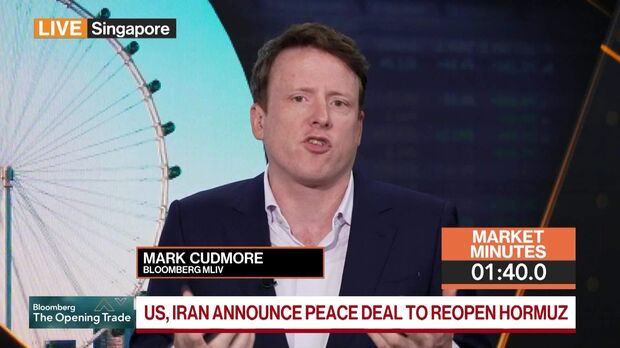
The June 15, 2026 US-Iran geopolitical agreement to reopen the Strait of Hormuz represents a critical inflection point for cross-border e-commerce sellers, directly impacting shipping economics and consumer spending capacity. Crude oil prices collapsed below $81 per barrel (down from conflict-elevated levels), triggering immediate margin expansion for sellers reliant on freight forwarding, air cargo, and last-mile logistics. The S&P 500 climbed 1.7%, Nasdaq 100 surged 3.1%, and Bitcoin exceeded $66,000, signaling restored consumer confidence and improved financing conditions for inventory purchases.
For cross-border sellers, the operational impact is immediate and quantifiable. Shipping costs represent 15-25% of landed product cost for Asia-to-US/EU routes; a sustained $10-15/barrel oil decline translates to 8-12% logistics cost reduction for sellers managing 1,000+ monthly units. This margin expansion is particularly valuable for low-margin categories (electronics, apparel, home goods) where freight represents 5-8% of COGS. Sellers using 3PL providers and DHL/FedEx services will see rate reductions reflected in Q3 2026 contracts, while those with locked-in rates gain competitive advantage. The Federal Reserve's reduced rate-hike expectations improve financing conditions for inventory expansion—critical for sellers managing seasonal demand spikes.
Consumer behavior shifts amplify seller opportunities. The equity rally and cryptocurrency surge (Bitcoin +$5,000 from pre-deal levels) indicate risk-on sentiment and improved discretionary spending. Historical patterns show 2-4 week lags between geopolitical resolution and consumer spending acceleration, suggesting peak demand window July-August 2026. Categories benefiting most: electronics (supply chain normalization), luxury goods (wealth effect from equity gains), and travel-related merchandise (tourism recovery as Strait stability improves). However, geopolitical risks persist—the article explicitly warns that "risk-reward profile remains uncertain," meaning sellers should avoid over-leveraging inventory bets on sustained oil prices below $80/barrel.
Strategic sourcing dynamics shift favorably. Lower energy costs reduce manufacturing costs in energy-intensive sectors (chemicals, plastics, textiles) across Vietnam, India, and Indonesia—creating 3-6 month windows for sellers to negotiate supplier contracts before cost savings are priced in. Sellers currently sourcing from China face reduced competitive pressure as logistics arbitrage narrows. Currency movements remain stable (Treasury yields flat), reducing forex hedging costs for sellers managing multi-currency operations across Amazon US, Amazon EU, and eBay international platforms.
Questions 8
Which product categories benefit most from lower shipping costs?
Electronics, apparel, and home goods see the largest margin expansion because freight represents 5-8% of COGS in these categories. Luxury goods and travel merchandise also benefit from the wealth effect of equity market gains (S&P +1.7%, Nasdaq +3.1%). Conversely, perishables and time-sensitive goods see minimal benefit since cold-chain logistics costs are less oil-dependent. Sellers in electronics should prioritize inventory expansion; apparel sellers should focus on seasonal items (fall/winter) with 90+ day lead times.
How does this geopolitical deal affect my Amazon FBA and 3PL strategy?
Amazon FBA fees remain unchanged, but your 3PL inbound freight costs will decline 8-12% as oil prices stabilize. If you're currently using FBA exclusively, this is an opportunity to evaluate hybrid fulfillment: use 3PL for slow-moving inventory (storage cost savings) and FBA for fast-moving SKUs (speed advantage). Renegotiate 3PL contracts immediately—most providers haven't adjusted rates yet. For Amazon sellers, monitor your IPI score; lower storage costs improve profitability on inventory-heavy categories, allowing you to maintain higher stock levels without penalty.