



Google AI Search Overhaul Reshapes Discovery | Sellers Must Adapt to AI-First Discovery Model
- Organic search traffic faces 30-50% decline as AI Overviews replace traditional links; Information Agents create new paid discovery channel launching June 2026








Overview
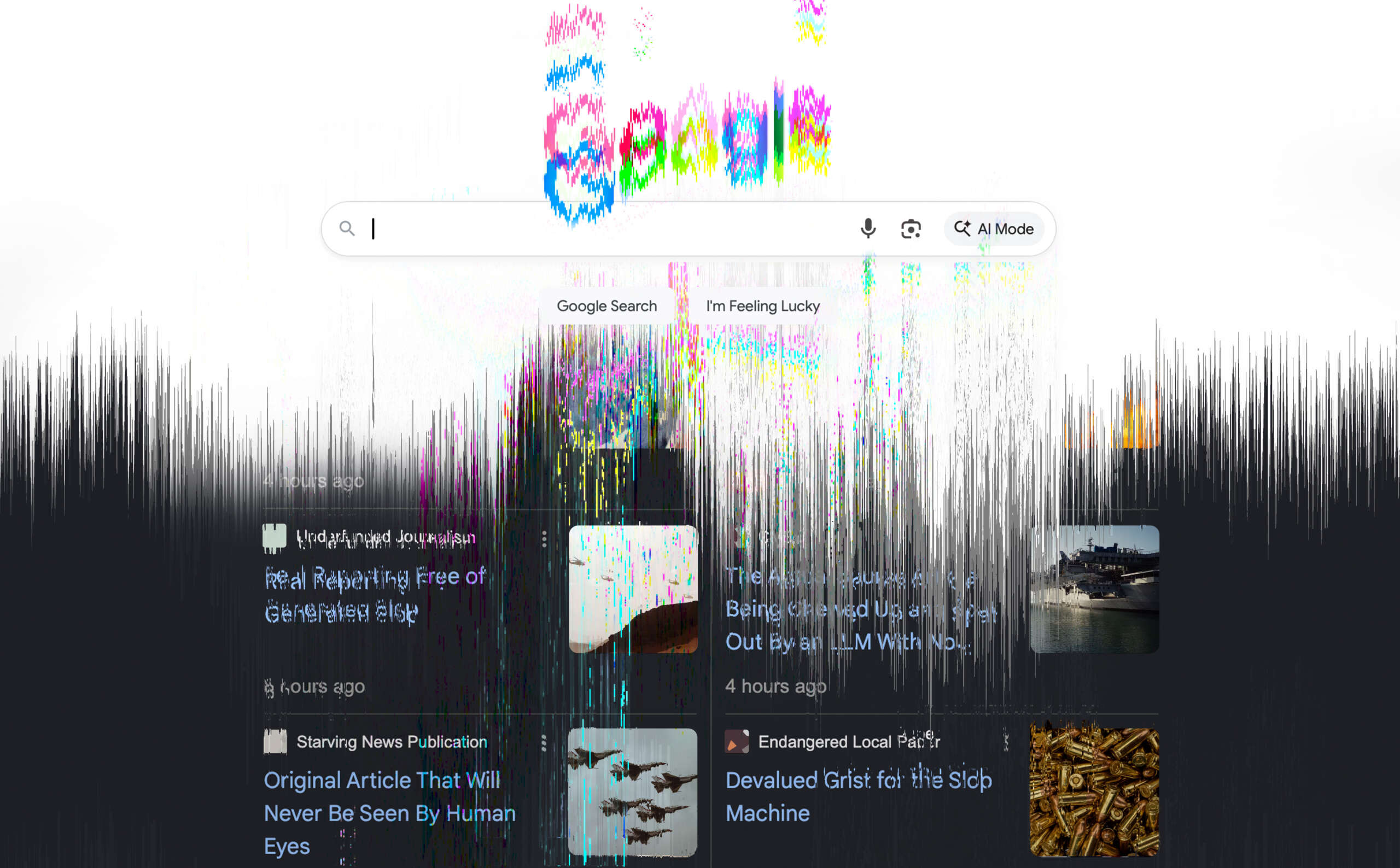
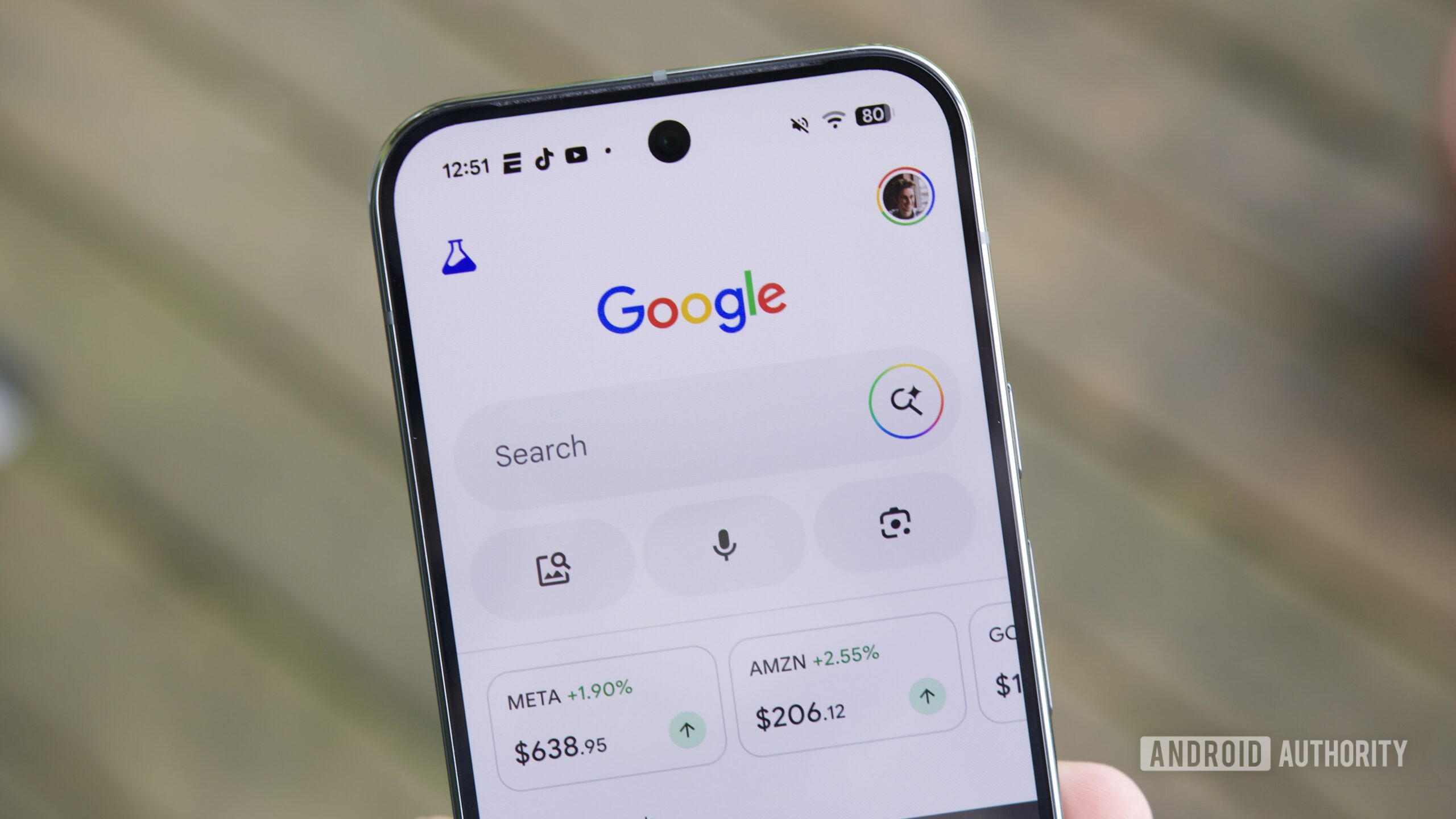
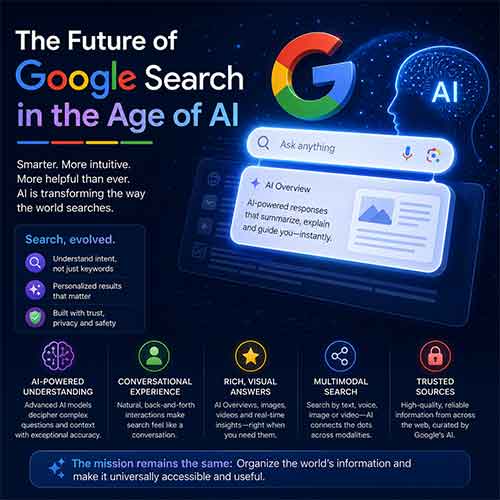
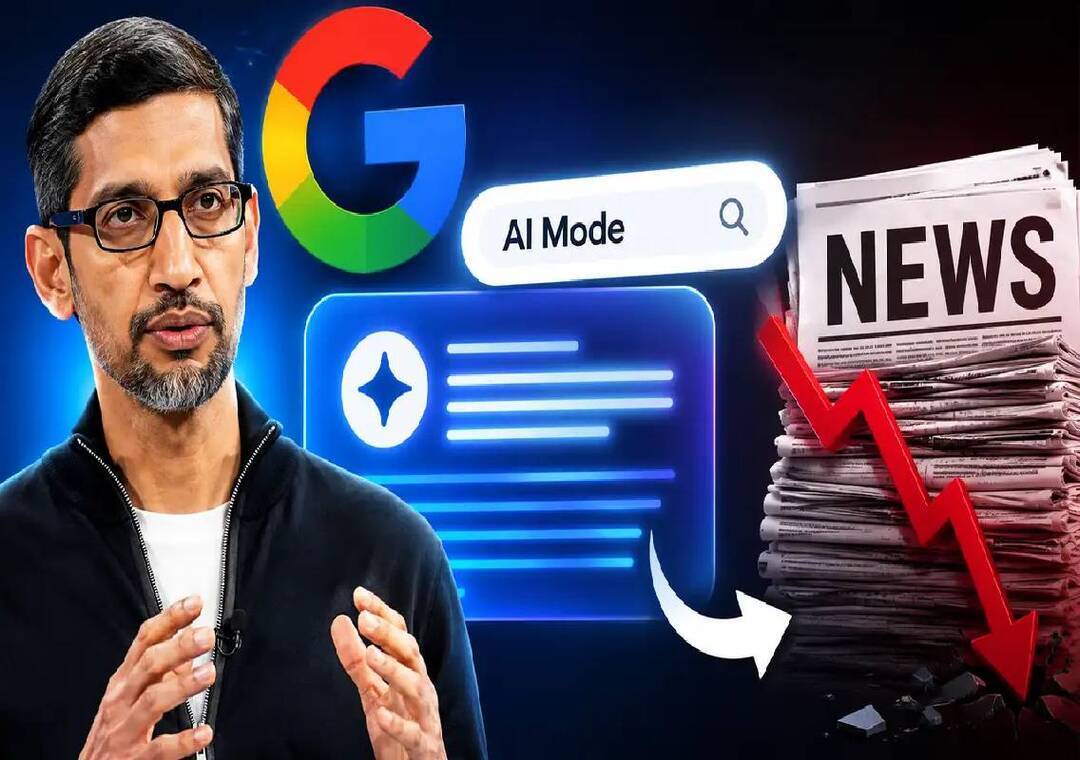
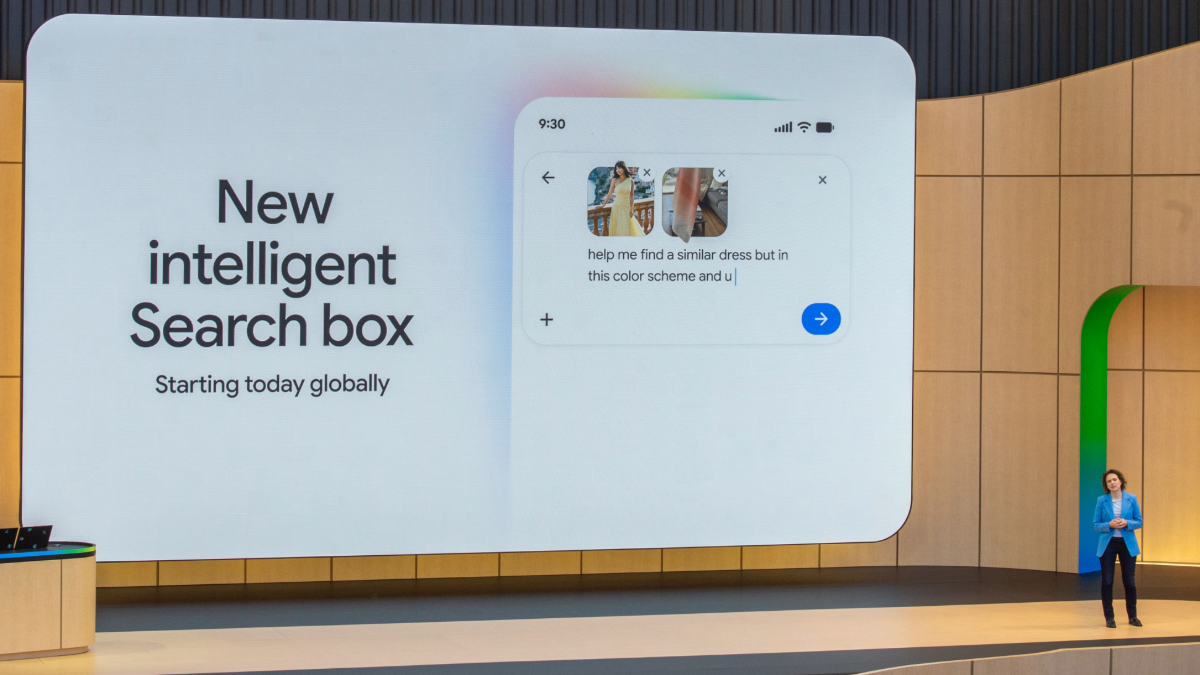
Google's most significant search transformation in 25+ years fundamentally reshapes how 2+ billion users discover products and services. As of mid-June 2026, Google Search has shifted from a link-retrieval system to an AI-powered conversational answer engine, with AI Overviews generating direct answers that eliminate user incentive to click external links. Simultaneously, Information Agents—available exclusively to Google AI Ultra subscribers since June 15, 2026—introduce a new paid discovery model where autonomous agents continuously monitor the web for product releases, price changes, and inventory updates matching user-specified criteria.
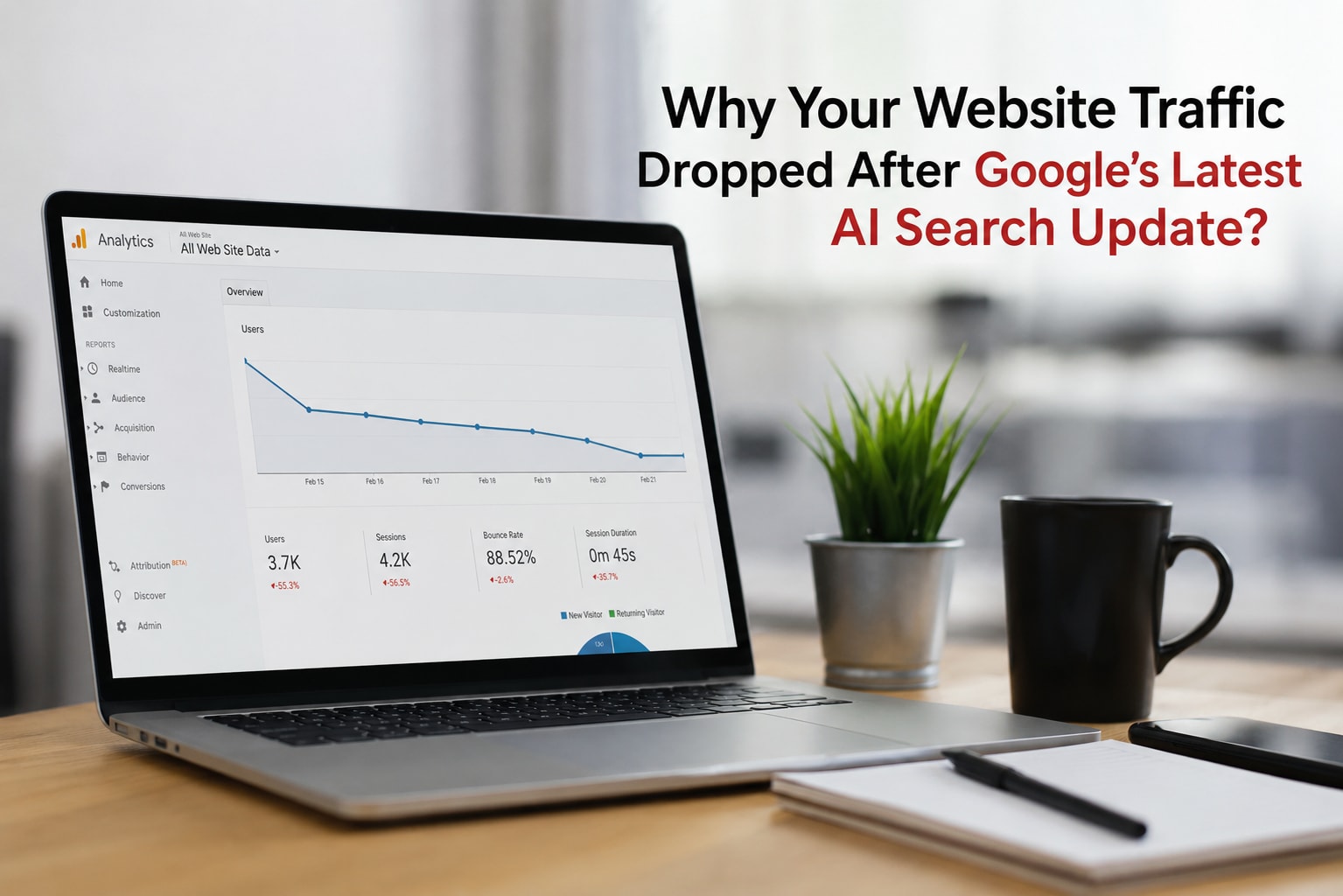
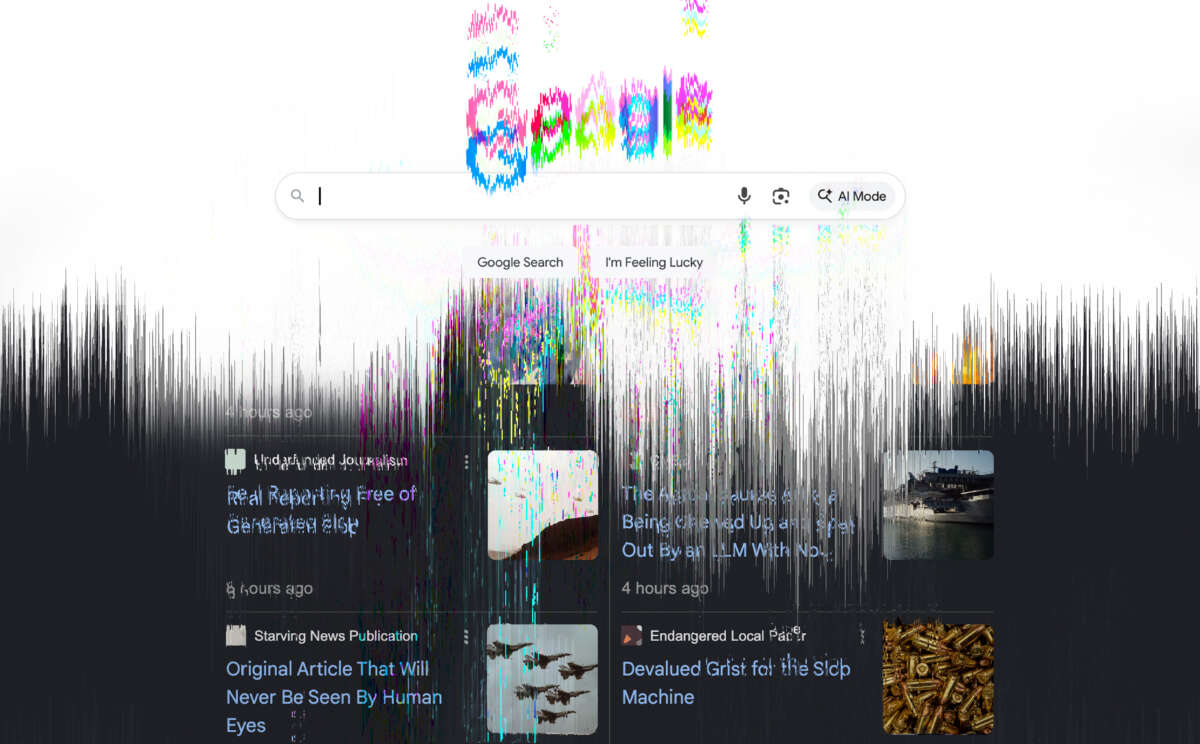
For e-commerce sellers, this creates a dual crisis and opportunity. The crisis: organic search visibility collapses as AI Overviews synthesize competitor content directly in results, reducing click-through rates by an estimated 30-50% for traditional product listings. The news explicitly states that "user incentive to click originating links approaches zero" when Google's AI extracts and displays product information directly. This mirrors Meta's 2018 algorithm change, which reduced news organization traffic by 90%+ for some outlets—a pattern now repeating in e-commerce discovery.
The opportunity: Information Agents represent a new paid discovery channel where sellers can ensure their products appear in real-time monitoring feeds. When users set agents to track "sneaker collaborations from favorite athletes" or "product releases matching specific criteria," sellers who optimize for agent visibility gain direct access to high-intent buyers. This requires fundamentally different optimization strategies than traditional SEO—focusing on structured data, real-time inventory feeds, and agent-readable product specifications rather than keyword-optimized content.
The regulatory environment adds urgency. EU and US antitrust regulators are actively investigating whether Google leverages its search monopoly to preference its own AI products over external competitors. Copyright infringement lawsuits challenge Google's training practices on protected intellectual property. These legal pressures could force Google to modify its AI integration strategy within 12-18 months, creating a window where early-adopting sellers can establish competitive advantages before rules stabilize. Sellers must simultaneously prepare for three scenarios: (1) continued AI-first search dominance, (2) regulatory rollback requiring Google to restore organic link visibility, or (3) hybrid models where both AI and traditional search coexist with different monetization rules.
The subscription-based model for Information Agents signals Google's testing of premium discovery features that could eventually integrate into standard Google Search. This indicates a fundamental shift in search monetization—from advertiser-paid PPC to consumer-paid premium discovery. Sellers currently relying on organic search and traditional Google Shopping must diversify discovery channels immediately, as the 25-year contract between Google Search and the broader web ecosystem is being renegotiated in real-time.
Questions 7
What are Information Agents and how can sellers use them for product discovery?
Information Agents are autonomous AI systems launched by Google on June 15, 2026, exclusively for Google AI Ultra subscribers. They continuously monitor the web for updates matching user-specified criteria—such as 'sneaker collaborations from favorite athletes' or 'product releases in specific categories'—and send notifications when matches occur. For sellers, this creates a new paid discovery channel where products appearing in agent-monitored feeds gain direct access to high-intent buyers. Sellers must optimize for agent visibility by ensuring accurate structured data (product schema), real-time inventory feeds, and agent-readable specifications. The feature is currently limited to AI Ultra subscribers but Google plans broader availability by summer 2026, suggesting eventual integration into standard Google Search offerings.
Should sellers invest in Google Shopping or focus on alternative discovery channels?
Sellers should adopt a diversified discovery strategy rather than relying solely on Google Shopping. Google Shopping remains viable for now, but its long-term viability is uncertain given the shift toward AI-powered discovery. The news indicates Google is testing premium AI features that could eventually replace traditional Shopping feeds. Recommended approach: (1) Maintain Google Shopping optimization for current traffic, (2) Prepare for Information Agents by ensuring structured data and real-time feeds are agent-ready, (3) Invest in alternative channels including Amazon, TikTok Shop, and direct-to-consumer platforms, (4) Monitor regulatory developments—EU and US antitrust investigations could force Google to restore organic link visibility within 12-18 months. The subscription-based model for Information Agents signals Google's shift toward premium discovery, which may eventually disadvantage non-paying sellers.