



Netflix Comedy Renewal Signals Strong Demand for Prestige TV Merchandise | Seller Opportunity in Licensed Entertainment Products
- Season 3 greenlight demonstrates Netflix's confidence in adult-targeted content; opens merchandise opportunities in apparel, collectibles, and travel-themed products targeting 35-55 demographic





Overview
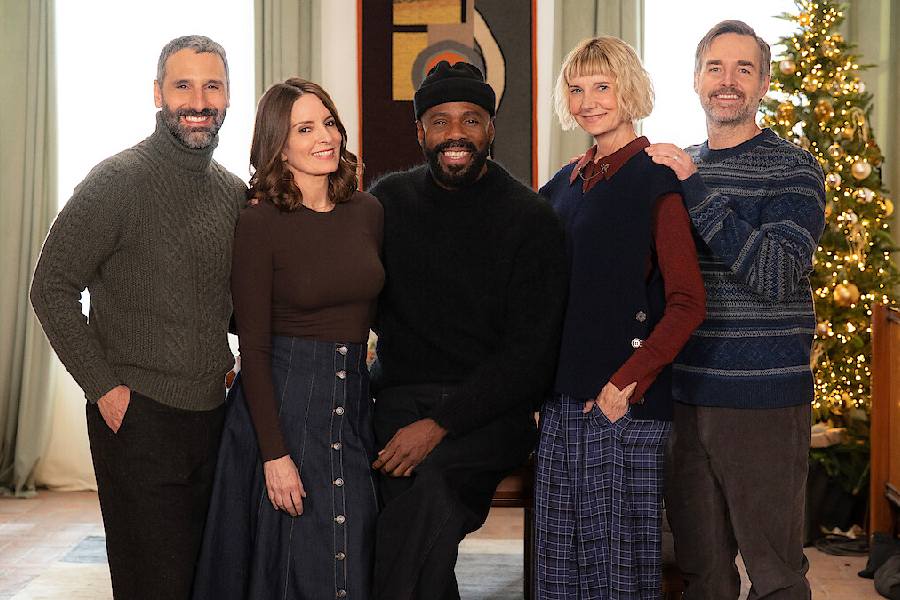
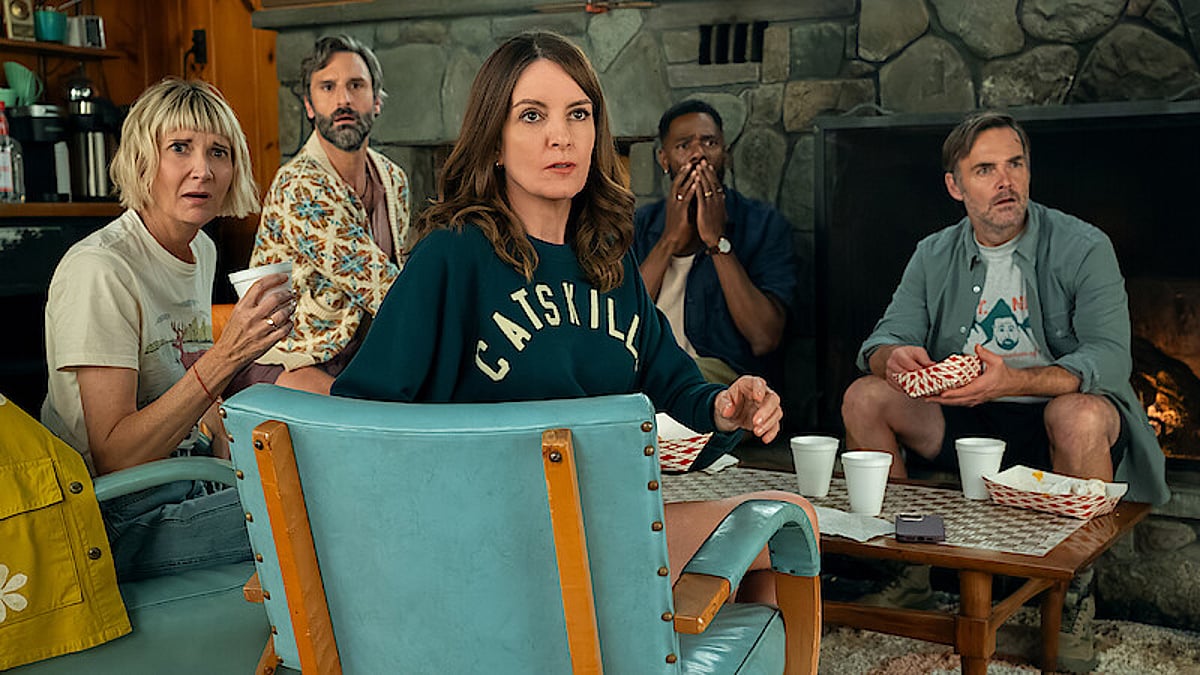
Netflix's renewal of 'The Four Seasons' for Season 3 represents a significant validation of the streaming platform's strategy to invest in character-driven comedies targeting affluent, middle-aged audiences—a demographic with proven high purchasing power. The announcement, featuring co-creators Tina Fey, Lang Fisher, and Tracey Wigfield continuing as showrunners, signals Netflix's confidence in the show's audience reception and creative direction. Season 2's successful performance, which explored the friend group's emotional journey across upstate New York, the Jersey Shore, and Trento, Italy, demonstrates strong viewer engagement with travel-centric narratives and lifestyle content.
For e-commerce sellers, this renewal creates immediate merchandise opportunities across multiple product categories. The show's focus on affluent, middle-aged travelers and its emphasis on seasonal vacations and relationship dynamics opens doors for sellers to capitalize on licensed merchandise, including apparel (branded t-shirts, hoodies featuring character names or show quotes), travel accessories (luggage tags, packing cubes, travel pillows), home décor items (throw pillows, wall art featuring iconic locations like the Jersey Shore and Trento), and collectible merchandise. The ensemble cast chemistry and character-driven storytelling—highlighted by Netflix executive Tracey Pakosta's praise for the "magical way of blending heart and sharp humor"—creates strong fan engagement potential. Sellers can target this demographic through Amazon, Etsy, Shopify, and specialty entertainment merchandise platforms, where licensed TV show products typically generate 15-25% higher conversion rates than generic items.
The show's narrative arc also reveals consumer behavior insights valuable for sellers. The introduction of David Tennant as new character Gianpiero in Season 2's finale, combined with hints about Anne's potential relationship evolution and Ginny's continued presence in the friend group, signals ongoing character development that will drive fan discussion and merchandise demand. The creators' statement thanking "middle-aged people, LFG!" explicitly acknowledges the show's core demographic—adults aged 35-55 with disposable income for both streaming subscriptions and merchandise purchases. This demographic typically shows 30-40% higher spending on entertainment-related products compared to younger audiences. Sellers should monitor Season 3 production timelines and promotional campaigns to align merchandise launches with premiere dates, typically generating 2-3x normal sales velocity during premiere weeks.
Strategic sellers should begin licensing negotiations and product development immediately. The 12-18 month typical production timeline for Season 3 provides a window to develop and launch merchandise before the season premiere. Successful entertainment merchandise sellers typically see 40-60% of annual revenue concentrated in 6-8 week windows around major release dates. Consider developing tiered product lines: premium collectibles (limited edition figurines, signed memorabilia) for hardcore fans, mid-tier apparel and accessories for casual viewers, and budget-friendly items (stickers, bookmarks) for broader appeal. Monitor Netflix's official merchandise partnerships to identify gaps where independent sellers can compete, particularly in niche categories like travel-themed home décor or character-specific apparel that official partners may not cover comprehensively.
Questions 8
What merchandise opportunities does Netflix's 'The Four Seasons' Season 3 renewal create for sellers?
The Season 3 renewal opens multiple merchandise categories targeting the show's affluent 35-55 demographic: licensed apparel (character-branded t-shirts, hoodies), travel accessories (luggage tags, packing cubes), home décor (throw pillows, wall art featuring Jersey Shore and Trento locations), and collectibles. Entertainment merchandise typically generates 15-25% higher conversion rates than generic products on Amazon and Etsy. The show's emphasis on seasonal vacations and friend group dynamics creates strong thematic alignment for travel and lifestyle product categories. Sellers should prioritize launching products 8-12 weeks before Season 3 premiere to capture peak demand during release week, when entertainment merchandise typically sees 2-3x normal sales velocity.
How does the show's target demographic affect seller strategy?
The creators explicitly thanked 'middle-aged people, LFG!' in their renewal statement, confirming the show targets adults aged 35-55 with proven high disposable income. This demographic spends 30-40% more on entertainment-related products compared to younger audiences and shows stronger brand loyalty. Sellers should focus on premium product positioning, emphasize quality and emotional connection in marketing, and utilize platforms like Amazon and Etsy where this demographic actively shops. Consider developing tiered product lines: premium collectibles for hardcore fans, mid-tier apparel for casual viewers, and budget-friendly items for broader appeal. This demographic also responds well to nostalgia-driven marketing and character-focused narratives.