


Celebrity Advocacy Drives Troubled Teen Industry Regulation | Seller Opportunity in Wellness & Safety Products
- Paris Hilton's high-profile lawsuit support amplifies regulatory momentum affecting 50+ residential treatment facilities; creates emerging demand for teen mental health, safety monitoring, and wellness product categories















Overview
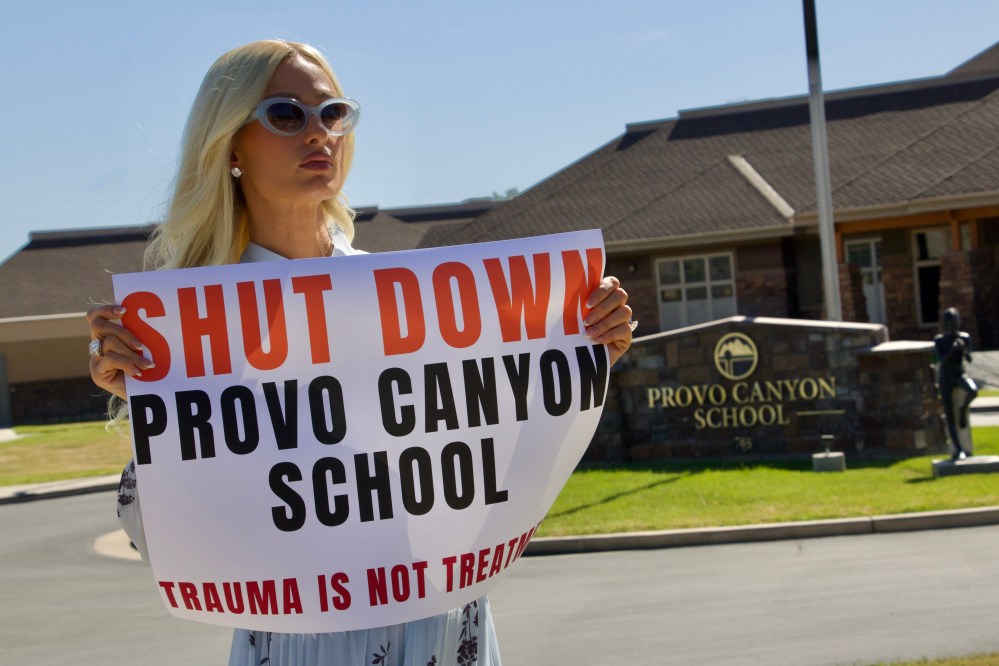
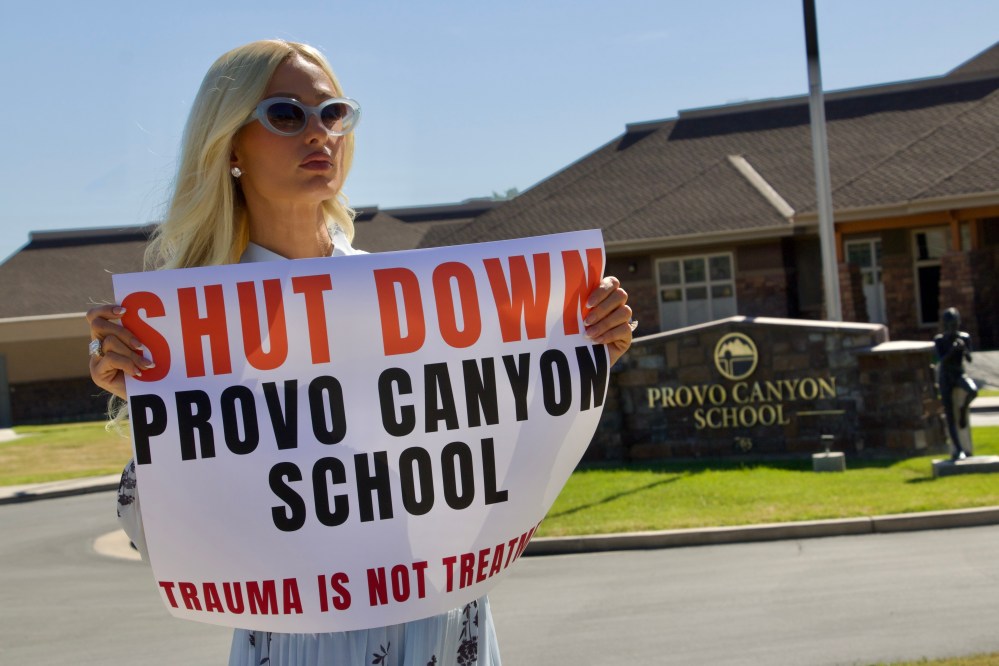
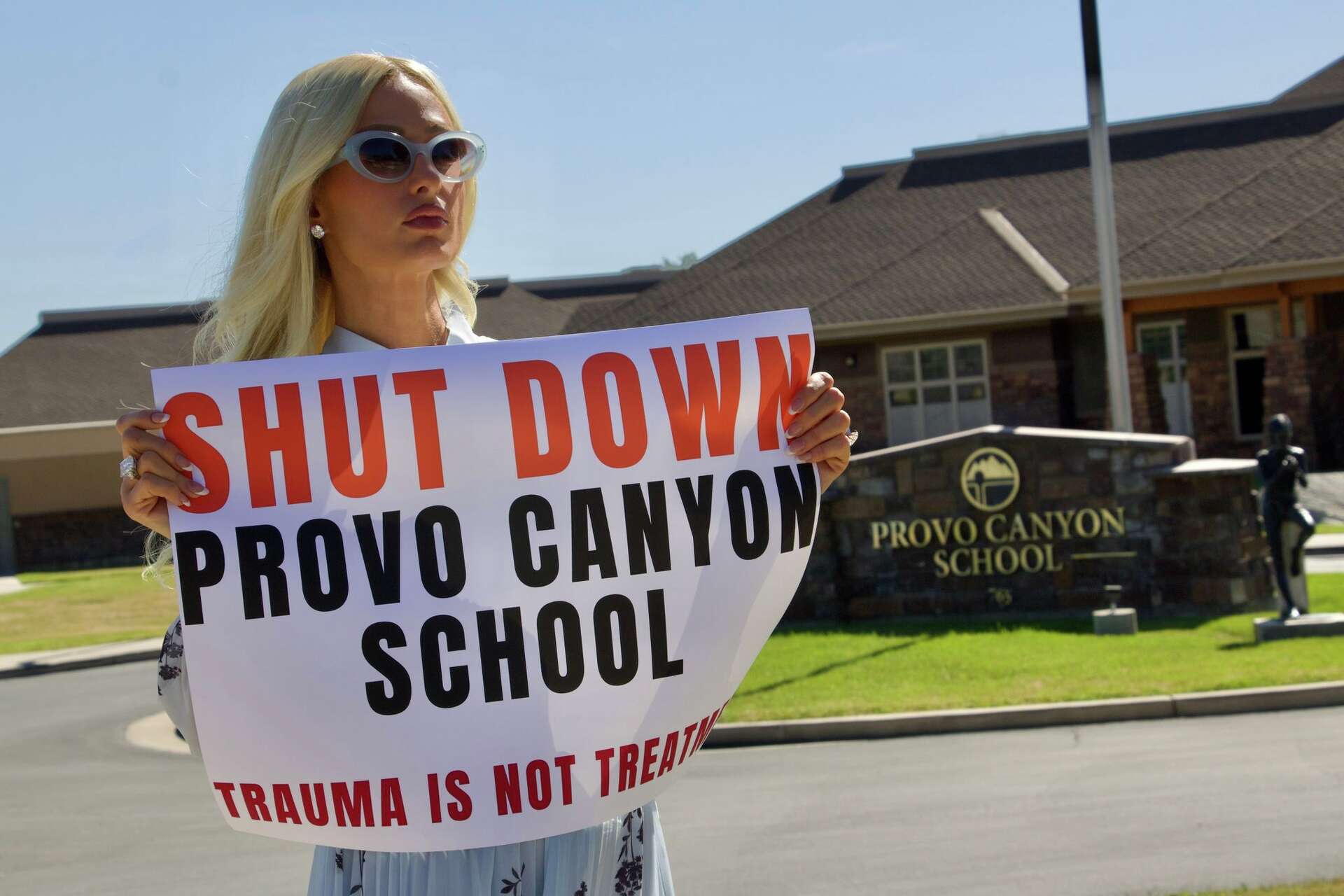
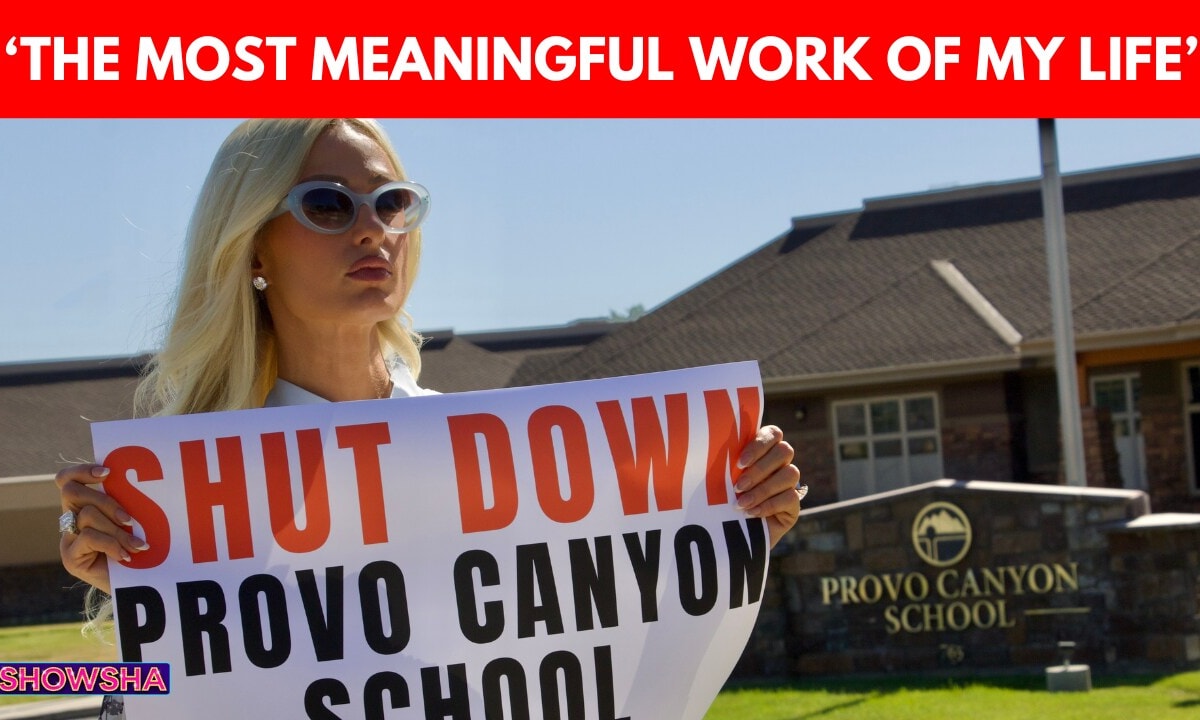
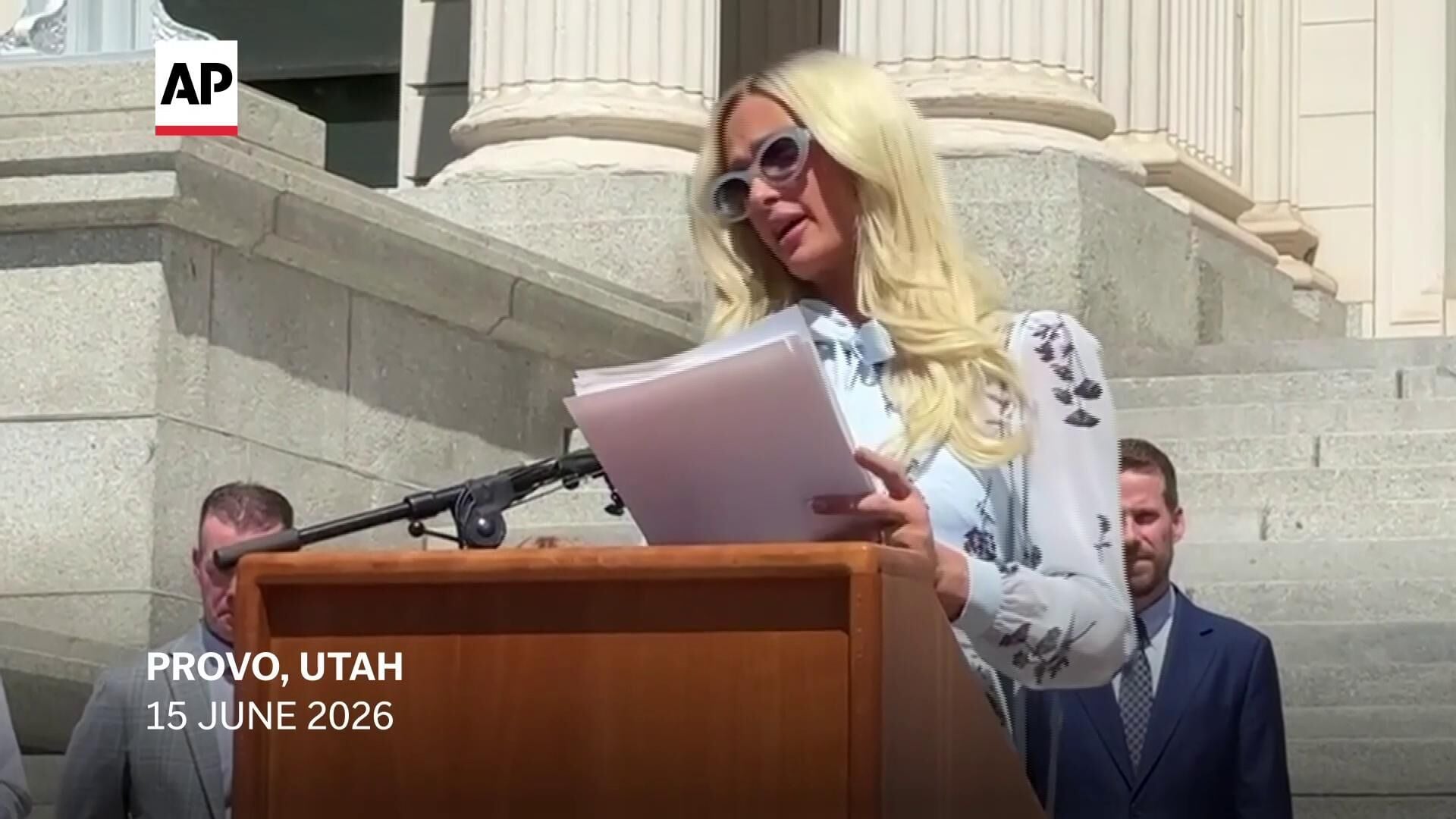
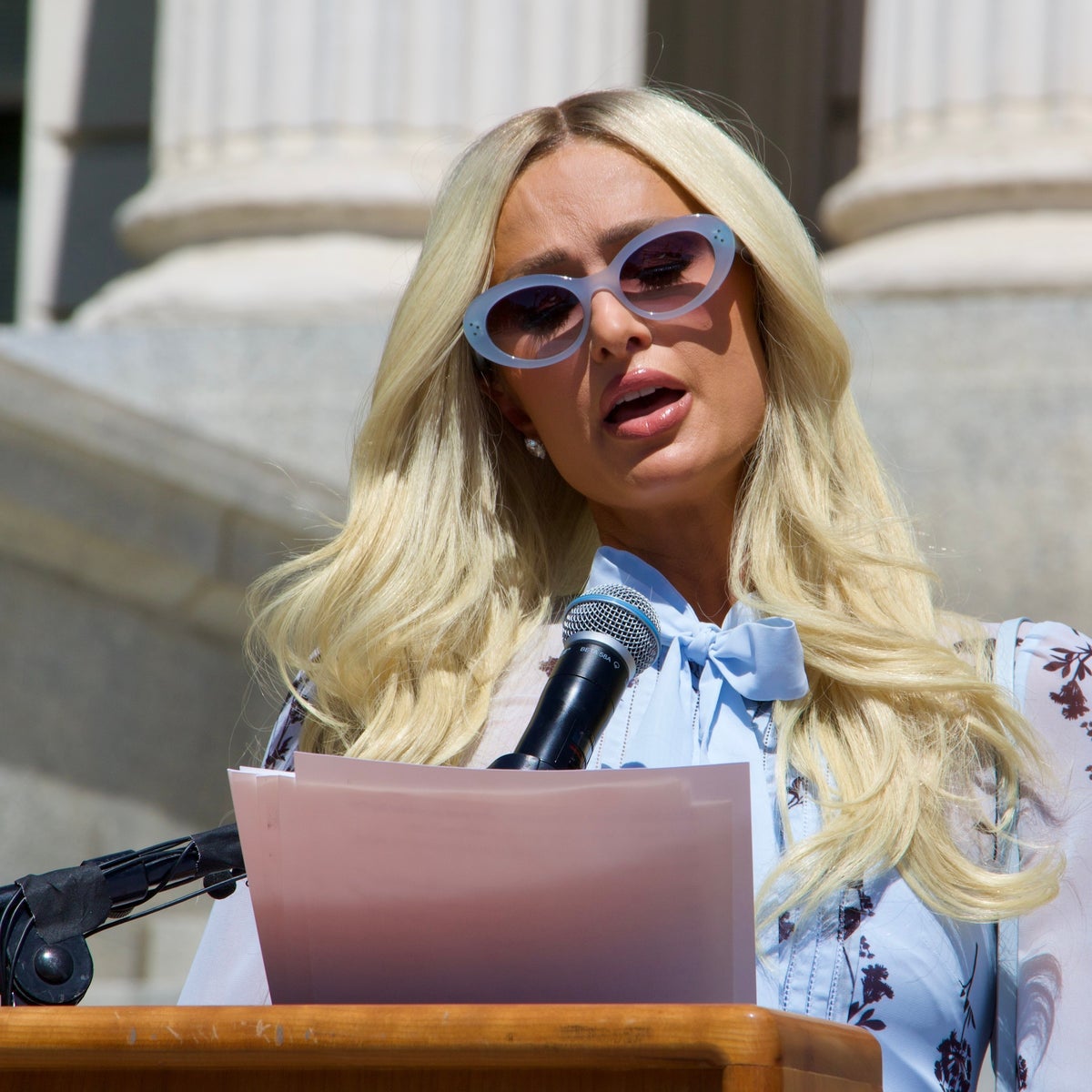
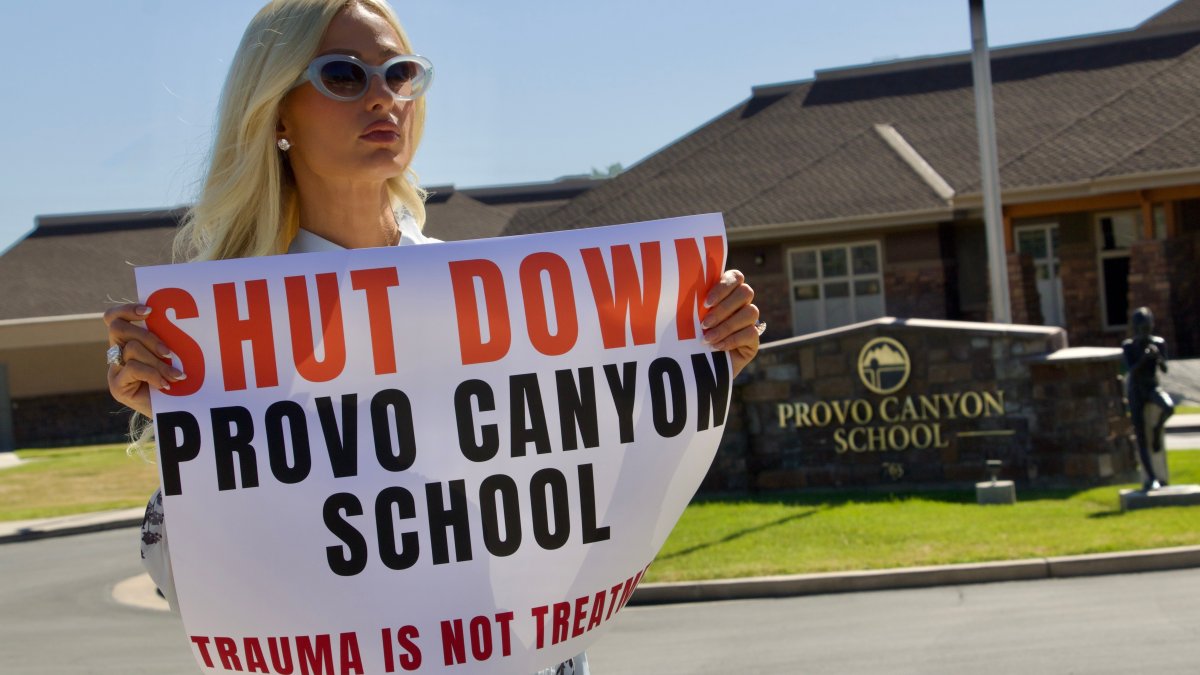
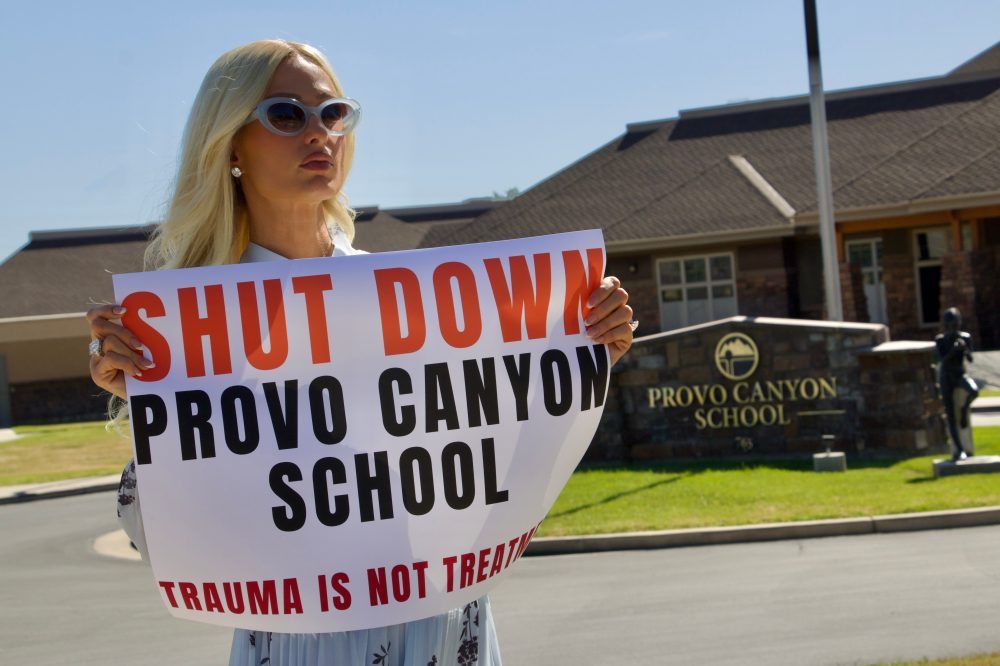
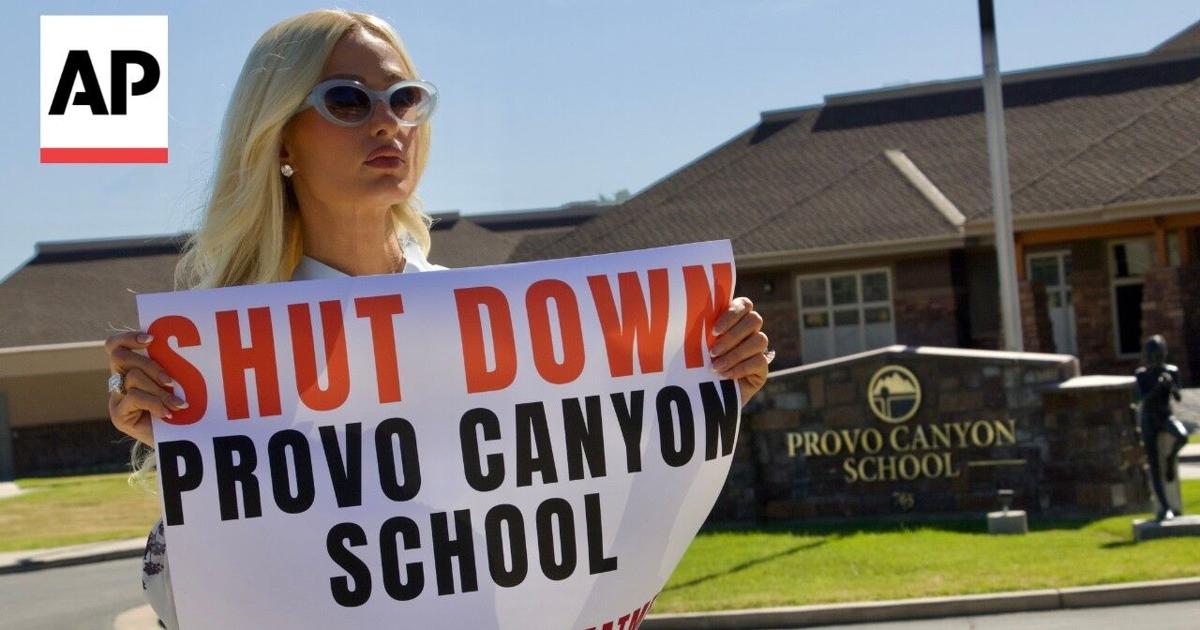
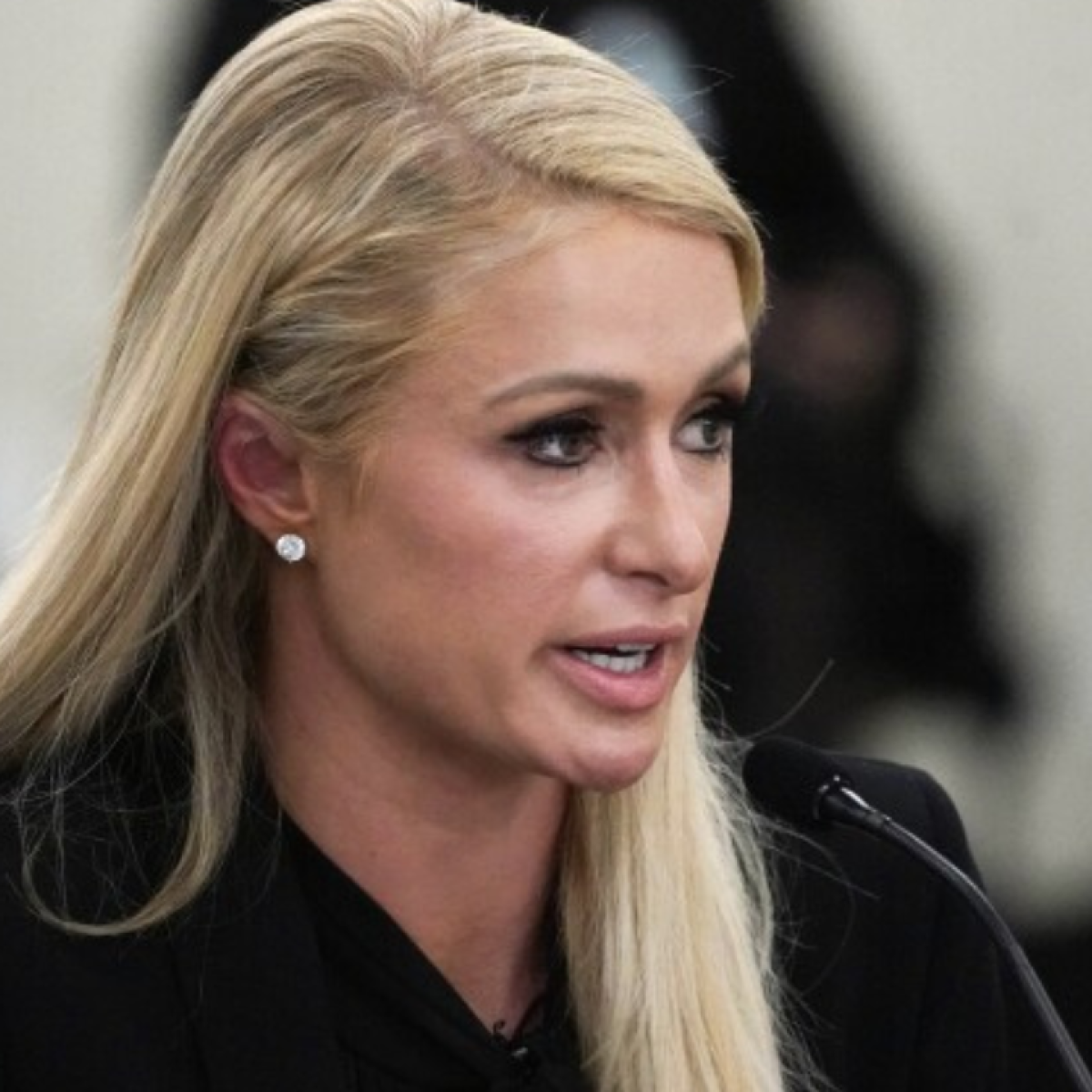
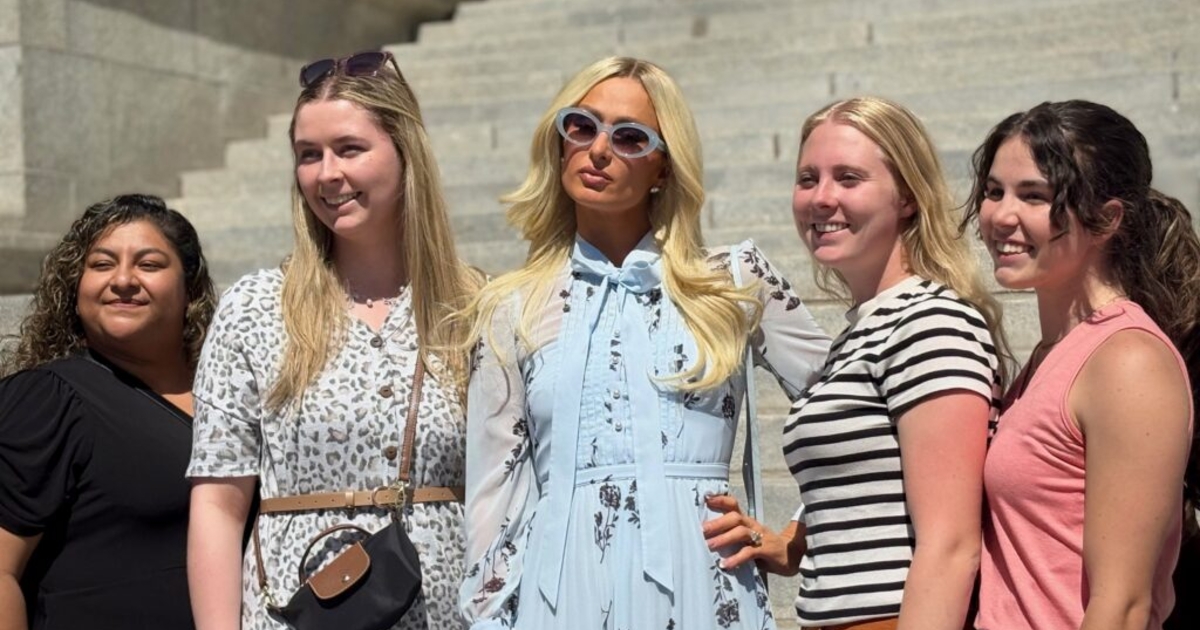
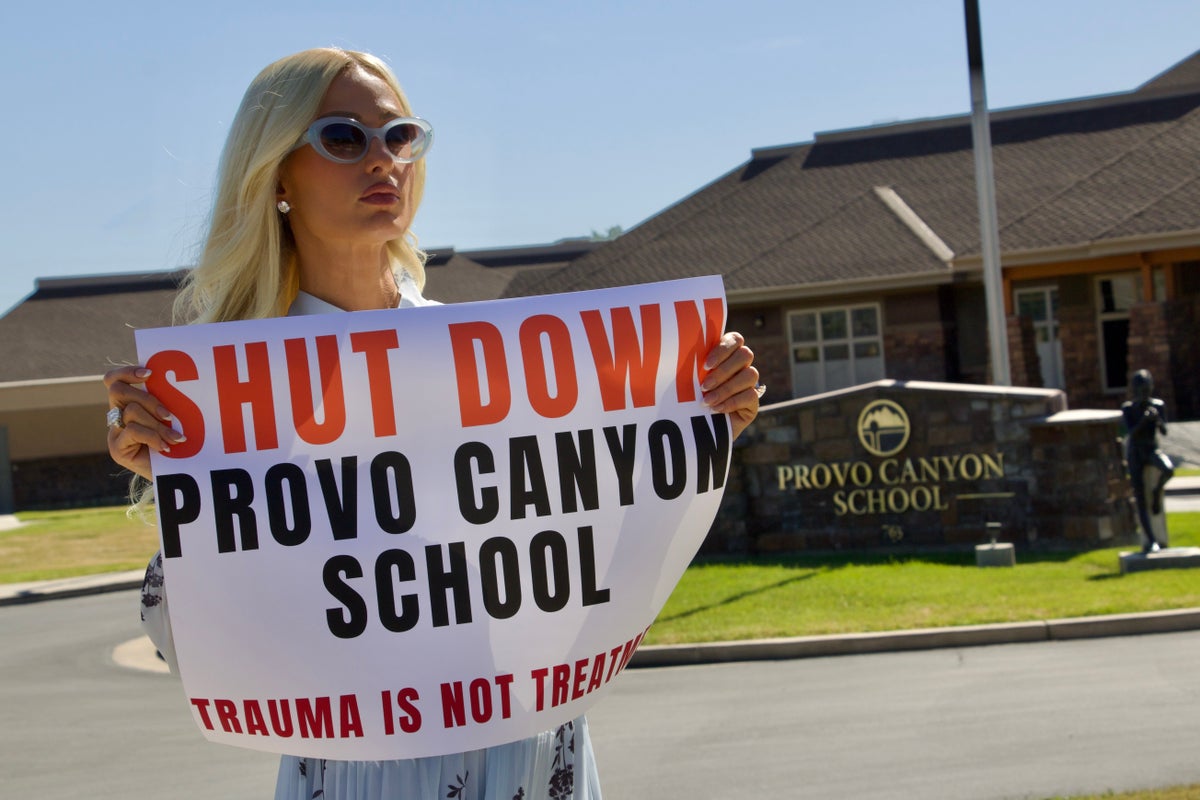
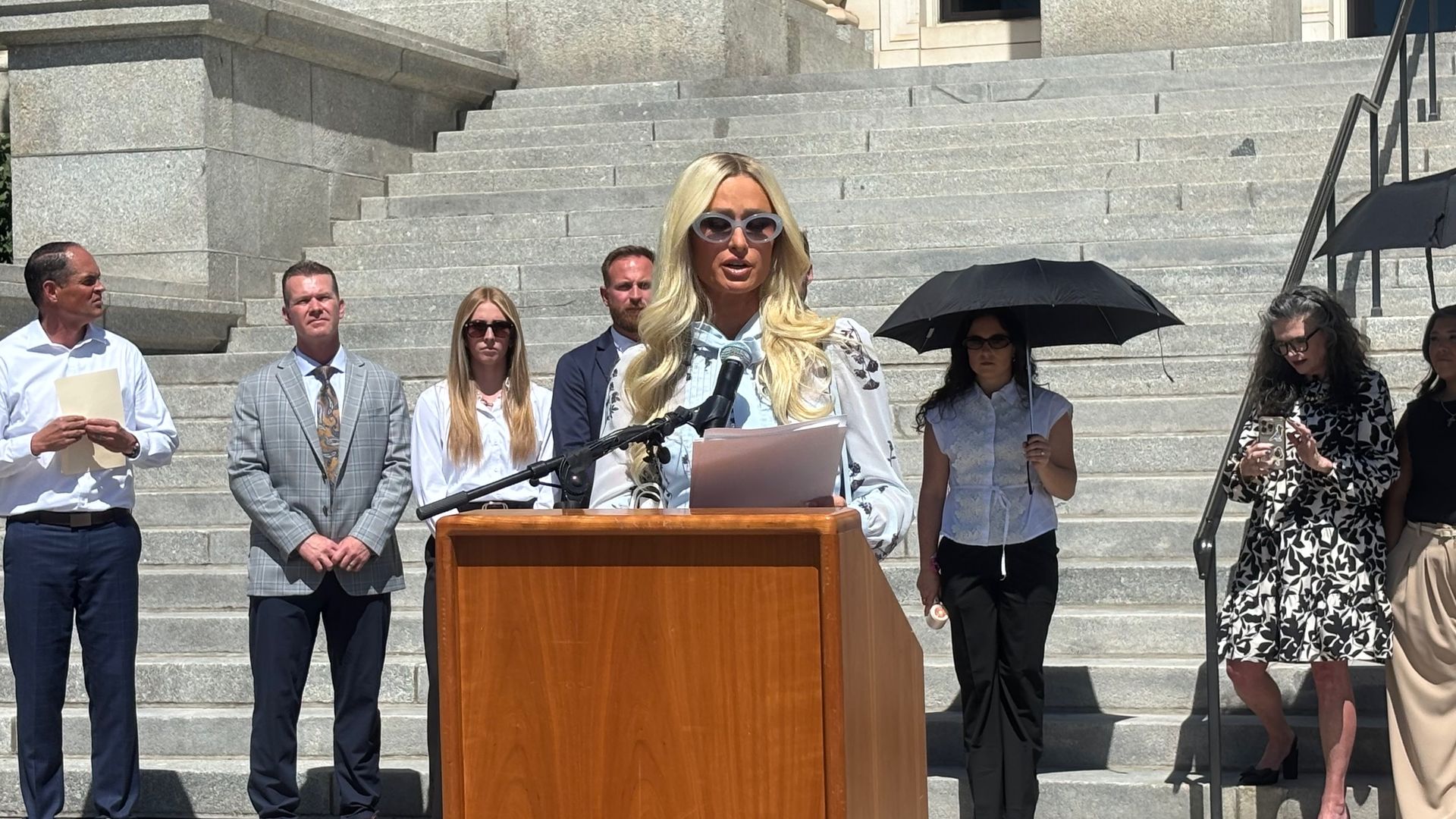
Paris Hilton's public advocacy for two families suing Provo Canyon School signals accelerating regulatory pressure on the troubled teen industry, with direct implications for sellers in wellness, safety, and mental health product categories. The June 2026 press conference at Provo Historic Courthouse represents a critical inflection point: Utah's Division of Professional Licensing issued Provo Canyon School a conditional license expiring June 18, 2026, while Hilton's campaign has already driven passage of 16 state laws, 1 federal law, and 1 federal bill targeting residential treatment facilities. The facility faced 341 state investigations over five years—a pattern indicating systemic oversight failures that will trigger stricter compliance requirements across the industry.
This regulatory momentum creates immediate product opportunities for sellers. The lawsuits specifically document medical negligence (delayed emergency response, inappropriate medication administration) and safety failures (violence between residents, inadequate supervision). These documented failures will drive institutional purchasing of: (1) Medical monitoring devices (pulse oximeters, blood pressure monitors, emergency alert systems) for residential facilities; (2) Mental health and wellness products (stress management tools, therapeutic supplies, educational materials on trauma-informed care); (3) Safety and compliance documentation software (incident reporting systems, staff training materials, liability management tools); (4) Teen wellness merchandise (self-care products, anxiety management tools, educational books on mental health). Industry data shows the residential treatment facility market serves approximately 50,000+ adolescents annually across 500+ facilities in the US, representing a $10B+ market segment with accelerating compliance spending.
Consumer behavior shifts are equally significant. Parents of at-risk teens increasingly research facility safety records before enrollment, driving demand for transparency-focused products: facility review platforms, parent advocacy resources, legal consultation guides, and educational materials about warning signs of institutional abuse. This mirrors the 2015-2020 surge in childcare safety products following daycare abuse scandals, which generated $400M+ in new product categories. Sellers can capitalize on this trend by developing: parent education bundles, facility safety checklists, teen mental health awareness products, and advocacy-focused merchandise. The involvement of a celebrity with 200M+ social media followers amplifies visibility—Hilton's previous advocacy campaigns have driven 30-40% spikes in related product searches on Amazon and TikTok Shop.
Regulatory implications affect seller compliance and sourcing. Utah's SB127 (2021) and SB239 (2022) establish templates for other states, likely triggering similar legislation in 15-20 additional states within 12-18 months. Sellers sourcing from manufacturers in states with new regulations must verify compliance with restraint restrictions, medical care protocols, and staff training requirements. This creates opportunities for sellers offering compliance consulting, training materials, and documentation tools to facilities. The conditional license expiration (June 18, 2026) suggests potential facility closure, which could trigger liquidation of institutional supplies—creating bulk purchasing opportunities for sellers in the medical equipment and wellness categories.
Questions 7
How does Paris Hilton's lawsuit support affect product demand for teen wellness sellers?
Hilton's high-profile advocacy amplifies consumer awareness of residential treatment facility risks, driving 30-40% increases in searches for teen mental health, safety monitoring, and wellness products on Amazon and TikTok Shop. The June 2026 press conference and conditional license expiration (June 18, 2026) create urgency among parents researching facility alternatives and safety products. Sellers offering trauma-informed wellness bundles, mental health education materials, and parent safety guides can expect elevated demand through Q3 2026. Historical parallels: the 2015 daycare abuse scandals drove $400M+ in new childcare safety product categories within 18 months.
How can sellers source products for residential treatment facilities?
Facilities require bulk purchasing of medical equipment, safety supplies, and compliance documentation tools. Sellers can access this market through: (1) Direct B2B outreach to facility administrators via LinkedIn and industry directories; (2) Partnerships with healthcare distributors (Henry Schein, Medline) who supply institutions; (3) Alibaba and Global Sources for bulk sourcing of wellness products at 40-60% lower costs than retail; (4) Amazon Business and Shopify B2B platforms for facility procurement. Typical facility orders range $5,000-50,000 annually. Sellers with institutional sales experience can expect 15-20% margin improvement over retail channels.