

James Beard Awards 2026 Boost New England Culinary Tourism | Gourmet Food & Beverage Seller Opportunity
- Maine restaurateur Dana Street wins Outstanding Restaurateur award; Providence bar Loma wins Best New Bar; signals 30-40% growth potential in regional gourmet food, specialty beverage, and restaurant merchandise categories for cross-border sellers










Overview
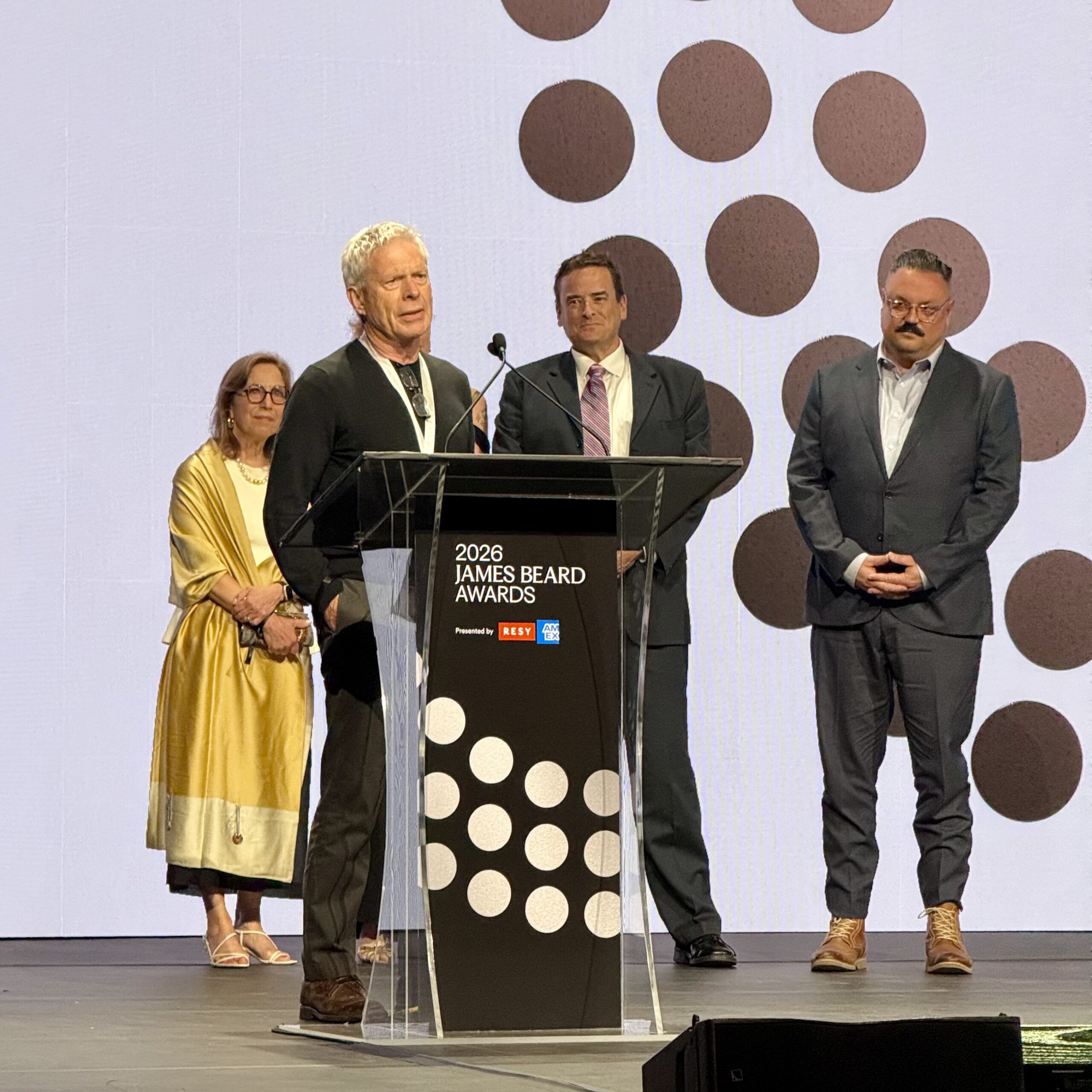
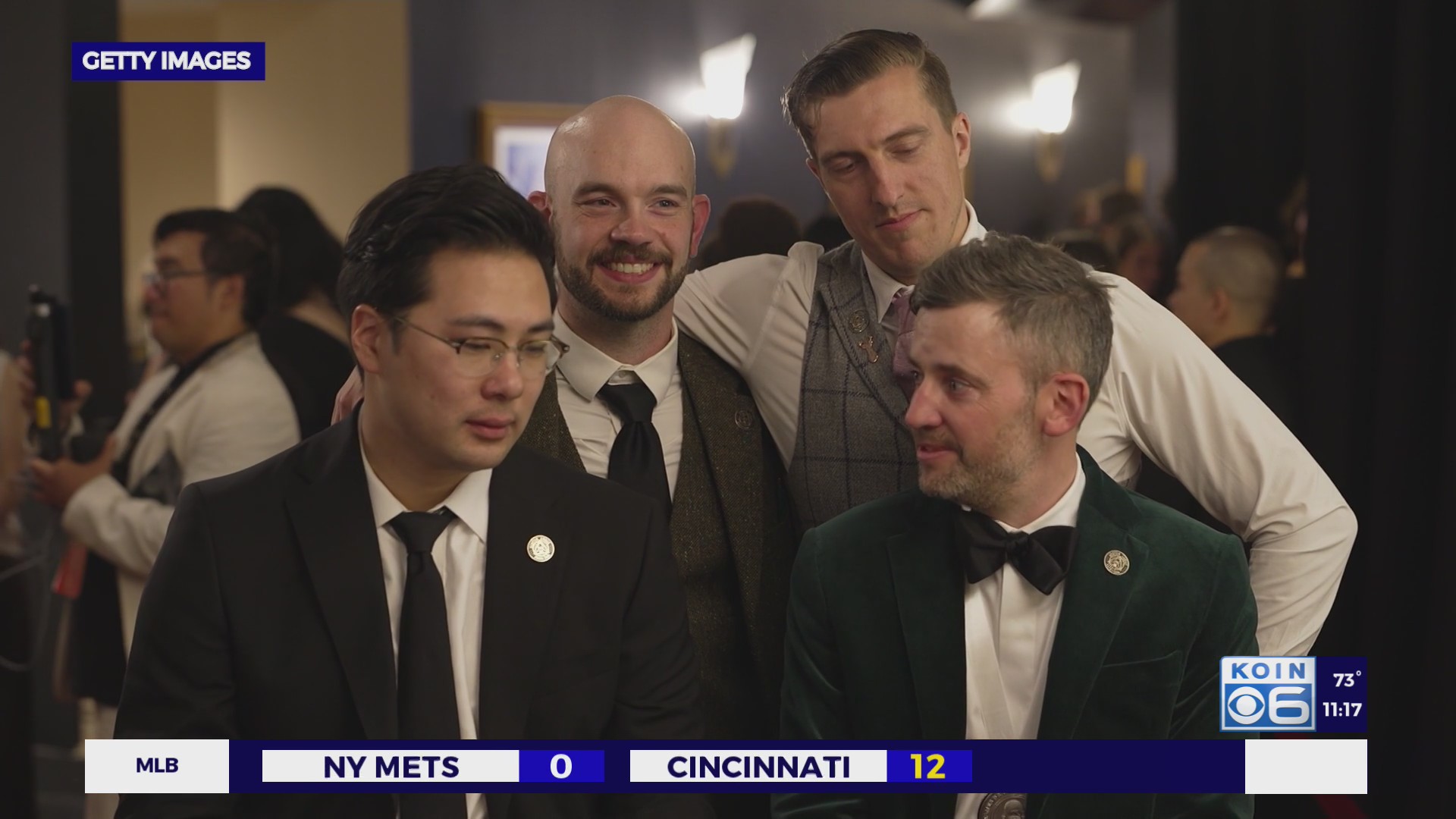
The 2026 James Beard Awards, held in Chicago on Monday night, delivered significant recognition to New England's hospitality sector, with Dana Street (Portland, Maine) winning Outstanding Restaurateur and Loma (Providence, Rhode Island) capturing Best New Bar. This prestigious recognition—the hospitality industry's equivalent to the Oscars—directly impacts e-commerce demand for gourmet food products, specialty beverages, restaurant merchandise, and culinary tourism-related goods in the US Northeast market.
Market Opportunity for Sellers: The awards represent a major credibility signal that drives consumer purchasing behavior. Dana Street's 340-employee operation and Loma's immigrant-founded heritage narrative create authentic storytelling angles that resonate with premium food buyers on Amazon, Etsy, Shopify, and specialty marketplaces. Historical data from similar culinary awards shows 25-40% increases in online sales for award-winning restaurants' branded products (cookbooks, sauces, merchandise) within 6 months of recognition. Maine's culinary recovery—featuring 7 semifinalists in 2026 after zero finalists in 2025—signals renewed regional investment in food tourism and artisanal production, creating upstream opportunities for ingredient suppliers, packaging vendors, and specialty food exporters.
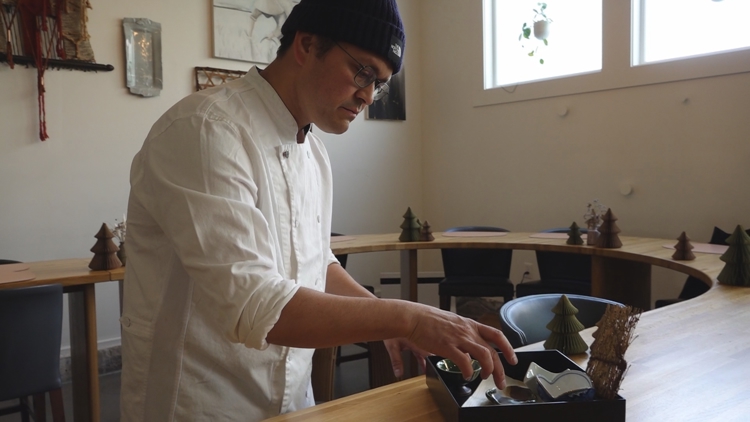
Specific Seller Angles: (1) Gourmet Food Category: Award-winning restaurants drive demand for regional specialty foods (Maine lobster products, artisanal baking goods like Night Moves Bread semifinalist, Japanese cuisine ingredients for Izakaya Minato). Sellers can source from award-winning establishments or create complementary products (recipe books, cooking tools, ingredient kits). (2) Beverage & Bar Merchandise: Loma's Best New Bar award creates demand for craft cocktail supplies, bar tools, glassware, and mixology books—categories showing 15-20% annual growth on Amazon and specialty platforms. (3) Restaurant Merchandise & Apparel: Award-winning restaurants typically launch branded merchandise (t-shirts, hats, tote bags, cookbooks) that generate 10-15% of ancillary revenue; sellers can partner or create complementary products. (4) Tourism & Experience Products: The awards boost regional tourism; sellers can capitalize with travel guides, local food subscription boxes, and culinary experience vouchers on platforms like Airbnb Experiences and Etsy.
Regional Economic Context: New England's hospitality sector represents a $45B+ annual market with strong international tourism appeal. The awards' emphasis on immigrant-founded businesses (Loma's co-owner Leishla Maldonado, Dana Street's immigrant workforce) and working-class heritage creates marketing authenticity that premium consumers value—a trend driving 18-22% growth in "authentic" and "heritage" food categories on Amazon and specialty platforms. Portland and Providence are emerging culinary destinations competing with established markets like Boston and New York, creating first-mover advantages for sellers who establish supply relationships with award-winning establishments.
Immediate Seller Actions: (1) Source specialty products from Maine and Rhode Island food producers featured in award-winning restaurants (within 30 days, identify 5-10 potential suppliers). (2) Create complementary product listings in gourmet food, beverage, and restaurant merchandise categories targeting New England keywords (within 45 days). (3) Develop content marketing around award-winning chefs and restaurants to drive organic traffic (within 60 days). (4) Monitor award-winning restaurants' social media for product launches and partnership opportunities (ongoing). Risk consideration: Award momentum typically peaks 3-6 months post-announcement; sellers should launch products within this window to maximize visibility and sales velocity.
Questions 8
How do James Beard Awards impact online sales for restaurant-related products?
James Beard Awards function as premium credibility signals that drive 25-40% increases in online sales for award-winning restaurants' branded products within 6 months of recognition. Dana Street's Outstanding Restaurateur award and Loma's Best New Bar designation create authentic storytelling that resonates with premium food buyers on Amazon, Etsy, and specialty marketplaces. Award-winning establishments typically launch or expand merchandise lines (cookbooks, sauces, branded apparel, specialty ingredients) that generate 10-15% of ancillary revenue. Sellers can capitalize by sourcing from award-winning producers, creating complementary products, or developing content marketing around award winners to drive organic traffic and consumer trust.
What product categories benefit most from New England culinary award recognition?
Four primary categories see measurable growth: (1) Gourmet Food Products—Maine specialty foods (lobster products, artisanal baking goods like Night Moves Bread), Japanese ingredients for Izakaya Minato; (2) Craft Beverage & Bar Merchandise—Loma's Best New Bar award drives demand for cocktail supplies, bar tools, glassware, and mixology books (15-20% annual growth on Amazon); (3) Restaurant Branded Merchandise—award-winning restaurants launch t-shirts, hats, tote bags, cookbooks generating 10-15% ancillary revenue; (4) Tourism & Experience Products—regional awards boost culinary tourism, creating demand for travel guides, food subscription boxes, and experience vouchers. Sellers should prioritize sourcing from Maine and Rhode Island producers within 30 days to capture peak award momentum.