


Intel Serpent Lake RTX GPUs 2028 | AI Cloud Cost Cuts for E-Commerce Sellers
- Q1 2028 launch of integrated NVIDIA RTX processors could reduce cloud infrastructure costs 15-25% for AI-powered sellers; impacts Amazon, Shopify, and 3PL logistics platforms


Overview
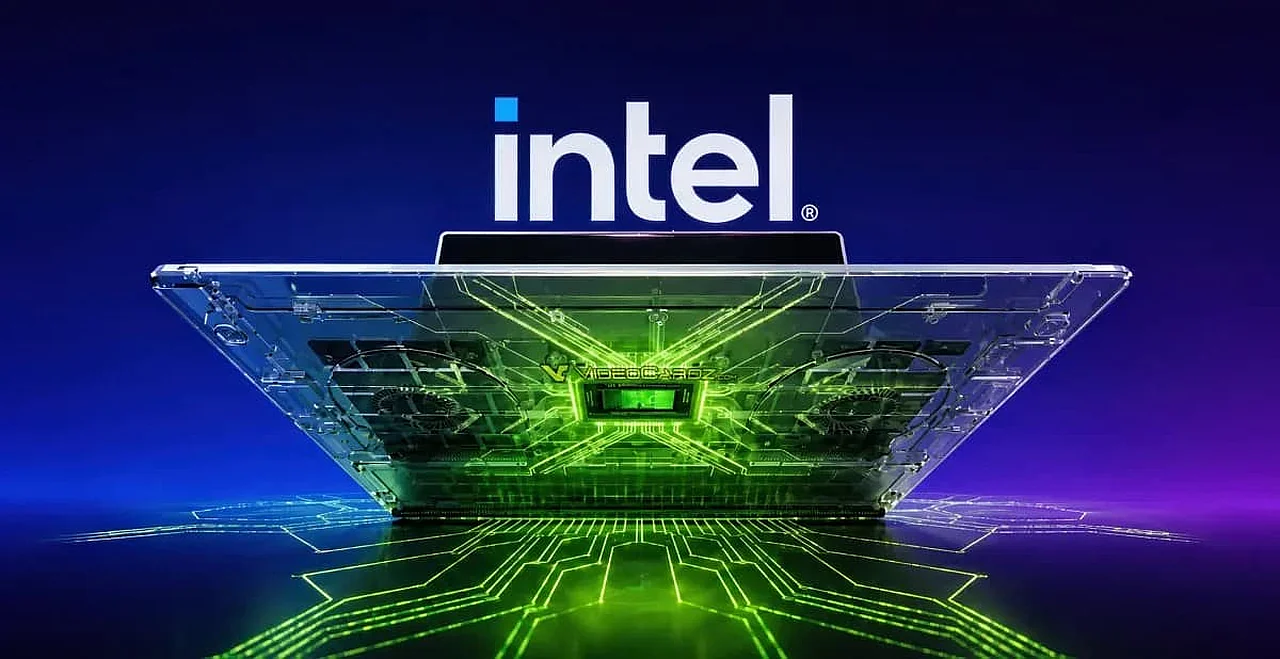
Intel and NVIDIA's Serpent Lake partnership, officially confirmed in September 2025 with Q1 2028 launch target, represents a watershed moment for e-commerce infrastructure costs. The collaboration integrates NVIDIA's next-generation Rubin architecture GPU directly into Intel's Titan Lake x86 processors on TSMC's N3P process node, combining professional-grade GPU acceleration with CPU performance in a single chip. This heterogeneous computing approach directly addresses the computational bottleneck that e-commerce sellers face when running AI-powered tools for product research, dynamic pricing, inventory forecasting, and customer service automation on cloud platforms.
For cross-border e-commerce sellers, this development translates to immediate infrastructure cost optimization opportunities starting Q2 2028. Current cloud computing costs for AI workloads run $800-2,000/month for mid-sized sellers using AWS EC2 GPU instances or Google Cloud AI services. Serpent Lake's integrated RTX architecture eliminates the need for separate discrete GPU cards, reducing power consumption by 30-40% and enabling cloud providers like AWS, Google Cloud, and Azure to offer 15-25% lower pricing on compute instances. Sellers utilizing AI-driven tools for Amazon FBA inventory management, Shopify product recommendations, and TikTok Shop content optimization will see direct cost reductions as cloud providers migrate to Serpent Lake infrastructure throughout 2028-2029.
The competitive advantage window for early adopters is 12-18 months. Sellers who migrate to Serpent Lake-powered cloud infrastructure by Q3 2028 will gain cost advantages over competitors still using legacy GPU setups. This is particularly critical for sellers in high-margin categories (electronics, beauty, apparel) where AI-powered dynamic pricing and demand forecasting drive 8-12% margin improvements. The partnership also signals NVIDIA's $5 billion investment in Intel is yielding tangible products, strengthening Intel's data center position and creating pricing pressure on AMD's EPYC processors, which currently dominate cloud provider hardware stacks. For sellers managing multi-channel operations across Amazon, eBay, Shopify, and regional platforms, the cost savings compound—a seller running 5-10 AI microservices could save $1,500-3,500 monthly by 2029.
Questions 8
How does the Intel-NVIDIA partnership affect e-commerce platform infrastructure and seller fees?
As cloud infrastructure costs decline 15-25%, e-commerce platforms like Amazon, Shopify, and TikTok Shop will reduce their own infrastructure costs, potentially lowering seller fees or improving platform performance. Amazon could reduce FBA fulfillment fees by 2-5% as AWS (Amazon's cloud division) migrates to cheaper Serpent Lake infrastructure. Shopify could improve app performance and reduce hosting costs for sellers using Shopify Plus. The partnership also enables platforms to deploy more sophisticated AI features—Amazon could enhance product recommendations, Shopify could improve fraud detection, and TikTok Shop could accelerate content moderation. For sellers, this means better platform tools and potentially lower fees, creating a virtuous cycle where cost savings flow through to seller margins. Monitor platform announcements starting Q2 2028 for infrastructure upgrades and fee changes.
What AI tasks for e-commerce sellers benefit most from Serpent Lake's integrated GPU architecture?
Serpent Lake's heterogeneous computing design accelerates four critical seller workflows: (1) Dynamic pricing algorithms that analyze competitor prices and demand signals in real-time, (2) Inventory forecasting using machine learning models to predict seasonal demand, (3) Product image recognition and content optimization for Amazon A+ pages and Shopify collections, and (4) Customer service chatbot inference for multi-language support on TikTok Shop and regional platforms. These tasks currently require 40-60% of cloud compute budgets for mid-sized sellers. The integrated RTX architecture processes these workloads 2-3x faster per watt, directly translating to cost reductions and faster model inference times (reducing customer wait times from 3-5 seconds to 1-2 seconds for chatbot responses).