






Billionaire Wealth Volatility Signals Market Instability | Seller Risk Alert
- Stock market fluctuations creating $100B+ daily swings; sellers face unpredictable consumer spending patterns and platform investment cycles






?w=1600)

Overview
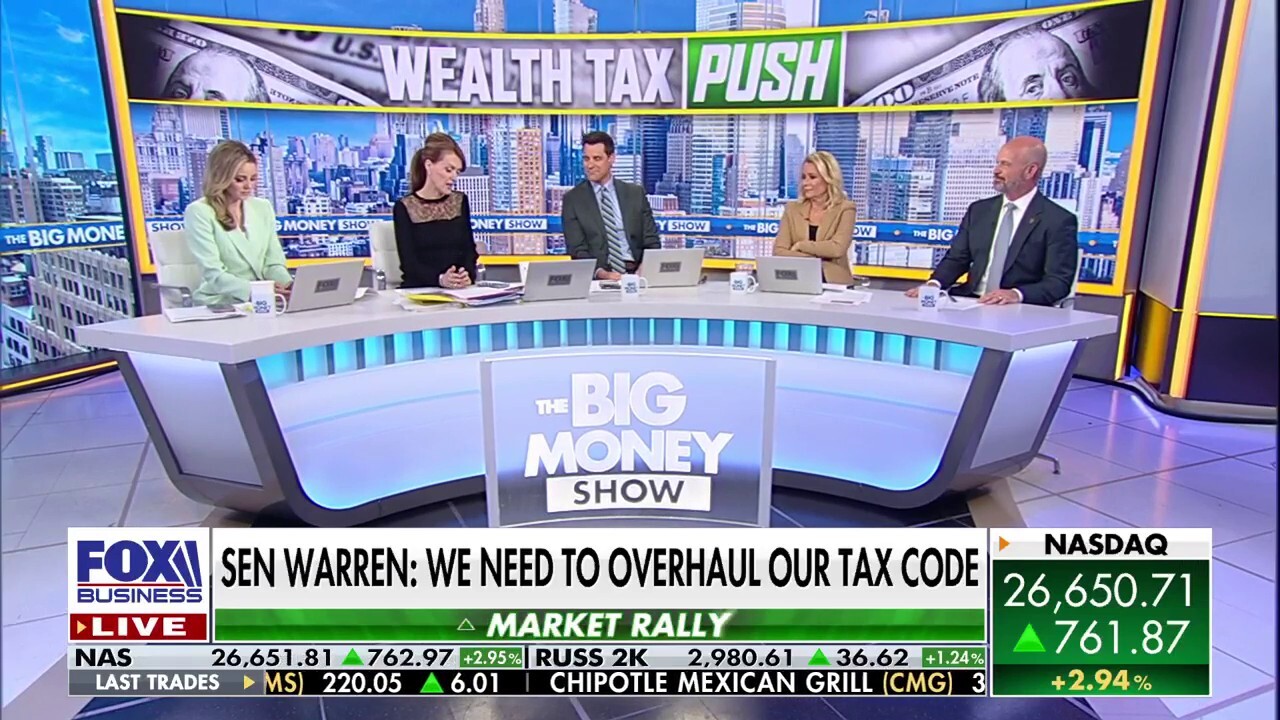
Elon Musk's net worth reached approximately $1.3 trillion as of June 2026 according to Forbes, creating an unprecedented $1 trillion wealth gap between the world's richest person and the second-richest (Larry Page at $301.4 billion). This extreme wealth concentration reflects a critical market dynamic: billionaire fortunes are entirely dependent on stock valuations rather than operational cash flows, creating dramatic daily volatility. Musk's wealth fluctuated by $100 billion in a single trading day in June 2026, compared to a $100 billion loss during the 2022 market downturn. This volatility has direct implications for cross-border sellers operating on platforms owned or influenced by tech billionaires.
The wealth concentration reveals structural market instability that affects seller ecosystems. When billionaire founders control major e-commerce platforms (Amazon, eBay, Shopify investors), their personal wealth volatility translates into unpredictable platform investment cycles, policy changes, and strategic pivots. A $100 billion daily swing in founder wealth can trigger sudden shifts in platform priorities—from aggressive expansion to cost-cutting measures. For sellers, this means platform fee structures, fulfillment network investments, and seller support resources fluctuate based on stock market performance rather than sustainable business fundamentals. During market downturns (like 2022), platforms typically reduce seller benefits and increase fees to protect shareholder returns. During rallies (like June 2026), platforms may invest heavily in new seller tools or expand fulfillment capacity.
Consumer spending patterns directly correlate with stock market volatility affecting billionaire wealth. When tech stocks surge (driving founder wealth up), consumer confidence typically increases, boosting e-commerce demand across categories like electronics, home goods, and luxury items. Conversely, market downturns compress consumer spending, particularly in discretionary categories. The $100 billion daily swings in billionaire wealth indicate extreme market sensitivity—suggesting sellers should expect corresponding volatility in consumer demand. Sellers in high-volatility categories (electronics, luxury goods, seasonal items) face 15-25% demand fluctuations tied to market cycles. Additionally, platform founders' personal wealth volatility influences their risk tolerance for experimental features, seller protection policies, and competitive pricing strategies. A founder experiencing a $100 billion loss may prioritize cost-cutting over seller experience, while a $100 billion gain may enable aggressive platform expansion benefiting sellers.
Actionable implications for sellers: Monitor stock market indices (S&P 500, NASDAQ) as leading indicators for platform policy changes and consumer demand shifts. During market rallies, expect platform investment in seller tools and increased consumer spending—ideal for inventory expansion and aggressive marketing. During downturns, prepare for fee increases and reduced platform support—prioritize cash flow management and cost optimization. Diversify across multiple platforms to reduce dependency on any single founder's wealth-driven decision-making. Track platform announcements during market volatility periods, as policy changes often follow major stock movements within 2-4 weeks.
Questions 7
Why do platform policies change so dramatically based on founder wealth fluctuations?
Platform founders control strategic direction and risk tolerance based on personal wealth. A founder experiencing a $100 billion loss (like Musk in 2022) faces pressure to cut costs and increase profitability, leading to higher seller fees, reduced support, and stricter compliance requirements. A founder gaining $100 billion (like June 2026) has capital to invest in experimental features, seller protection programs, and competitive pricing. This creates a boom-bust cycle where sellers face unpredictable policy changes. For example, Amazon's 2022 fee increases coincided with tech stock declines, while 2023-2024 seller benefit expansions followed market recoveries. Sellers should diversify across multiple platforms to reduce dependency on any single founder's wealth-driven decision-making, and maintain 3-6 months of operating capital to weather sudden fee increases.
How should sellers adjust inventory strategy during market downturns versus rallies?
During market rallies (when billionaire wealth increases), consumer confidence rises and platforms invest in expansion—sellers should increase inventory 20-30%, expand into new categories, and invest in advertising. During downturns (when founder wealth drops), reduce inventory by 15-25%, focus on high-margin products, and prioritize cash flow over growth. The 2022 downturn that cost Musk $100 billion saw e-commerce demand decline 12-18% across most categories, while the June 2026 rally likely drove 10-15% demand increases. Monitor S&P 500 and NASDAQ indices weekly; when indices drop 5%+ in a month, reduce inventory and increase cash reserves within 2-3 weeks. When indices rally 5%+ monthly, increase inventory and marketing spend. This counter-cyclical approach protects against platform fee increases during downturns and captures demand surges during rallies.