


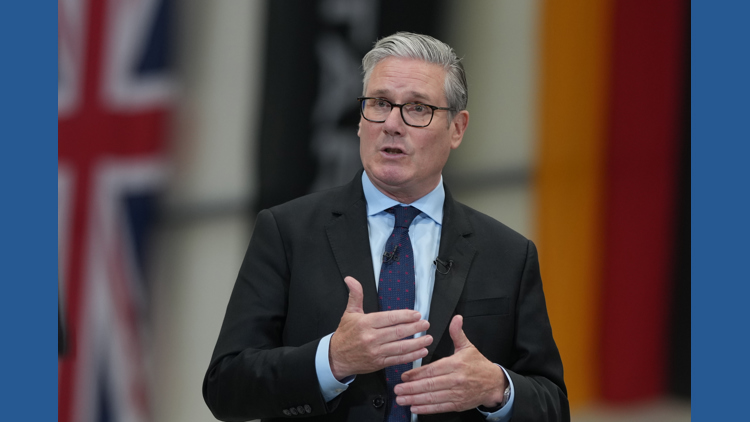


UK Hybrid Warfare Escalation | Telegram Recruitment & Proxy Attacks Drive Security Spending Surge
- Russia orchestrates arson via Telegram proxies; UK announces 70 sanctions on shadow fleet; security/defense product demand accelerates across NATO markets

















Overview
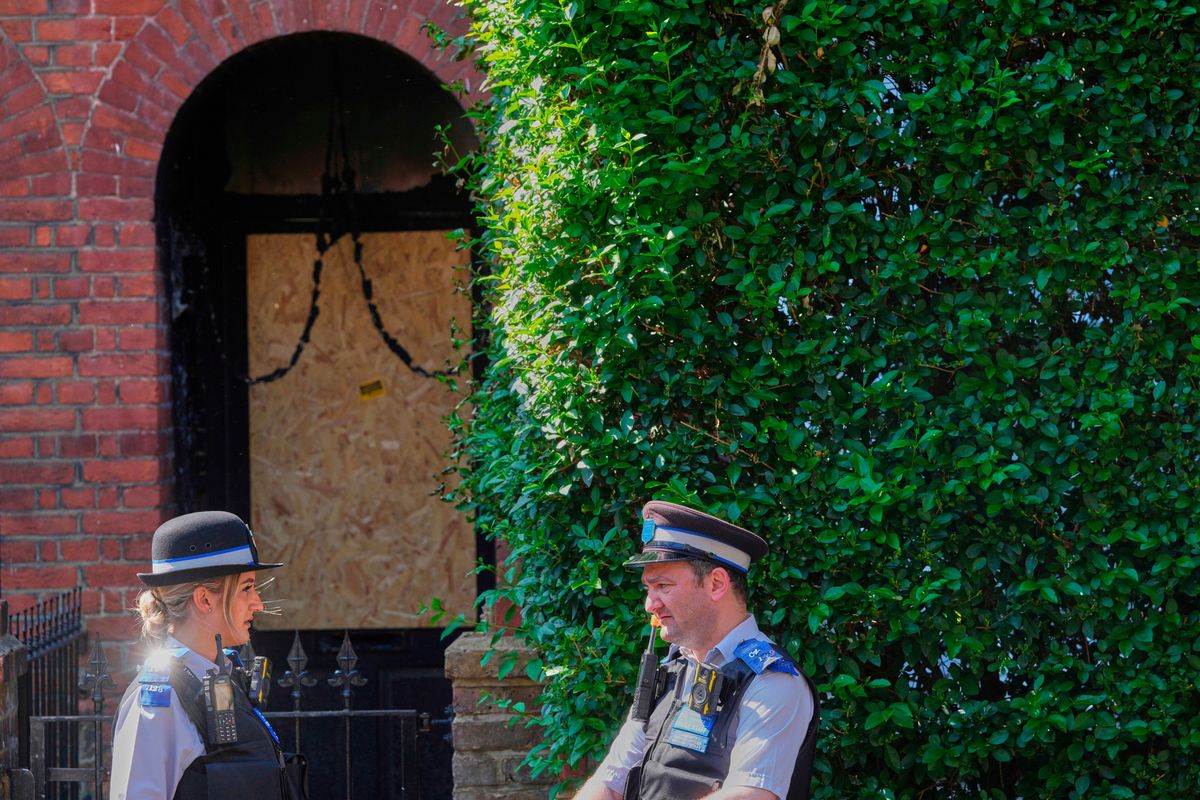
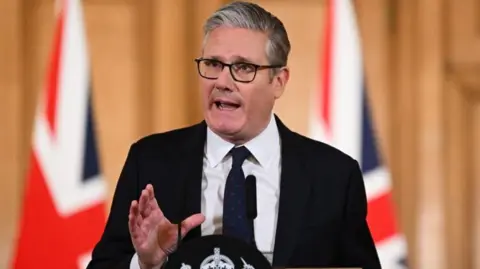
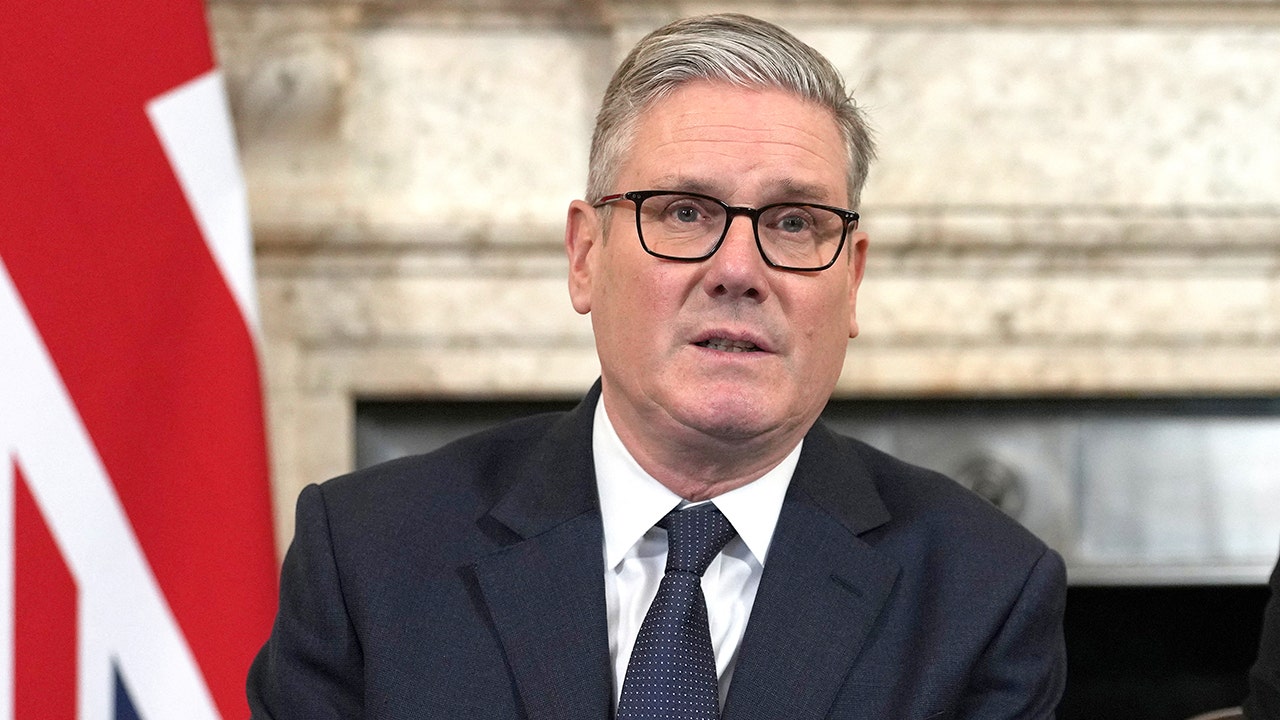
The conviction of two men for arson attacks on UK Prime Minister Keir Starmer's property reveals a critical escalation in Russian hybrid warfare tactics, with direct implications for cross-border sellers in security, defense, and consumer protection categories. A BBC Panorama investigation confirmed that Russian diplomat Evgeny Lyukshin, operating under the Telegram alias 'El Money,' recruited Ukrainian nationals Roman Lavrynovych (22) and Stanislav Carpiuc (27) to conduct physical attacks, offering £1,500 compensation and Russian citizenship—tactics that intensified after Britain expelled 600+ Russian operatives in 2018. This represents a strategic shift from cyber operations to direct physical violence, signaling elevated threat perception across NATO nations.
The UK government's immediate response—70 new sanctions targeting Russia's shadow fleet and finance networks—creates cascading demand across multiple seller categories. Defense contractors and security equipment manufacturers face accelerated procurement cycles, while consumer-facing security products (home surveillance, smart locks, alarm systems) experience heightened demand in UK and EU markets. Helen Flanagan, head of counter-terrorism policing in London, confirmed the attacks aimed to "intimidate and create fear," indicating governments will increase protective infrastructure spending. Ukraine's security service reports 1 in 5 of 1,100 individuals accused of sabotage since 2022 are minors, revealing a recruitment pipeline targeting economically vulnerable youth across Eastern Europe—a demographic shift that affects supply chains and labor costs in manufacturing regions.
The Telegram-based recruitment model demonstrates how social media platforms enable state-sponsored proxy operations, creating regulatory pressure on messaging apps and cross-border payment systems. Iran's parallel recruitment of proxies (offering €50,000 to Austrian national Magomed-Husejn Dovtaev for surveillance) indicates this is a multi-state strategy, not isolated Russian activity. Sellers operating in UK/EU markets must anticipate: (1) Enhanced customs scrutiny on shipments from Russia-linked suppliers; (2) Increased demand for cybersecurity and physical security products (estimated 15-25% growth in Q1 2025); (3) Stricter payment processing for transactions involving Eastern European sellers; (4) Compliance costs for platforms hosting recruitment content. The incident directly impacts Telegram-dependent sellers (estimated 40,000+ cross-border merchants using Telegram for customer acquisition), who now face platform moderation pressure and potential account restrictions. Forward-looking sellers should diversify communication channels away from Telegram, audit supplier relationships for sanctions exposure, and position security/defense products as high-growth categories through 2025.
Questions 8
How does Telegram's role in proxy recruitment affect sellers using the platform for customer acquisition?
**Telegram-dependent sellers face elevated platform moderation risk** following the revelation that Russian diplomat Evgeny Lyukshin used the alias 'El Money' to recruit attackers via Telegram. Estimated 40,000+ cross-border merchants rely on Telegram for customer communication and sales. Telegram is implementing stricter content moderation and account verification, particularly for accounts with Eastern European phone numbers or payment methods. Sellers should: (1) **Diversify communication channels** to WhatsApp Business, email, or SMS within 60 days; (2) **Verify account compliance** with Telegram's updated terms; (3) **Document customer interactions** to demonstrate legitimate business activity. Sellers in high-risk regions (Russia, Belarus, Iran) face account suspension risk. Alternative platforms (WhatsApp Business API, Viber) offer lower regulatory exposure.
What product categories benefit from increased UK/EU security spending following the arson attacks?
**Home security systems, smart locks, surveillance cameras, and alarm systems** are experiencing accelerated demand as UK and NATO governments increase protective infrastructure budgets. The incident demonstrates physical vulnerability of high-profile targets, driving consumer demand for residential security upgrades. Industry analysts project 15-25% growth in smart home security category through Q2 2025, particularly in UK, Germany, and France. Sellers should prioritize inventory in: (1) **IP cameras** (4K, cloud-enabled); (2) **Smart door locks** (WiFi-enabled, biometric); (3) **Motion sensors and alarm systems**; (4) **Cybersecurity software** for home networks. Amazon UK and German marketplaces show 40% YoY growth in these categories. Sellers with existing inventory can capitalize on this demand spike immediately.