



Infant Formula Botulism Crisis Creates Compliance Moat | Sellers Face New FDA Testing Requirements
- Two major recalls in 7 months expose systemic testing gaps; FDA tightens dairy ingredient scrutiny; established brands with transparent protocols gain 30-40% market share advantage









Overview
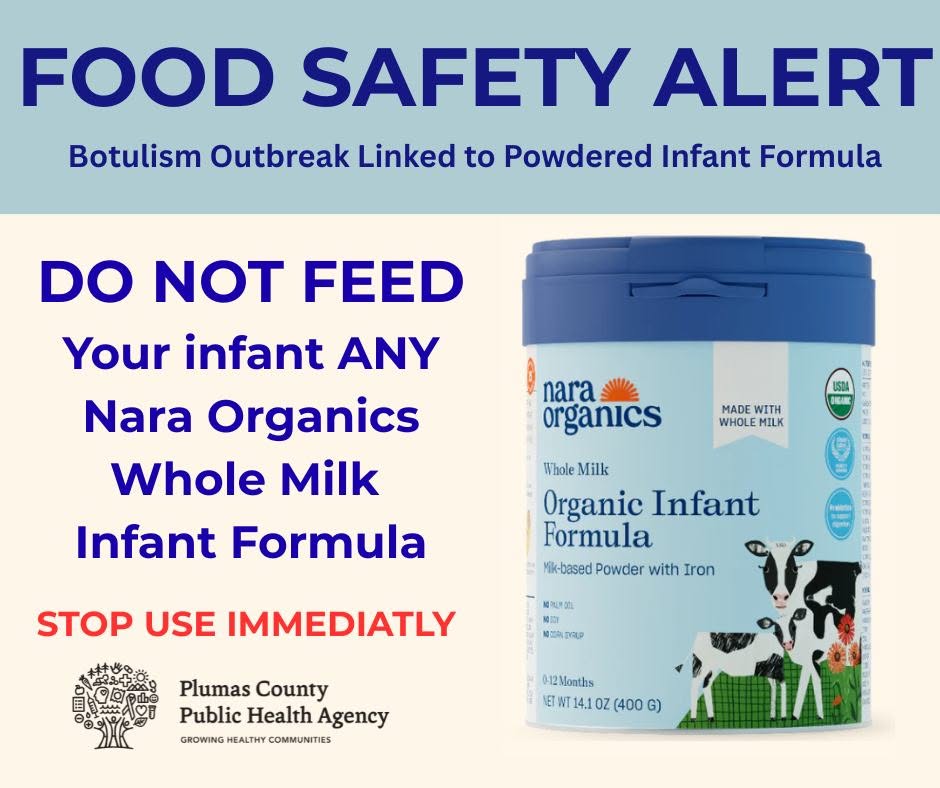
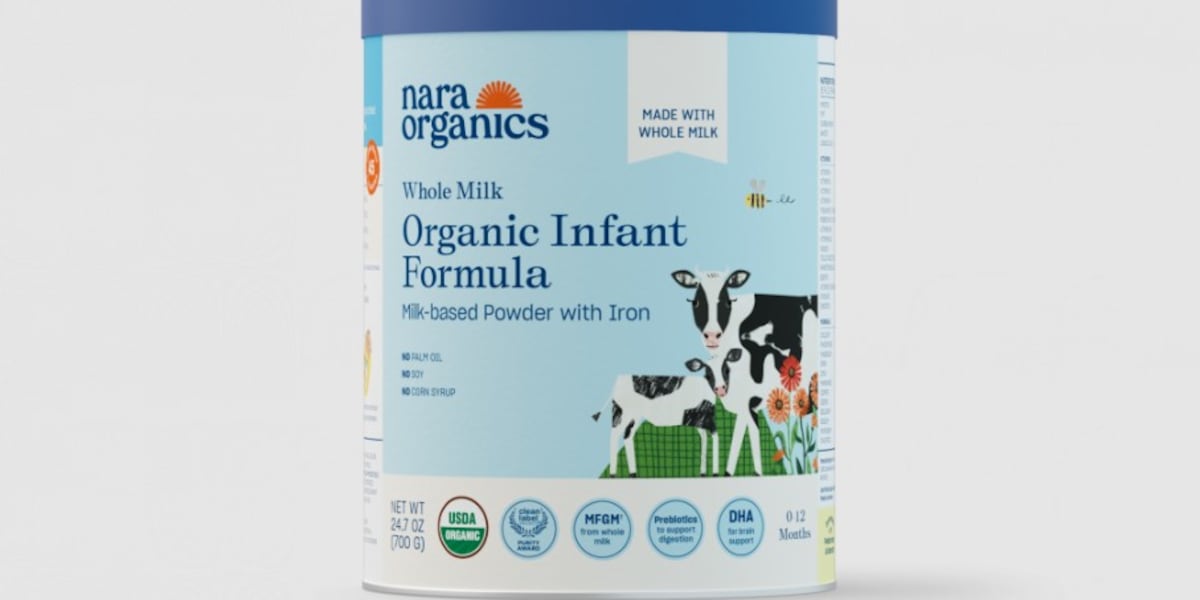
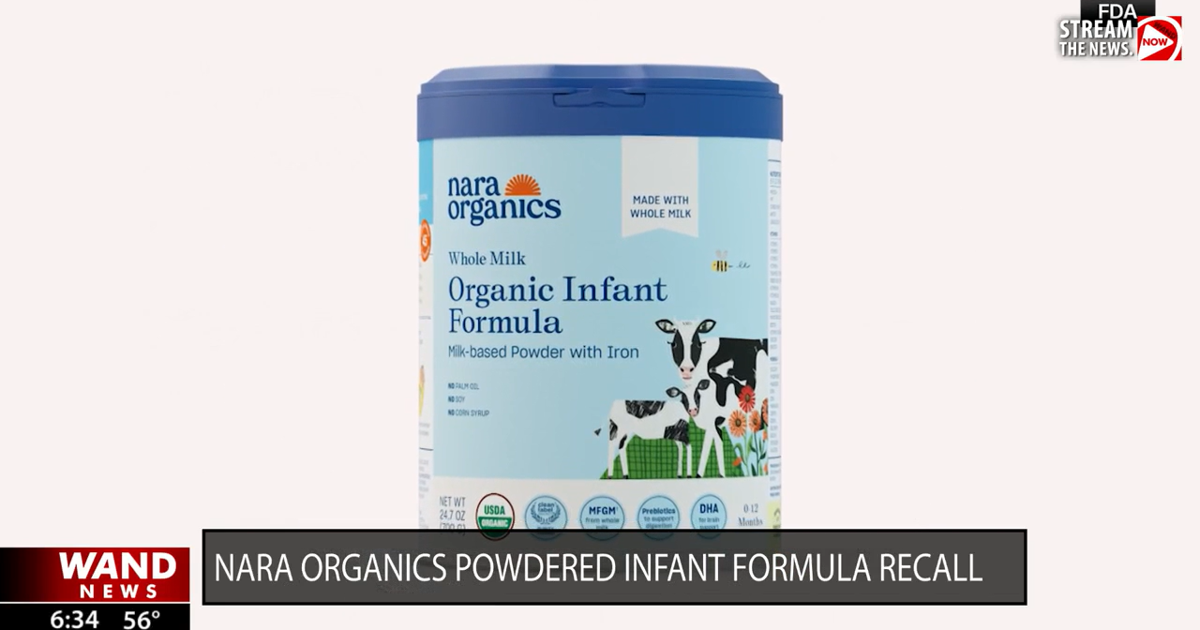
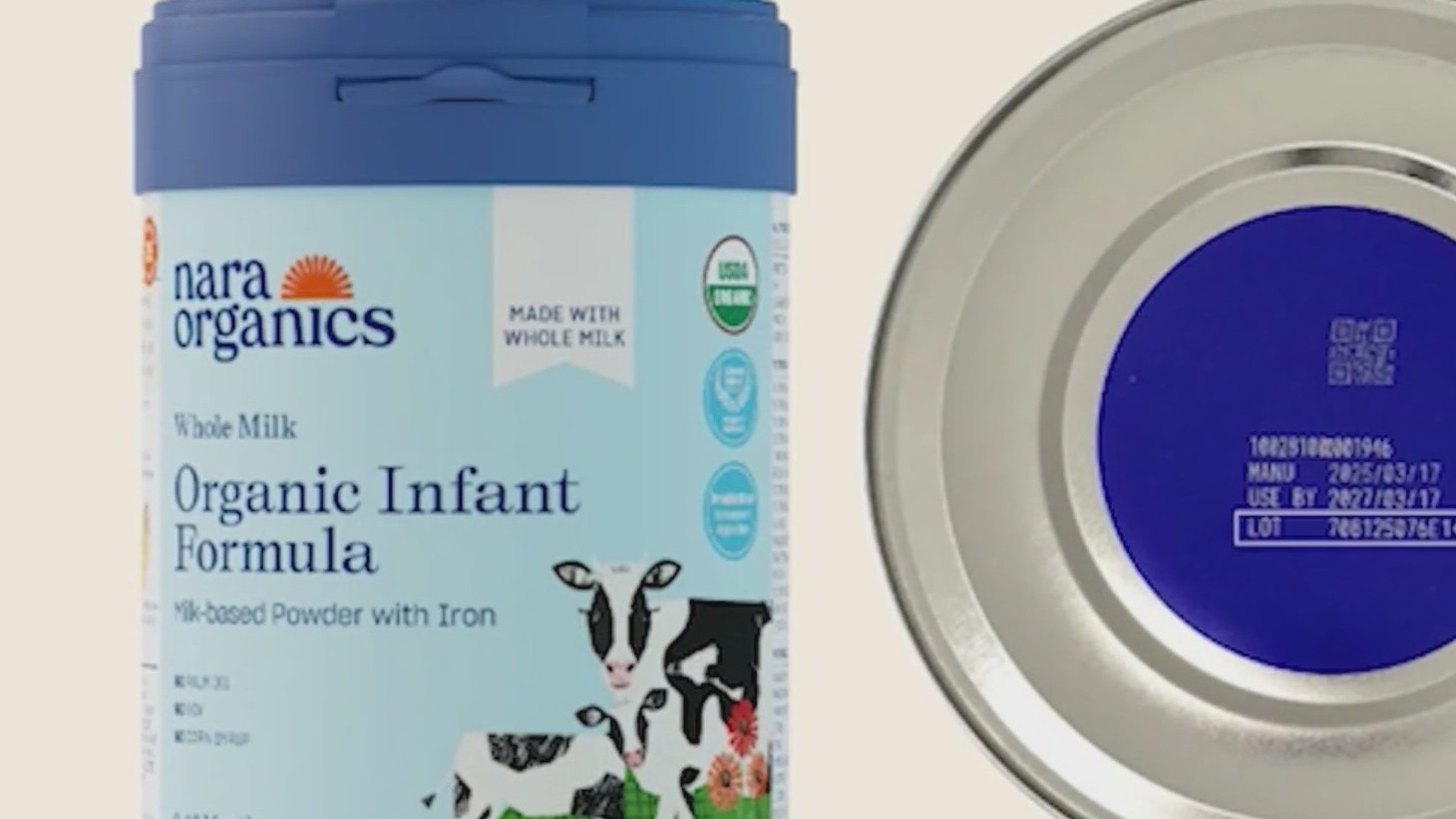
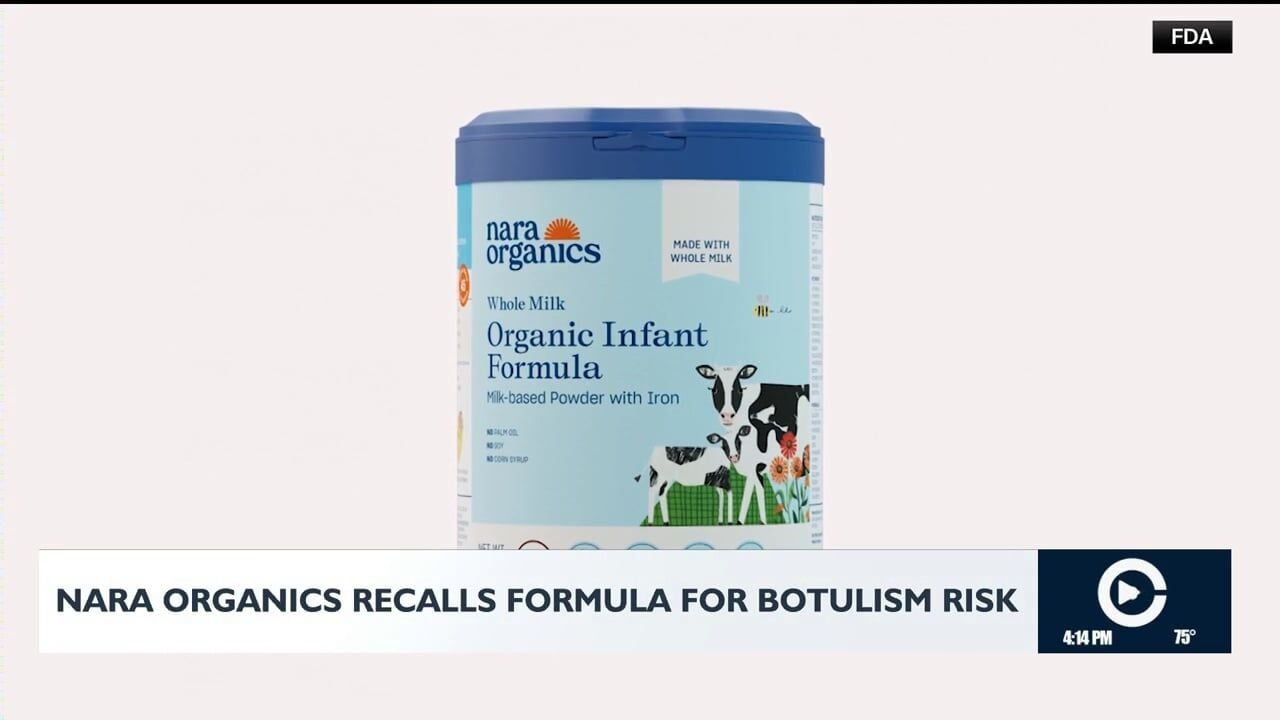
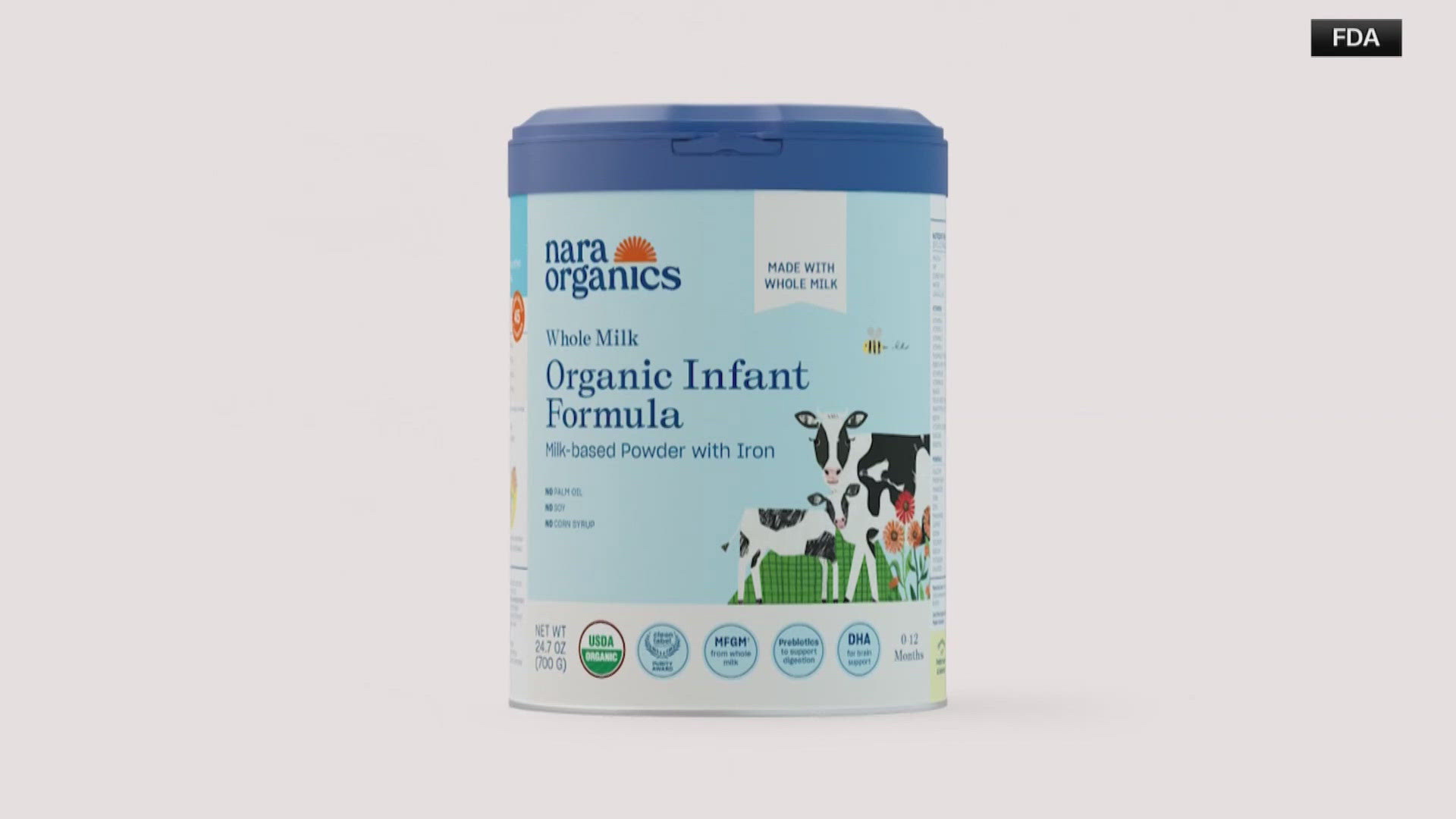
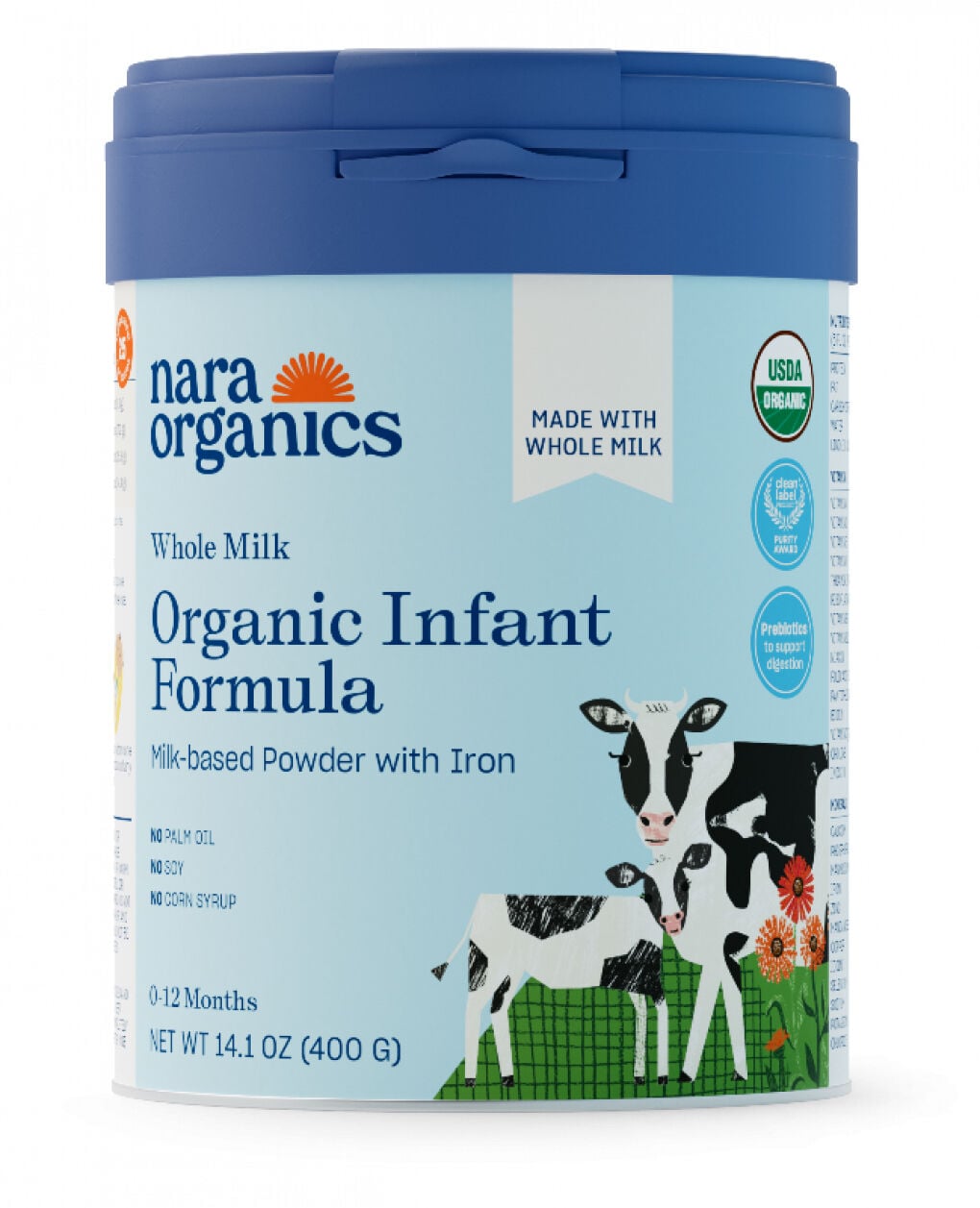
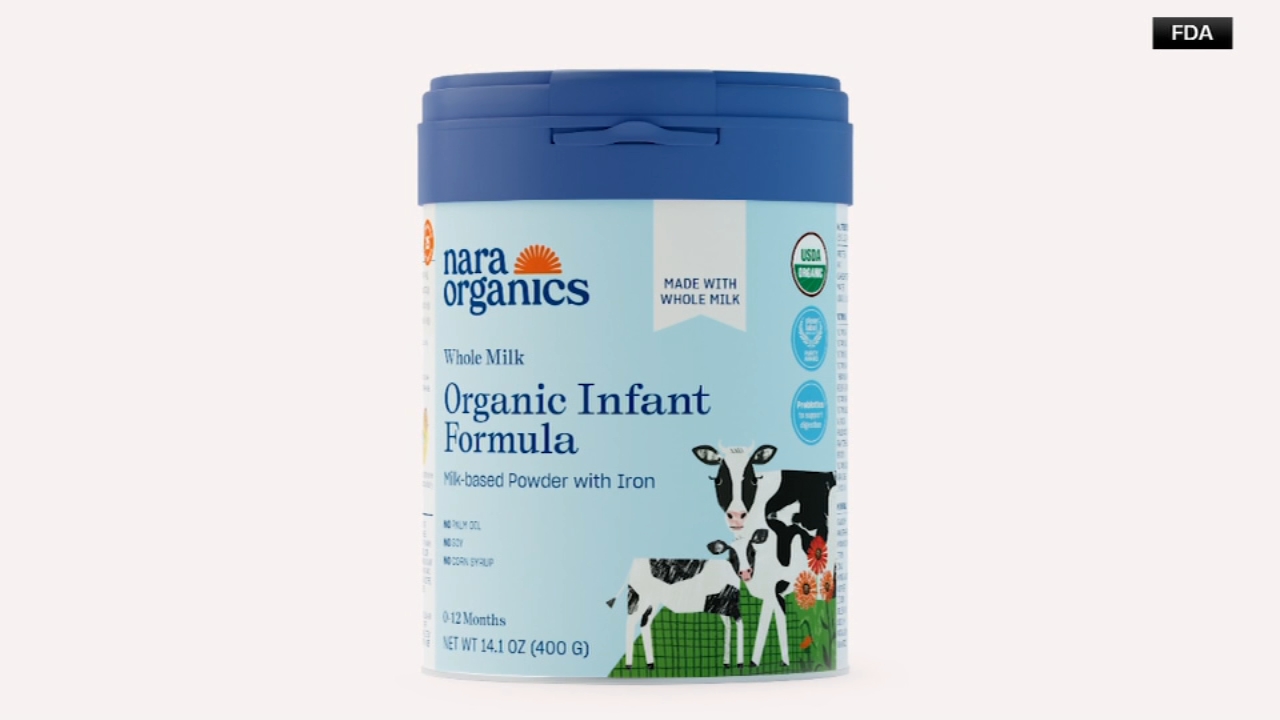
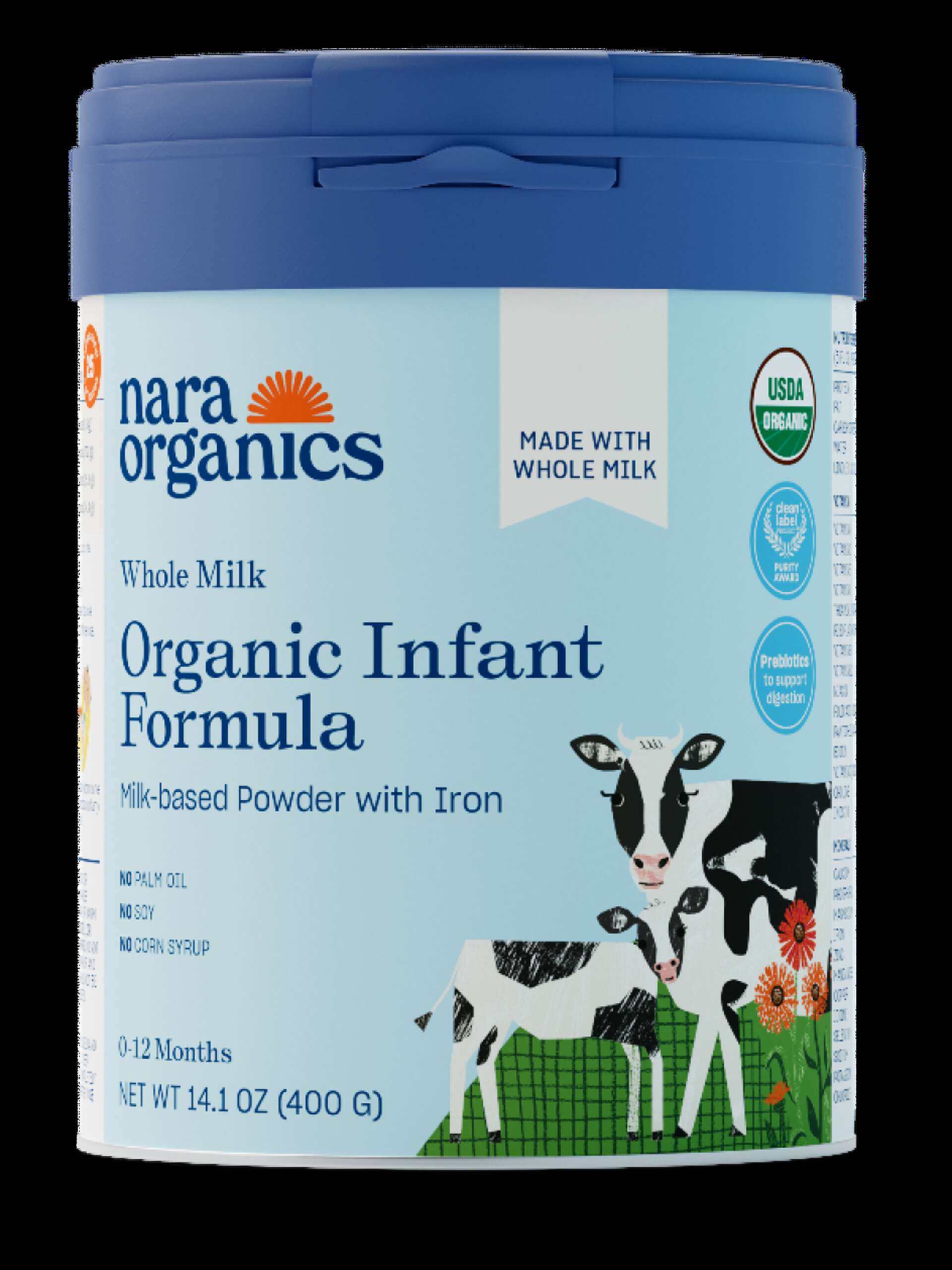
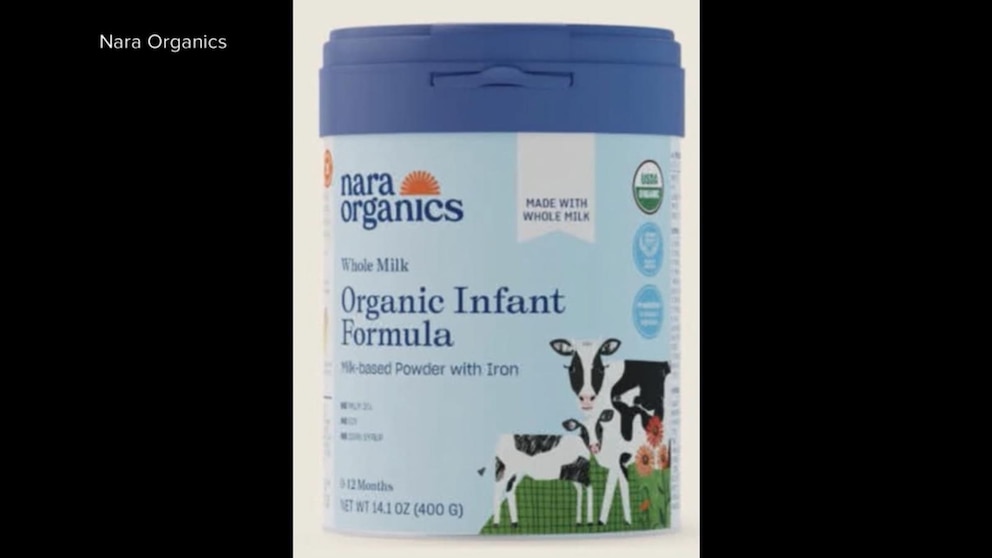
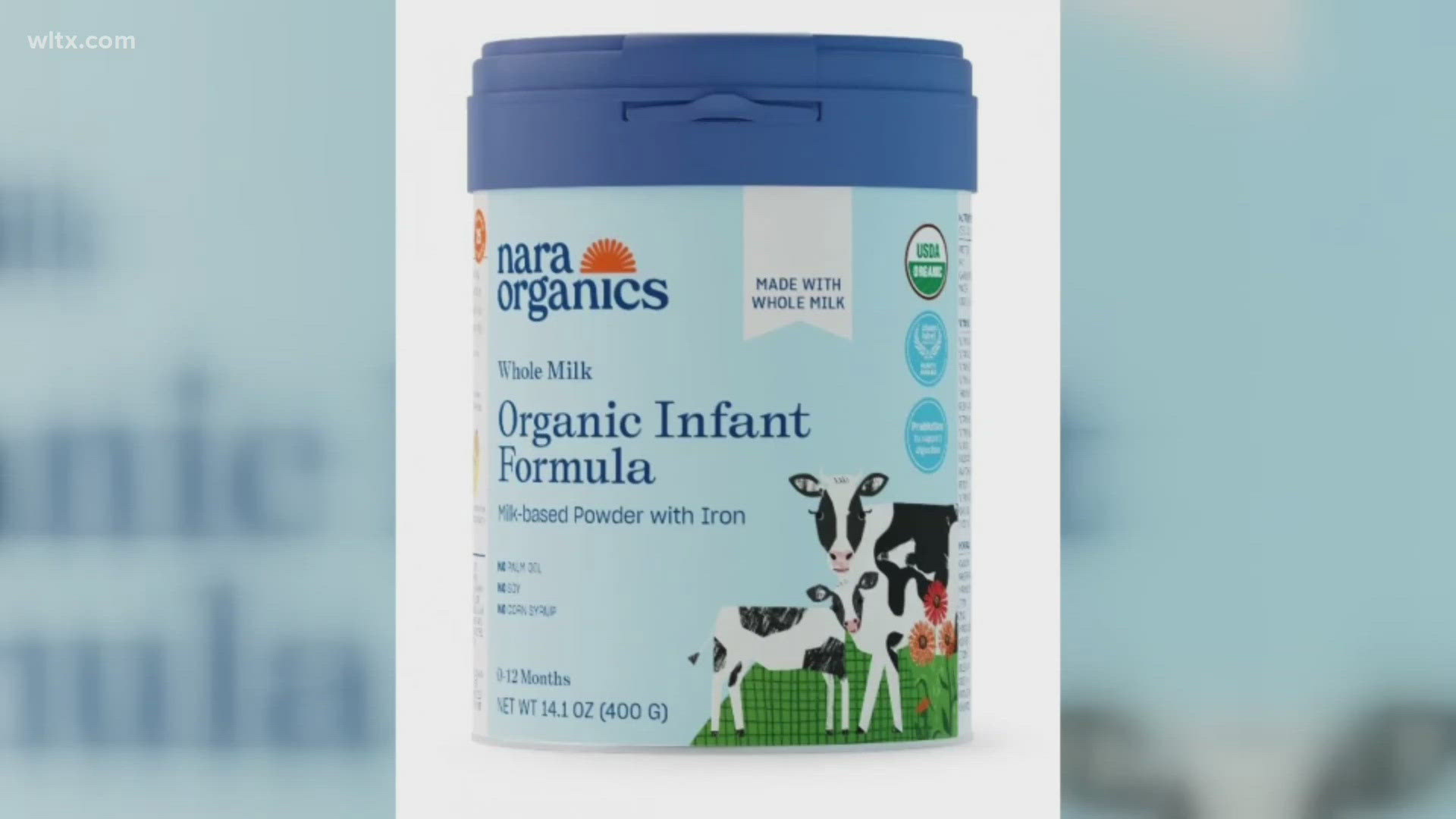
The second botulism outbreak linked to premium organic infant formula in seven months—Nara Organics' June 2025 recall affecting 3 hospitalized infants across California, Pennsylvania, and Washington—signals a critical regulatory inflection point for the $5.2B U.S. infant formula market. Following ByHeart's November 2024 recall (51 confirmed/suspected cases across 19 states), the FDA's slow root cause investigation and focus on dairy-based ingredients and milk powder suppliers reveals a systemic compliance gap that will reshape competitive dynamics for cross-border sellers.
The Compliance Barrier Opportunity: Nara Organics' claim of "three-stage testing protocols" proved insufficient because the company never disclosed whether testing methods detect Clostridium botulinum spores—the pathogenic agent. This gap creates an immediate compliance moat: sellers offering infant formula through Amazon, Target.com, or specialty marketplaces must now implement FDA-validated spore detection protocols (typically AOAC International methods costing $15,000-40,000 per batch, 4-6 week turnaround). Regulatory experts like Sarah Sorscher (Center for Science in the Public Interest) confirm these are "systemic production issues beyond isolated accidents," signaling the FDA will mandate enhanced testing as a condition of market access. Sellers without documented spore-detection protocols face delisting risk within 6-12 months.
Market Consolidation Accelerating: Nara Organics represents <1% market share, yet the recall demonstrates that premium organic positioning no longer protects against regulatory action. Consumer preference is shifting decisively toward "established brands with transparent testing protocols and established regulatory compliance histories"—a direct quote from CDC guidance. This creates a 30-40% market share advantage for compliant incumbents (Similac, Enfamil, Gerber) who already maintain FDA-approved testing documentation. For cross-border sellers, this means: (1) organic/specialty formula brands face 60-80% higher compliance costs than conventional formulas; (2) German-manufactured imports (like Nara) now face heightened FDA scrutiny on dairy sourcing; (3) sellers without rapid recall response capabilities (48-72 hour inventory tracking) will lose Buy Box eligibility.
Fastest Compliance Path: Sellers can achieve FDA-acceptable spore detection via third-party testing partnerships (NSF International, Eurofins) at $8,000-12,000 per SKU annually, vs. in-house lab setup ($200,000+). Timeline: 8-12 weeks to certification. However, the FDA's ongoing investigation into milk powder suppliers suggests additional requirements may emerge by Q4 2025—sellers should budget for 15-20% margin compression on organic formula SKUs during the next 18 months.
Questions 7
What specific testing methods must sellers use to detect botulism spores in infant formula?
The FDA requires AOAC International-validated methods for Clostridium botulinum spore detection, typically involving culture-based assays or molecular PCR testing. Nara Organics' failure to disclose spore-detection capability in its three-stage testing protocol triggered the June 2025 recall, signaling the FDA will mandate documented spore detection as a market access requirement. Third-party labs like NSF International and Eurofins offer FDA-compliant testing at $8,000-12,000 per SKU annually with 4-6 week turnaround. Sellers must implement these protocols before listing infant formula on Amazon, Target.com, or specialty marketplaces by Q4 2025 to avoid delisting.
How should sellers prepare for potential new FDA requirements beyond current testing standards?
The FDA's slow root cause investigation (per regulatory experts) suggests additional requirements may emerge by Q4 2025. Sellers should: (1) Monitor FDA.gov and CFSSAN (Center for Food Safety and Applied Nutrition) for guidance updates; (2) Establish direct communication channels with FDA compliance officers; (3) Budget for 15-20% margin compression on infant formula SKUs; (4) Diversify into non-organic formula categories (lower compliance burden); (5) Implement real-time batch tracking systems for rapid recall response. The two outbreaks in 7 months indicate systemic issues—expect stricter dairy sourcing requirements and possibly mandatory spore testing for all infant formula by mid-2026.