




AI Infrastructure IPO Wave & Market Bubble Risk | Critical Implications for E-Commerce Sellers
- OpenAI $34B spending + $850B IPO valuation signals AI bubble risk; financial instability could trigger 2000-level tech crash affecting seller credit access, platform stability, and consumer spending power










Overview
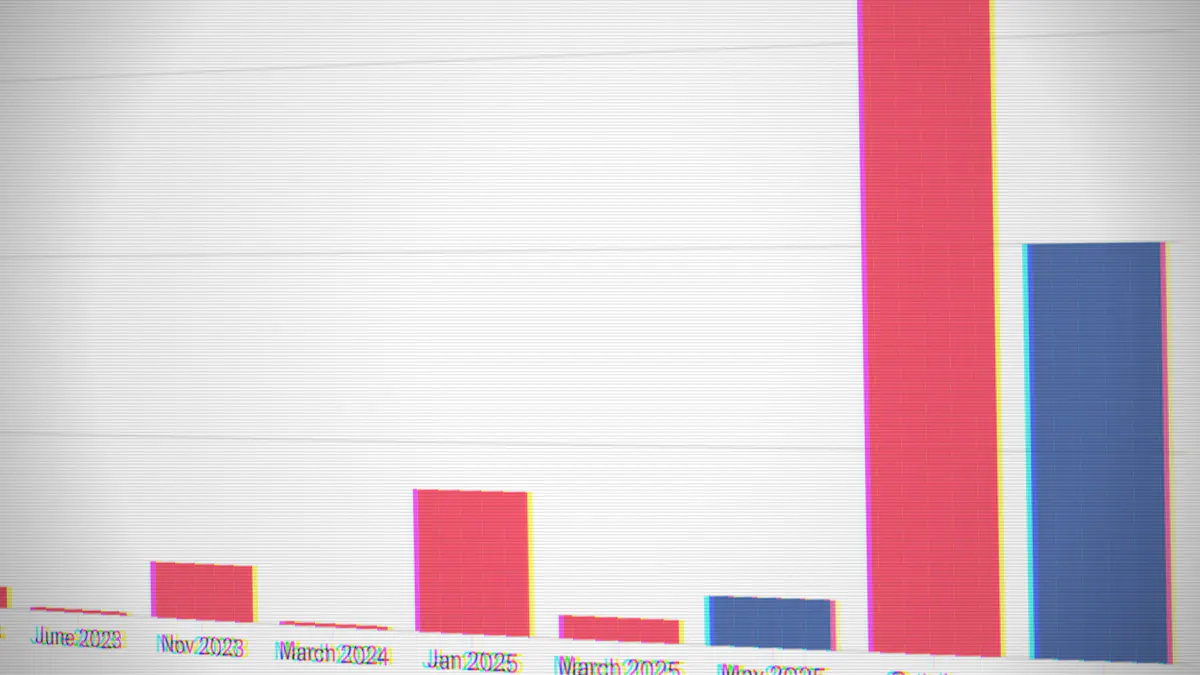
OpenAI's $34 billion annual spending and planned IPO at $850 billion valuation, alongside SpaceX's $2 trillion IPO and Anthropic's $960 billion valuation, represent a critical inflection point for e-commerce sellers. The news reveals two competing narratives: OpenAI's massive infrastructure investment (GPU procurement, data centers, AI researcher talent) demonstrates genuine technological advancement and market confidence, while economist Dean Baker's AI Bubble Monitor warns that current valuations are nearly double the 2000 tech bubble peak relative to GDP—creating systemic financial risk.
For e-commerce sellers, this creates immediate operational and financial exposure. The underlying concern is profitability sustainability: despite billions in revenue, major AI firms (Microsoft, Amazon, Google, Nvidia) remain unprofitable due to massive infrastructure costs. These companies have created interconnected investment networks—described as a "fiscal ouroboros"—where each invests in competitors while purchasing from one another, lacking independent revenue validation. If any major player fails to meet obligations, cascading defaults could trigger recession-level economic damage. Financial institutions are already restricting credit exposure to AI-dependent firms, signaling institutional concern about sustainability.
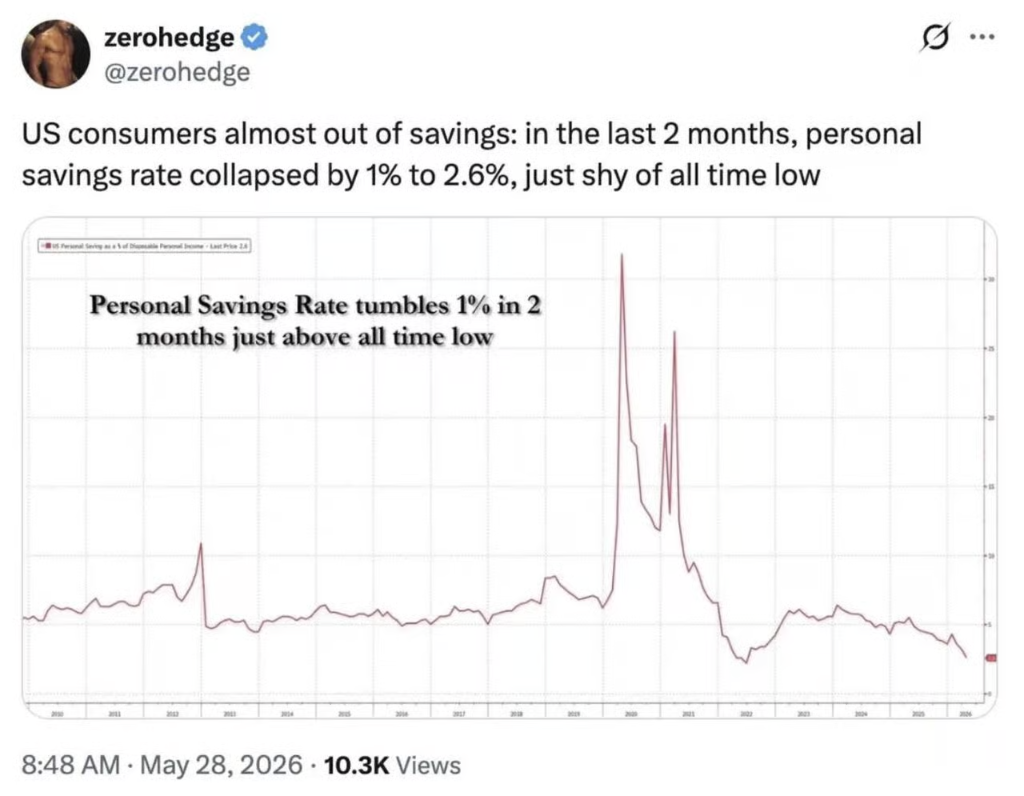
The e-commerce impact manifests across three critical dimensions: (1) Credit Access & Financing Risk: Sellers relying on venture-backed platforms (Shopify, Amazon, eBay) face potential capital constraints if these companies' credit lines tighten due to AI bubble concerns. Banks restricting AI-dependent firm credit could cascade to platform lending programs. (2) Consumer Spending Power: A tech-sector recession triggered by AI profitability failures would compress consumer discretionary spending—the primary driver of e-commerce demand. Retail investors and index fund holders (including retirement plans) face significant downside risk, directly reducing purchasing power for non-essential categories (electronics, apparel, home goods). (3) Platform Stability & Feature Development: Amazon, Google, and Microsoft's interconnected AI investments mean platform disruptions could cascade. If profitability pressures force cost-cutting, seller tools (AI-powered search, recommendation algorithms, advertising systems) could degrade, reducing visibility and conversion rates.
The timing is critical because regulators appear positioned to approve these IPOs despite risks, potentially injecting speculative capital directly into the U.S. economy. SpaceX's June 2026 IPO allocates 30% of shares to retail investors—substantially higher than the typical 5-10% industry standard—amplifying retail exposure to bubble risk. This creates a 12-18 month window where market volatility could spike dramatically, affecting seller financing costs, platform policies, and consumer confidence simultaneously.
Questions 7
What timeline should sellers use to prepare for potential AI market instability?
SpaceX's IPO is scheduled for June 2026, followed by OpenAI and Anthropic offerings. This creates a 12-18 month window (Q1 2025 through Q2 2026) where market volatility could spike dramatically. Sellers should take immediate actions: (1) Review credit lines and lock in favorable terms before Q2 2025, (2) Build 60-90 day cash reserves by Q3 2025, (3) Diversify platform exposure by Q4 2025, (4) Stress-test inventory levels assuming 20-30% demand reduction by Q1 2026. Financial institutions are already restricting credit to AI-dependent firms, so sellers should secure working capital financing before credit markets tighten further in the next 6-9 months.
How does the AI bubble risk affect consumer spending and e-commerce demand?
Dean Baker's AI Bubble Monitor shows stock market valuations are nearly double the 2000 tech bubble peak relative to GDP, with many tech companies' stock prices dramatically exceeding earnings multiples. If this bubble deflates, retail investors and index fund holders—including retirement plans—face significant downside risk. This directly impacts e-commerce because consumer discretionary spending typically drops 20-40% during tech-sector corrections. Sellers should expect demand compression in non-essential categories starting 6-12 months before any major market correction, as consumer confidence typically leads actual spending declines by 3-6 months. Diversifying into essential categories (health, home essentials) and building cash reserves now provides protection.