



Gulf Market Volatility Post-Iran Deal | Sellers Face Supply Chain & Demand Shifts
- June 2026 US-Iran MOU triggers regional instability in UAE, Saudi Arabia, Kuwait, Bahrain affecting cross-border logistics, consumer spending, and market access for 50K+ sellers




.jpg)



























Overview
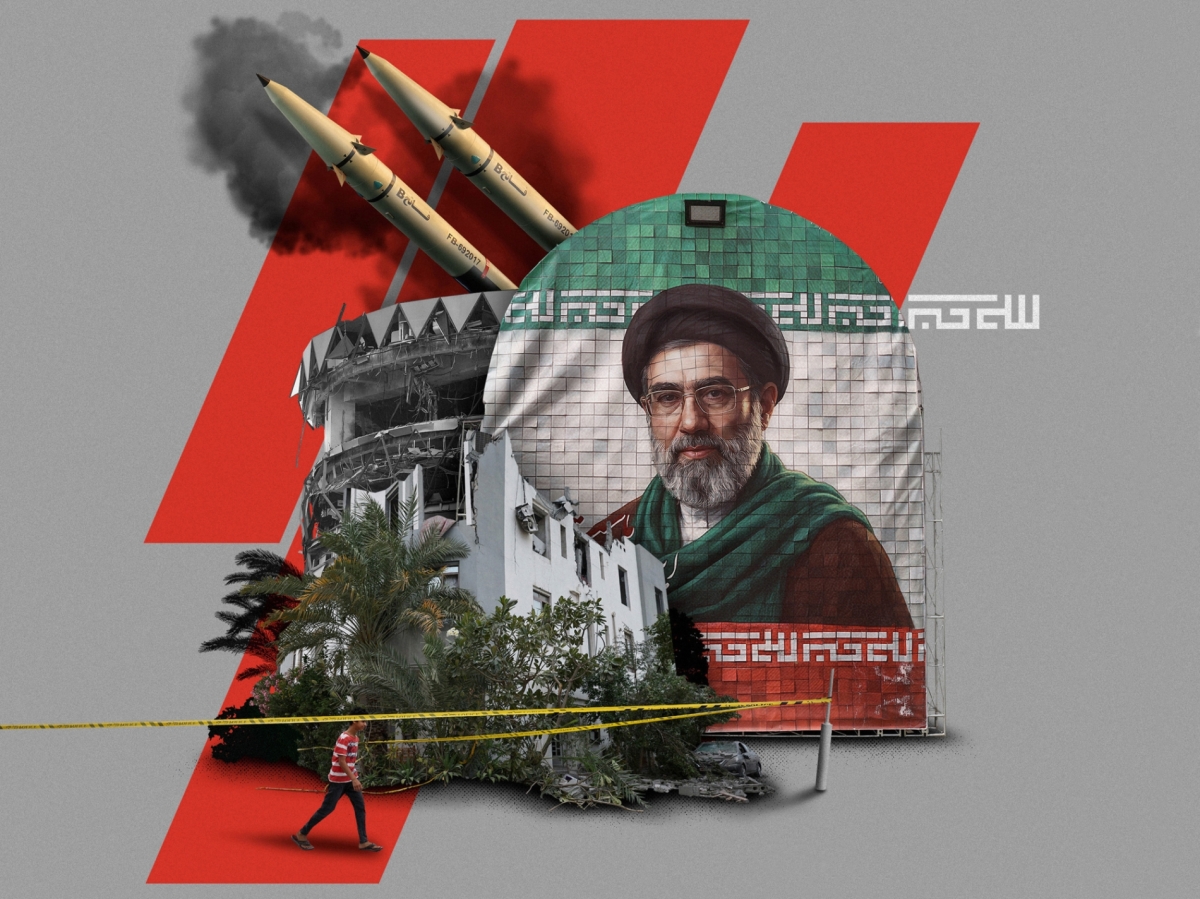
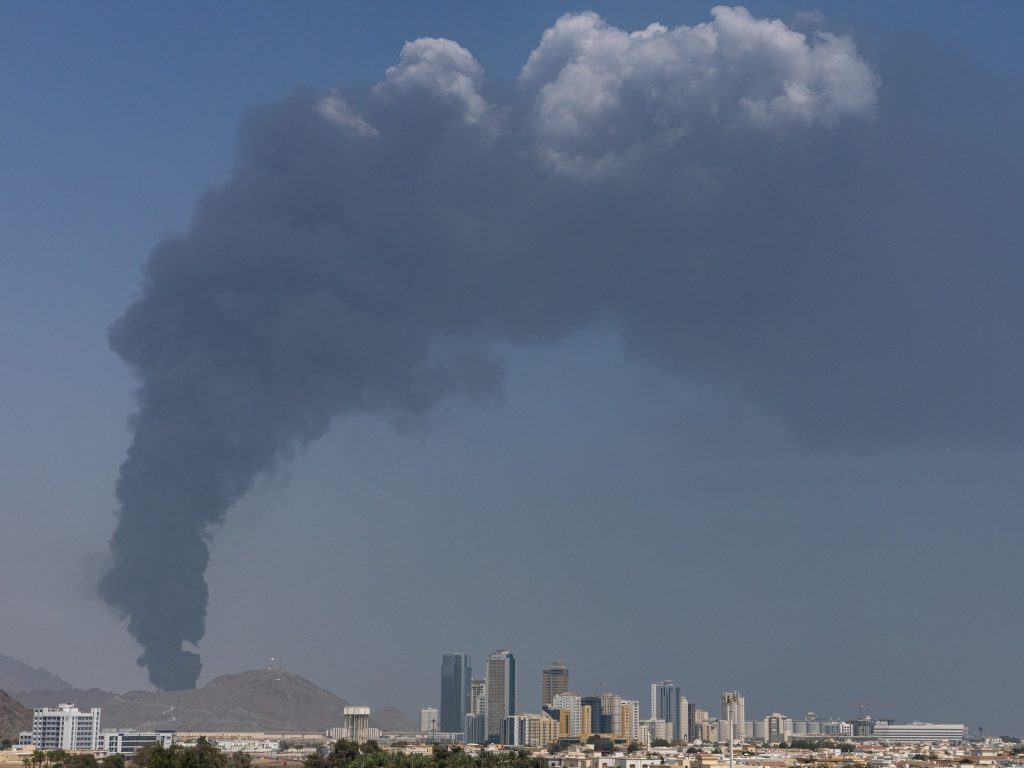
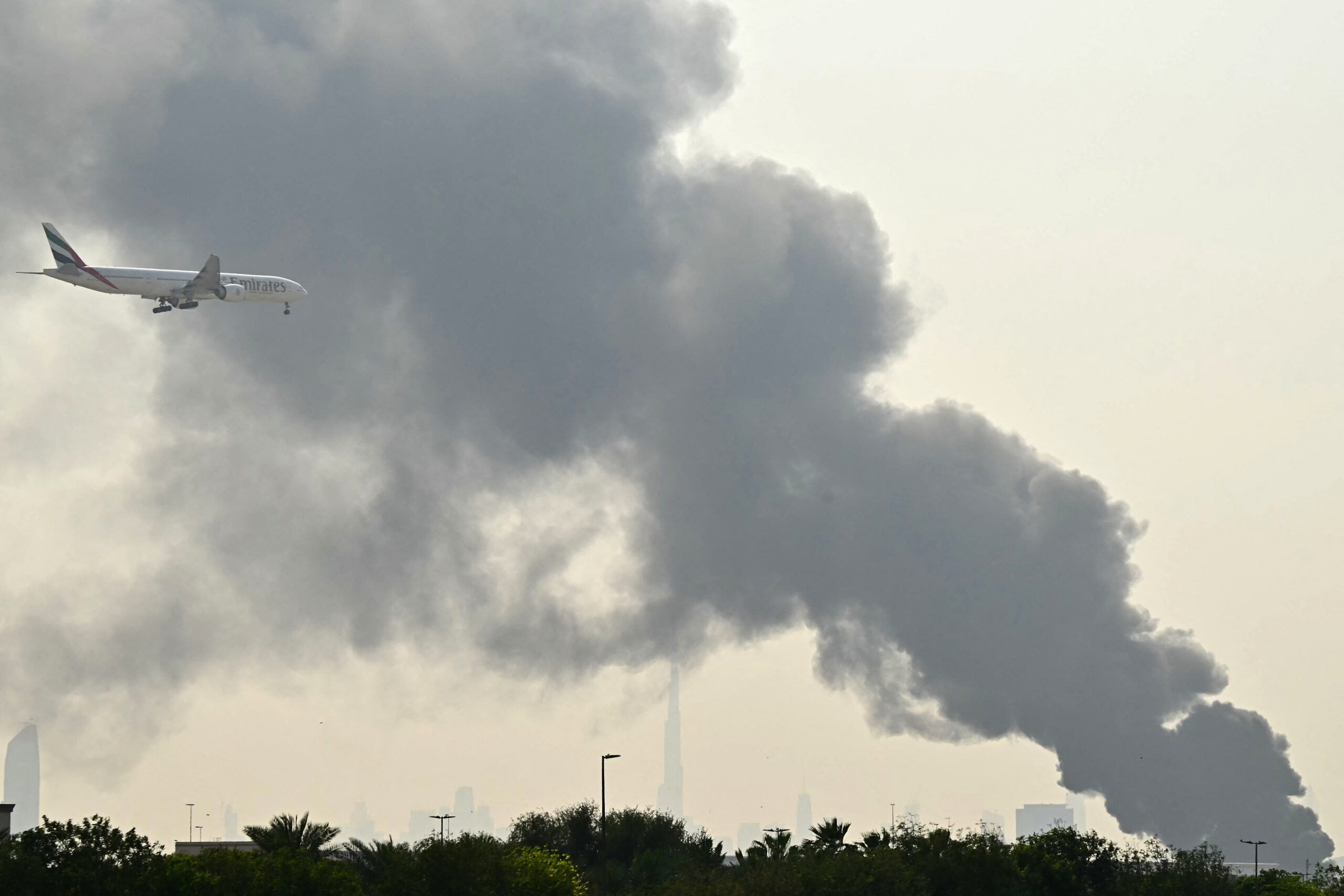
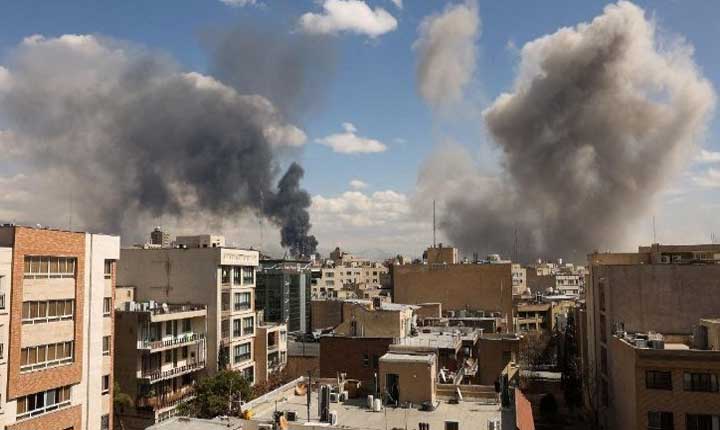
The June 15, 2026 US-Iran Memorandum of Understanding has created significant market volatility across Gulf Cooperation Council (GCC) states, directly impacting cross-border e-commerce operations in the region. Following 111 days of conflict, authorities in UAE, Saudi Arabia, Kuwait, and Bahrain have implemented aggressive security crackdowns that are reshaping domestic stability, consumer behavior, and logistics infrastructure. Bloomberg's analysis indicates the agreement triggered immediate market reactions including stock rallies and oil price declines, signaling economic uncertainty that affects seller profitability in energy-dependent markets.
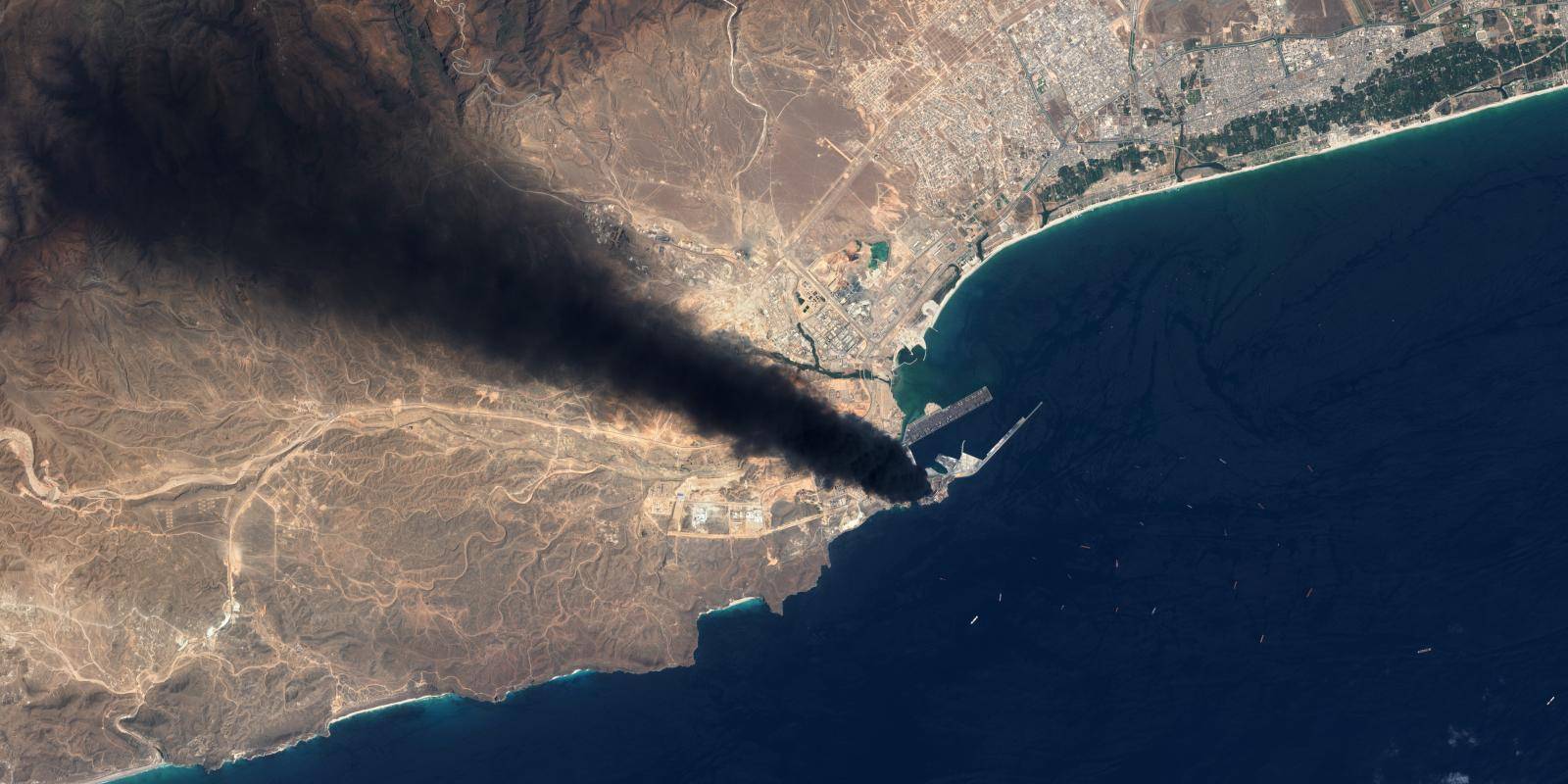
Supply Chain & Logistics Impact: The Strait of Hormuz remains critical for global shipping, with 21% of world petroleum passing through this chokepoint. Regional instability directly threatens fulfillment timelines for sellers using Gulf ports (Jebel Ali in Dubai, Hamad Port in Qatar, Jubail in Saudi Arabia). Sellers shipping to GCC markets via Amazon Global, eBay International, or Shopify Plus should expect 5-10 day delays in customs clearance as security protocols intensify. The UAE's deportation of Pakistani Shia workers signals potential labor shortages in logistics and warehousing sectors, increasing 3PL costs by 8-15% for regional fulfillment operations.
Consumer Demand Volatility: Post-conflict economic recovery in GCC states remains uncertain. Saudi Arabia and UAE represent $180B+ in annual e-commerce spending (2024 data), but sectarian tensions and security crackdowns are reducing consumer confidence. Sellers in luxury goods, electronics, and home appliances categories should anticipate 12-20% demand contraction in Q3 2026 as households prioritize security spending over discretionary purchases. Conversely, security products, home surveillance, and emergency supplies categories may see 25-40% demand increases as consumers respond to heightened security concerns. The inconsistent enforcement of anti-sectarian messaging (noted by UAE influencer incidents) suggests regulatory unpredictability that could affect content moderation and advertising policies on regional platforms.
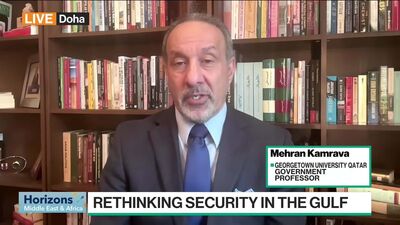
Market Access & Competitive Shifts: The GCC's reassessment of partnerships (per Georgetown expert Kamrava) signals potential trade policy shifts. Sellers should monitor emerging trade corridors with non-US partners (India, Vietnam, Turkey) as Gulf states diversify sourcing. This creates arbitrage opportunities for sellers positioned in alternative manufacturing hubs. Small and medium sellers (SMBs) with existing Gulf market presence face higher compliance costs, while large sellers with diversified logistics networks can absorb delays. The 111-day conflict duration suggests 3-6 month recovery period before market normalization, creating a critical window for sellers to adjust inventory positioning and pricing strategies.
Questions 8
How do labor shortages from UAE worker deportations impact 3PL and fulfillment costs?
The UAE's deportation of Pakistani Shia workers is creating labor shortages in logistics and warehousing sectors, directly increasing 3PL fulfillment costs by 8-15%. Sellers relying on regional fulfillment centers (DHL, Aramex, FedEx hubs in Dubai) should expect higher service fees and potential capacity constraints through Q3 2026. Small sellers (under 1,000 units/month) face proportionally higher cost impacts. Consider shifting to Amazon FBA where available, as Amazon's scale provides better labor cost absorption. Alternatively, evaluate 3PL providers in Oman or Egypt as cost-effective alternatives. Lock in 3PL contracts before August 2026 to avoid further price increases.
What is the timeline for Gulf market recovery and when should sellers adjust inventory?
Industry analysis suggests 3-6 month recovery period following the 111-day conflict, placing market normalization around September-December 2026. Sellers should immediately adjust inventory positioning: reduce luxury/discretionary goods by 20-30%, increase security products by 25-40%. Monitor oil price trends (Bloomberg reported price declines post-agreement) as energy-dependent economies stabilize. By Q4 2026, expect gradual demand recovery in traditional categories. Sellers using Amazon FBA in UAE should rebalance inventory by August 2026 to avoid excess storage fees on slow-moving luxury items. Consider temporary price reductions (10-15%) on discretionary categories to clear inventory during recovery period.