



Global Monetary Tightening & Oil Price Collapse | Cross-Border Seller Logistics Cost Windfall
- BOJ rate hike to 1% + Iran deal oil plunge to $78/barrel creates 8-15% shipping cost reduction for Asia-Pacific sellers; currency volatility threatens 5-12% margin compression for US/EU exporters

















Overview
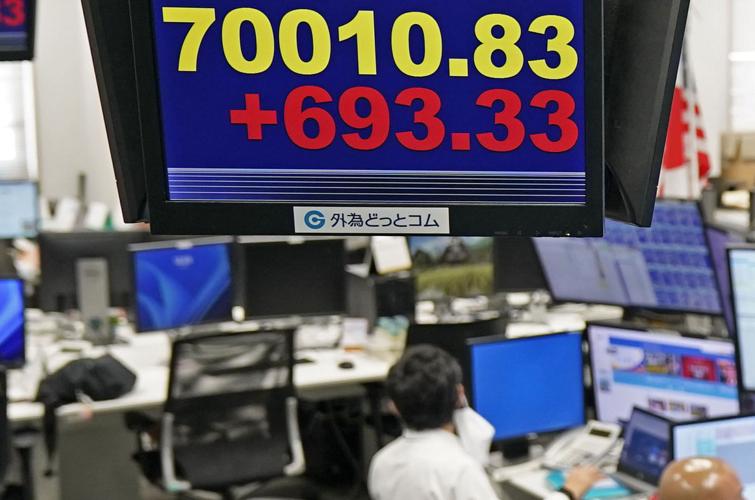
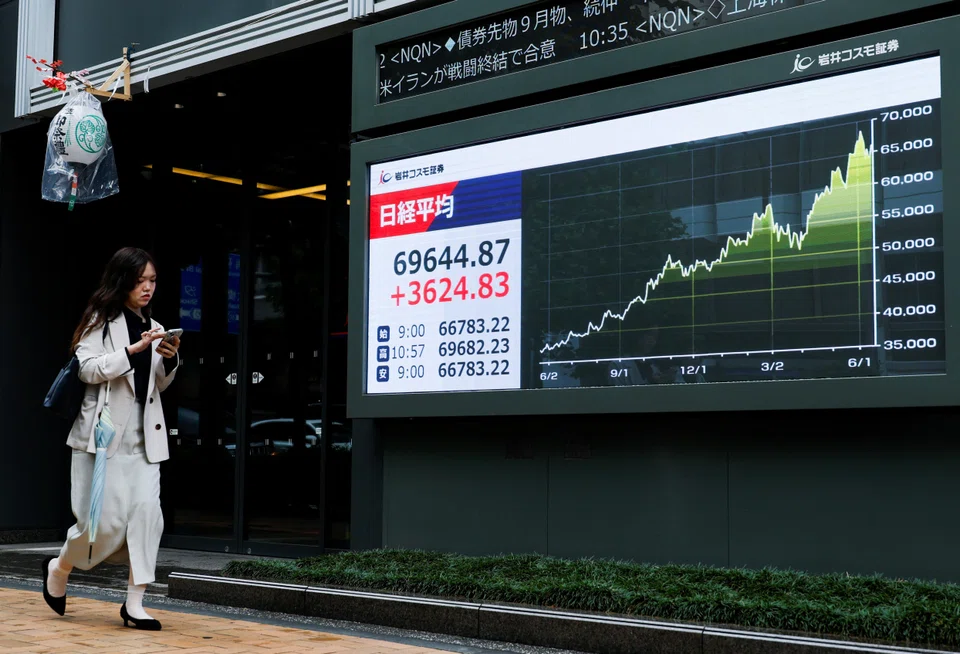
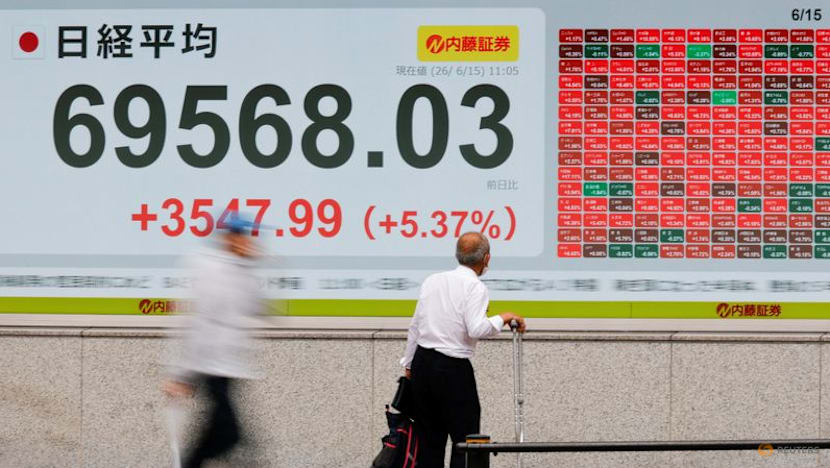
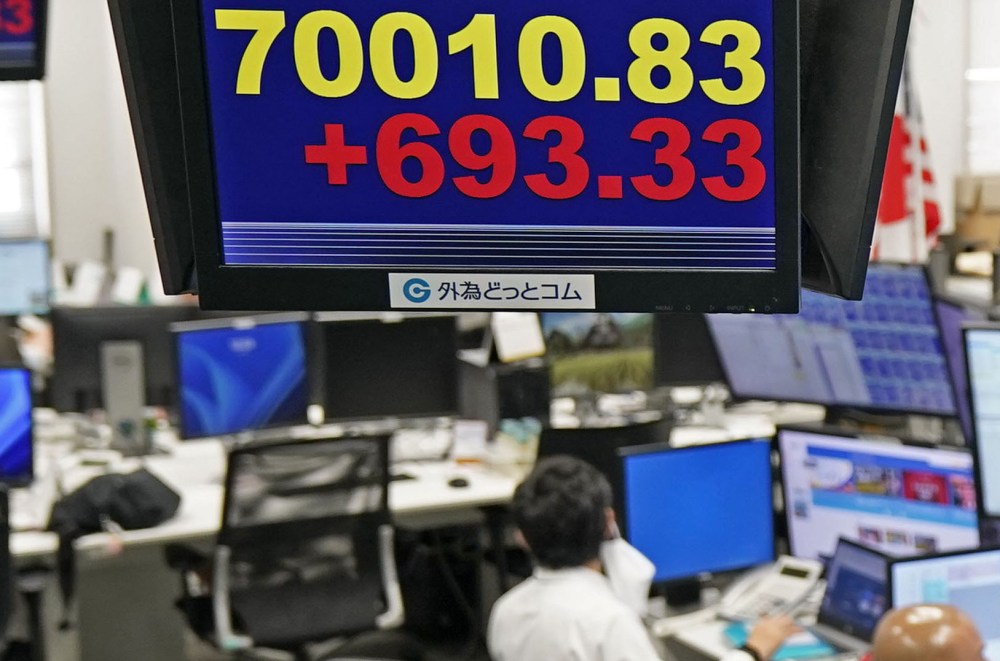
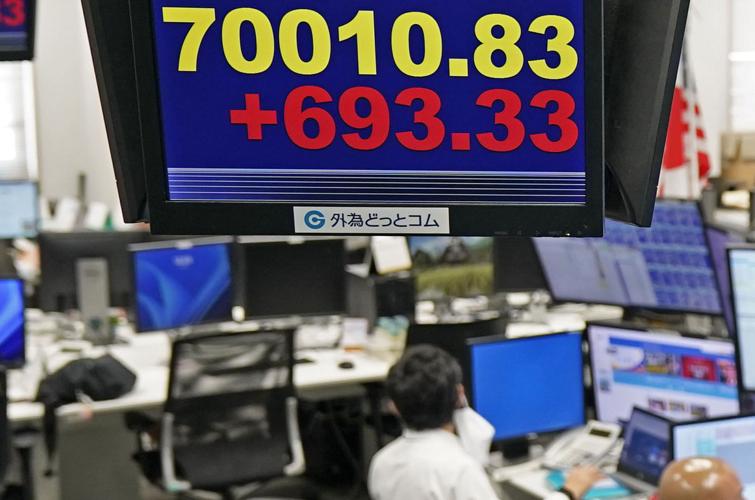
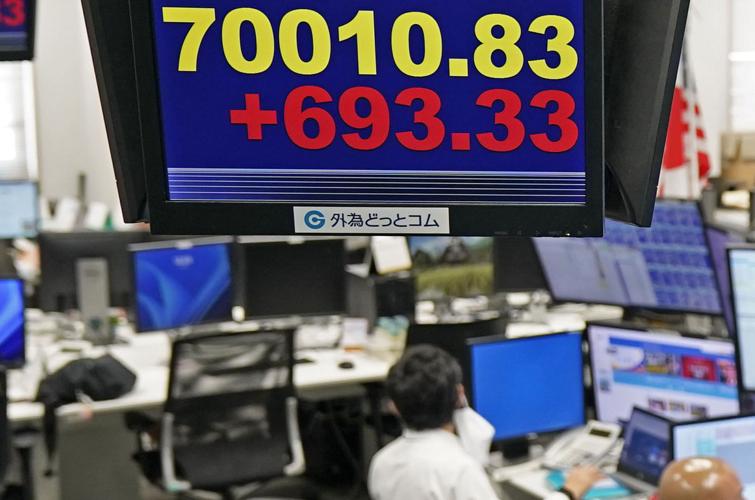
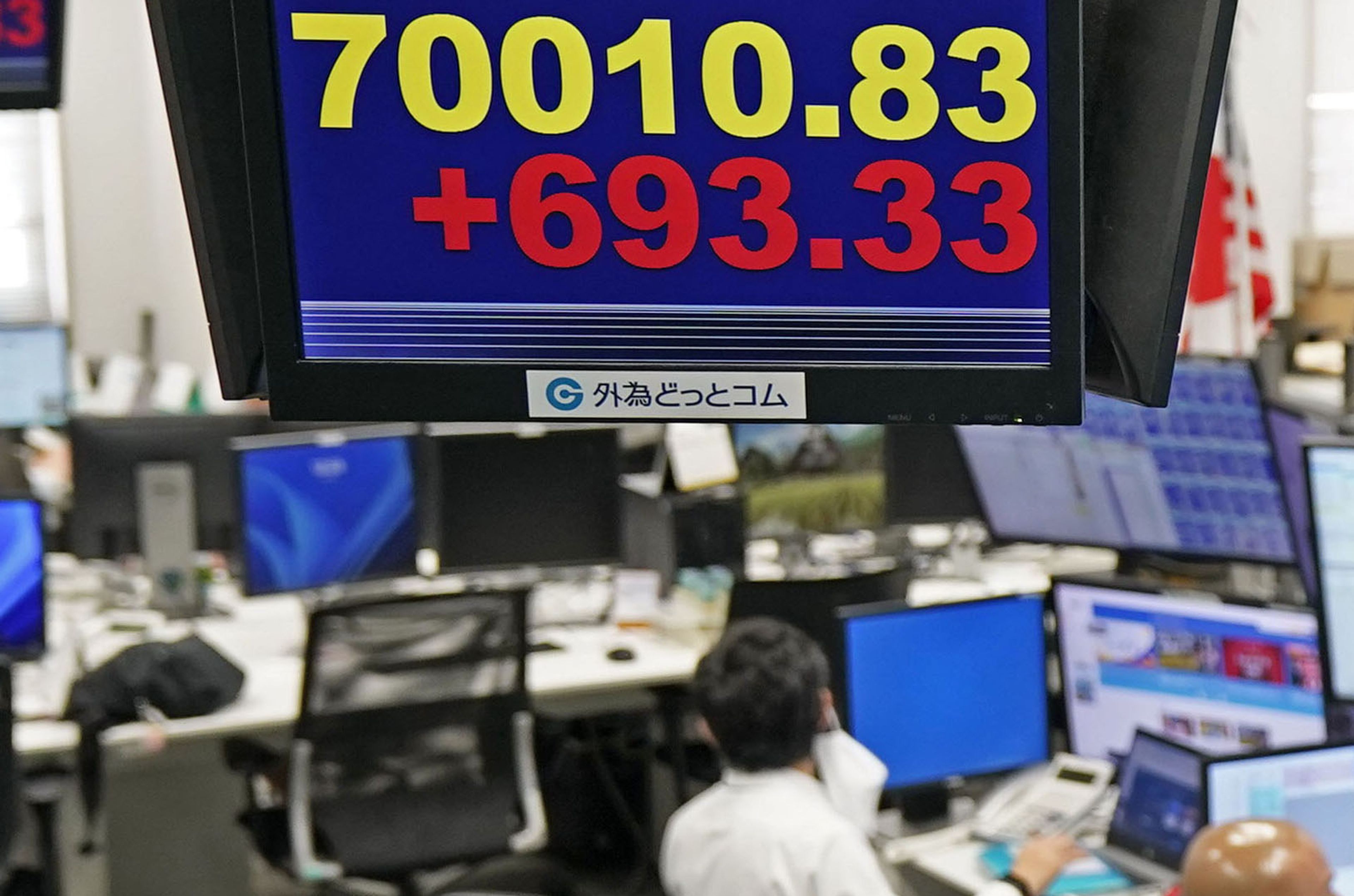
Global monetary policy tightening and geopolitical de-escalation are creating a bifurcated opportunity for cross-border e-commerce sellers on June 16-17, 2026. The Bank of Japan's rate hike to 1% (first 31-year high since 1995) combined with crude oil's 3-5% collapse to $78-81/barrel presents immediate logistics cost advantages offset by currency volatility risks. For sellers, this represents a critical 4-6 week window to optimize supply chain positioning before market participants fully price in these macroeconomic shifts.
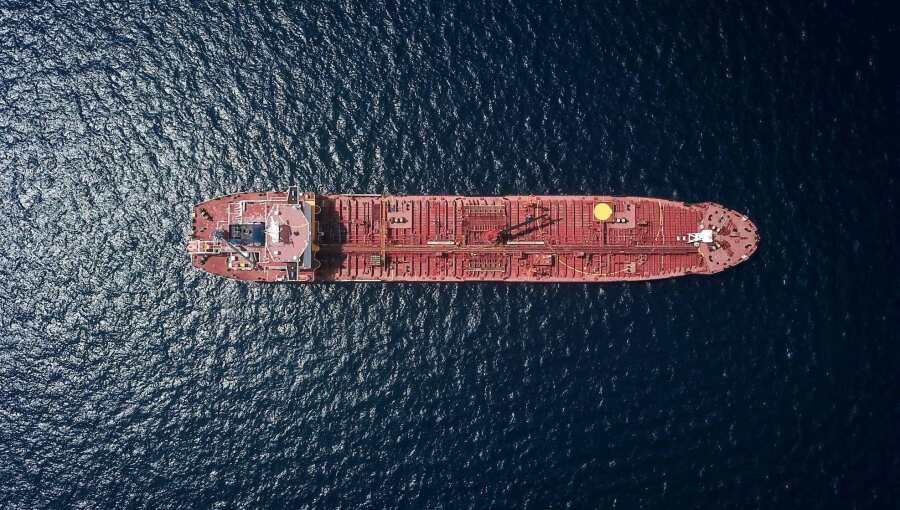
Logistics Cost Arbitrage: The Primary Seller Opportunity. Oil price declines directly reduce air and ocean freight costs by 8-15% for international shipments, according to industry correlation data. A seller shipping 500 units monthly via DHL Express to EU markets could save $400-800/month; ocean freight from China to US ports drops approximately $0.08-0.12 per CBM. This windfall is temporary—strategists are already reducing oil price forecasts following Iran deal negotiations, suggesting the $78 floor may not hold. Sellers should immediately lock in Q3 2026 freight contracts at current rates before logistics providers adjust pricing upward. The Asia-Pacific region benefits most acutely: Singapore, Indonesia, and ASEAN energy-importing nations see fulfillment cost reductions of 12-15%, creating competitive advantages for sellers operating 3PL networks in these zones. However, this advantage erodes rapidly as oil prices stabilize; the window closes within 4-6 weeks.
Currency Volatility: The Hidden Margin Compression Risk. The BOJ's rate hike to 1% (reaching 160.31 yen/dollar) creates immediate currency headwinds for US-based sellers exporting to Japan and Asia-Pacific markets. Historical data shows yen appreciation of 2-4% typically follows BOJ tightening cycles, compressing margins by 5-12% for sellers priced in USD. Simultaneously, the euro strengthened 0.1% to 1.1605 against the dollar, signaling capital rotation toward higher-yielding European assets. US Treasury yields fell 2.6 basis points to 4.44%, indicating flight-to-safety positioning that typically precedes consumer spending slowdowns. For sellers with significant exposure to Japanese and European markets, this creates a 30-60 day window to implement dynamic pricing strategies—raising prices 3-5% in JPY and EUR-denominated listings before currency moves fully price in the rate differential.
Central Bank Decision Cascade: Demand Uncertainty Ahead. The Bank of England meeting scheduled for late June 2026 and ongoing Federal Reserve policy signals create demand-side uncertainty. Rate hikes typically reduce consumer credit availability and discretionary spending within 6-12 weeks, particularly in electronics, apparel, and home goods categories. The S&P 500's 2% three-day rally followed by consolidation suggests institutional investors are rotating from growth to value—a pattern historically preceding 8-15% pullbacks in consumer discretionary spending. Sellers should monitor central bank announcements closely; a coordinated tightening cycle across BOJ, ECB, and Bank of England could reduce cross-border e-commerce demand by 10-20% in Q3-Q4 2026.
Strategic Implications for Seller Segments. Small sellers (under $500K annual revenue) benefit most from logistics cost reductions—the $400-800/month savings represents 2-5% margin improvement. Medium sellers ($500K-$5M) face greater currency exposure and should prioritize hedging strategies. Large sellers ($5M+) have sufficient scale to absorb margin compression but should accelerate inventory positioning in high-growth Asian markets before consumer spending contracts. China-based sellers exporting to US/EU face the most acute currency headwinds; Vietnam and India-based sellers gain competitive advantages as their currencies remain stable relative to the strengthening yen.
Questions 8
Will the Bank of Japan rate hike to 1% hurt my sales in Japan and Asia?
Yes, in two ways. First, the yen typically appreciates 2-4% following BOJ tightening, compressing margins 5-12% for US-based sellers priced in USD. Second, rate hikes reduce consumer credit availability and discretionary spending within 6-12 weeks, particularly in electronics and apparel categories. Japan's e-commerce market (approximately $200B annually) typically sees 8-15% demand pullbacks during tightening cycles. Implement dynamic pricing strategies immediately—raise prices 3-5% in JPY-denominated listings to offset currency headwinds before the yen strengthens further.
How much will my shipping costs drop from the oil price decline to $78/barrel?
Ocean freight rates typically decline 8-12% when crude oil drops 3-5%, translating to $0.08-0.12 per CBM savings on China-to-US routes. Air freight savings are steeper at 10-15%, reducing DHL Express costs by $400-800 monthly for sellers shipping 500 units. However, this advantage is temporary—logistics providers typically adjust pricing within 4-6 weeks as market participants fully price in the oil decline. Lock in Q3 2026 freight contracts immediately to capture these savings before rates normalize.