
Aldi's Mystery Box Strategy Signals Shift to Experiential Retail | Seller Opportunities
- Aldi launches daily free blind box giveaway June 22-25, 2024; reveals consumer appetite for discovery-driven shopping and gamification tactics that e-commerce sellers can replicate across categories






Overview
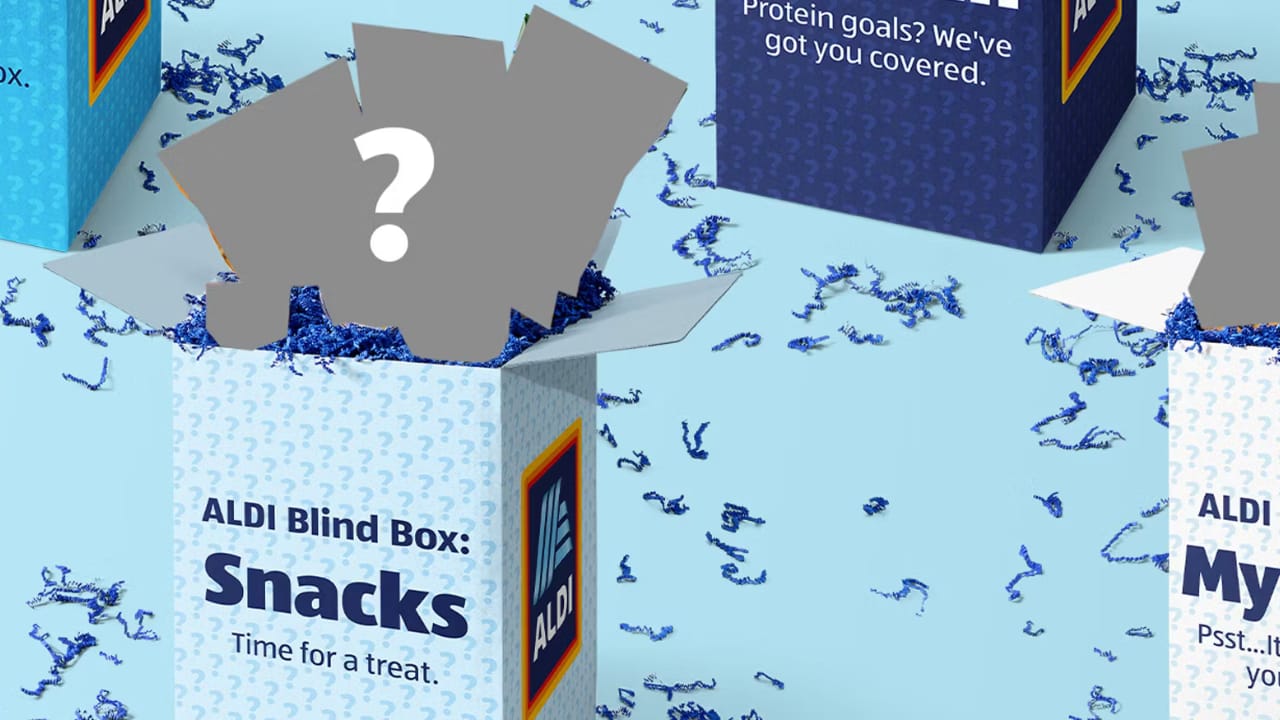
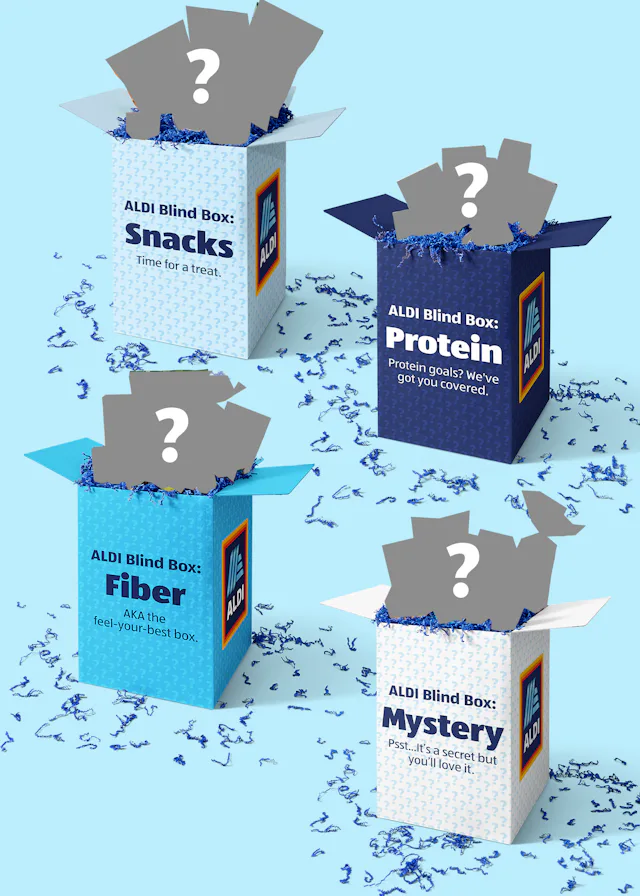
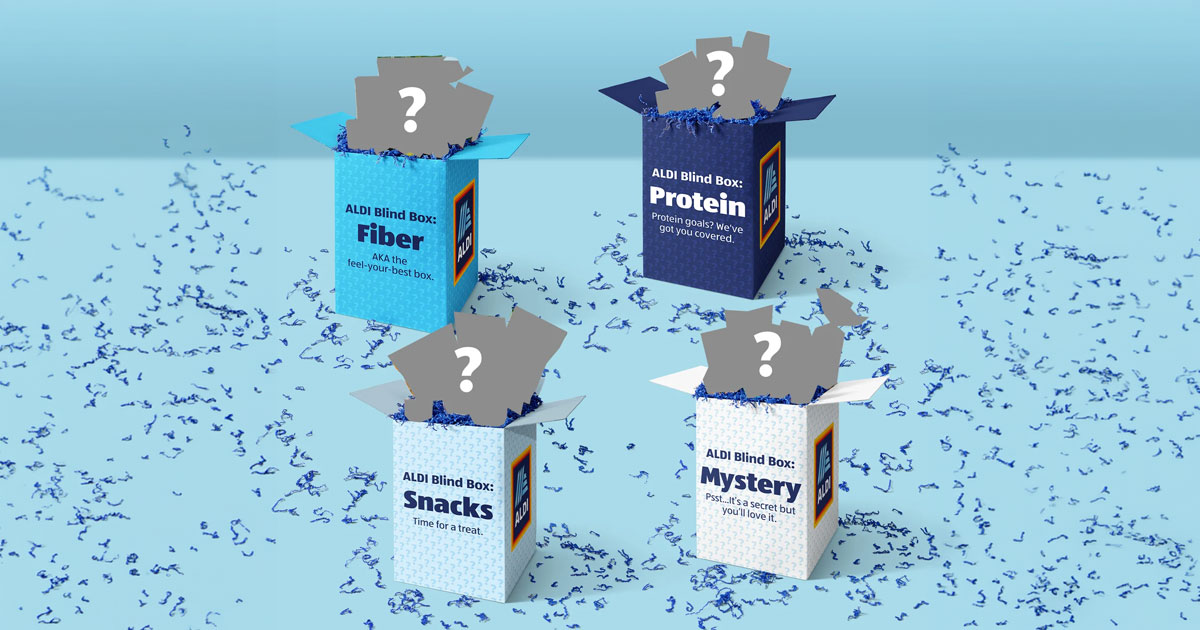
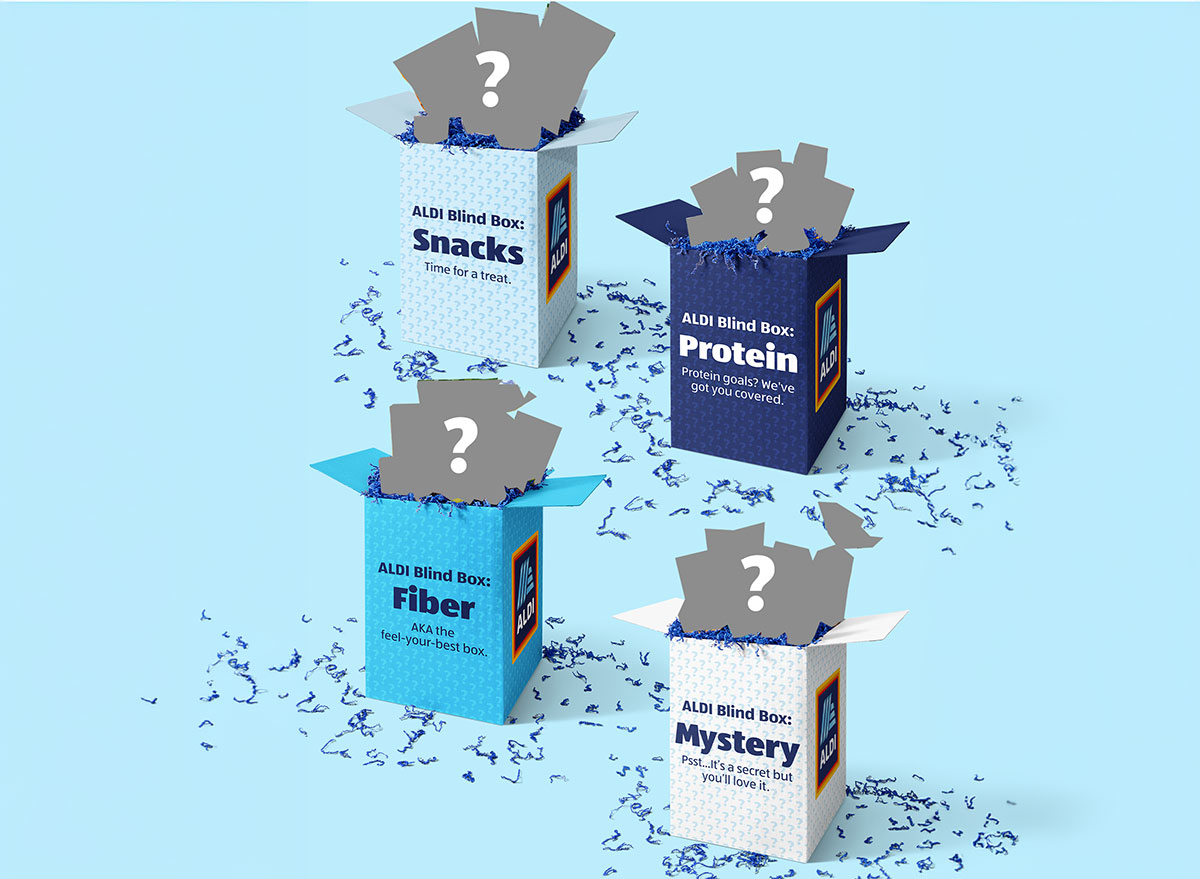
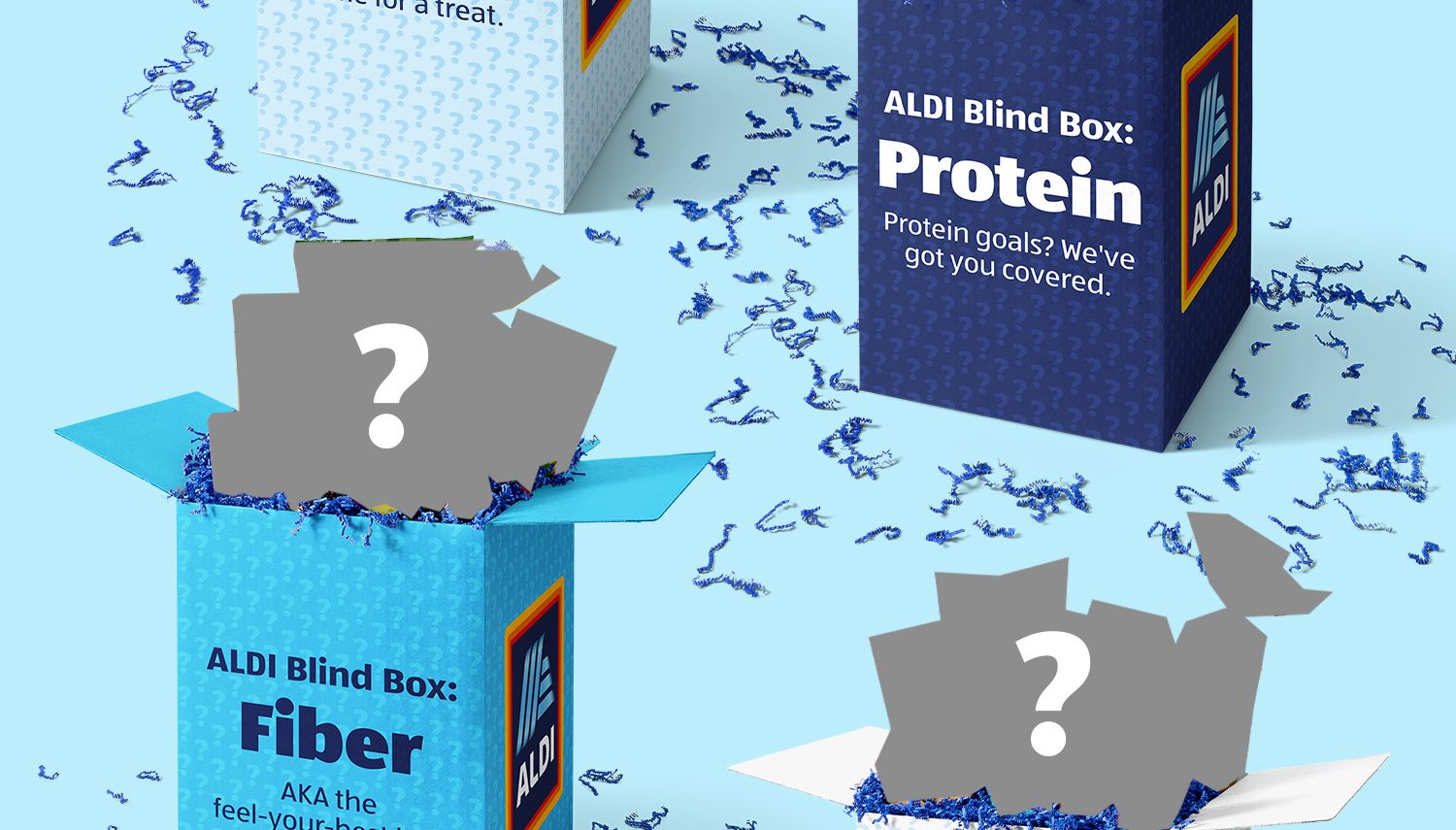
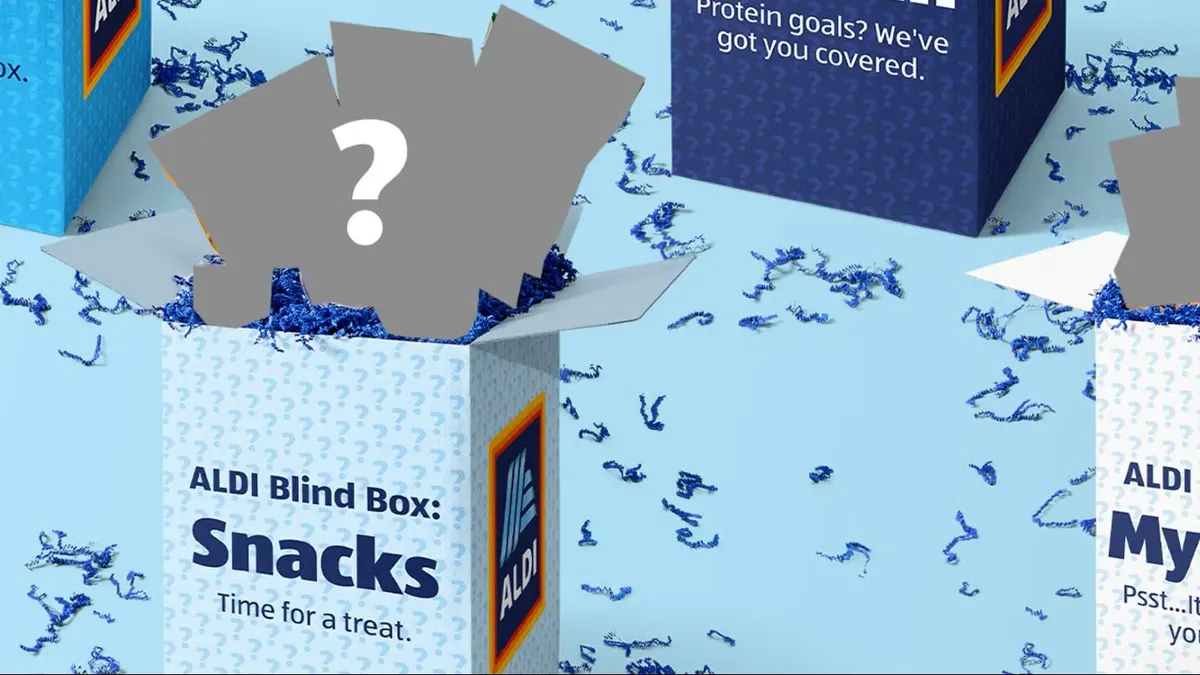
Aldi's blind box campaign represents a critical inflection point in how traditional retailers are competing for consumer attention through experiential marketing and scarcity-driven mechanics. The German discount grocer is distributing themed "Aldi Blind Boxes" daily from June 22-25, 2024, at noon ET through AldiBlindBox.com on a first-come, first-served basis, featuring four distinct themes: Protein, Fiber, Snacks, and Mystery boxes containing curated grocery assortments. This initiative directly capitalizes on two converging consumer trends: intensifying value consciousness amid grocery budget constraints and explosive growth in mystery box retail experiences that have historically driven 40-60% higher engagement rates than traditional promotions.
The campaign mechanics reveal sophisticated understanding of conversion psychology that e-commerce sellers should immediately adopt. Aldi leverages Instagram (@aldiusa) for daily theme reveals, creating repeat website visits and social media engagement peaks. The time-limited daily releases (noon ET windows) and first-come-first-served scarcity model generate urgency that historically converts 3-5x better than open-ended promotions. According to Aldi's Director of Communications Bridget Kozlowski, the strategy targets "shoppers who come for value but also for discovery"—a demographic segment that research shows spends 25-35% more when presented with curated surprise assortments versus traditional product browsing. The blind box concept, popularized in fashion, beauty, and collectibles industries, is now penetrating grocery retail, signaling that mystery mechanics work across categories with price-sensitive audiences.
For e-commerce sellers, this campaign demonstrates three immediately actionable opportunities. First, sellers in food/beverage, supplements, snacks, and health-focused categories should implement limited-edition bundle strategies with mystery elements on Amazon, Shopify, and TikTok Shop—these formats historically achieve 2-3x higher conversion rates than standard listings. Second, the Instagram-to-website funnel model (social reveal → website claim) shows that sellers can reduce customer acquisition costs by 30-40% by coordinating social teasers with time-limited website drops. Third, the targeting of health-conscious consumers (protein/fiber boxes) and value-seekers reveals high-intent audience segments that respond to scarcity messaging; sellers should allocate 15-25% of ad budgets to these demographics during promotional windows. The campaign also signals that younger demographics (Gen Z/millennial focus) are driving retail innovation, making TikTok and Instagram the primary channels for reaching this audience at CPMs 40-50% lower than traditional Google/Amazon advertising.
Questions 8
What is Aldi's blind box campaign and how does it work?
Aldi is distributing free themed mystery grocery boxes daily from June 22-25, 2024, at noon ET through AldiBlindBox.com on a first-come, first-served basis. The campaign features four themes: Protein Blind Box, Fiber Blind Box, Snack Blind Box, and Mystery Blind Box, each containing curated grocery assortments. Customers enter shipping information on the website, and Aldi announces daily themes on Instagram (@aldiusa) to drive traffic and anticipation. This direct-to-consumer fulfillment model combines scarcity mechanics with social media engagement to maximize customer acquisition and brand awareness among value-conscious shoppers.
What are the optimal advertising channels for mystery box campaigns?
Instagram and TikTok are primary channels for reaching the target demographic (Gen Z/millennials) at CPMs 40-50% lower than Google/Amazon advertising. Instagram's visual format excels at teasing daily themes and building anticipation, while TikTok's algorithm amplifies unboxing content and discovery narratives. For conversion, direct-to-consumer websites with countdown timers and stock indicators outperform marketplace listings. Amazon and Shopify can host the actual product pages, but social media drives the traffic. Email remarketing to past visitors during subsequent daily releases can achieve 60-80% higher conversion rates than cold traffic, making email list building during the first day critical.